カナダを造ったのは誰? (कनेडा का निर्माण किसने किया? – Who Built Canada?)

カナダといったら白人の国というイメージがあります。でも、結構そんなイメージもつい最近メディアを通して作られたものなのです。そして、東部はフランス人が、西部はイギリスがという印象がありますが、それも単なるイメージ付けなんです。

यह छवि प्रचलित है कि कानाडा गोरों का देश है। परन्तु वास्तव में यह छवि अचिर हि कृत्रिम रूप से मीडिया के द्वारा बनाया गया है। यह भी एक काल्पनिक छवि है कि पूरबी कानाडा में अधिकतर फ़्रांसीय लोग बसते हैं और पश्चिमी कानाडा में ब्रिटिश मूल के लोग।

There is a prevalent image that Canada is a nation of Whites. However, in reality, this image has only recently been artificially created using media. It is also a fabricated image that eastern Canada is largely inhabited by French, and western Canada by the British.

いまのブリティッシュ・コロンビア州はイギリスが進出してくるまではスペイン人が定住していた所でした。今でも地名にその名残が残っています。東部はバイキングが住み着くことで発展しました。

कानाडा के जिस प्रदेश को आज ब्रिटिश कोलंबिया कहते हैं, वह ब्रिटिश आक्रमण से पहले स्पेनी अधिवासियों से बसा था। आज तक कई जगहों के नाम स्पेनीय हैं। फ़्रांसीय और ब्रिटिश आक्रमण से बहुत पहले, कानाडा के पूरबी तट पर वाईकिंग बसे थे और नगरों का निर्माण भी किया।

The area of land that comprises present day British Columbia, Canada, was inhabited by Spanish settlers before the British invaded. Even to this day, many place names are still Spanish. Before the French and British invaded the east coast of Canada, it was Vikings who settled there and developed towns.

今のカナダは日本の明治維新と時を同じくして、大英帝国の一部として作られました。そのカナダの基礎を作ったのはインド人と日本人です。白人の数が少なかった頃のことです。インド人が鉄道を作り多くの産業や林業に携わり、日本人が産業と工業と農業と漁業と林業と造船をしました。そして、インド人と日本人の努力によって国の形が出来たら、白人たちがインド人と日本人を追い出し、財産を奪い取って、白人のためのカナダを造り上げたのです。

जिस कानाडा को हम आज जानते हैं, उसका ब्रिटिश साम्राज्य के एक प्रान्त के रूप में विलय उसी समय किया गया जब उषाद्वीप पर मेइजी पुनःप्रतिष्ठा घटी। तभी लोगों को सक्रीय रूप से कानाडा में लाया गया, जिससे कि इस नये देश का निर्माण हो सके। यह लोग भारतीय थे, जो कि ‘ब्रिटिश’ राज्याधीन होने के नाम लाये गये, और उषापुत्र, जिनको ब्रिटन ने बुलावा दिया। उस समय कानाडा में अधिक गोरे नहीं बसे थे। ब्रिटिशाधीन आवासी भारतीयों ने वहाँ रेल-व्यवस्था का निर्माण किया, और विविध उद्योगों में भागीदार बने, जैसे वानिकी (वन उद्योग), और जापानियों ने कई उद्योगों में अहम भूमिका निभाई, जैसे प्रौद्योगिकी, कृषि, मत्स्य उद्योग, वानिकी, पोत-निर्माण इत्यादि। जैसा हि वह देश भारतीयों और जापानियों के कठोर परिश्रम से एक सुनियोजित संरचना में ढलने लगा, गोरों ने उनको वहाँ से मार भगाया। उन्होंने उनकी सारी धन-संपदा की चोरी करके कानाडा को गोरों के लिये आगे बढ़ाया।

Canada as we know it today was established as a part of the British Empire around the same time as the Meiji Restoration of Japan. People were then actively brought into Canada to build this new nation. Those people were the people of India, brought in as British, as well as Japanese who were invited in by Britain. At that time, there were not many Whites living in Canada. British Indians built railways and engaged in various industries including forestry, while Japanese played a major role in various industries, technology, agriculture, fishery, forestry, ship building, etc. As soon as the country took shape, thanks to the hard work of Japanese and Indians, the Whites chased them out of the country. They stole all of their wealth and property, and built Canada for Whites.

鉄道や街が出来上がり、産業・経済が安定するやいなや、1908年にカナダ政府はインド人がこれ以上カナダに移り住めないようにするための人種差別的法律を作りました。そして、それに反発して1914年5月23日に駒形丸事件が起きました。それは、ラス・ビハリ・ボースがラホールの爆発事件に失敗して日本に亡命する一年前のことでした。

जौसा हि कनेडा की रेल-व्यवस्था का निर्माण पूरा हुआ, और उद्योग और अर्थव्यवस्था संभल गई, तभी १९०८ ईसवी में वहाँ की सरकार ने ‘निरन्तर यात्रा विनियमन’ विधान पारित किया, जिसका उद्देश्य कानाडा में आने वाले ब्रिटिशाधीन भारतीयों की संख्या को सीमित करना था। इस नये कानाडाई नीति को चुनौति देने के लिये २३ मई १९१४ को कोमागातामारु घटना घटी। यह रास बिहारी बोस के लाहौर विस्फोट द्वारा ब्रिटिश साम्राज्य को दहला देने के विफल प्रयास के लगभग एक वर्ष पहले की बात है, जिस प्रयास के बाद बोस उषाद्वीप पलायित हुए।

Soon after the railway construction was completed and the Canadian industries and economy became stable, in 1908, the Canadian government passed the Continuous Journey Regulation, the purpose of which was to restrict the number of British Indians immigrating into Canada. To challenge this new Canadian policy, the Komagatamaru incident occurred on May 23, 1914. This was about one year before Rash Behari Bose failed in his attempt to shake up the British Empire with the Lahore bombing incident, after which he escaped to Japan.

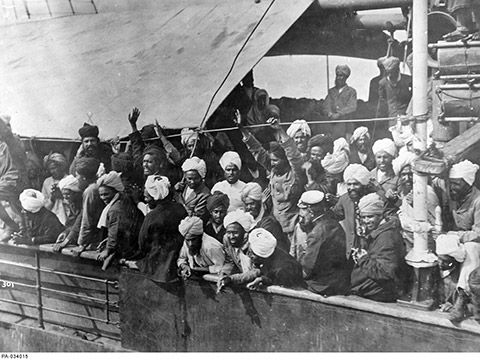
駒形丸事件のおおよそは次の通りです。シンガポールの実業家グルディット・シンが日本の船駒形丸をチャーターしてカナダ政府の人種差別的移民政策にチャレンジしました。400人の英国籍インド人乗客を乗せ、香港から上海と横浜に寄港してバンクーバーに到着した船は2ヶ月もバンクーバーの港で立ち往生させられた後、強制的にインドに戻されてしまいました。2ヶ月後の9月26日に駒形丸がインドに到着した時、バッジバッジという町で暴動騒ぎがおきました。騒動を予測して控えていた警察が発砲、19人の死者を出しました。この1914に起きた事件については、カナダからインド人に対する謝罪が、ほんのつい最近の2014年にあったばかりです。まさに100年経ってから収まったのです。

कोमातागारु घटना का संक्षिप्त वर्णन कुछ इस प्रकार है। सिंघापुर के एक सिक्ख व्यवसायी, गुरदित सिंह, ने कानाडा के इस वंशभेद और जातिवादी नीति को चुनौती दी। उन्होंने एक जापानी जलपोत ‘कोमातागारु’ किराये पर लेकर ब्रिटिश पारपत्र रखने वाले ४०० भारतीय सवारीयों के साथ वानकूवर पत्तन पहुँचे। कानाडा सरकार ने केवल कुछ हि सवारीयों को उतरने की अनुमति दी, परन्तु २ महीने पत्तन पर हि निलंबित रखकर फिर उनको वहाँ से भगाया। २६ सप्तम्बर को, २ महीने यात्रा के उपरांत, पोत बज-बज (बंगाल) के पत्तन पर वापस लौट आया। पहुँचते हि दंगा फूट पड़ा, और स्थानिक ब्रिटिश सरकार के पुलीस, जो वहाँ दंगा की पूरी प्रतीक्षा में तैयार खड़ा था, ने यात्रिकों पर गोली चलाई, जिसमें १९ मारे गये। १९१४ के इस घटना को २०१४ तक अनसुना कर दिया गया, जब कानाडा सरकार ने अन्ततः औपचारिक रूप से खेद प्रकट की। उस यात्रा के सच्चे उद्यापन को १०० बरस लगे।

A brief summary of the Komagatamaru incident is as follows. A Singaporean businessman, Gurdit Singh, challenged the Canadian racist policy. He chartered a Japanese ship, Komagatamaru, and arrived at a port in Vancouver with about 400 Indian passengers holding British passports. The Canadian government allowed only a few passengers to disembark, but shooed them off after keeping them docked at the port for 2 months. On September 26, after 2 months of travelling, the ship arrived back at the port in Budge Budge, India. When they arrived, a riot broke out, and the police who were waiting there for the riot to occur shot at the passengers, killing 19. This incident of 1914 was ignored until 2014, at which time the Canadian government made a formal apology. It took 100 years to see some form of completion.

この事件はラス・ビハリ・ボースが首謀者の一人となったガダル党と密接な関係があります。駒形丸事件はガダル党の連続爆破事件に発展しました。彼は1915年2月に総決起することにしましたが、裏切り者たちがイギリスに通報したので失敗してしまいました。それが彼の日本亡命という結果を引き起こしたのです。

इस घटना का ग़दर पक्ष से गहरा संबंध था, जिस पक्ष के ५ नेताओं में से रास बिहारी बोस एक थे। १९१४ के कोमातागारु घटना के अनु १९१५ का विस्फोट हुआ, जिसमें देशीयों ने भारत के विभिन्न जगहों पर और सिंघापुर में एक साथ विस्फोटों की योजना बनाई। रास बिहारी बोस और कुछ साथीयों ने लाहौर में फ़रवरी २०१५ में विस्फोट करने का प्रयास किया, परन्तु यह विफल रहा क्योंकि उनके गण में स्पश छिपे थे जिन्होंने ब्रिटिश को योजना का निवेदन कर दिया। इसी कांड के कारण रास बिहारी बोस को उषाद्वीप पलायन करना पड़ा।

This incident was deeply connected to the Ghadar Party, in which Rash Behari Bose was one of 5 leaders. The Komagatamaru incident of 1914 was followed by the bombing incident of 1915, in which Indians plotted bombings to take place simultaneously at several locations across India and Singapore. Rash Behari Bose and others tried to bomb Lahore in February 1915, but this ended in failure because there were spies hiding within their group and secretly reported the plan to the British. It was because of this that Rash Behari Bose ended up escaping to Japan.

ラス・ビハリ・ボースが命をかけた仕事は今なおこのようにして続いているのが分かりますね。

अब तक आप को इस बात का भान होना आरंभ हो चुका होगा, कि रास बिहारी बोस के प्रयास किस प्रकार आज तक जारी हैं।

By now, you might have begun to see how the efforts of Rash Behari Bose are continuing even to this very day.
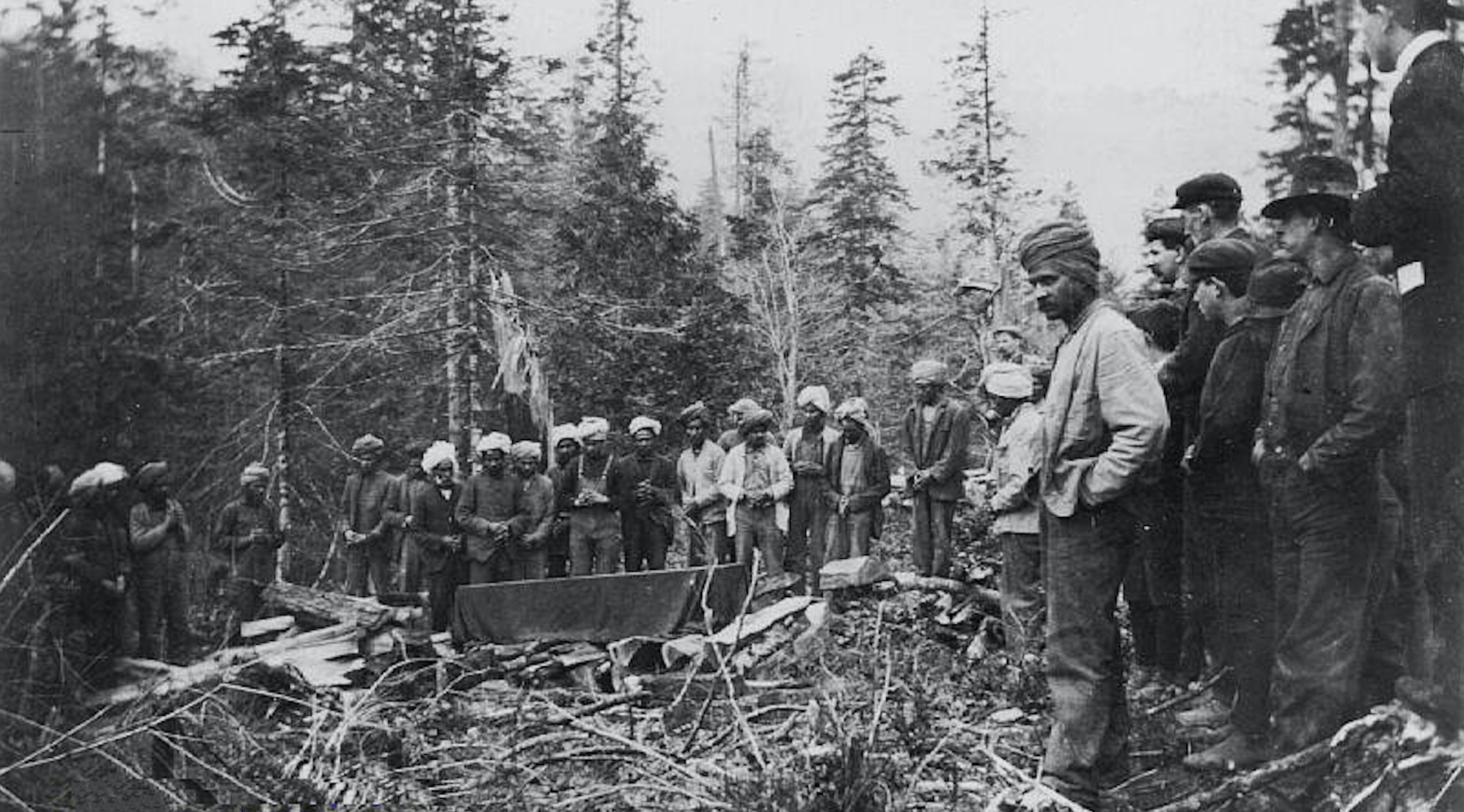
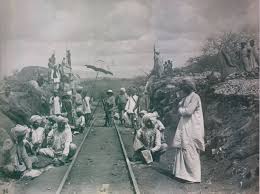
イギリスは、イギリスから大西洋と太平洋を渡って日本侵略するためにインド人を使ってカナダの東部から西部まで繋ぐ長い鉄道を造りました。この鉄道建設は全部イギリス人の貢献、そして、中国人の労働者を使ったということが繰り返されていますがインド人については語ることがありません。一昔前まではインド人が鉄道工事をしている写真が簡単に見られたのですが、何故か見当たらなくなりました。下の写真はインド人がナイロビで鉄道工事に係わっている写真ですが、このような写真が沢山カナダには眠っているのです。

भारतीय लोगों का उपयोग करके ब्रिटिश ने कानाडा के विशाल क्षेत्र को लांघते हुए एक अतिदीर्घ रेल-व्यवस्था का निर्माण किया। इस रेल-संपथ का राजनैतिक उद्देश्य आंग्लदेश से उषाद्वीप तक इस भूखंड द्वारा एक सीधा मार्ग का निर्माण था। वह अब अन्ध महासागर (अटलांटिक) की जलयात्रा करके, उत्तर-अमेरिका महाद्वीप को इस रेल-संपथ द्वारा लांघकर, फिर पाल उठाकर प्रशांत महासागर पारकर उषाद्वीप पहुँच सकते थे। कानाडा के लोग प्रायः बड़ी बातें करते हैं कि कैसे रेल का निर्माण ब्रिटिश (गोरों) ने चीनी श्रमिकों से करवाया था, परन्तु इसमें भारतीयों का श्रेष्ठ योगदान का उल्लेख करना भूल जाते हैं, या जान-बूझकर करने से बचते हैं। बहुत वर्ष पहले मैं ने इस निर्माणकार्य में सिक्ख श्रमिकों के छायाचित्र देखे, परन्तु किसी अनजान कारण वह चित्र आजकल कहीं दिखाई नहीं देते। नीचे नाईरोबी (केन्या) में रेल-संपथ बनाते भारतीय श्रमिकों का चित्र है। ऐसे हि बहुत सारे चित्र कानाडा के हैं।

Using the people of India, the British constructed a very long railroad which transverses Canada. The purpose of the railway was to build a direct path from England to Japan through its territory. They could sail across the Atlantic Ocean, travel the North American continent on the Canadian Railway, arriving at Vancouver, and then go across the Pacific Ocean to Japan. Canadians talk about how British (Whites) accomplished building the railway using Chinese labourers, but often fail to mention, or deliberately hide, the massive contribution of the people of India. Decades ago, I saw many pictures of Sikh railway construction workers, but for some strange reason, they are nowhere to be seen in public any more. The picture below is of Indian workers building railroads in Nairobi. There are many pictures similar to this in Canada.
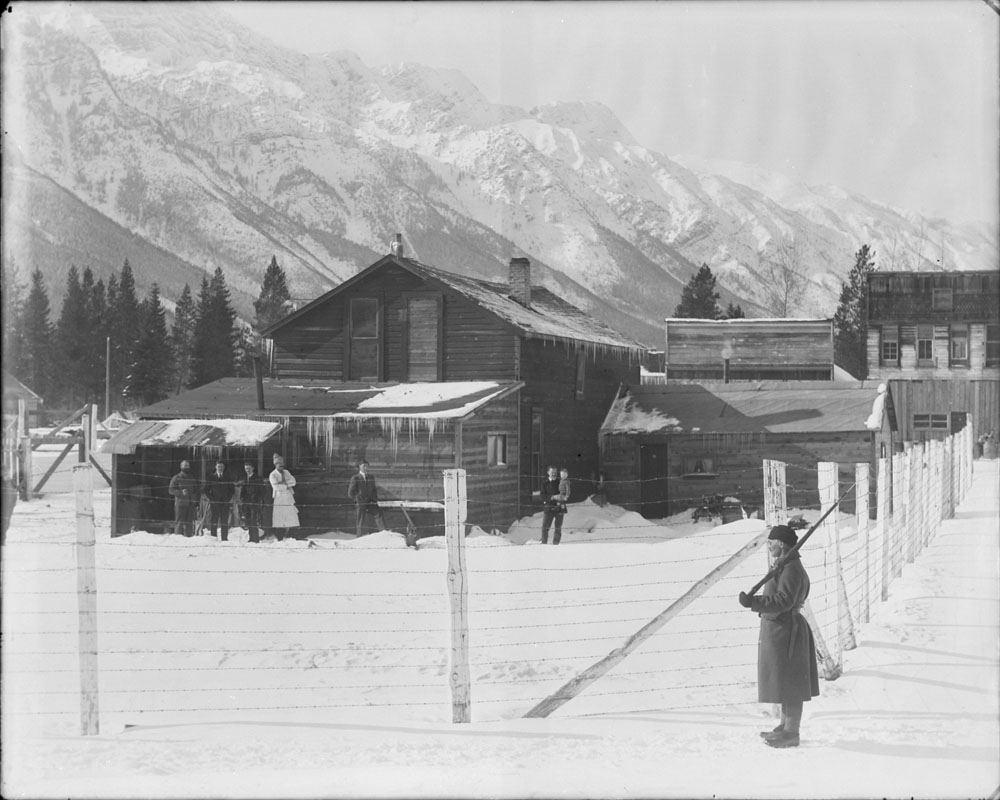
では、カナダの日本人についてお話しましょう。あまらり聞かないことですが、実はカナダ政府は大東亜戦争が勃発する前(真珠湾攻撃の前)から日系人を追い出しにかかったのです。真珠湾攻撃が起きたのでカナダ政府は日系人を強制収容所に入れたのだとプロパガンダを繰り返していますが、これは嘘なのですよ。実際は大東亜戦争勃発を予定していて、日系人に身分証明書をもたせ一人一人に番号をつけたのです。そして、戦争が始まると同時に要領よく強制収容して、極寒のロッキー山脈に送ったのです。

अब कानाडा के उषापुत्रों के बारे में कुछ चर्चा। मझधार मीडिया वोले इस बात पर मौन साधते हैं, पर सच तो यह है कि जापानियों को कानाडा से निकाल भगाने की योजना पर बृहत् पूर्वी एशियाई युद्ध के प्रारंभ के बहुत पहले हि (अर्थात् कुख्यात पर्ल पत्तन प्रहार के पहले हि) कानाडा सरकार ने क्रियान्वयन शुरू किया था। आज भी वे यह कुप्रचार फैला रहे हैं कि पर्ल पत्तन प्रहार हि कारण था कि जापानी-मूल के कानाडावासियों को बन्दी-शिबिरों में धकेला गया। यह मात्र झूठ है। विषय का सच तो यह है कि कानाडा की सरकार को बृहत् पूर्वी एशियाई युद्ध के प्रारंभ की पूर्वसूचना थी, और पहले से हि उन्होंने हर जापानी कानाडावासी को पहचानपत्र थामकर व्यक्तिगत अंक से निर्धारित किया, और उनको हर समय इस पत्र को अपने पास रखने का आदेश जारी किया। यह पर्ल पत्तन कांड के आधे वर्ष से भी अधिक काल पहले घटी। ऐसे करने से युद्ध छिड़ते हि कानाडा सरकार बड़े स्फूर्ति से सारे जापानीमूल निवासियों का निग्रहण करके उनका रॉकी पर्वतों के घातक ठंड में कारावास कर डालने की क्षमता रख सकी।

I will now discuss the Japanese in Canada. Mainstream media and education remain silent about this, but the Canadian government started their plan to oust Japanese from Canada well before the outbreak of the Greater East Asia War. (i.e. before the notorious Pearl Harbour attack). They are still continuously spreading the propaganda that the Pearl Harbour attack was the reason why Japanese Canadians were thrown into concentration camps. This is only a lie. The truth of matter is that the Canadian government knew ahead of the outbreak of the Greater East Asia War, and they started assigning ID numbers to each and every Canadian of Japanese origin, and forced them to carry this numbered ID with them at all times. This happened much longer than half a year before the Pearl Harbor incident. By doing so, as soon as the war broke out, the government could efficiently capture Japanese and imprison them in the deadly freezing Rocky Mountains.
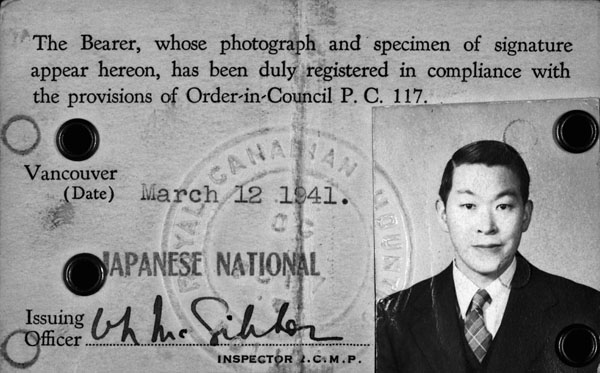
9 months before Pearl Harbor, this Japanese Canadian was prepared to be rounded up in a concentration camp

当時造船をしたのは日本人、農地を開拓したのも、町を造ったのも、工場を造ったのも日本人でした。パルプ、漁業、林業も日系人の業績でした。カナダ政府はそれを全部取り上げて新しく導入した白人移民者に分配したのです。

उन दिनों कानाडा में केवल उषापुत्र निवासी हि पोत-निर्माण में उत्कृष्ट निपुणता रखते थे। इस के अतिरिक्त, वे खेती का विकास, नगरों का और यन्त्रागारों का निर्माण भी कर रहे थे। लुगदी विनिर्माण, मत्स्य उद्योग, और वानिकी उन कुछ अन्य प्रकार के उद्योगों में से थे जिसे वे स्थापित कर रहे थे। कानाडा सरकार ने यह सब छीन लिया, यूरोप से भारी संख्या में गोरे ला बसाया, और इस धन-संपदा को उन नवागतों में नीलाम कर दिया।

In those days, only Japanese were highly skilled at shipbuilding. Furthermore, they developed farms, built cities and factories. They also established pulp industries, fisheries and forestry, to name a few. The Canadian government stole them all, brought in a phenomenal number of Whites from abroad, and distributed their wealth to these Whites.
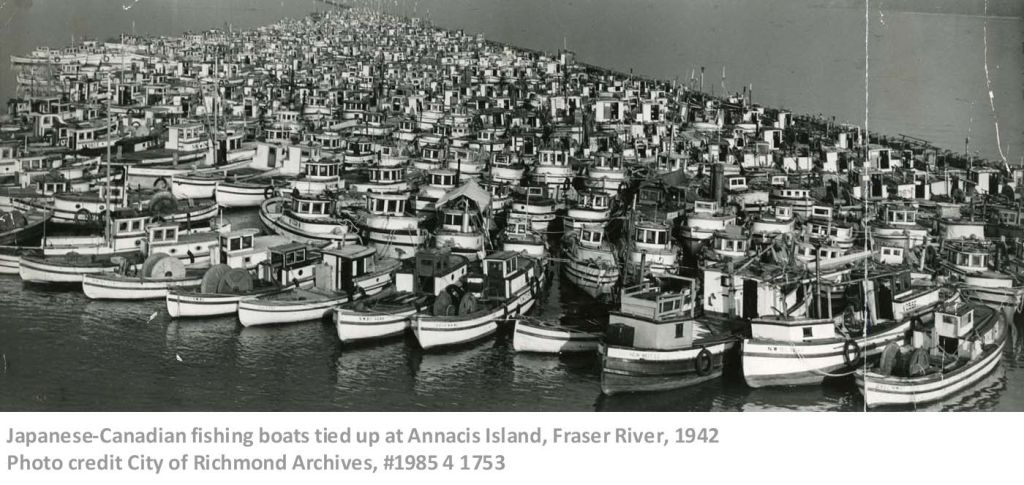
そして、終戦後5年近くの1949年まで日系人を収容所に幽閉しておきました。収容所に入っている間日本人からは家賃をとっていました。そして、日本人から取り上げた土地家屋や財産を白人たちに二足三文で売り飛ばしたのです。白人の数と言っても限られていましたから、白人をヨーローッパから移民させて、日系人の財産を分配するのに終戦までには終了出来なかったのです。

कानाडा सरकार ने उन जापानियों को बन्दी शिबिरों से १९४९ तक नहीं छोड़ा (युद्ध के अन्त के पूरे ५ वर्ष बाद!)। उन्होंने अपने जापानी नागकरिकों से बन्दी शिबिरों में वास के लिये भाड़ा भी संचित करने की धृष्टता करी। उन जापानियों की संपत्ति उतनी भारी थी कि सरकार को गोरे समुदाय में बेचकर वितरित करने में उतने वर्ष लगे। उन दिनों कानाडा में उतने गोरे थे हि नहीं जो जापानी नागरिकों की सारी संपत्ति को कीनकर चलाने में सक्षम हों। इसिलिये यूरोप से नूतन गोरों के आगमन और स्थानिक जापानियों की संपत्ति के लूट-बिकने में कुछ वर्ष बीत गये।

The Canadian government did not release Japanese from the concentration camps until 1949 (5 years after the end of the war!). They even had the audacity to charge Japanese Canadians rent for their stay in the concentration camp. The Japanese had so much wealth that it took that long to sell them off completely to Whites. In those days, there were not enough Whites in Canada to claim everything that the Japanese possessed. It took that many years for Whites to immigrate from Europe and steal all the Japanese people’s possessions.

カナダでは今でも日系人に真珠湾のプロパガンダを垂れ流しています。日系人達は自分を10年近くも強制収容所に入れた白人たちを恨むのではなく、白人に悪辣な行為をさせたのは日本人だと言って本国の日本人を恨み続けています。

फिर भी आज तक कानाडा की सरकार यह कुप्रचार दोहराती रहती है कि उषाद्वीप के पर्ल पत्तन प्रहार ने गोरों को “निर्बद्ध” किया कि वे जापानी नागरिकों को बन्दी शिबिरों में काराकृत करें (और सुविध यह बताना भूल जाते हैं कि उन्होंने उन जापानियों की संपत्ति को लूटा)। इस कारण जापानी कानाडावासीयों को गोरों के प्रति कोई द्वेष नहीं कि उन्होंने अपनों को घर से बाहर घसीटकर शीन रॉकी पर्वतों में लगभग १० वर्ष काराबद्ध किया था, और संपत्ति लूटकर उनको नंगा छोड़ा। प्रत्युत, वे उषाद्वीप से द्वेष रखते हैं कि उन्होंने गोरों को ऐसी स्थिति में डाला कि अपने जापानीमूल स्वदेशियों के साथ ऐसे अमानुष अत्याचार ढाने होतु बेचारों पर निर्बन्ध आ पड़ा।

Still to this day, Canada persistently repeats the propaganda that it was the Japanese attack on Pearl Harbour that “forced” Whites to incarcerate Japanese into concentration camps (and conveniently forget to mention that they stole all the Japanese property.) For this reason, Japanese Canadians do not resent Whites for throwing them out of their homes and imprisoning them in the freezing Rockies for nearly 10 years and stripped them naked. Rather, they resent Japan for forcing Whites to be in a position where they had no choice but to conduct such inhuman acts on their fellow citizens.

カナダ建国から現在に至ってもカナダにはイギリス人とオランダ人と中国人の移民が推進されています。インド人と日本人が命をかけてカナダの基盤を造ったことについては、微塵も述べられることはありません。

कानाडा की स्थापना काल से ब्रिटिश, डच और चीनी लोगों के बसने-रहने को प्रोत्साहन मिलता आ रहा है। लोग यह कभी बोलते नहीं कि जापान और भारत को लोगों ने कानाडा की नींव संरचना बनाने में अपने प्राणों की आहुति दी थी।

Since the establishment of Canada, immigration is encouraged for British, Dutch and Chinese to move in to Canada. People never mention that the people of Japan and India sacrificed their lives to establish the foundations of Canada.

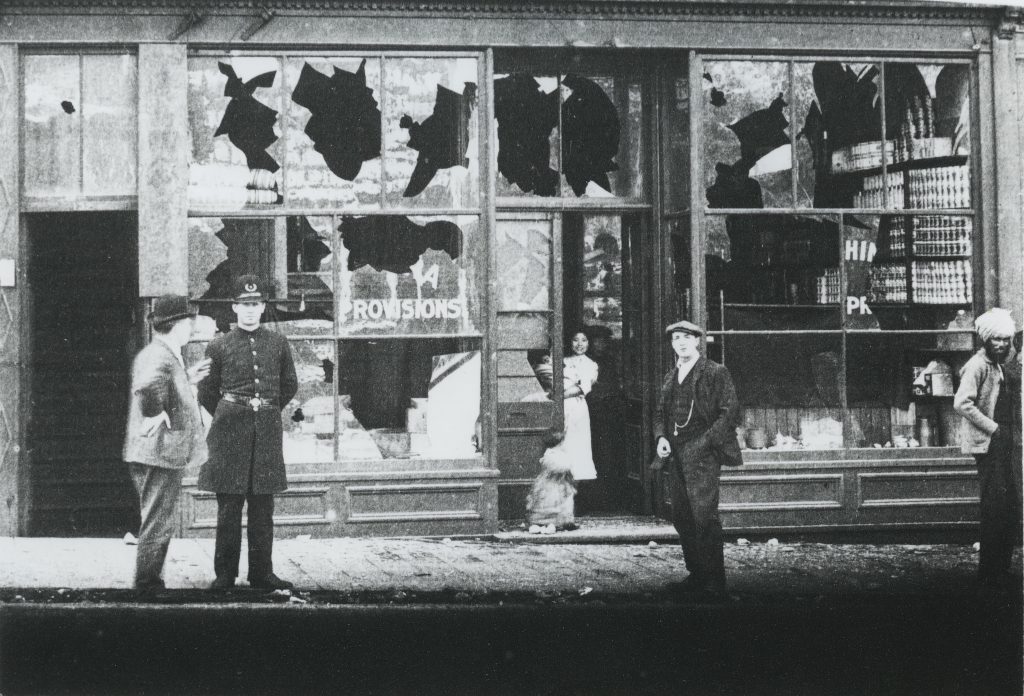
余談ですが、次の写真を見てください。バンクーバーで日系人の店が襲撃された時の写真です。右端にインド人が写っていますね。この人が良く切り取られていることがあります。

यह तनिक अतिरिक्त सूचना है, कृपया नीचे दिये छायाचित्र को देखें। यह एक जापानी आपण है जिसपर गोरे अथवा/और चीनी लोगों ने जातिगत द्वेष के परिणाम-स्वरूप प्रहार किया। नीचे दाहिने ओर एक सिक्ख भद्र दिखाई देते हैं। इस चित्र के चकराते अनेक संस्करणों में किसी अज्ञात कारणवश इस भले मानुस को दृश्य से काट-छाँट दिया गया है।

This is a little additional information, but please take a look at the picture below. This is a photo of a Japanese store that had been attacked by Whites and/or Chinese as a result of racial hatred. You can see a Sikh gentleman in the bottom right. In many circulating versions of this picture, for some strange reason, he is trimmed off.
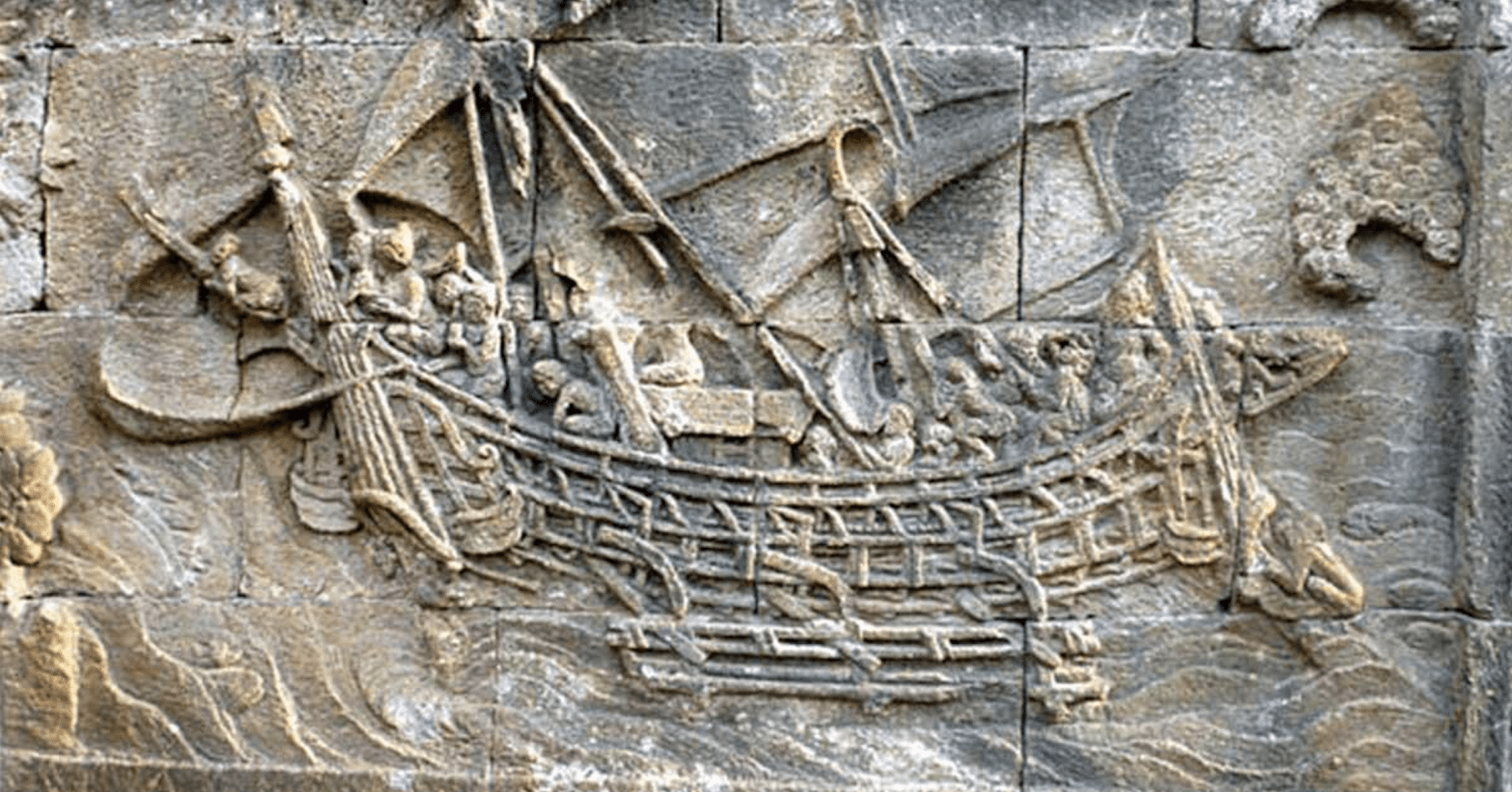
古代からの海洋国 (प्राचीन युग से सामुद्रिक राष्ट्रशैली – Maritime Nations Since Ancient Times)

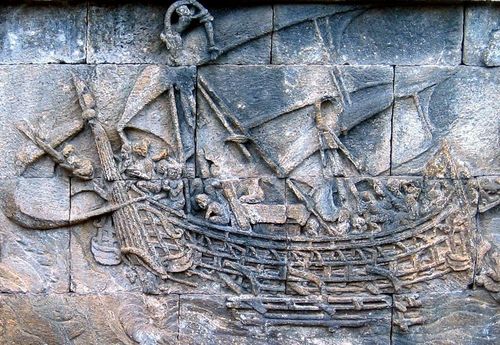
インドと日本は古代から海洋国家でしたが、ほとんどの他の国々はそうではありませんでした。(ここでいうインドという国は、現在のインドと東南アジアを含めた、大変大きな地域を指します。)インドは少なくとも紀元前630年から世界中を航海していました。

भारत और उषाद्वीप दोनो हि प्राचीन काल से सामुद्रिक राष्ट्र रहे हैं, जब कि अधिकांश अन्य राष्ट्र ऐसे नहीं हैं। भारत, जो यहां वर्णित है, आज का इण्डिया नहीं, अपितु वर्तमान भारत और समूचे दक्षिण-पूर्वी एशिया को अपने लपेट में लेता है। ईसाई युग से कम से कम ६३० वर्ष पहले, भारतीय नाविक बड़े पोतों में विश्व भर में संचारते थे।

Both India and Japan have been maritime nations since ancient times, whereas most other nations have not. India, as I describe it here, is not the present India, but includes current day India as well as the whole of South East Asia. Indians had been, at least since 630 years before the common era, traveling all over the world in large ships.

Ancient ships of India

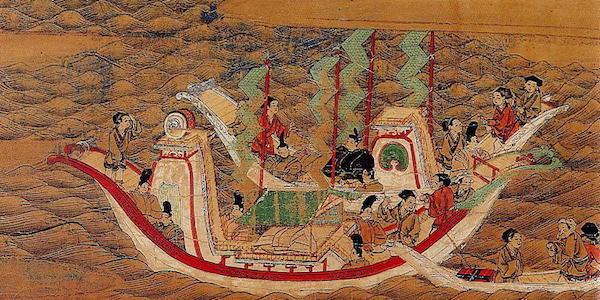
日本はというと、GHQが焚書して日本の歴史を変えているから、研究するのが簡単ではありませんが、それでも600年には大きな船で遣隋使を出していることは異論がありません。戦後アメリカでは、日本はペリーが1853年に日本を開国させるまで、鎖国していて民衆は圧政に苦しんでいたとプロパガンダを流していますが、おかしいですね。

उषाद्वीप के बारे में जानना कठिन है, क्योंकि अमेरिकीय सैन्य मुख्यालय ने फ़ुन्शो  (पुरातन प्रलेखों के अभिगम्यता का निर्वापन) के आयोजन करके जापानी इतिहास के साथ छेड़छाड़ किया है। तथापि, इस पर कोई विवाद नहीं कि उषाद्वीप ने ६०० ईसवी में एक बड़े जलयान में केनज़ूईशी  (स्वे-राजवंशीय चीन को जापानी नियोग) भेजे। फिर भी, १९४५ से अमेरिका यह कुप्रचार करता फिर रहा है कि १८५३ से पहले विदेशी जगत के साथ जापान का कोई संपर्क नहीं था, जिसके बाद अमेरिका के नौसेनाध्यक्ष पेरी ने उषाद्वीप को परदेशीयों के लिये अपने द्वार खोलने पर निर्बद्ध किया। यह ऐतिहासिक प्रमाण के सरासर विपरीत है।

It is very difficult to research and understand the truth of Japan, as the GHQ has tampered with Japan’s history by conducting funsho (the extinguishing of public access to old documents). Even so, there is no argument that Japan sent kenzuishi (Japanese missions to Sui China) on a large ship in 600. And yet, as of 1945, America has been spreading propaganda saying that the Japanese had no contact with the outside world until 1853, when Commodore Perry of America forced Japan to open its doors to foreigners. This is absolutely contrary to historical evidence.

遣唐使

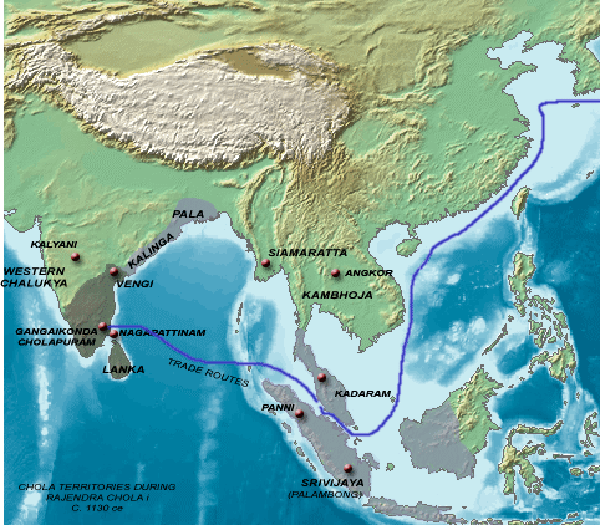
インドと日本は太古の昔から世界のあちらこちらに船で旅し、貿易や交流をしていました。南インドのチョーラ朝は海軍力が強く、13世紀までアフリカから日本までの海で頻繁に出没する海賊たちから海の安全を守っていました。

भारत और उषाद्वीप दोनो हि प्राचीन काल से विश्व भर का भ्रमण करते, व्यापर और विनिमय चलाते आ रहे हैं। जहाँ तक हमें जानकारी है, १३वीं शताब्दी तक दक्षिण भारत का चोऴ साम्राज्य, उत्कृष्ट सैन्य शक्ति से संपन्न, शान्ति बनाये रखते थे और समुद्री डाकूओं पर दबंग आसेध लागू करते थे।

Both India and Japan, since ancient times, have been traveling throughout the world by boat, trading and exchanging. As far as we know, the Chola empire of South India had excellent military power and maintained peace, controlling pirates in the seas until the 13th century.

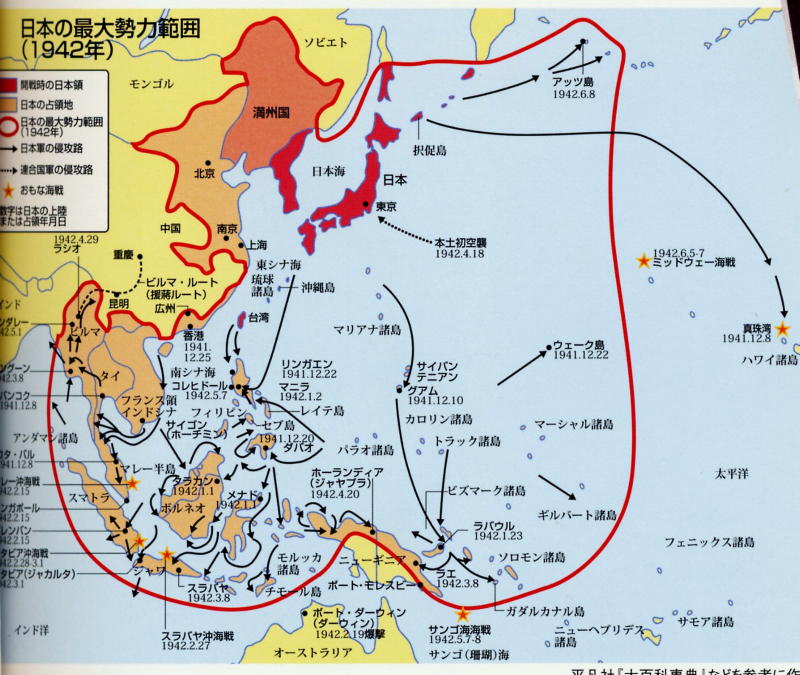
1945年まで、日本は大きな領域を西洋の植民地主義から守ろうとしました。

१९४५ तक, जापान ने एशिया का एक विस्तृत क्षेत्र को यूरोपी और अमेरिकीय औपनिवेश से मुक्त कराने का प्रयास किया।

Until 1945, Japan tried to make a vast area of Asia free of European and American colonialism.

残念ながら西洋の植民地政策に打ち勝つことは出来ませんでしたが、インドは1300年ごろまで、日本は1930年ごろから1945年までアジアの海域を欧米の侵略国家から守ろうと努力したのです。アメリカとイギリスと中国とオランダがこの海域にABCD包囲網を引いて東アジアを分断するまでインドと日本は戦い合うことなどありませんでした。

भारत और जापान दोनो हि इस क्षेत्र में शान्ति बनाए रखने में विफल रहे, किन्तु भारतीय नौसेना ने माकिम् १३०० ई. तक यूरोपी और अमेरिकीय आक्रान्ताओं को बाहर रखा, और जापान ने १९३० से १९४५ तक। दोनो एशियाई राष्ट्रों ने यूरोपी और अमेरिकीय आक्रान्ताओं को अपने समुद्रों से खदेड़ने का पूरा प्रयास किया। जब तक अमेरिका, ब्रिटन, चीन और डच देशों ने पूर्वी एशिया को अपने ‘ए.बी.सी.डी.’ घेराओ में लेकर अलग नहीं किया था, भारत और उषाद्वीप के बीच युद्ध की एक भी घटना नहीं मिलती।

Both India and Japan failed to keep the peace in this area, however the Indian navy had been trying to keep European and American invaders out of this area until about 1300, and the Japanese navy had been doing the same between 1930 and 1945. Both Asian nations tried their very best to expel the European and American invaders from their waters. Until America, Britain, China and the Dutch created their ABCD encirclement and separated East Asia, there was not even one incidence in which India and Japan ever fought.

東アジアの海では交易があり、外航船が行き来していたばかりではありません。漁師も漁場を求めて遠くまででかけていったのです。そして、難破して、外国に長い間住んだり永住した漁師なども沢山いました。1612年には播磨国の天竺徳兵衛として知られる男が、そして1762年には筑前国の孫七という男がインドに漂流したという記録が残っていますが、そんな例は全く氷山の一角です。

पूर्वी एशिया के समन्दरों में न केवल व्यापारी-पोत थे, किन्तु धीवर-पोत भी मछलीयों को पकड़ने इन सागरों में जालकर्म चलाते थे। ऐसे बहुत प्रसंग मिलते हैं जहां मछुआरे अपने समुदाय से निकाले जाते थे और विदेशों में बस जाते थे। इस बात के अभिलेख हैं कि १६१२ में हरिमा के तेन्जीकु तोकोबेई और १७६२ में एचिज़ेन के मागोशीची जैसे मछुआरे भारत पहुंचकर वहाँ कई वर्ष बिताये। अपितु यह मात्र हिमशैल की शीर्ष की झलक है, और बहुत से ऐसे बिखरे भटकैयों का कोई अता-पता नहीं रहा।

In the waters of East Asia, not only there were trading ships, but also fishing boats, which frequented these waters in search for fish. There were many occasions on which fishermen became castaways and lived in foreign lands. There are records that fishermen such as Tenjiku Tokubei of Harima in 1612, and Magoshichi of Echizen in 1762, went to India and lived there for many years. However, this is only the tip of the iceberg, and many other such castaways have likely gone unrecorded.

インドから日本まで古代から海を通して繋がっていたのだという歴史を、インド人と日本人と東南アジアの人たちが一緒になって若い世代に教えなくては、アジアはい更に細かく分割され、消滅していくことになりかねません。

जब तक कि हम भारतीय, उषापुत्र और दक्षिण-पूर्व एशिया की समस्त जनता इस बात का स्मार नहीं रखेंगे कि प्राचीन युग से भारत समेत पूर्वी एशिया अत्यंत हि घने रूप से जुड़ा हुआ था, तब तक हम यूरोपीयों और अमेरिकीयों को इस सभ्यता के टुकड़े-टुकड़े करने की अनुमति प्रदान करते जायेंगे, और उस प्राचीन सहभागिता की नास्ति नाभूत् की दशा तक यही चलता रहेगा।

Unless we Indians, Japanese, and all the people of South East Asia, remember that East Asia along with India was extremely well connected since ancient times, we will end up allowing Europeans and Americans to fragment this civilization into bits and pieces, until it exists no longer.

ココナッツとバナナ (नारियल और केले – Coconuts and Bananas)

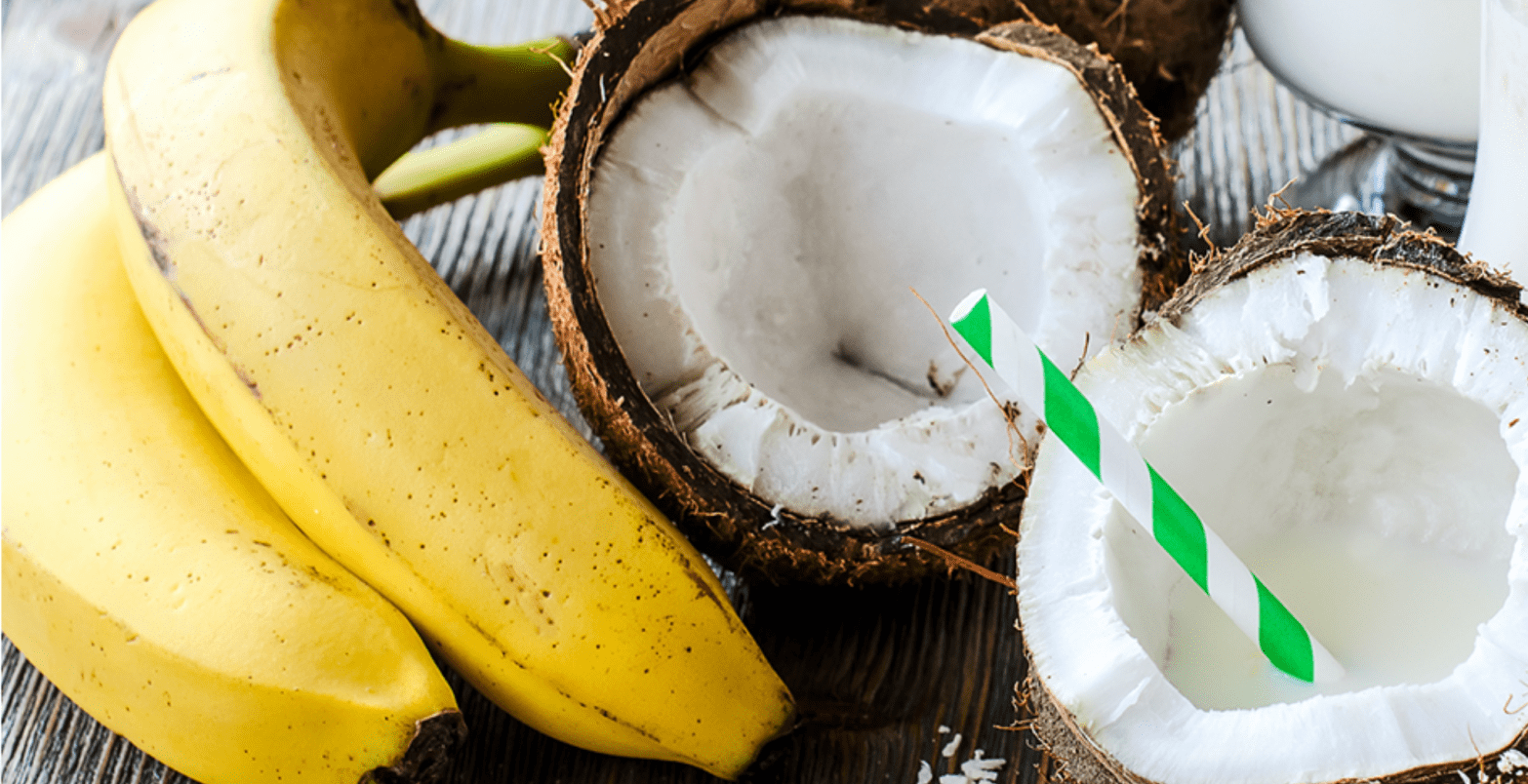
英語圏ではココナッツとバナナが 、人に例えて使われることがあります。ココナッツは肌が茶色いのに、頭の中が白人だということで、バナナは肌が黄色いのに、頭の中が白人だという意味です。

आंग्ला बोलचाल में नारियल और केला शब्द उपमा के रूप में कुछ मानव लक्षण के लिये प्रयोग होते हैं। नारियल शब्द उन लोगों का वर्णन करता है जिनकी त्वचा बादामी रंग है किन्तु जो भीतर से गोरे हैं, और केला उन लोगों के लिये जिनकी त्वचा पीली-सी है परन्तु भीतर से गोरे।

In the English language, the words coconut and banana are used to describe some features of human qualities. Coconut is used to refer to a person who has brown skin, yet is white inside, whereas a banana is a person with yellow skin, but who is white inside.

つまり、有色人種であろうと、白人に洗脳されつくされてしまっていて、白人至上主義になっている人たちをココナッツとかバナナというのです。これらの言葉は、白人至上主義を否定する人たちの間では軽蔑的な意味で使われますが、白人至上主義に浸っている有色人種たちは、自分のことを指してポジティブな意味で使います。つまり、上辺は劣勢な有色人種だが中身はは優等な白人なのだ、それは立派なことなのだという考えを表現するために使われたりするのです。

दूसरे शब्दों में, रंग वाले लोग जो पूरी तरह से मुग्ध हो चुके हैं और गोरों की मान्यताओं के कुली बनते फिरते हैं, अपने आप को गर्व से नारियल और केले कहते हैं। जो लोग गोरा-सर्वोत्तमत्व को नकारते हैं, वे इसी शब्द को अपमान के रूप में प्रयोग करते हैं, अपितु जो गोरे सभ्यता को वास्तव में सर्वोत्तम मानते हैं, वे इन शब्दों का सकारात्मक प्रयोग करते हैं। यह दूसरे प्रकार के लोग इन शब्दों का प्रयोग अपने लिये गर्व से यह दिखाने के लिये करते हैं कि बाहर से उनका रूप-रंग भले हि अलग हो, परन्तु उनका विश्वास है कि उन मान्यताओं के भृत्य बनकर वे गोरों के समान बन चुके हैं।

In other words, coloured people who are brainwashed and bear the same values as whites proudly refer to themselves either as coconuts, or bananas. These terms can also be used as an insult by people who reject white supremacy, but those who are white supremacists themselves use these terms in a positive sense. The latter use the words, coconut and banana to show with pride that, irrespective of their outward appearance, they believe that they are as good as white people.

例えば、日本人の中でも英語が上手な人にはバナナが多いです。北アメリカに移住した日系人には更に多いです。ほぼ全員といってもいいでしょう。そして、日本人の中に紛れ込んでいる自称日本人、しかし中国人又は朝鮮人という人たちもほとんどがバナナです。

उदाहरणतः, जापानी लोग जो आंग्ला में पक्के प्रवीण हैं, अधिकतर केले होते हैं। वह जापानी जो उत्तर अमेरिकीय महाद्वीप आ बसे, सामान्य तौर पर केले बनते हैं। और ऊषाद्वीप में बसे लोग जो अपने चीनी अथवा कोर्याई जाति पर गर्व करते हैं, उनमें से भी अधिकांश केले होते हैं।

For example, Japanese people who are extremely proficient in English are mostly bananas. Japanese who immigrated to North America are typically bananas. And, most people who reside in Japan, yet proudly have Chinese and Korean lineage, are often bananas.

インド人も同じです。1947年に今のインドができた時、黄色人種が住んでいた地域は全てインドでは無くなってしまったのですが、インド人の白人至上主義者にはココナッツもいればバナナもいます。

भारतीयों के बारे में भी कुछ ऐसा हि कहा जा सकता है। १९४७ में जब भारतीय गणतंत्र की नींव रखी गयी, यद्यपि लगभग सारे ‘पीले’ जातियों को भारत से विच्छिन्न किया गया, फिर भी कुछ नारियल और केले बचे रहे, अर्थात् गोरे सभ्यता को सर्वोत्तम मानने वाले भारतीय लोग।

A similar thing can be said for Indians. When India was established in 1947, although most of the “yellow” races were cut off from India, there were coconuts and some bananas, i.e. Indian White Supremacists.

インド人が白人至上主義に侵されたのは、イギリスが大変込み入った汚い手を使って洗脳したり人種淘汰したりしたからです。

भारत के कई प्रभावशाली लोग गोरे सर्वोत्तमत्व के भृत्य इसलिये बने कि ब्रिटन ने जनता और अधिकारी व्यवस्था पर मतारोपण और अनुवंशीय नियंत्रण के कुटिल चाल लागू किये थे।

The reasons why many people of India became white supremacists was because British used dirty tricks of brainwashing and genetic control.

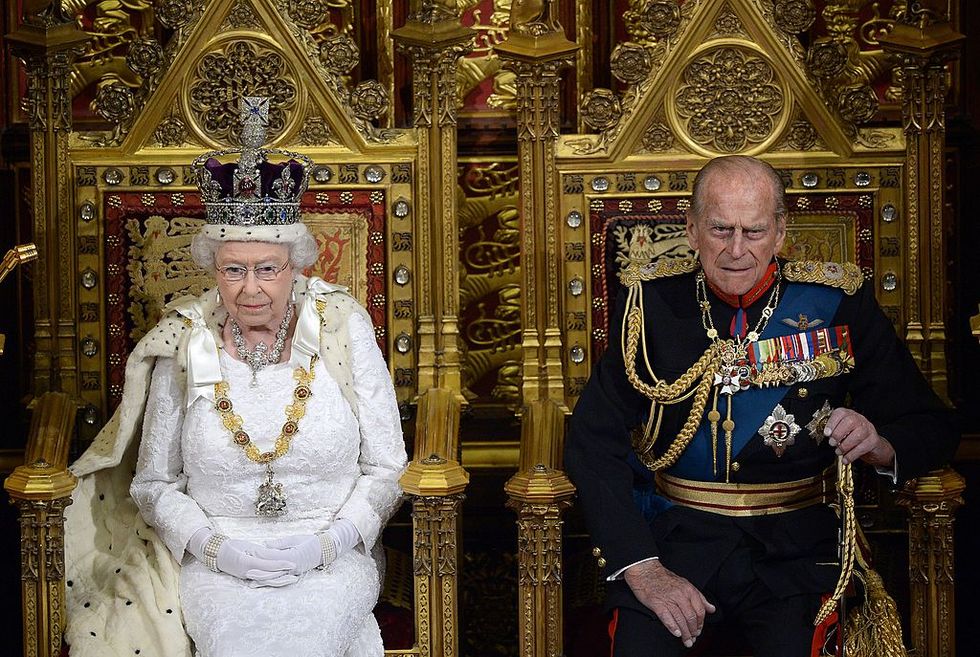
Queen Elizabeth and Prince Phillip

イギリスはイギリス男性をインドに沢山送りました。そして、ほとんどの人たちが数年ほどしかインドに滞在しなかったのですが、入れ替わり立ち替わり次々と新しいイギリス人男性を送り込み、そして、現地妻を作り、妾を作り、はては無闇矢鱈にあちらこちらで強姦することまで奨励したのです。女達を守ろうとしたインド人男性たちは無残に殺されたり片端にされたりしました。1857年に起きたインド独立戦争を前後していかにイギリスの白人たちがインド人女性を強姦したり唆したりして父無し子を産ませたかなどを白人自身が本に買いたり語り伝えたりしています。

उनके औपनिवेशिक काल में ब्रिटन ने कई गोरे लोगों को भारत भेजा था। उनमें से हर एक ने भारत में केवल कुछ हि वर्ष बिताये, परन्तु उस लघुकाल में उनको देशी पत्नी और कई उपस्त्री रखने की प्रेरणा दी जाती थी। देशी स्त्रियों का बलात्कार और उनसे वर्णसंकरित सन्तान का प्रजनन का भी प्रोत्साहन किया जाता था। जिन्होंने देशी स्त्रियों की रक्षा की, उनको निर्दयी मृत्यु या अपाहिज जीवन से दण्डित किया जाता था। १८५७ के युद्ध से पहले और पश्चात्, देशीय लोककथओं और ब्रिटिश सैनिकों के उपन्यासों में बलात्कार या फिर देशी स्त्रियों के साथ अटखेलियों और वर्णसंकर के बहुत उल्लेख हैं।

Britain sent many white men to India during their colonial period. Each of these men stayed only for a few years, but were encouraged to have Indian wives and concubines during their brief stay. They were even encouraged to rape Indian women and produce as many mixed blood offspring as possible. Those who defended Indian women were either brutally killed or were severely crippled. Before and after the War of 1857, many references to rape or casual romances and bastardized offspring with Indian women are mentioned in Indian oral stories and novels written by British soldiers.

すると、白人の血を引いた子どもたちが沢山生まれました。その合いの子たちに、イギリスは特権を与え、純粋なインド人と差をつけました。純粋なインド人達は家畜よりも酷使されている一方で、混血のインド人はインド人同胞たちを酷使するがわにつきました。

ऐसे करने से आंशिक आंग्ल रक्त के कई देशी सन्तान जन्मे। ऐसे बच्चों को विविध विशेष सुविधाएं दी जाती थी, और सामान्य देशी बच्चों से ऊंचा स्तर और व्यवहार प्रदान किया जाता था। जबकि भारत के लोगों से पशुधन से भी नीच व्यवहार किया जाता, इन मिश्रित वर्णसंकर जाति वोलों को आंग्लवंश-रहित लोगों के दमन करने की पदवी पर नियुक्त किया जाता था।

By doing so, many Indian children with partially white blood were born. These children were given various privileges, and were treated better than other children. While the people of India were treated lower than their own livestock, Indians of mixed blood were given the position of mistreating those without white blood.

そして、混血のインド人達は英語環境で育ち、イギリス式のユニークな生活習慣と食事習慣で育ったのです。そのような人たちは、イギリス人の血を引いていない人を軽蔑しました。(インドが独立してから、白人の血をひいたインド人たちの多くはオーストリアやイギリスに移民していきました。それなのに、その後でもしばらくの間インドの国会には2つの議席がイギリス白人の血とインド人の混血に確保されていたのです。)

मिश्रित वर्णसंकरित भारतीय लोगों को सामान्यतः एक आंग्लीकृत परिवेश में पाला-पोसा जाता था, और विशिष्ट आंग्लो-भारतीय खान-पान और रहन-सहन के अभ्यस्त होते थे। वे अपने देशवासियों को नाक ऊँचा करके देखते थे, जिनमें आंग्ल लहू का लेश मात्र नहीं था। (स्वतंत्रता के बाद, इस वर्णसंकरित जाति के कई लोग औष्ट्रेलिया या आंग्लदेश गये, फिर भी कुछ समय तक भारतीय संसद् में उनके लिये दो स्थान आरक्षित हुआ करते थे।)

Indians of mixed blood were typically raised in an English environment, and were accustomed to the food culture and life style unique to Anglo-Indians. They looked down upon their fellow Indians who did not even have a trace of white blood. (After Indian independence, many of these descendants of miscegenation emigrated to Australia or England, but even then for some years, two seats in independent India’s Parliament used to be reserved for these Anglo-Indians.)

Anglo Indians

たとえ、イギリス人の血を引いていないインド人でも、子供を良い地位に就かせようと思ったら、幼い頃から英語環境で育て、イギリスに留学させることに専念しました。特に資産家や教養のある家柄や政治家や弁護士階級は白人至上主義・白人崇拝的に子孫を育てました。

जो भारतीय गोरे वर्णसंकर के नहीं थे, उनमें से भी कई परिवार अपने बच्चों को आंग्लीकृत परिवेश में पाल-पोसकर शिक्षा हेतु आंग्लदेश भेजा करते थे, जिससे कि उनके सन्तान दूसरे भारतीयों से ऊँचा उभर सके और ऊँचे सरकारी या आर्थिक पदों को पा सके। विशेषकर, ऊँचे वर्ग के भारतीय, विद्या-सम्पन्न परिवार, राजनेता, अधिवक्ता इत्यादि अपने सन्तान को गोरा-सर्वोत्तमत्व के पूजक और साधक बनाते थे।

Even those who were not of white lineage, if they wanted to be above everybody else, and wished for their children to assume a high position, they brought up their offspring in an English environment and sent them to England for education. In particular, upper class Indians, highly educated families, politicians, and lawyers, typically raised their offspring to be white supremacists and white worshipers.

ここにラス・ビハリ・ボースとスバス・チャンドラ・ボースとの大きな違いがあるのです。ラス・ビハリ・ボースは幼い頃母を亡くし、父も単身赴任していて親の愛情を十分に受けずに育ちました。そして、父親も単身赴任した位ですから、決して資産家ではありませんでした。教育も西洋に留学するどころか、高等学校そこそこしか受けませんでした。白人至上主義・白人崇拝的に育つはずはありません。

इसी में रास बिहारी बोस और सुभाष चन्द्र बोस का एक बड़ा अन्तर है। रास बिहारी बोस बचपन में माँ खो चुके थे। व्यवसाय के कारण पिता दूर रहते थे। पैत्रिक वात्सल्य के अभाव में बोस पले और बढ़े। जैसा कि आप समझ सकते हैं कि पिता को कमाई के कारण दूर रहना पड़ता था, तो बोस की आर्थिक स्थिति कदापि आरामदायक नहीं थी। प्रौढ शिक्षा के लिये वे आंग्लदेश भी नहीं जा पाये। बड़ी कठिनाई से यहीं पर विद्यालय से ऊत्तीर्ण हुए। गोरा-सर्वोत्तमत्व का पुतला या पूजक बनने की तनिक भी संभावना नहीं थी।

Here lies the great difference between Rash Behari Bose and Subhash Chandra Bose. Rash Behari Bose lost his mother when he was very young. His father was living away from him for work. Bose lived without receiving parental love. As you can guess from the fact that his father had to work in a distant area to earn a living, Bose was not at all financially comfortable. He could not even go to England for education. The best he could do was try to finish high school. There was not even the slightest possibility of him being brought up to be a white supremacist or worshiper.

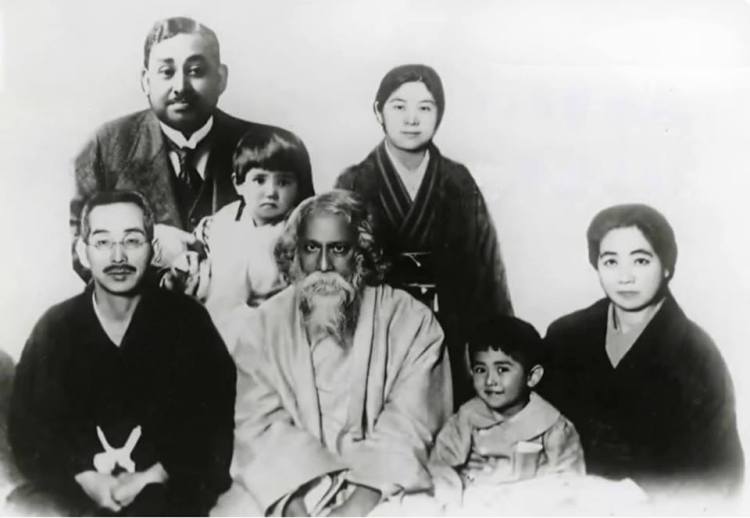
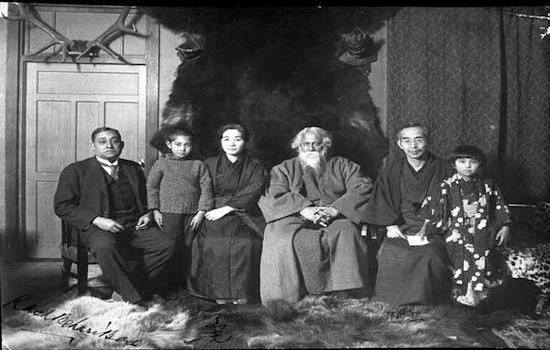
Rash Behari Bose with his family, with Tagore as a guest

一方でスバス・チャンドラ・ボースは父親が弁護士、親戚も学者や権力者揃いの蒼々とした顔ぶれでした。彼自身は幼い頃から英語で育ち、最高教育を受け、イギリスに留学し、弁護士になり、カルカッタ市長に選出され、インド国民会議の議長も勤め上げました。彼はエリート中のエリートなのです。それも、イギリスに仕立て上げられたエリートでした。

दूसरी ओर, सुभाष चन्द्र बोस कुलीन, विशिष्ट अधिकारी बनने के लिये पाले-पोसे गये, पिता अधिवक्ता थे, और बन्धुजन विद्वान्, अधिवक्ता और राजनीतिज्ञ थे। बचपन से आंग्ला में शिक्षण पायी, सर्वश्रेष्ठ उपलब्ध शिक्षा पायी, और प्रौढ शिक्षा के लिये आंग्लदेश गये, अधिवक्ता बने, कोलकाता के महापौर (नगराध्यक्ष) बने, और एक बार इण्डियन नैशनल कांग्रेस के अध्यक्ष भी बने। वे अभिजातीय वर्गे के भी समुन्नत स्तर से थे। अन्य सारी बातों से परे, उनकी समुन्नति का कारण था कि वह ब्रिटिश भारतीय परिवेश से थे।

On the other hand, Subhash Chandra Bose was brought up to be elite, and had a lawyer for a father, and relatives who were scholars, lawyers and politicians. He was educated in English since he was young, received the best possible education, went England for further education, became a lawyer, was chosen as the mayor of Calcutta, and once was the chairperson of the Indian National Congress. He was the elitist of elites. Above all else, his elitism came from being British Indian.

Subhas Chandra Bose with his wife and his close friends

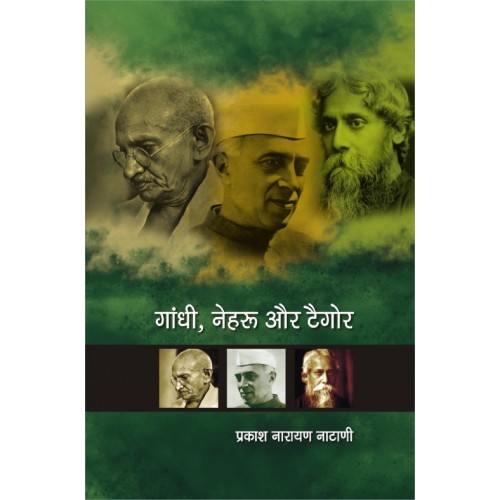
現在世界中が讃えているインド独立の英雄は多くがイギリスに特権を与えられて育った人たちです。ガンジーはイギリスに留学して法律家になった人、ネールは子供の時からスコットランド人の家庭教師に教育されて、家の中では全て英語でした。そして、大学はもちろんイギリスでした。戦時中はイギリス側に立って、日本叩きをしたりして、さかんにラス・ビハリ・ボースのインド独立運動の邪魔をしました。ノーベル賞受賞者としてその権威を使って戦時中に日本叩きを続けたのはタゴールです。ネールもタゴールもイギリスに留学しましたが、タゴールは特に歴代イギリスから特権を与えられた特別な家庭に育ちました。

भारतीय मुक्ति संग्राम के तथाकथित शूरों में से अधिकांश प्रशंसित नेता ब्रिटन द्वारा समर्थित परिवेश से आगे आये थे। गान्धी ब्रिटन में प्रशिक्षित थे और वहीं अधिवक्ता बने। नहरू ने बचपन से एक निजी स्कोटदेशीय अध्यापक से शिक्षा ली, और घर में केवल आंग्ला बोलते थे। विश्वविद्यालयीय शिक्षा आंग्लदेश में पाये। बृहत् पूर्वी एशियाई युद्ध के समय उन्होंने उषाद्वीप का तिरस्कार करने में प्रचण्ड भूमिका निभाई। उषाद्वीप के बारे में कुत्सित कुप्रचार बड़े उत्साह से फैलाते रहे, और रास बिहारी बोस के संग्रामी प्रयास को जोखिम में डालने का पूरा प्रयास किया। नेहरू के संग रवीन्द्रनाथ ठाकुर ने भी जापान-विरोधी अभियान चलाई। ठाकुर के वचन घातक थे, क्योंकि उनको नोबेल पुरस्कार से अलंकृत किया गया था, और इसलिये उनकी लेखनी भारी समझी जाती थी। ठाकुर ऐसे परिवार में जन्मे जो कई पीढ़ियों से ब्रिटिश के चहीते रहे, और उन्होंने भी आंग्लदेश में शिक्षा प्राप्त की।

Most of the so-called heroes of Indian independence who are currently being praised, were brought up in an environment supported by Britain. Gandhi was educated and became a lawyer in Britain. Nehru was educated by a Scottish private tutor since he was very young, and spoke nothing but English at home. He received his university education in England. During the Greater East Asia War, he became extremely active at Japan bashing. He passionately spread nasty propaganda about Japan, and he jeopardized Rash Behari Bose’s independence effort. Tagore also carried out an anti-Japan campaign with Nehru. Tagore’s words were deadly because, as he was a Nobel laureate, he held great authority. Tagore was born into a family that enjoyed special British privileges for generations, and was also educated in England.

Gandhi, Nehru and Tagore

つまり、インド独立運動の英雄として讃えられているのは殆どがココナッツだということです。悲しいことですね。このようにして、世界中に白人至上主義が定着していっているのです。

समाहार यह, कि आजकल भारत के स्वतंत्रता संग्राम के अधिकांश शूर माने जाने वाले लोग वस्तुतः नारियल के निदर्श हैं। क्या यह दयनीय नहीं ? इसी उपाय से गोरा-सर्वोत्तमत्व जग भर में दृढता से जड़ डाल रही है।

In summary, most of those who are presently touted as Indian independence heroes are coconuts. Is this not sad? This is how white supremacy is firmly establishing itself throughout the world.

日本はバナナに侵され、インドはココナッツに侵されています。バナナやココナッツは外見では白人至上主義者だと見破ることが出来ないので厄介ですね。

उषाद्वीपी राष्ट्र को केलों ने बिगाड़ा, और भारत को नारियलों ने। नारियल और केले समस्यात्मक होते हैं, क्योंकि उनके बाहरी आकृति से उनके भीतरी गोरेपन का भान ठीक से नहीं हो पाता।

Japan has been ruined by bananas, and India by coconuts. Coconuts and bananas are problematic since, due to their outward appearance, you can never tell that they are in fact white on the inside.

インド独立連盟本部の住所 (भा.स्व.सं और आ.हि.फ़ौ का पता – The Address of the IIL/INA)

1938年時のラス・ビハリ・ボースの住所は、東京市渋谷区穏田3丁目79番です。ここに、ラス・ビハリ・ボースはインド独立連盟・インド国民軍の本部を置き、そこで活動し、そこで亡くなりました。

१९३८ में रास बिहारी बोस का पता था ७९ ओन्दिन ३ चोमे, शिबुया, तोक्यो, और यहीं पर उन्होंने भारतीय स्वतंत्रता संगठन और आज़ाद हिन्द फ़ौज के मुख्यालय स्थापित किये। इसी पते से बोस ने अपने क्रान्तिकारी गतिविधियाँ चलायी, अन्तिम साँस तक।

In 1938, Rash Behari Bose’s address was 79 Onden 3 chome, Shibuya, Tokyo, and it was here that he established the headquarters of the Indian Independence League and Indian National Army. This was the address where Bose carried out his revolutionary activities and until he passed away.

ラス・ビハリ・ボースの子どもたちは相馬愛蔵・黒光夫妻の家で育ちました。1925年にボースの妻俊子は4歳と2歳の我が子を置いて亡くなりました。ボースの仕事はインド独立運動で、寝る暇も無いほど忙しく活動していました。そんなボースを思って、相馬夫妻は自分たちの孫たちを引き取って面倒見たのです。ボースがインド独立運動に専念出来るようにとの思いやりからでした。

रास बिहारी बौस के सन्तान इस पते पर नहीं रहते थे, किन्तु सोमा आयज़ो और कोक्को के घर पले और बढ़े। १९२५ में बोस की पत्नी तोशिको स्वर्ग को लौटी, और यहाँ ४ और २ बरस के अपने दो बच्चे छोड़ गयी। रास बिहारी बोस का पूर्णकालिक विनियोग भारतीय स्वतंत्रता के लिये संघर्ष हि था, और उस हेतु से वह अथाह कर्म में निरत थे, बिना विश्राम के। यथा बोस इस स्वतंत्रता संघर्ष पर ध्यान केंद्रित कर सकें, तोशिको के देहांत के बाद सोमा कोक्को ने अपने नाती और नातिन को पाल-पोसने का दायित्व अपने सर ले लिया।

Rash Behari Bose’s children did not live at this address, but were brought up at the home of Soma Aizo and Kokko. It was in 1925, that Bose’s wife Toshiko died, survived by her children, aged 4 and 2. Rash Behari Bose’s full time occupation was his fight for Indian independence, and for that, he worked tirelessly, without rest. In order to allow Bose to continue to concentrate on the independence effort, Soma Kokko took responsibility of taking care of her grandchildren after Toshiko’s passing.

この時、ラス・ビハリ・ボースは息子正秀だけを自分の戸籍に残し、娘の哲を相馬夫妻の養女にしました。ラス・ビハリ・ボースはインド独立運動に自分の命をかけていたので、自分がいつ死んでも子どもたちが困らないように心がけていたのです。自分の死後、息子が結婚したりしても男だから独立して立派にやれるだろうが、哲は人並みに親元から嫁に出して人並みに幸せにしてやりたいと願っていました。それには、相馬夫婦が祖父母ではなく、父母であるのが一番だと思ったのです。

उस समय रास बिहारी बोस ने केवल अपने बेटे मासाहिदे के नाम अपने कोसेकि  (कुटुंब पञ्जी) में रखा, और बेटी तेत्सु को सोमा आयज़ो और कोक्को के गोद सौंपा। क्योंकि रास बिहारी बोस ने भारतीय स्वतंत्रता के लिये अपना जीवन समर्पित किया था, सो प्राण को सदा जोखिम था, और वह चाहते थे के उनके संतान का क्षेम उनके मृत्यु पश्चात् भी सुरक्षित रहे। उन्होंने सोचा कि उनका बेटा मासाहिदे बड़े होकर ब्याह रचेंगे, और उनका पैत्रिक नाम आगे बड़ायेंगे। किन्तु जब बेटी तेत्सु का ब्याह होगा, तब वह चाहते थे कि उनके अभिभावक माता-पिता उनका कन्यादान करें, और तेत्सु को अनाथ दुलहन के रूप में खड़ा न होना पड़े। इसलिये उन्होंने सोचा कि यही अच्छा होगा कि आयज़ो और कोक्को नाना-नानी के स्थान तेत्सु के अभिभावक माता-पिता बनकर उनको गोद लें।

At that time, Rash Behari Bose kept only his son, Masahide, in his koseki (family registry), and gave up Tetsu to Soma Aizo and Kokko. As Rash Behari Bose dedicated his life to Indian independence and his life was perpetually at risk, he wanted to make sure that the welfare of his children would be taken care of after he died. He thought his son, Masahide, would get married and carry on his surname. However, when his daughter Tetsu got married, he wanted her to be given away by her parents, rather than getting married as an orphan, and it was for this reason that he thought it best for Tetsu to be adopted by Aizo and Kokko, rather than them remaining as her grandparents.

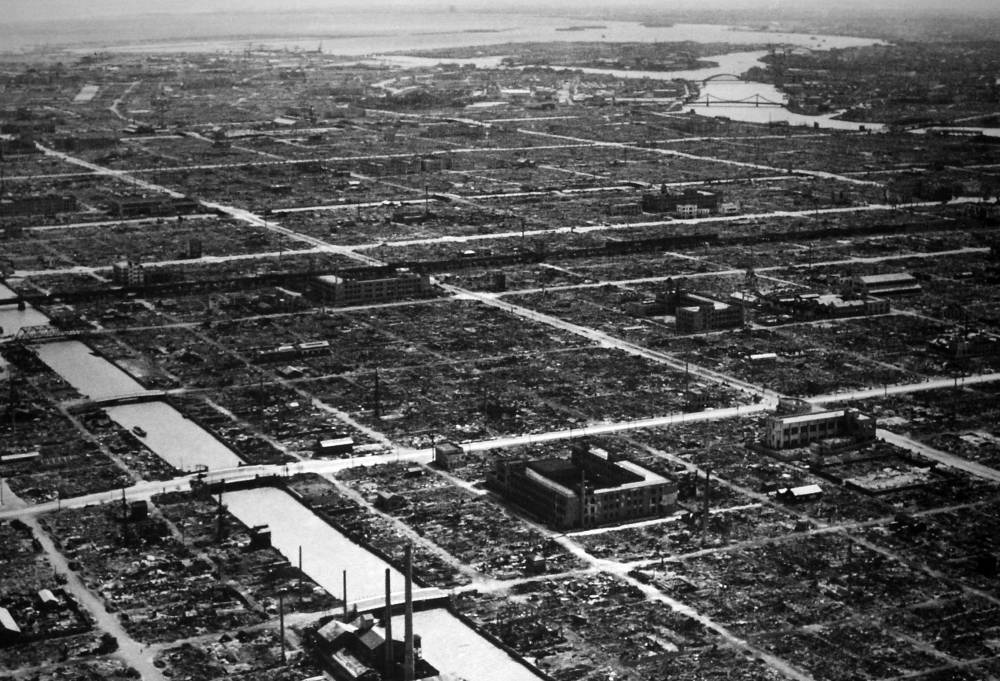
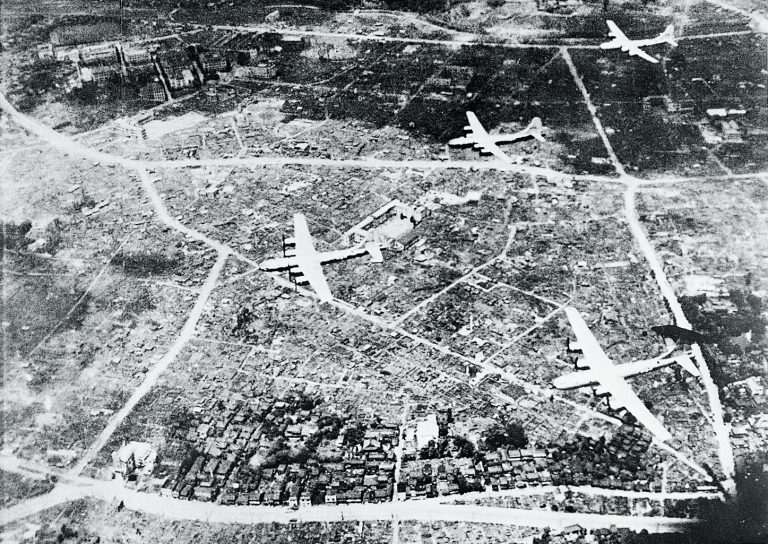
インド独立連盟があった穏田一帯はイギリスとアメリカが爆撃をして焼き尽くされてしまいました。1945年の8月ごろにはその一帯焼け野原でした。インド独立連盟本部があった穏田3丁目は現在の神宮前1丁目あたりです。

ओंदिन, जहाँ पर भा.स्व.सं का मुख्यालय था, ब्रिटन और अमेरिका के प्रचंड कट-बमबारी में पूरी तरह से भस्मसात् हुआ। अगस्त १९४५ में, उस प्रान्त को पूरी तरह से ध्वस्त किया गया। जिस जगह भा.स्व.सं हुआ करता था, वह आज जिंगु-मे १ चोमे के पते से जाना जाता है।

Onden, where the Indian Independence League headquarters, were completely burned down by British and American carpet bombing. In August 1945, the entire area was completely ruined. The place where IIL was is now called Jingu-mae 1 chome.

Tokyo was burned down completely by Britain and America

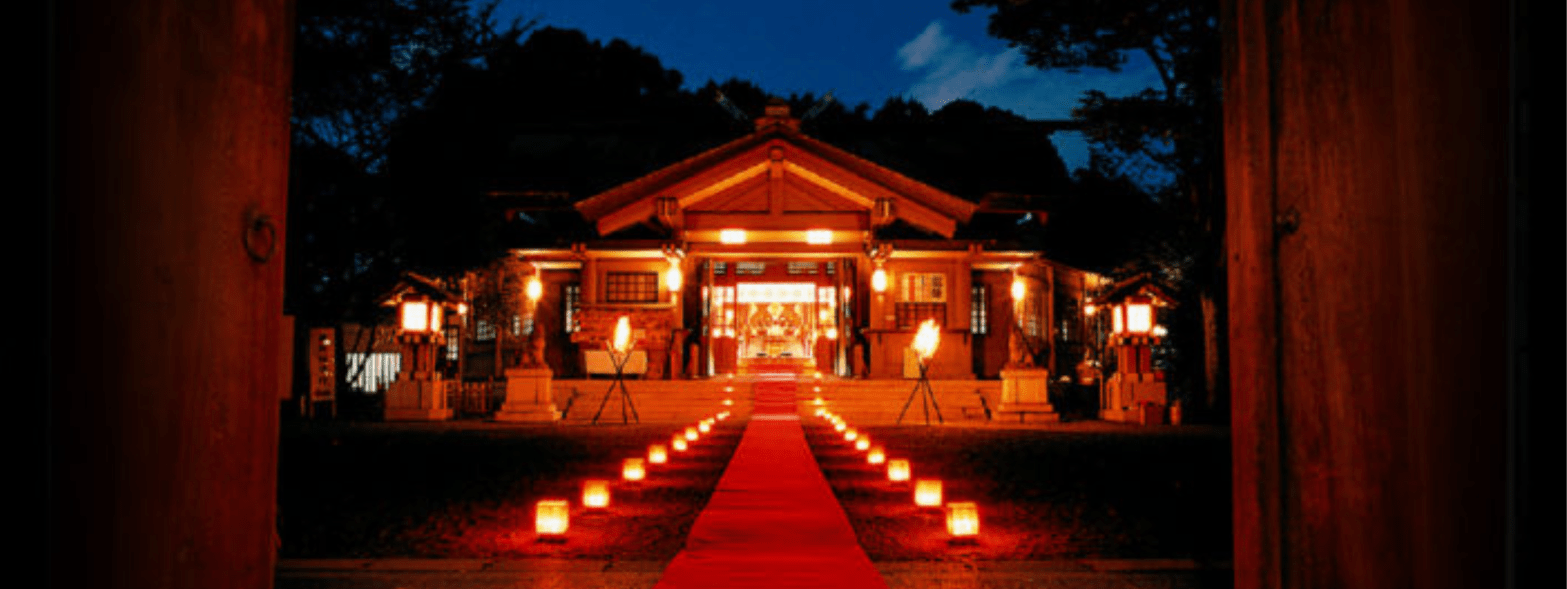
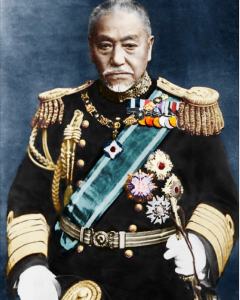
神宮前1丁目には東郷平八郎を祀った東郷神社があります。東郷平八郎は日露戦争で活躍した元帥海軍大将で、世界中で讃えられた軍人です。東郷神社は1937年に地鎮祭を済ませ、1940年に完成しました。その麓にインド独立連盟の本部を置いたラス・ビハリ・ボースの気持ちが慮れます。

जिंगो-मे १ चोमे के पते पर तोगो चैत्य भी स्थित है, जहाँ नौसेनाध्यक्ष तोगो हेयहाचिरो का आदर स्मारक है, जो कि रूस-जापान युद्ध के सबसे श्रेष्ठ सैन्य व्यक्तित्व माने जाते हैं। जैसे कि आप जानते हैं, रूस-जापान युद्ध में उषाद्वीप की विजय एक मुख्य प्रेरक थी कि रास बिहारी बोस जापान आकर अपनी स्वतंत्रता आन्दोलन को वहां से संचालित करें। तोगो चैत्य को वहाँ १९३७ से १९४० के बीच बनाया गया, भा.स्व.सं मुख्यालय के ठीक पास। नौसेनाध्यक्ष तोगो के इतने समीप अपना भा.स्व.सं मुख्यालय का संचालन करते समय बोस की धृति और दृढता को मैं गहराई से अनुभव करती हूँ।

Togo Shrine is also located there, at Jingu 1 chome, where Admiral Togo Heihachiro, the greatest military personnel in the Russo-Japanese War, was respected there. As you already know, the Japanese victory in the Russo-Japanese War was a great incentive for Rash Behari Bose to base his independence activities in Japan. Togo Shrine was constructed there from 1937 to 1940, near to his IIL headquarters. I deeply feel his resoluteness for independence, operating his IIL headquarters so close to Admiral Togo.

Togo Heihachiro
東郷平八郎

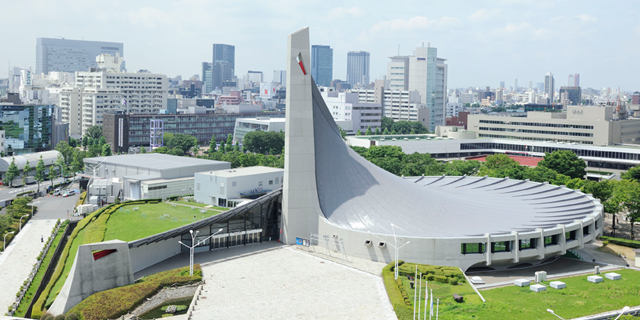
その東郷神社も1945年には空襲で焼きつくされ、再建が叶ったのは1964年、東京オリンピックが開催された年でした。この時、昔の隠田地区に代々木競技場が出来、穏田一帯が整備され、一帯が変貌しました。ボースの子孫と関連があると中島岳志が言っているRBボースビルは、ラス・ビハリ・ボースが身を捧げたインド独立連盟本部があった場所ではないのです。

यह तोगो चैत्य भा.स्व.सं के मुख्यालय के साथ-साथ हि बमबारी में राख हो गया। उसे १९६४ में पुनर्निर्मित किया गया, जिस वर्ष तोक्यो ओलिम्पिक खेल आयोजित हुए। ओन्दिन के समूचे क्षेत्र को उस समय पूर्णतः परिवर्तित किया गया। इस समय वहाँ का सबसे प्रमुख निर्माण योयोगी क्रीडास्थल है। नाकाजीमा ताकेहाशी ने अपने पुस्तक नाकामुराया का बोस  में रास बिहारी बोस के जिस पते का उल्लेख किया है, उस पते का भा.स्व.सं के पुरातन मुख्यालय के स्थान से कोई संबंध नहीं।

This Togo Shrine was burned down completely at the same time as the headquarters of the IIL. It was reconstructed in 1964, the year Tokyo Olympics were held. The entire area of Onden was completely changed at this time. One of most noticeable structures there now is Yoyogi Stadium. The address of the RB Bose building that Nakajima Takeshi writes about in his book, Bose of Nakamuraya, is not related to the place where the IIL headquarters used to be located.

代々木競技場

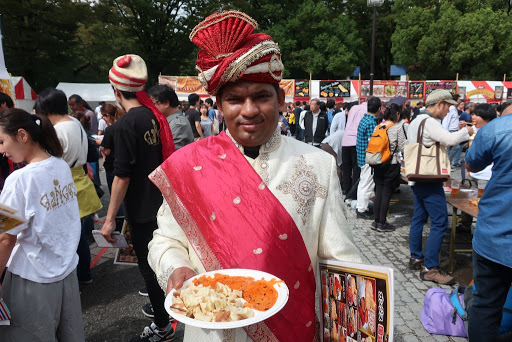
余談ですが、1993年から開催されているインドのお祭りナマステインディアは代々木公園で開催されていますが、ラス・ビハリ・ボースや彼のインド独立連盟と重ねてみると実に感慨深いものです。

यह एक अधिक जानकारी है, कि नमस्ते भारत नामक उत्सव का आयोजन १९९३ से प्रतिवर्ष योयोगी उद्यान में किया गया है। यदि आप इस बारे में सोचे कि ओन्दिन कहाँ हुआ करता था, और  भा.स्व.सं और रास बिहारी बोस से इसका क्या संबंध था, तो इस उत्सव का स्थान अचानक बहुत सार्थक लगता है।

This is one extra note, but the Namaste India festival has been held every year at Yoyogi park since 1993. If you think about where Onden used to be, in relation to the IIL and Rash Behari Bose, the location of this festival suddenly seems very meaningful.

Namaste India

焚書 (फ़ुनशो – मुद्रित लेखजात पर सार्वजनीन निषेध – Funsho: The Banishing of Printed Materials from Public Access)

1945年8月からGHQは日本に進駐占領して、7年間日本を解体しつづけました。日本国民を焼き殺して人口を何分の一かにし、全国を焦土化しただけでは物足りなく、根本から日本を消滅してしまおうという恐ろしい作戦を開始したのです。それは日本国民を無能化して、そのうえに情報戦を展開して歴史を歪曲し、日本人に戦争時の罪悪感を植え付け、お互いを憎み合わせ、お互いを滅ぼし合わせることで、日本を完全に亡くしてしまおうという、人間ではとても考えられない悪魔の所業です。

अगस्त १९४५ में अमेरिका ने उषाद्वीप का अधिग्रहण किया, और अगले सात वर्षों में जापान के चिथड़े करने लगा। अनगिनत निहत्थे उषापुत्रों को सजीव जला कर राख करके उनकी जनसंख्या को पहले से मात्र एक अंश तक घटा चुके थे, और सर्वक्षार नीति के अन्तर्गत समूचे उषाद्वीप को झुलसा कर रख दिया था, पर इससे भी उनको चैन नहीं आया। अब वे उषाद्वीपी पहचान को सत्त्व से बुझाने के लिये भयानक युक्ति के चाल से आगे बढ़े। उन्होंने जापानीयों को मंद-बुद्धि बनाया, एक सूचना-समर चलाई, इतिहास को मरोड़ा, युद्ध में अपनी भूमिका के लिये उषापुत्रों में अपराध बोध और अन्याय करने की भावना को आरोपित किया, और एक-दूसरे से घृणा करवाकर परस्पर विनाश की प्रवृत्ति डाली। ऐसी कैतव पद्धति से, जिसकी कल्पना साधारण मानव मन से परे है, अमेरिका ने उषाद्वीप का पूर्ण निर्मूलन का अथक प्रयास चालू रखा।

In August 1945, America occupied Japan, and over the next seven years, they started to tear Japan into pieces. They were not satisfied that they had already burned unfathomable numbers of Japanese people to death, reducing their population to a mere fraction of its original size, nor that they had transformed all of Japan into nothing more than scorched earth. They now proceeded to use dreadful tactics to extinguish Japan from its very core. They made the Japanese people mentally incompetent, launched an information war and distorted history, implanted the Japanese with feelings of guilt and wrong-doing for their role in the war, and made them hate one another and work to destroy each other. Through such devilish deeds, the likes of which are beyond human imagination, America worked tirelessly to completely eradicate Japan.

日本壊滅作戦は今なお続行しています。日本人は年代を重ねるごとに無能になっていき、戦後7千万ほどあった人口も、日本人は餓死したり、生殖機能が低下したり、原爆病などで年々減少しました。その一方で、大陸や朝鮮半島から大勢の人々が日本にぞくぞく潜入して日本人として、又は在日外国人として日本に住み始めました。海外からの人口流入は止まるところを知りません。

जापान के विनाश की रणनीति आज भी प्रगत हैं। हर नये पीढ़ी के साथ, उषापुत्र अधिक निकम्मे और मिथ्याग्राही बनते जा रहे हैं। अगस्त १९४५ में युद्ध के समाप्ति तक उषापुत्रों की संख्या ७ करोड़ तक घट चुकी थी, परन्तु अनगिनत अधिक लोग दुर्भिक्ष और रोग से मरते रहे। उस बीच, उनकी प्रजनन की क्षमता भी घटने लगी, और आणविक शस्त्रों के उत्तरप्रभाव के अन्तर्गत घाव के कारण हर वर्ष जापानीयों की संख्या घटती रही है। जब कि उषापूत्रों की संख्या घट रही थी, बाहर एशियाई महाद्वीप और विशेषकर कोर्याई प्रायद्वीप से भारी संख्या में लोगों की बाढ़ जापान आ बसी। वे या तो जापानी नागरिक बनकर या तो विदेशी प्रवासी के रूप में जापान में हि बसने लगे। जापान में विदेशियों की रेलपेल आज भी प्रवर्तमान है, बिना रोक-टोक के।

Their strategies for destroying Japan are still in progress to this very day. With every new generation, Japanese are becoming increasingly incompetent and misinformed. By the end of the war in August 1945, the Japanese population had been reduced to 70 million, but countless more continued to die from starvation and illnesses. Meanwhile, their ability to reproduce dropped, and due to the aftereffects of the atomic bombs and severe injuries, the number of Japanese has continued to decrease year after year. While Japanese population was rapidly reducing, great numbers of people flooded into Japan from the Asian continent and from the Korean peninsula, and began living in Japan, either as Japanese or as foreign residents of Japan. The rapid influx of foreigners into Japan continues to go on, without stop.

台湾は1895年4月17日から1945年10月25日まで、そして南北朝鮮は1910年8月29日から1945年9月9日まで日本の一部でした。台湾人も朝鮮人も日本国籍でしたから、当然日本本土に移り住むことも自由でした。日本国内の如何なる仕事につくことも出来、如何なる教育を受けることも出来、軍部の上層部や政府官僚にも台湾人や朝鮮人がたくさんいました。医者や教師や大学教授や法律家にも沢山いたのです。(現在もほとんどが日本に住んでいます。)

१७ अप्रैल १८९५ से लेकर २५ अक्तूबर १९४५ तक ताईवान जापान का अंश था, और उत्तर और दक्षिण कोर्या २९ अगस्त १९१० से ९ सितम्बर १९४५ तक जापान के अन्तरगत थे। उस समय में ताईवानी और कोर्याई वंश के लोग जापानी थे और नागरिकता के अधिकार उनके पास थे। सहज बात है कि उस समय वे स्वेच्छा से जापानी द्वीपसमूह में आकर बस सकते थे। जापान में उनको हर प्रकार की वृत्ति का अवसर था, हर प्रकार की शिक्षा और प्रशिक्षण प्राप्त कर सकते थे, और बहुत सारे ताईवानी और कोर्याई जापान के उच्च सैन्य नायक और सरकारी अधिकारी बने। अन्य बहुत सारे वैद्य, शिक्षक, प्राध्यापक और अधिवक्ता वने। (आज तक इनमें से अधिकांश लोगों की सन्तति जापान में ही बसे हैं।)

Taiwan was part of Japan from April 17, 1895 to October 25, 1945, and North and South Korea were part of Japan from August 29, 1910 to September 9, 1945. During this time, Taiwanese and Koreans were Japanese and held Japanese citizenship. Naturally, they could freely migrate into Japanese archipelago. They were able to secure any type of employment within Japan, get any form of education and training, and many Taiwanese and Koreans became military high commanders and government officials. There were also many who became doctors, teachers, professors, and lawyers. (To this day, most of these people are still living in Japan.)

台湾人と朝鮮人は日本がGHQに占領されてからも、日本に居続け、特別優遇を得ました。そればかりではなく、GHQ占領時、更に日本に入り込むことがGHQから許されたのです。そして、本名を隠して通名を使うことが許され、名前を見ただけでは日本人ではないことが分からないようにして日本に住むことが許されているのです。

जब से अमेरिकीय सैन्य मुख्यालय जापान का शासक बना, जापान में बचे कोर्याई और ताईवानीयों को विशेष, अनुकूल बरताव मिला। किमधिक, अमेरिकीय सैन्य शासन के समय, कई अधिक कोर्याई और ताईमानीयों को जापान आ बसने की अनुमति मिली। उनको अपने वास्तविक नाम छिपाकर त्सुमेयि  का प्रयोग स्वीकारने की अनुमति मिली (उनकी इच्छा का कोई भी जापानी नाम), जिससे कि किसी को उनका नाम मात्र देखकर उनके विदेशी मूल होने का भान न लगे।

Since Japan was occupied by the GHQ, Taiwanese and Koreans remained in Japan and received special favourable treatment. Not only that, but during the GHQ occupation, even many more were permitted by the GHQ to immigrate to Japan. Moreover, they were allowed to hide their real names and live in Japan using tsumei, any Japanese names of their choice, such that no one could know that they were not Japanese simply by looking at their names.

アメリカとイギリスは、「日本人は純粋な民族だ」「日本人は単一言語を話す」というプロパガンダを流しています。実際日本にどのぐらい法外な数の中国人と朝鮮人が1800年後半からぞくぞくと移り住んだかなど絶対に公表させません。それをしようとしたら人種差別だと騒ぐのです。でも、純粋な日本人などほんの僅かしかいないです。

अमेरिका और आंग्लदेश यह कुप्रचार करते रहते हैं कि “जापानी लोग एक जाति के लोग हैं”, “जापानी समाज सर्वतः एक-समान है”, और “जापानी लोग एक हि भाषा बोलते हैं”। उनेहोंने स्वयं जापान पर प्रतिबंध डाला है कि वह विश्व को बताएं कि मध्य-१८०० शताब्दि से किस अनहोनी संख्या में चीनी और कोर्याई लोगों की बाढ़ जापान में आ बसी है। यदि कोई इस बात को बताने का प्रयास करे, तो एक उपद्रव खड़ा कर देते हैं, और उसे जातिवाद और जातिभेद का नाम देकर उस व्यक्ति को तिरस्कृत करते हैं। वास्तव में मूल उषापूत्रों का एक छोटा सा हि समूह शेष रह गया है।

America and England have been actively spreading the propaganda that, “Japanese are a pure race,” “Japan is homogeneous,” and “Japanese people speak only one language.” They ban Japan from revealing just how outrageous a number of Chinese and Koreans have been flooding into Japan since the mid-1800s. If anyone dare to point this out, people kick up a fuss, calling it racial discrimination. However, in reality, there is only a very small number of true Japanese remaining.

外国の脅威に直面する日本

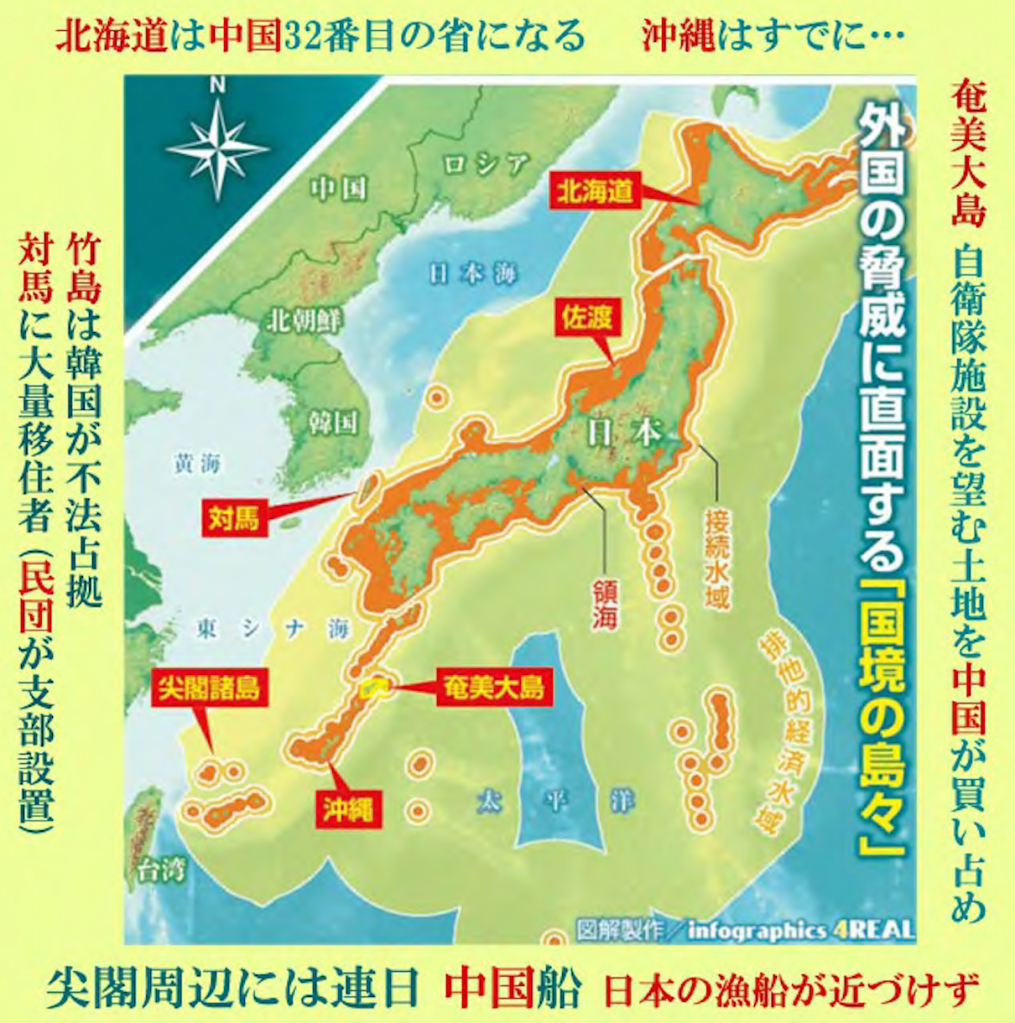
近代以前でも日本へはずっと太古の昔から海外の人たちが侵入し続けていました。地図を見てください。ロシアからも中国からも朝鮮からも簡単に小さな船を使って日本に密入国してくることが可能なのです。特に朝鮮からは最短距離60キロもありません。ギネスブックによると225キロもの海を泳いだ人がいるそうですから、朝鮮から日本に泳いで渡るなどということも可能な距離なのです。

आधुनिक काल से पहले, प्राचीन काल से हि उषाद्वीप में विदेशी प्रवासीयों का तांता निरंतर लगा था। उपरितन मानचित्र पर कृपया दृष्टि पसारें। रूस, चीन या कोर्या से छोटे से नौका में बौठकर जापान में गुप्त प्रवेश करना सुकर बात है। विशेषकर, कोर्या और जापान के बीच के सबसे निकट स्थान पर केवल ६० कि.मी. की दूरी है। ‘गिनिस’ विश्व कीर्तिमानों की लेखा में यह अंकित है कि किसी ने समुद्र में २२५ कि.मी. की दूरी को तैराकी करके लांघ लिया। अर्थात् कोर्या और जापान का मध्यांतर इतना छोटा है कि कोई उसे तैरकर पार कर सकता है।

Before modern times, even since ancient times, foreigners have been continually pouring into Japan. Please look at the map above. It is easily possible to reach Japan from Russia, China and Korea in a small boat and smuggle oneself into the country. In particular, there is less than 60 km between Korea and Japan at the closest point. In the Guinness Book of World Records, it is said that a man swam 225 km in the ocean, meaning that the distance between Korea and Japan is so short that one could even swim across.

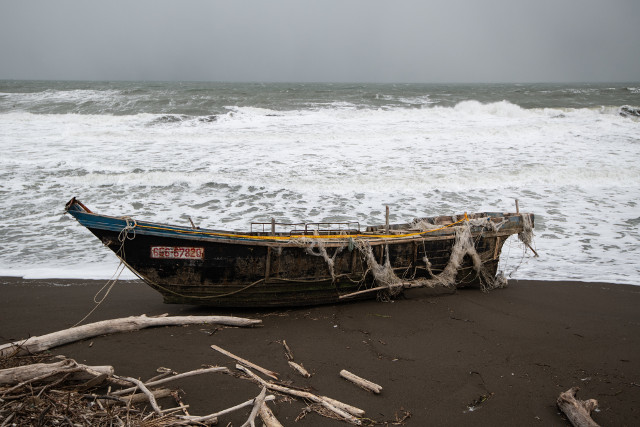
現在でも北朝鮮から日本にボートで忍び込み、日本人を次々に殺しては、死体を抹消し、その日本人になりすますという行為が長い間続いています。背乗りとかなりすましという行為です。日本人を誘拐して朝鮮に監禁し、朝鮮人に日本語と日本の習慣を教えさせたりして日本へ侵入する準備をするのも朝鮮では長い間続いていることです。これはいつ始まったことなのかしりませんが、朝鮮政府が行っている大変古い犯罪行為なのです。

यह सब जानते हैं कि उत्तर कोर्या से आये घुसपैठी जापान में प्रायः नौका से प्रवेश करते हैं। यह अनादि काल से चली आ रही है, और आज भी प्रचलित है। और कोर्याई घुसपैठ बार-बार जापानवासियों की हत्या भी करते थे। वे शवों को पूरी तरह से मिटाते थे, बलि की पहचानपत्र और संपत्ति को हड़पकर जापान में जापानी नागरिक स्वरूप बस जाते थे। उषाद्वीपी भाषा में इसे हाइनोरी  या नारिसुमाशी  कहते हैं। वे जापानीयों का अपहरण भी करके उनको कोर्या में बंधी बनाते हैं, और वहाँ उनसे भावि कोर्याई घुसपैठौं की जापानी भाषा और रहन-सहन का प्रशिक्षण करवाते हैं। ऐसे अपराधी करतूते कोर्या में बहुत लंबे काल से चलते आ रहे हैं। यह कब आरंभ हुआ, इसका किसी को पता नहीं, परन्तु इस अपराधी प्रथा का निर्वहण कोर्याई सरकार और जनसामान्य द्वारा बहुत पहले से होता आ रहा है।

It is well known that North Koreans have been frequently sneaking into Japan by boat. This has been going on since the time immemorial, and continues to present times. The Korean intruders would kill Japanese people one after another. They banish the dead bodies completely, steal the victims identities and properties, and settle in Japan as Japanese. In Japan, this is known as hainori or narisumashi. They also abduct Japanese and confine them in Korea, forcing them to teach Koreans the Japanese language and cultures in preparation for these criminal acts. This has been going on in Korea for a very long time. It is unknown when exactly it first started, but it is a criminal practice that has been carried out by the Korean government and public since very early on.

Many Korean boats arrive in Japan illegally. The passengers disappear into Japanese society, killing Japanese and disguising themselves. This is a long-standing Korean tradition.

日本人の数が減少するにも関わらず、日本の人口はどんどん増えました。終戦前から日本に住んでいる外国人と戦後に入り込んだ外国人とを合わせると、日本に住んでいる人の内、日本人と呼べるような人は30%もいないと言われています。その上に混血もいますから、実際は純粋な日本人など本当に一握りしか残っていません。

उषाद्वीप पर मूल उषापुत्रों की संख्या घटते हुए भी जापान की समग्र जनसंख्या बढ़ रही है। यदि आप युद्ध के अंत से पहले के लोगों की संख्या और युद्ध के अंत के पश्चात् आप्रवासियों की संख्या का संकलन करें, तो वर्तमान जनसंख्या की ३०% से कम लोगों को मूल उषापुत्र कहा जा सकता है। किमधिक, बहुत से लोग मिश्रित जाति के हैं, तो अंततोगत्वा मुट्ठी भर लोगों को हि शुद्ध उषापुत्र कहा जा सकता है।

Despite the fact that the number of Japanese people is decreasing, the population of Japan has been continuously increasing. If you add up the number of people who were living in Japan before the end of the war and the influx of foreigners into Japan following the end of the war, less than 30% of the present population of Japan can truly be called Japanese. On top of that, there are many people of mixed race, meaning that in the end, only a small handful of people are indeed pure Japanese.

終戦時には、台湾も南北朝鮮も日本でしたから、日本軍にも政府にも教育の現場やメディアにも台湾人と朝鮮人が沢山いました。その人達の多くは戦後嬉々としてGHQに手を貸し、日本潰しに協力しました。

युद्ध के विराम के समय, ताईवान और उत्तर और दक्षिण कोर्या जापान के हि अंश थे, जिसका यह अर्थ है कि जापानी सेना, सरकार, शिक्षा-प्रणाली और प्रसार माध्यों में ताईवानी और कोर्याई भरे पड़े थे। युद्ध के उपरांत, इनमें से बहुतों ने तुष्टि से अमेरिकीय सैन्य मुख्यालय से सहयोग करके जापान के पूर्ण विनाश अभियान में हाथ बटाया।

At the time that the war ended, Taiwan and North and South Korea were still part of Japan, which meant that there were many Taiwanese and Koreans in the Japanese military, government, education system, and media. After the war, many of these people happily cooperated with the GHQ and assisted them on their mission to annihilate Japan.

その数え切れない悪事のひとつに焚書と呼ばれるものがあります。1928年1月1日から1929年9月2日の間に、当時刊行されていた220,000タイトルの日本語の刊行物のうち、9,288点の単行本をGHQは選び出しました。そのなかの7,769点を「没収宣伝用刊行物」と指定しました。

अमेरिकीय सैन्य मुख्यालय के असंख्य कुकर्मों में से एक था फ़ुनशो  (मुद्रित लेखजात के सार्वजनिक अभिगम पर निषेध)। १ जनवरी १९२८ से लेकर २ सितम्बर १९२९ तक के कालावधि में छप रहे २,२०,००० जापानी कृतियों में से अ.सै.मु. ने ९,२८८ शीर्शक चुने। उनमें से ७,७६९ शीर्शकों को दुष्प्रचार की सामग्री होने के आधार पर समपहार के लिये सूचिबद्ध किया गया। वस्तुतः इन सामग्री को जापान ने कभी प्रचार के लिये उपयोग नहीं किया था, और अमेरिका ने उनको ऐसा केवल इसलिये कलंकित किया कि इस व्याज से उनमें लिखे तथ्यों को छिपाया जा सके।

Among the GHQ’s incalculable wicked deeds was the funsho (the Banishing of Printed Materials from Public Access). From January 1, 1928 to September 2, 1929, among the 220,000 Japanese works that were in publication at that time, the GHQ selected 9,288 titles. Among them, 7769 titles were listed for confiscation under the premise of being materials used for propaganda. However, the truth is that these materials were never used by Japan for propaganda, and America only labelled them that way as an excuse for concealing the truths contained within.

GHQは日本政府にこれらの本の没収を要請しました。中心になってアメリカに協力したのは東京大学文学部です。その行為に参加した人は刑法学者であったり、のちの文化勲章受賞者や日本学士院会員でした。

अ.सै.मु. ने अनुरोध किया कि जापान सरकार इन पुस्तकों के सारे प्रतियों को राज्यसात् करे। इसमें अमेरिका का एक मुख्य सहयोगी तोक्यो विश्वविद्यालय की कला संकाय थी। इस समपहार में हाथ बटाने वालों में अपराधी विधिज्ञ, बुनका कुनशो  के प्राप्तकर्ता (सासंकृतिक श्रेय का वर्ग नामक बिरुद), और जापान विद्यापरिषद् के सदस्य सम्मिलित थे।

The GHQ demanded that the Japanese government confiscate all copies of these books. One of the main collaborators with America was the School of Arts at University of Tokyo. Those who assisted this effort included criminal jurists, recipients of the Bunka Kunshō (Order of Cultural Merit), and members of the Japan Academy.

焚書の実行というのはかなり複雑です。印刷物を一冊残さずに燃やしてしまうなど不可能に近いことですから。進駐軍はまず「没収宣伝用刊行物」つまり「危険刊行物」という名目で没収し、アメリカに送ります。その一方でアメリカ人は日本人に虐殺や強姦などを繰り返し恐怖を感じさせます。その「危険」と「恐怖」が頭の中で重なった時、日本人は自らその「危険刊行物」を処分してしまいます。そんな風にして書物が日本人の目に入らないようにされたのですが、それでも、空襲で焼け残った焚書対象物はまだ古い図書館の片隅に埋もれていたり、古書となって入手可能になっていることもあります。私は地道に本を探し、ラス・ビハリ・ボースの本を何冊も入手しました。「没収宣伝用刊行物」は7,769とも言われますが、それは数えることが出来たものだけのことですから、実際はもっとずっと多いのだと思います。ラス・ビハリ・ボースや日本で活動したインド独立の志士の刊行物は多分アメリカの書庫に隠されているのでしょう。

स्वभावतः, फ़ुनशो  को लागू करना जटिल था। मूलतः, अमेरिका उन्हें ‘संभावित हानिकारक’ कलंकित करके अपने देश प्रेषित कर देता है। परन्तु, क्योंकि उन पुस्तकों के कई प्रतियां बिखरे पड़े हैं, सो अमेरिका उन सारों को जला नहीं सकता। प्रयोजन यह था कि अमेरिका के नाम में उन्हें ‘हानिकारक’ बताकर, उसी समय जापानवासीयों की हत्याएं, बलात्कारें और सामान्य रीत से डराने की चेष्टाएं जारी रखते हुए, शायद उनकी यह अपेक्षा रही कि देशी क्षेत्र में बसे जापानी स्वयं हि अपने पास बचे प्रतियों को नष्ट कर देंगे। किन्तु स्वभावतः कई प्रतियां कुछ ग्रन्थालयों के कोनों में सुरक्षित रहे, जो ग्रन्थालय सर्वव्यापी बमबारी से बच निकले। ऐसे प्रतियों की कष्ट-भरी खोज से हि रास बिहारी बोस के निषिद्ध कृतियां मेरे हाथ आये। अपितु यह एक पहाड़-समान बोझल कार्य है। हम शीर्शकों की ठीक गिनती भी नहीं जानते। मैंने ७,७६९ गिने। परन्तु जो अदृश्य है, उसे कैसे गिना जा सकता ? यह पूर्णतः संभव है कि अमेरिका की बंध-रक्षण में रास बिहारी बोस और अन्य भारतीय मुक्ति योधाओं (जो कि उषाद्वीप से आन्दोलन चला रहे थे) के ऐसे प्रतिबंधित लेख हैं जिनका प्रसार सीमित है, और जिनके बारे में हमें पता न हो।

Implementing Funsho is complicated, of course. Basically, the US labels them ‘potentially dangerous’ and ships them to US. But, as there are many copies around, they cannot burn them all. The idea is that by labeling them ‘dangerous’ in the name of America, and at the same time killing, raping and frightening Japanese, they expected the Japanese to destroy any copies left with them all over the countryside. But, of course, many copies did survive in the corners of libraries, if they survived through carpet bombings. It was through painstaking searches for such books that I was able to procure copies of Ras Behari Bose’s works. However, it is massive work. We don’t even know the exact number of titles. I counted 7,769. But we can’t count what we can’t see. It is entirely possible that the US has copies of some works of Ras Behari Bose and other Indian freedom fighters (who were based in Japan) in restricted circulation that we don’t know about.

膨大な数の焚書図書(日本人の目前から消失してしまった文献)はアメリカに持ち去られ、現在でもアメリカの特別な図書館に封印されています。日本人が目にすることが困難なその図書はアメリカ人ならば容易にアクセス出来、それを捻って作ったプロパガンダを使って日本を情報戦で攻撃してきます。

फ़ुनशो  के अधीन सूचिबद्ध सैंकड़ों पुस्तकों को (जो कि उषाद्वीप से ओझिल हो गये) अमेरिका ले जाया गया, और आज तक अमेरिका में एक विशेष ग्रन्थालय में बद्ध रखे हैं। यह सामग्री, जो उषापुत्रों के लिये दुर्गम हैं, अमेरिकीयों के लिये अनायास हि उपलब्ध किये जाते हैं। वे इन पुस्तकों की विषयवस्तु को मरोड़कर कपट से कुप्रचार रचते हैं, और जापान पर सूचना-समर के चलते निरंतर प्रहार करते जाते हैं।

A colossal number of books that had been listed for funsho (which almost completely vanished from Japan) were taken to America, and to this day, remain stored away in a special library in America. These materials, which are difficult for Japanese to access, are easily available to Americans. They craftily create propaganda by twisting the contents of these materials, and continue to attack Japan with their information war.

その焚書になった本の中にラス・ビハリ・ボースの著書が入っています。ラス・ビハリ・ボースについて書かれた本も沢山入っています。つまり、ラス・ビハリ・ボースはイギリスやアメリカの手で作為的に焼き消されたのです。

रास बिहारी बोस रचित पुस्तकों को फ़ुनशो  के अधीन खींचे गये सामग्रीयों की सूची में डाला गया था। दूसरे शब्दों में, अमेरिका और ब्रिटन ने रास बिहारी बोस की लिखी वाक् को मिटाना चाहा।

Rash Behari Bose’s books were included on the list of materials which went through funsho. In other words, America and Britain tried to erase the words that Bose had left us.

GHQに劣化された語学力しかもたない現在の日本の若者たちはラス・ビハリ・ボースの本が読みこなせません。ましてや、インドの若者にとっては気が遠くなるほどの難問です。そして、皆、英語の文献に頼ってインド独立運動を理解します。このようにして、アメリカやイギリスを正当化し日本とインドを貶める歴史が出来上がったわけです。

जापान की युवा पीढ़ी, जो बिगड़ी हुई भाषा कौशल के साथ बैठे हैं (जिसे अ.सै.मु. ने सुनियोजित पद्धति से बिगाड़ा है), अब रास बिहारी बोस की जापानी लेखों को पढ़ने में सक्षम नहीं रहे। इसके अतिरिक्त, भारतीय युवा को इन प्रलेखों को पढ़ाना भी असंभव लगता है। अपने हि मुक्ति आंदोलन के बारे में पढ़ने के लिये उनकी जनता केवल आंग्ला भाषा में रचित प्रकाशनों पर निर्भर है। इस प्रकार, एक यूरोप-केंद्रित इतिहास को रचा गया है, जिससे कि अमेरिका और आंग्लदेश को औचित्य दिलाया जाये और उषाद्वीप और भारत पर लांछन लगाया जा सके।

The young generations of Japanese who are left only with the deteriorated language ability that was deliberately corroded by the GHQ, are not able to read the Japanese writings of Rash Behari Bose. Furthermore, reading such documents looks impossible for Indian youths. Their public rely only on English publications for learning about the Indian independence movement. It is in this manner that a Eurocentric history has been crafted to justify America and England and to vilify Japan and India.

ボースに導かれて (बोस द्वारा प्रेरित – Guided by Bose)

少し私のお話をしましょうね。私は日本生まれの日本育ちなのですが、1975年からはイギリスに、1980年からはカナダに住んでいて、もうとっくの昔にカナダ人になっています。つまり、植民地統治者達の悪の巣窟で、イギリスやアメリカを完全崇拝する社会で、その中の一員として人生の殆どを生きてきました。

मैं आपको अपने बारे में कुछ बताऊँ। मैं उषाद्वीप में जन्मी और पली, पर १९७५ ईसवी में आंग्लदेश प्रावस करके १९८० से कानाडा में रह रही हूँ। बहुत समय बीते मैं कानाडा की नागरिक बन चुकी हूँ। दूसरे शब्दों में,  मैंने अपना अधिकांश जीवन उपनिवेशवादियों के माँद में बीता है, ऐसे लोगों के संगति में जो आंग्लदेश और अमेरिका से स्पृहा रखते हैं, उसे पूजते हैं, और जिनकी सोच में गोरे लोगों की संस्कृति विश्व की सबसे श्रेष्ठ संस्कृति है।

I will now tell you a little about myself. I was born and raised in Japan, but I moved to England in 1975, and have been living in Canada since 1980. It was a very long time ago that I became a Canadian citizen. In other words, I have lived the majority of my life in the lair of colonizers, surrounded by people who worship and adore England and America, and who regard whites as having the world’s most superior culture.

ここカナダはイギリスの植民地政策でできた国ですからインド人(特にシク族)が多いのですが、インド人との付き合いはあまりありません。カナダはモザイク文化と言われて、異なった人種たちは交じわらないのが普通なのです。

कानाडा, जहाँ मैं सम्प्रति वास करती हूँ, आंग्लदेश के उपनिवेश के रूप में बना था, सो यहाँ भारतमूल के लोगों (विशेषकर सिक्खों) का एक बड़ा समुदाय है। तथापि यहाँ के देशियों से मेरा सीधा सम्पर्क बहुत न्यून हि है। कानाडा एक पच्चीकारी समाज है, अर्थात् यद्यपि यहाँ पर जातियों और संस्कृतियों का महान् वैविध्य है, तथापि वे सभी मिले-जुले बिना अपने समुदाय के परिधि में रहते हैं।

Canada, where I presently live, was created as a colony of England, and so there is a very large population of Indians (particularly Sikhs). Despite this, I have very little direct contact with any Indians here. Canada is a mosaic culture, meaning that even though there is great diversity in race and culture, they stay within their own communities, without mixing.

そんな私ですが、2010年に、ヨガとか仏教とかいったような理由ではなく、単に言語学的な興味からサンスクリット語を学び始めました。そこからインドを学ぶようになりました。主にサンスクリットの文献から始まって、歴史、文化、政治といったような流れで少しずつインドに慣れ親しんでいっています。

२०१० में मैंने संस्कृत भाषा का अध्ययन आरंभ किया, किन्तु इसका कारण योग या बौद्ध मत नहीं था, जिस से यहाँ इस भाषा का साधारण संबन्ध मिलता है, अपितु केवल भाषा की रुचि ही कारण था। इसके माध्यम से धीरे धीरे भारत के बारे में मेरी जान-पहचान बढ़ी। पहले पहल, मेरा ध्यान केवल संस्कृत वाङ्मय पर केन्द्रित था, परन्तु थोड़ा-थोड़ा करके मैं भारत के इतिहास, संस्कृति और राजनीति से परिचित होने लगी।

In 2010, I began studying Sanskrit, but it was not through the usual connection of yoga or Buddhism, but simply because of my interest in the language itself. Through this, I came to also begin to learn about India. At first, my main focus was on studying Sanskrit literature, but little by little, I grew familiar with the history, culture, and politics of India.

2016年10月31日にインド系アメリカの友達のカール・クレメンスさんから、ラス・ビハリ・ボースの書いた本を翻訳したらどうかという提案がありました。当時、私はラス・ビハリ・ボースとスバス・チャンドラ・ボースが同じような人間だと思ったし、実際に二人を分けて考えることが出来ませんでした。とりあえずラス・ビハリ・ボースのことを学ぶのは中島岳志の本が一番だと思って本を注文しました。

३१ अक्तूबर, २०१६ को मेरे एक भारतीय मूल के अमेरिकीय मित्र, कार्ल क्लेमन्स, ने मुझसे रास बिहारी बोस के जापानी कृतियों का अनुवाद करने का सुझाव दिया। उस समय मेरे चित्त में रास बिहारी बोस और सुभाष चन्द्र बोस के व्यक्तित्व गूथे हुए थे, और दोनों में स्पष्ट अन्तर भी नहीं कर पाती थी। सच तो यह है कि मैंने सोचा था कि नाकाजीमा ताकेहाशी का लिखा ‘नाकामुराया का बोस ’ पढ़कर रास बिहारी बोस का सबसे बढ़िया परिचय मिलेगा, और तुरंत वह पुस्तक मंगवायी थी।

On October 31, 2016, my friend Carl Clemens, who is an American of Indian descent, asked me whether I would be interested in translating the publications of Rash Behari Bose. At that time, I overlapped Rash Behari Bose and Subhas Chandra Bose with one another, and was not even able to clearly distinguish them within my mind. In fact, I even thought that the best way to introduce myself to Rash Behari Bose would be through Nakajima Takeshi’s publication, and immediately placed an order for his book, Bose of Nakamuraya.

ネットユーザーの中でラス・ビハリ・ボースの専門家として知られるサスワティ・サルカルさんたちのブログは全て読みました。そして11月いっぱいインターネットで彼女たちが言う「二人のボース」について調べましたが、その時私が想像していた内容とほぼ一致していました。私は知らず知らずのうちに洗脳されていたのですね。

मैंने शाश्वती सरकार और उनके साथियों के सारे जालवृत्तियां पढ़ीं, क्योंकि वे जालगत समुदाय में रास बिहारी बोस पर सर्वश्रेष्ठ आप्त अधिकारी माने जाते थे। उस वर्ष के नवंबर, मैंने रास बिहारी बोस और सुभाष चन्द्र बोस के बारे सारे जालगत लेखों का शोध किया, और पाया कि उनमें से अधिकांश लेखजात मेरे विद्यमान विचारों से मिलते-जुलते थे। अब ऐसा लगता है कि उस समय अनजाने हि मेरे चित्त का पूरी तरह से मतारोपण हो चुका था।

I read all the online blog entries by Saswati Sarkar, et.al., who had a reputation as one of the top authorities on Rash Behari Bose amongst the online community. I spent that November studying about Rash Behari Bose and Subhas Chandra Bose online, and found that most of the materials online largely coincided with what I was already thinking. It seems that all that time, I had been brainwashed without my even knowing it.

11月のうちに2017年1月に開かれるスバス・チャンドラ・ボースの生誕祭に出席することに決めました。生誕祭の直後に、中村屋に行って直接ボースの子孫に合う手配をお願いしようとわざわざ日本まででかけて行ったのです。そうすれば、ラス・ビハリ・ボースの研究に情熱を持てるかと思ったからです。なにせ、私はラス・ビハリ・ボースには全然興味のない世界に住んでいましたからね。その頃はまだプロパガンダに振り回されていて、今一般に出回っている出鱈目が事実だと私も信じていたのですよ。

उस नवंबर मास, मैंने ठान ली कि मैं जनवरी २०१७ में तोक्यो में आयोजित सुभाष चंद्र बोस की जन्म जयन्ती जाकर मनाऊंगी। उत्सव के बाद, मेरी कामना थी कि नाकामुराया जाकर रास बिहारी बोस के सन्तति से स्वयं मिल लूं, और इस योजना के साथ मैं दूर उषाद्वीप चल बसी। मेरी धारणा थी कि ऐसा करने से रास बिहारी बोस के विषय में शोधकार्य के लिये मेरे अन्दर आग को भड़कावा मिलेगा। यतोहि, मैं एक ऐसे जग में रहती हूं जहाँ इस व्यक्तित्व में किसी की कोई अभिरुचि न रही। उस समय मैं भी दुष्प्रचार की कठपुतली थी, और जनसामान्य में प्रसार्यमान सारी कथाओं पर मैं भरोसा करती थी, जो कि आगे जाकर झूठ विदित हुए।

That November, I decided that I would attend the birthday anniversary in celebration of Subhas Chandra Bose that was going to be held in Tokyo in January 2017. After the event, I planned to go to Nakamuraya and request to meet Rash Behari Bose’s descendants in person, and with this, I traveled all the way to Japan. By doing so, I believed that I could strengthen my passion for my research on Rash Behari Bose. After all, I am living in a world that has absolutely zero interest in him. At the time, I was still being swung about by propaganda, and I believed the statements that are being widely broadcast to the public, which I later discovered are largely false.

私は日本滞在中に国立国会図書館に行ったり、ナイルレストランを訪れたりして、データを集めました。そして、当時の新聞にも目を通しました。古本屋をあさって苦労して原本も買い求めました。

जापान यात्रा के समय, मैं सूचना संगृहीत करने राष्ट्रिय दायित्त ग्रन्थालय गयी, और नायर उपाहारघर भी। उस काल के वार्तापत्र पढ़ी, और कीनकर संगृहीत करने होतु पुराने पुस्तकों के मूल प्रतियों को बड़े लगन से ढूँढी।

While I was in Japan, I went to the National Diet Library and also visited Nair Restaurant to collect data. I read newspaper articles from that time, and I put in great effort to search for original copies of old books to purchase and collect them.

カナダに戻ってからは、ラス・ビハリ・ボースの本を7冊現代語訳をしました。彼による英語の出版物も読みました。A.M.ナイルの本を英語と日本語で読み比べ、シバラムの本を読み、相馬黒光と安雄の本、樋口哲の本、頭山満その他ありとあらゆる人の本も読みました。その上で英語の出版物と比較しました。その時から現在までの約3年の間に6回程日本に情報集めに行きました。

कनेडा लौटने पर मैं ने रास बिहारी बोस के सात पुस्तकों का आधुनिक जापानी भाषा में अनुवाद किया (वे पुरातल शैली के जापानी भाषा और लिपि में लिखे थे)। उनके आंग्ला लेखों को पढ़ी। फिर मैं ने ऐ.मा.नायर के पुस्तक की आंग्ला और जापानी संस्करण, दोनो को पढ़कर उनका मिलान किया। मैंने शिवराम, सोमा कोक्को, हिगुची तेत्सो, तोयामा मित्सुरु और अन्य बहुत सारे लेखकों के प्रकाशन पढ़े। इसके अतिरिक्त, आंग्ला में लिखे कई निबन्ध और पुस्तकें पढ़ी। इस समय से लेकर अब तक मैं ६ बार उषाद्वीप जा चुकी हूँ।

After returning to Canada, I translated seven of Rash Behari Bose’s books into modern Japanese (They were written in old style Japanese language and script). I read his writings written in English. I also read both the English and Japanese version of A.M. Nair’s book, and compared them with each other. I read the publications of Shivaram, Sо̄ma Kokkо̄, Higuchi Tetsu, Tо̄yama Mitsuru, and several others. In addition, I read many articles written in English and other books about him. Between then and now, I have visited Japan six times.

そうすることで私なりのラス・ビハリ・ボース象が出来あがりました。2018年11月には私が調べ上げた内容をキンドル本に仕上げて出版しました。2019年4月と6月には英語版を出版してもらいました。

इस सारे लगन के बाद, रास बिहारी बोस वास्तव में कौन थे – इसका मुझे विशद चित्र प्रकट होने लगा। नवंबर २०१८ में, सारे सूचनांशों का संकलन करने के पश्चात्, मैंने आमाज़ोन किंडल (Amazon Kindle) पर पहले तीन अंक प्रकाशित किये। अप्रैल और जून २०१९ में आंग्ला संस्करण के भी पहले दो अंक किंडल पर उपलब्ध हुए।

After all this effort, I was able to gain a clear image of just who Rash Behari Bose truly was. In November of 2018, after compiling all the data that I had gathered, I published my first three volumes on Amazon Kindle. In April and June of 2019, the first two volumes of the English translation were also published on Kindle.

私が発見した超人物としか言えないほど素晴らしいラス・ビハリ・ボースを知ることが出来るのだということにインド人が感激し、インド人としての誇りを新たにするのかと思ったらそれは大きな間違いでした。

पहले मैं सोच रही थी कि मैं भारतीय जनसामान्य को इस अलौकिक पुरुष की सच्चाई अर्पित कर सकूंगी, जो कुछ मेरे परिज्ञान में आया है। मैंने सोचा था कि वे इससे सीख पाकर अपने भारतीय होने का मूल गौरव पुनः अनुभव कर पायेंगे, परन्तु यह मेरी गंभीर भ्रांति थी।

Initially, I thought that I could deliver to the Indian public the truth of this superhuman that I had discovered. I thought that they could learn about him and regain their true pride as Indians, but I was gravely mistaken.

ラス・ビハリ・ボースを知りたいという人の殆どの人が、真実を知りたいのではなく、ラス・ビハリ・ボースをスバス・チャンドラ・ボースを褒め称える道具にしたいだけだったのです。「本当のことを言うと、ラス・ビハリ・ボースはスバス・チャンドラ・ボースなどとは全然比較にならないほど偉大な人間なのだ」などという真実は耳が腐っても聞きたくないのです。

रास बिहारी बोस के बारे में जानने के इच्छुक वास्तव में सच्चाई नहीं जानना चाहते है, अपितु केवल उनको साधन बनाकर सुभाष चंद्र बोस की स्तुति करना चाहते है। ये लोग कुछ वक्तव्यों को सुनने पर कड़ी आपत्ति जताते हैं जैसे, “रास बिहारी बोस इतने प्रभावशाली व्यक्ति थे कि उनको सुभाष चंद्र बोस वाले समान श्रेणी में रखा नहीं जा सकता।”

Most of the people who want to learn about Rash Behari Bose do not really wish to know the the truth, but only want to use him as a tool for praising Subhas Chandra Bose. They gravely object to hearing such statements as, “Rash Behari Bose was such a momentous figure that he can be placed nowhere near the same category as Subhas Chandra Bose.”

その程度の価値観ですから、「キンドルブックならば読みたくないので本になるまで待つ」という言い訳をする人がほとんどでした。結局はインド人にとって、ラス・ビハリ・ボースのことなどどうでも良かったのです。私としてはこれ以上経費を使うのは意味がないと判断しました。キンドルでは読まないというのならこちらが努力するのは無駄なのだと思って、翻訳を中断して他のことに集中することにしました。

क्योंकि यही इनके मान्यताएं हैं, वे टाल-मटोल करने लगते हैं, जैसे, “यदि किंडल पर हि है तो मैं पढ़ना नहीं चाहता, सो कागद पर छपने तक ठहरूंगा।” वस्तुतः यह सामने आया कि भारतीय जनता स्वयं रास बिहारी बोस के बारे में जानने की रुचि हि नहीं रखते। यह जानकर मैं ने निश्चय किया कि इससे अधिक निजी व्यय शायद अनावश्यक है। यदि उनकी आसक्ति इतना छिछला था कि ऐसे अनमोल विषयवस्तु को केवल इसलिये नहीं पढ़ेंगे कि वह किंडल पर है, तो मुझे लगा कि मेरी लगन व्यर्थ थी। मैंने अनुवाद रोक दिये और दूसरे कार्यों पर ध्यान देना आरंभ किया।

Because these are their values, they make such excuses as, “If it’s a Kindle book, I don’t want to read it, so I will wait until it is published on paper.” In reality, it turned out that the Indian public is not interested in Rash Behari Bose at all. Discovering this, I decided that there was no point in me going to such unnecessary personal expense. If their interest was so shallow that they would not even read such precious information simply because it was published on Kindle, I realized that my efforts were wasted. I stopped the translations and focused on other endeavors.

昨年から今年にかけて二度日本に行った時、ラス・ビハリ・ボースを通して日本に住んでいるインド人三人と友好を深めたのですが、会ったその場所が面白かったので、地図に印をつけてみました。

पिछले अगस्त से लेकर इस वर्ष के आरंभ तक, मैं दो बार जापान जाकर आ चुकी हूँ, और रास बिहारी बोस के माध्यम से मैंने उषाद्वीप में बसे तीन भारतीयों से घनिष्ठ मैत्री बना ली। जिन स्थानों पर हम मिले थे, उनकी स्थिति संयोगवश रोचक हैं, सो मैंने उनको ऊपर मानचित्र पर दिखाया है।

Between August of last year and the beginning of this year, I have visited Japan twice, and through Rash Behari Bose, I was able to form a close friendship with three Indians living in Japan. The locations at which we met were intriguing, so I have mapped them out.

この地図の中で赤黒いバルーンはラス・ビハリ・ボース自身にいわれあるところです。彼の家(IIL/INA総司令部)、葬式があった増上寺、彼のお墓がある多磨霊園です。赤いのはラマチャンドラさんと会ったところ(その中の一回は天竺祭)、オレンジはラジェッシュさんと会った所(その中の一回はナマステインディア)、緑のはロハンさんと会った所(その中の一回はインド愛国者の集い)です。

मानचित्र पर गहरे लाल वागोलों से रास बिहारी बोस से संबंधी स्थानों को दिखाया गया है। उनका घर (भा.स्व.सं और आ.हिं.फ़ौ के मुख्यालय), ज़ोजोजी देवालय, जहाँ उनके अन्तिम संस्कार हुए, और तामा समाधिस्थान जहाँ उनकी समाधि है। लाल वागोलों से वह जगह अंकित हैं जहाँ मैं रामचंद्र से मिली (एक बार तेंजिकु उत्सव में), नारंगी वागोलों से राजेश के मिलनस्थान (एक बार ‘नमस्ते भारत उत्सव’ में), और हरे वागोलों से रोहण के दर्शन के स्थल (एक बार ‘भारतीय देशभक्त उत्सव’ में)।

The dark red balloons on the above map indicate spots that are relevant to Rash Behari Bose. His home (the headquarters of the IIL and the INA), Zо̄joji Temple where his funeral was held, and Tama Cemetery where his tomb is located. The red balloons mark places where I met with Ramachandra (once at a Tenjiku festival), the orange balloons indicate places where I met with Rajesh (once at the Namaste India festival), and the green balloons show locations where I met with Rohan (once at the Indian Patriots’ Festival).

三人が三人とも3つの赤黒いバルーンを繋ぐほぼ直線上に入って、そして、ラス・ビハリ・ボースの家(IIL/INA総司令部)と葬式のあった所の近くで会ったというのは面白いとは思いませんか?

क्या यह रोचक संजोग नहीं कि तीनों मित्रों से मिलने की जहगों का विस्तार लगभग एक पंक्ति में पड़ता है जो कि तीन बैंगनी रंग के वागोलों से दर्शाया है, और सारे बोस के घर के आस-पास हि हैं (भा.स्व.सं और आ.हिं.फ़ौ के मुख्यालय) और उस देवालय के पास जहाँ उनकी अन्त्येष्टि हुई ?

Isn’t it interesting to see that the locations where I met these three people somewhat fall within a line connecting the three purple balloons, and that they are located close to Bose’s home (the location of the IIL and INA headquarters) and the temple where his funeral was held?

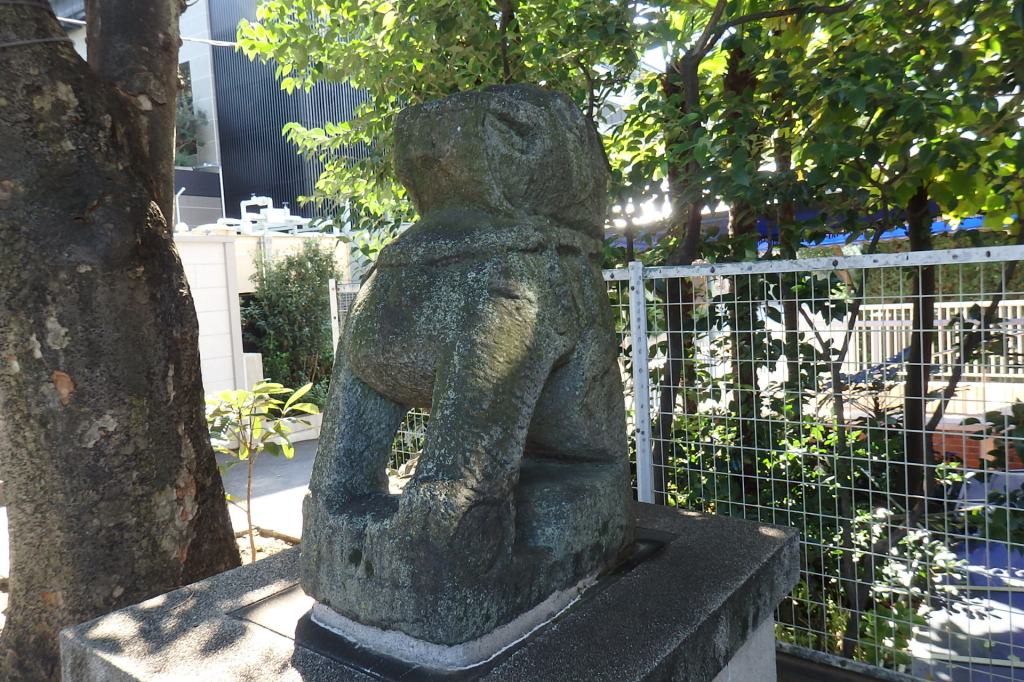
穏田神社の狛犬

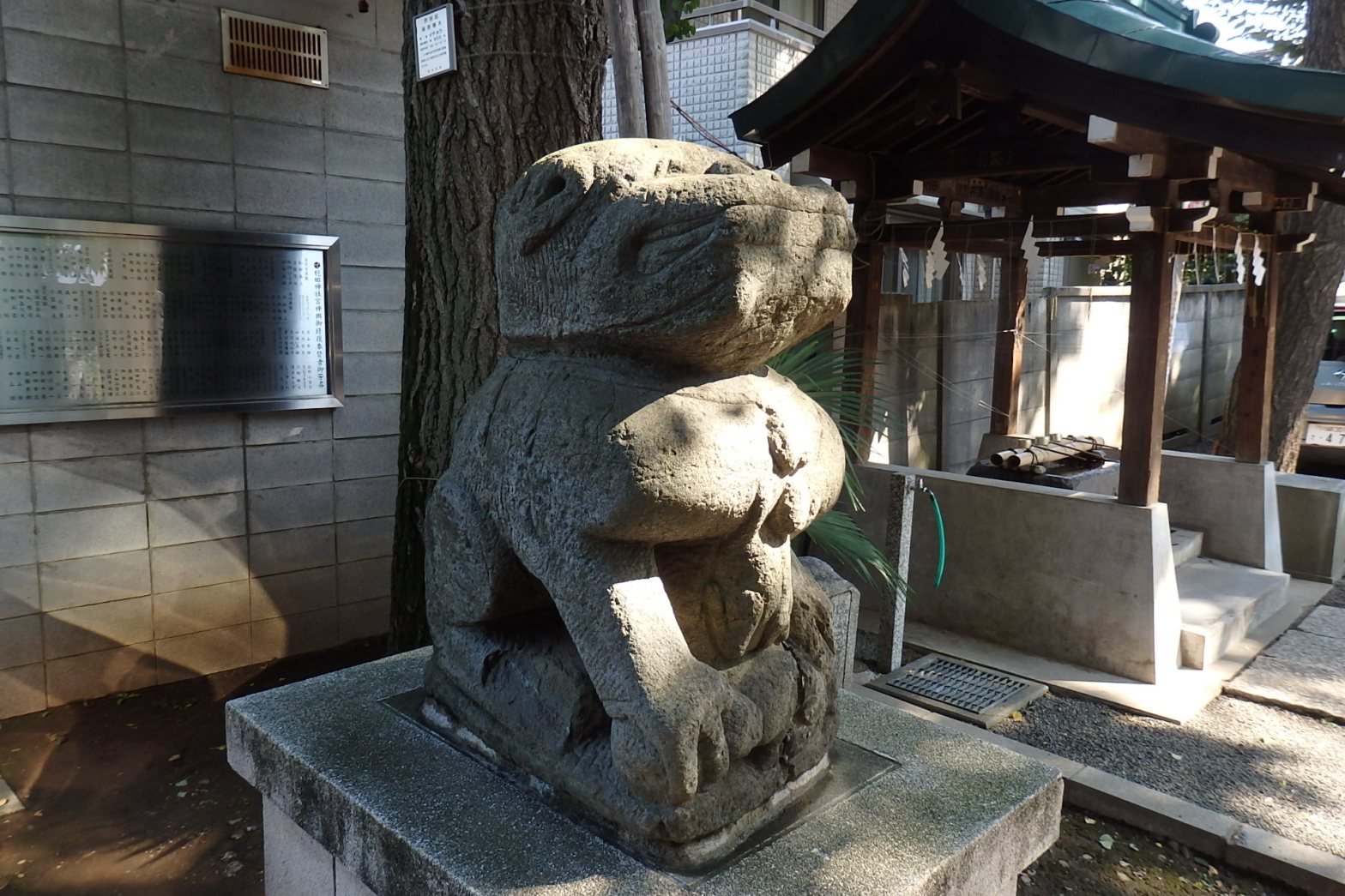
2017年の秋、IIL/INA総司令部の住所穏田の名前が残っているたった一つの所、穏田神社に行ってきました。そこにはとても珍しい、日本中のどこにも見られない狛犬があります。

२०१७ के शरद में, मैं ने ओन्दिन चैत्य के दर्शन किये, जो कि वह अन्तिम स्थल है जो ‘ओन्दिन’ का नाम धरे बचा है, भा.स्व.सं और आ.हिं.फ़ौ के आदिम मुख्यालय। उस चैत्य में कोमाइनु की एक अतिविरल जोड़ी है, जिसकी प्रति समूचे जापान में नहीं मिलती। (कोमाइनु अर्ध-सिंह-श्वान् मूर्तियों की जोड़ी होती है जो उषाद्वीप में मन्दिरों के द्वारपालक होते हैं।)

In the autumn of 2017, I visited Onden Shrine, which is the one last remaining place that still bears the name Onden, the original location of the INA and IIL headquarters. At that shrine, there is a pair of extremely rare komainu, the likes of which cannot be found anywhere else throughout Japan. (Komainu are a pair of lion-dog statues that guard the entrance to shrines in Japan.)

穏田神社はボースの家の近所なのだからボースは家族を連れて初詣に行ったのだろう、そしてボースの子どもたちは神社の庭で遊んだのかもしれないと思いをはせて行ってみたのです。

ओन्दिन चैत्य रास बिहारी बोस के घर के पास है, तो संभवतः यहीं पर वे कुटुंब-सहित वार्षिक हात्सुमोदे मनाने जाते थे। (हात्सुमोदे यह पारंपरिक रीत है कि हर नये वर्ष में परिवार पहली बार देवदर्शन के लिये चैत्य जाया करते हैं।) जापान में यह रीत हैं कि बाल-बच्चे चैत्य के परिसर में खेलते कूदते हैं, सो बोस के नन्हों का भी यहाँ पर कई पल हँसी खेल में बीते होंगे। इस स्मार को मन में संजोए मैंने ओन्दिन चैत्य की यात्रा की।

Onden Shine is near where Rash Behari Bose lived, and so it is likely that this is where he and his family went each year for hatsumode. (Hatsumode is the tradition of making one’s first visit to a shrine in the new year.) In Japan, it has been customary for children to play on shrine grounds, so it is most likely that Bose’s children would have spent much time there playing. With this in my heart, I traveled to Onden Shrine.

増上寺のお守り

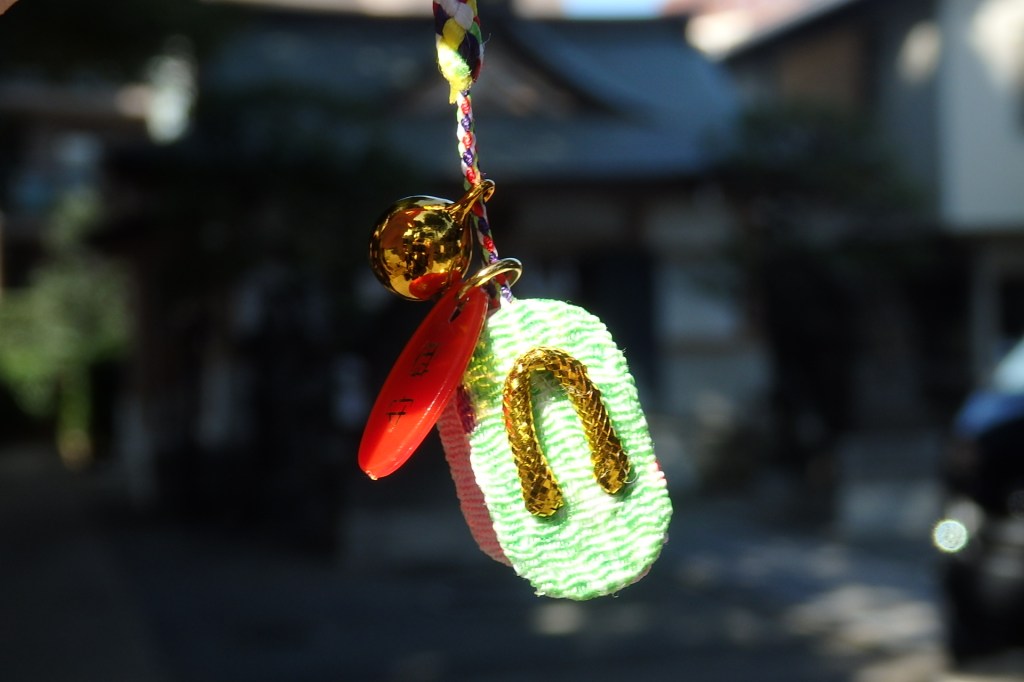
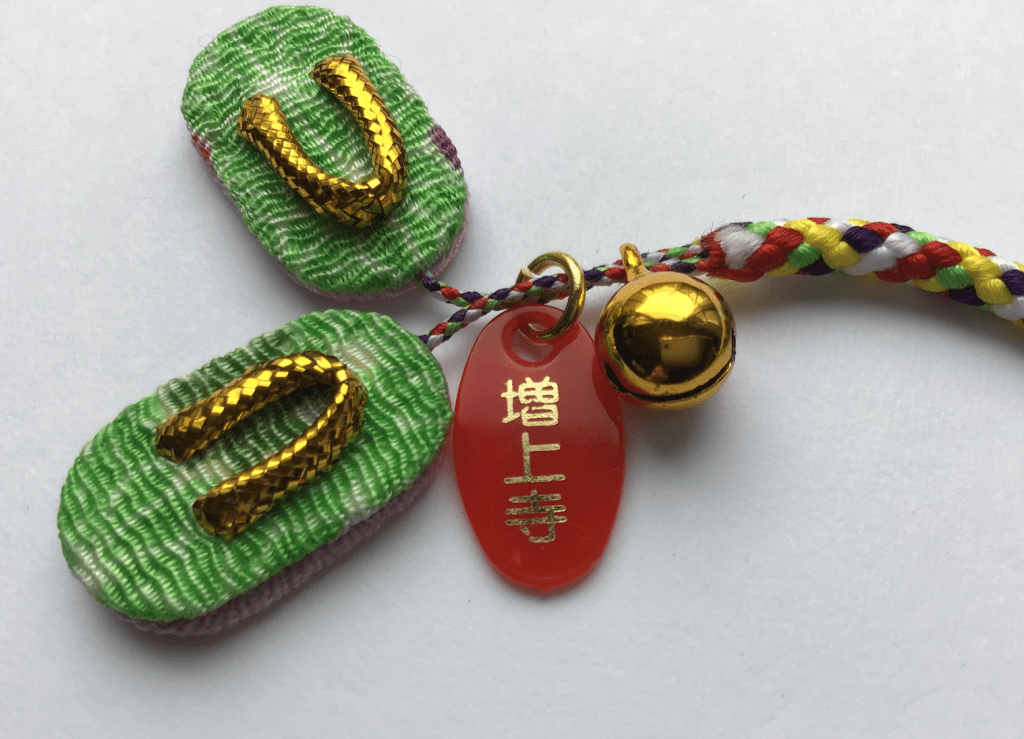
神社にお参りしようとしたら、礼拝所に向かう階段に光るものが私の目を引きました。そこには、真新しいお守りがそっとおいてありました。赤い札には増上寺と書いてありました。その時はボースのお葬式が増上寺であったなどとは知りませんでした。のちに本でそのことを知り、口では言い表せないほど感動しました。次の日本滞在の時には増上寺にお参りに行って、お経を聴き、お祈りしてきました。

जैसे हि मैं मंदिर के सामने की वेदी पर माथा टेकने पहुँच रही थी, सामने के सीढ़ीयों पर पड़ी एक छोटी-सी चमकीली वस्तु नें मेरी दृष्टि पकड़ ली। वहाँ एक नयी रक्षा-कवच चुपके से पड़ी थी। लाल घुंडी पर लिखी है, “ज़ोजोजी”। उस समय मुझे पता नहीं था कि बोस के अन्तिम संस्कार ज़ोजोजी देवालय में किये गये। कुछ समय पश्चात् मैं एक पुस्तक से यह जानकर स्तब्ध और निःशब्द रह गयी। अगली बार जब जापान गयी, तो ज़ोजोजी को ढोक देने पुनः गयी, वहाँ नेपथ्य में सूत्रपाठ के शब्द सुनते-सुनते मैं सिर झुकाकर वन्दना में मग्न हुई।

As I was about to approach the front alter of the shrine to pay my respects, a small shiny object on the front steps caught my eye. There, a brand new charm lay quietly. On the red tag is written, Zо̄jо̄ji. At that time, I did not yet know that Bose’s funeral had been held at Zо̄jо̄ji temple. I later learned this from a book, and I was moved beyond words. The next time that I visited Japan, I went to pay my respects at Zо̄jо̄ji, and while listening to the sound of sutras being chanted in the background, I bowed my head and prayed.

増上寺のお守り

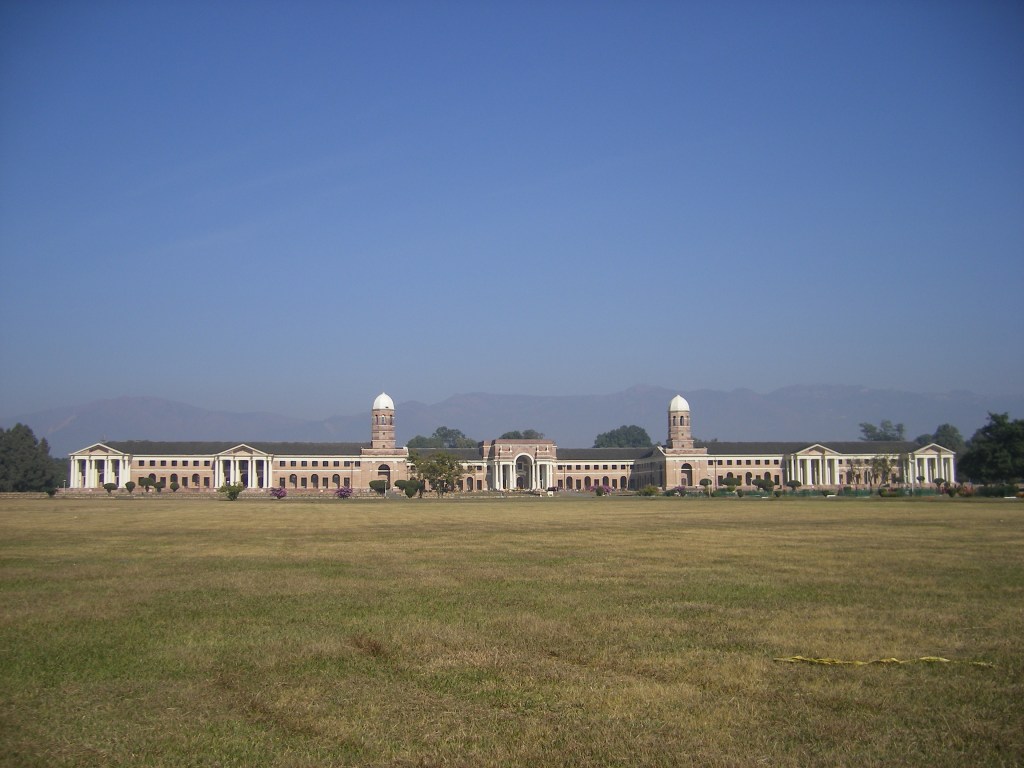
時はちょっと戻るのですが、わたしは2013年にインドに初めて行きました。その時ニューデリーはもちろんのこと、FRIとマスーリに行きました。なんの理由もなしに、ただ行ってみなくてはと思ったからです。2017年の1月にボースが書いた書物を読んだ時、FRIはボースが所長として努めていた所、マスーリはハーディング卿が爆弾事件の後に静養に行った所だと知りました。私は何も知らないでデリー爆弾事件の重要箇所を訪れていたのだとはっと気がついて、とても感慨深かったです。

अब समय-रेखा पर कुछ पीछे चलकर देखते हैं, कि २०१३ में मैं पहली बार भारत गयी। उस समय मैं नई दिल्ली अवश्य गयी, पर दहरादून में वन अनुसंधान संस्थान और मसूरी भी गयी। उन जगह जाने की मेरी कोई विशेष कारण नहीं थी। मुझमें मात्र एक विचित्र संवेदन थी जो मुझे उन जगहों तक खींचती गई। २०१७ में जब मैंने पहली बार रास बिहारी बोस के लेख पढ़ना शुरू किया, तब पता चला कि बोस व.अ.वि. के मुख्याधिकारी नियुक्त किये गये थे, और मसूरी वह जगह थी जहाँ राजप्रतिनिधि हार्डिंग प्रस्फोटक प्रहार पश्चात् आराम करने गये थे। जब मुझपर यह बात चमकी कि मैं ठीक उसी जगह का दर्शन कर चुकी थी जिसका दिल्ली प्रहार से इतना निकट संबंध था, तो मैं चौंकी और भावुक हो उठी।

We will now move back a bit in time, but in 2013, I made my first visit to India. At that time, I of course visited New Delhi, but I also went to the Forest Research institute and Mussoorie in Dehradun. There was no particular reason why I visited these places. I just had a strange sensation that I had to visit there. When I first started reading Rash Behari Bose’s publications in 2017, I learned that Bose had been employed as the head of the FRI, and that Mussoorie was the location where Viceroy Hardinge had went to rest after he was injured in the bombing incident. When I realised that I had visited the exact location that played such an important role in the Delhi attack, I was taken aback and deeply moved.

Forest Research Institute

今こうしてラス・ビハリ・ボースの研究を続けているのは、ラス・ビハリ・ボースの不思議な力に引っ張られてそうなっているのかなと思ったりもします。

तो कभी-कभी मैं इस विस्मय में पड़ जाती हूँ कि रास बिहारी बोस की इतनी गहरीई से शोध करने का मेरा निश्चय का कारण क्या उन्हीं की दिव्य शक्ति का आन्तरिक आकर्षण तो नहीं।

I sometimes wonder if the reason why I ended up dedicating myself to researching Rash Behari Bose so deeply is because I am being pulled in by his magical power.

वन्दे मातरम्

黒光のカレー (कोक्को की करी – Kokkō’s Curry)

相馬黒光はラス・ビハリ・ボースの義母として今でも名が残っています。黒光は文学的才能があったうえ、キリスト教に凝っていて、英語やロシア語に真剣に取り組みました。ロシア哲学が大好きで、自分の娘の一人に哲子という名前をつけたほどでした。黒光は大のロシアびいきで、どちらかと言えば欧米思考、決してインドや東アジアに興味があった人ではありませんでした。

सोमा कोक्को का नाम रास बिहारी बोस की सास होने की प्रतिष्ठा से आज भी जाना माना है। अपने महान् साहित्यिक कौशल के अतिरिक्त, वह एक धर्मिष्ठ ईसाई भी थीं, और आंग्ला और रूसी के अध्ययन में व्यासंग भी। वह रूसी दार्शनिक विचारधारा से इस चरम तक मोहित थीं, कि उन्होंने अपनी बेटी का नाम तेत्सु  रखा (उषाद्वीपी में तेत्सु  का अर्थ है दर्शनशास्त्र)। रूस से जुड़े विषयों में उनकी तेजप्रेम आसक्ति थी, और उनकी मेधा पाश्चात्य अधिक थी और पूरबी कम, अर्थात् भारत या पूर्वी एशिया में उनकी कोई विशेष अभिरुचि नहीं के बराबर थी।

Sōma Kokkō’s name remains known even today, as the mother-in-law of Rash Behari Bose. In addition to having great literary skill, she was also a devout Christian, and was dedicated to her studies of English and Russian. She was fascinated with Russian philosophy, to the extent that she even named one of her daughters Tetsuko. (Tetsugaku is Japanese for philosophy.) She was passionately interested in Russia, and her thought was more Western than Eastern, meaning that she certainly had no particular interest in India or East Asia.

黒光も愛蔵も熱心なキリスト教信者で、二人はキリスト教という同じ信仰を持つ者同士ということで結ばれました。二人ともアジアではなくロシアやヨーロッパの文化を高く評価していました。自分の店の従業員の制服まで、ロシアのルパシカという服を着せるほどのいれようでした。

कोक्को और आयज़ो, दोनो ईसाई मत के दृढ अवलंबी थे, और उनके ब्याह का संकल्प भी इस साझी भक्ति से उदित हुआ। प्रत्युत एशिया के, उनका परम आदर रूसीय और यूरोपीय सभ्यता और संस्कृति के लिये था। नाकामुराया के यहाँ, कर्मचारियों के गणवेष तक रूसीय शैली से रंगा था – सब कोसोवोरोत्का नामक साम्प्रदायिक रूसीय युतक (कमीस) धरे काम करते थे।

Kokkō and Aizō were both strong adherents of Christianity, and even their marriage arose from their shared beliefs. Rather than Asia, it was Russian and European culture that they valued highest of all. At Nakamuraya, even the employee uniform was a traditional Russian shirt known as a kosovorotka.

中村屋のルパシカ

ラス・ビハリ・ボースを論じる人には相馬愛蔵がアジア主義だったようなことを書いている人がいますが、それは間違いです。今風で言えばロシアかぶれと言ったほうが近いです。ちなみに、ラス・ビハリ・ボースが中村屋のアトリエに4ヶ月住んだ後、居づらくされて危険を犯してまで住処を変えたのですが、すぐ後にそのアトリエにロシア人のエロシェンコが住み着き何年も長期滞在しました。そのロシア人もボースと同じように愛蔵と黒光をお父さんお母さんと呼んで大変懐いていました。

रास बिहारी बोस पर रचे प्रकाशनों में कुछ ऐसे हैं जिनमें लिखा गया है कि सोमा आयज़ो सार्व-एशियाई-सिद्धांत के समर्थक थे, परन्तु यह मिथ्या है। यह कहना अधिक उचित होगा कि वह रूस से जुड़े सारे विषयवस्तु से सर्वथा मोहित थे। प्रसंगवश यह भी कह दें, कि जब रास बिहारी बोस के नाकामुराया की शिल्पशाला में रहते मात्र चार महीने हो चुके थे, और उनका उस समय भी बाहर निकलना जोखिमी था, फिर भी उनको नया अड्डा ढूंढने पर निर्बन्ध जताया गया। बोस के निकलते हि एक रूसीय, वासिली याकोवलेविच एरोशेंको, शिल्पशाला में वास करने लगे और कुछ बरस तक रहे। बोस की तरह, एरोशेंको ने भी आयज़ो और कोक्को को पिता-माता बुलाकर संबोधित किया, और दम्पति ने भी उनपर प्यार बरसाया।

Among publications on Rash Behari Bose, there are those who have written that Sōma Aizō was a supporter of Pan-Asianism, but this is false. It is more accurate to say that he was absolutely enraptured by all things Russian. Incidentally, after Rash Behari Bose had stayed in the atelier of Nakamuraya for four months, even though it was dangerous to move out from Soma’s, he was made to feel that he had to move to a new hideout. Immediately after Bose left, a Russian by the name of Vasiliy Yakovlevich Eroshenko, moved into the atelier, where he remained for several years. Just like Bose did, Eroshenko addressed Aizō and Kokkō as Dad and Mom, and was greatly adored by the couple.

エロシェンコと黒光

話は少し戻りますが、黒光は夫の愛蔵を説得して、長野の実家の養蚕を継ぐのを止めさせ、幼い娘であった俊子を長野に残し、赤ん坊の安雄をつれて東京に出ました。そして当時繁盛していた本郷の中村屋を買収し、パン屋を始めたのです。それがうまくいって新宿に大きな土地を買って移転するまでになりました。1902年ごろ黒光のアイデアで作ったクリームパンがいきなりヒットして事業の幅を広げました。

अब समय रेखा पर कुछ डग पीछे चलें, तब कोक्को ने अपने पति आयज़ो को मना-पटाकर सहमत किया था कि वह नागानो में अपने पारिवारिक कोशकृमि-पालन व्यवसाय पर अपना अधिकार त्यागकर, छोटी बेटी तोषिको को नागानो में हि छोड़, अपने बेटे यासुओ के साथ तोक्यो जा बसें। यह वही समय था जब उन्होंने समृद्ध होंगो-नाकामुराया को कीन लिया, और अपना नानबाई भट्टी चलाना आरंभ किया। व्यवसाय वर्धमान था, तो उन्होंने अन्ततः शिंजुकु में चौरस भूमि का एक बड़ा टुकड़ा कीनकर अपना केन्द्रीय शाखा वहाँ नियुक्त किया। सं. १९०२ ईसवी के आसपास, कोक्को के मलाईदार गुलगुले (मीठे पावरोटी जिसमें कस्टर्ड मलाई भरा हो) अचानक बड़े लोकप्रिय बन गये, और धंधे ने उड़ान भरी।

Now going back a little in time, Kokkō persuaded her husband Aizō not to take over the family sericulture business in Nagano, and to move to Tokyo with their infant son Yasuo, leaving their young daughter Toshiko behind in Nagano. It was at this time that they purchased the prosperous Hongō Nakamuraya and began running their bakery. The business thrived, so they purchased a large plot of land in Shinjuku and eventually relocated their main branch to there. Around the year 1902, Kokko’s cream pan (sweet buns filled with custard cream) suddenly grew very popular, and their business took off.
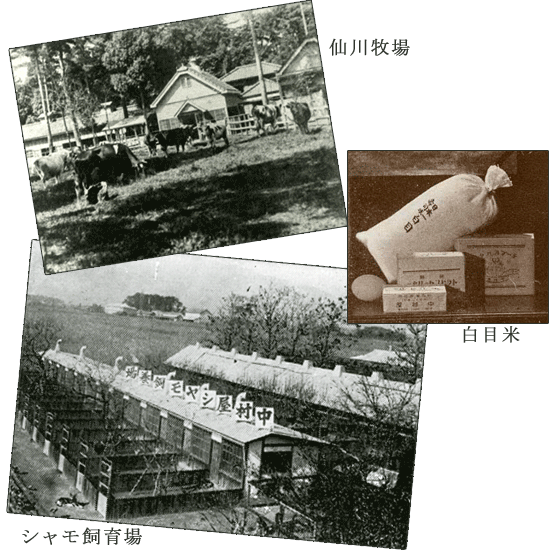
cream-pan

そして、黒光があちらこちら手を出す事業は全てうまくいきました。そんな黒光が1927年に作り上げたカレーは今でも商業価値が高いのです。

इसके होते हि कोक्को विविध क्षेत्रों में हाथ परखने लगी और प्रत्येक क्षेत्र में व्यापार का विकास हुआ। आज तक, १९२७ में कोक्को ने जिस करी का आविष्कार किया, उसे नानबाई व्यवसाय के सबसे अधिक बिकने वाले करीयों में एक होने का कीर्तिमान है।

With this, Kokkō began to get involved in various fields of business, and in each area, the business flourished. Even to this day, the curry that Kokkō invented in 1927 remains to be one of a best-sellers in their businesses.

余談ですが、3歳たらずで父母に置き去りにされた俊子は、女学校に入るまで長野の叔父叔母に育てられました。そして、東京の女学校に入っても全寮制でしたから、ほとんど親と住んだことがありませんでした。そんなところは、ラス・ビハリ・ボースと俊子は少し似ていました。

अब विषयान्तर करें तो देखने को मिलता है कि तोषिको, जिनको उनके माँ-बाप ने तीन बरस होने से पहले हि पीछे छोड़ गये, एक बालिका विद्यालय में प्रवेश करने तक अपने चाचा-चाची के साथ नागानो में हि पली-बढ़ी। विद्यालय के लिये तोक्यो जाने के पश्चात् भी वह शयनागार में रहती थीं, सो उन्होंने माँ-बाप के साथ कभी सचमुच वास नहीं किया। इस दृष्टिकोण से तोषिको और रास बिहारी बोस कुछ एक-से थे।

I will now digress, but Toshiko, who was left behind by her parents when she was just under three years old, lived with her uncle and aunt in Nagano until she entered an all-girls school. Even after she moved to Tokyo for her schooling, she was living in a dormitory, so she never really lived with her parents. In that way, Toshiko and Rash Behari Bose were somewhat similar.

Kokko, Masao, and Aizo

黒光は1876年生まれですから、ラス・ビハリ・ボースより10歳ほど年上の女性です。徳川時代が終わってから8年程して生まれ、江戸時代の伝統的な仙台藩の武家で育ちました。黒光のような女性を見れば江戸時代までの日本女性がいかにダイナミックで自由だったかが偲ばれます。

कोक्को सं. १८७६ ईसवी में जन्मी, तो वह रास बिहारी बोस से केवल दस वर्ष बड़ी थीं। उनका जन्म तोकुगावा युग के अन्त के मात्र आठ वर्ष बाद हुआ, और वह एक पारम्परिक सामुरायी परिवार में पली, जो कि सेनदाई कुल का था। कोक्को को देखकर यह समझ सकते हैं कि तोकुगावा की महिलाएँ ऊर्जस्वी और स्वतंत्र थे, जो कि पश्चिमी इतिहासों में लपेटे चित्रण के पूर्ण विपरीत है।

Kokkō was born in 1876, so she was just ten years older than Rash Behari Bose. She was born just eight years after the end of the Tokugawa period, and she was raised in a traditional samurai family in Sendai domain. By looking at Kokkō, we can see the women of Tokugawa era was dynamic and free unlike it is said in the West.

1927年に黒光は新しい事業を手掛けました。中村屋喫茶部を作って、当時援助していた亡命者の母国の料理を商品化したのです。ロシアのエロシェンコがいたので、ロシアのボルシチ、中国の孫文を考えて月餅、インドのラス・ビハリ・ボースが娘の夫だったのでカリー、その三つを取り上げました。繰り返すようですが、黒光にとってはインドよりもロシアの方が大切で、憧れていたのですよ。

१९२७ में, कोक्को ने एक नया व्यवसाय आरंभ किया। उन्होंने नाकामुराया चाय और उपाहारघर का उद्घाटन किया, जहाँ उन शरणार्थियों के मातृभूमियों के कुछ व्यंजन बिकते थे, जो उस समय उषाद्वीप में बस रहे थे और जिनकी लोगों में स्वीकृति बढ़ रही थे। क्योंकि वे एरोशेंको को ठिकाना दे रहे थे, तो उपाहारों में रूसीय ‘बोर्श्त’ परोसने लगे। सुन-यात-सेन के स्मरण में चीनी शशिपिष्ट (मून-केक) परोसते। और क्योंकि रास बिहारी बोस ने अपनी बोटी को ब्याहा, तो कोक्को ने एक स्वरचित करी पाककृति बनाई। यही तीन व्यंजन परोसे जाते थे। अपने शब्दों को दोहराते यह स्पष्ट किया जाये, कि इस बात को समझना महत्वपूर्ण है कि कोक्को के मन में रूस के लिये भारत से कहीं अधिक मान और श्रद्धा थी।

In 1927, Kokkō launched a new business. She started the Nakamuraya tea house and restaurant, where they sold dishes from the motherlands of refugees who were residing at that time and popular in Japan. Since they were housing Eroshenko, they served Russian borscht. Thinking of Sun Yat-sen, they served Chinese moon cakes. And, since Rash Behari Bose was married to their daughter, Kokkō came up with an original curry recipe. These were the three dishes that they served. I am repeating myself, but it is important to understand that Kokkō valued and admired Russia much more than she did India.

ボルシチ

現在ボルシチや月餅よりカレーの方が中村屋を代表した商品になっているのは、決して黒光がそれを狙ったのではありません。日本国民が全く別の理由で日本のカレー文化を開発し、発展させたからなのです。

वर्तमान काल में करी हि नाकामुराया नाम का प्रतिनिधित्व करता है, न कि बोर्श्त या शशिपिष्ट, परन्तु यह कोक्को का आशय नहीं था। इसके सर्वथा अन्य कारण हैं कि करी-सेवन का चलन पनपकर जापान में विस्तृत हुआ।

At present, curry is far more representative of Nakamuraya than is borscht or moon cakes, but this was by no means Kokkō’s intention. It was for an entirely unrelated reason that curry culture developed and flourished in Japan.

日本では1858年に横浜港が開港してから多くの人達がカレーを食べるようになっていました。1900年近くになると上野精養軒(1887年開店)で独特のカレーをレストランで提供し、1902年にはその調理法を出版しました。それが今日本に定着している日本独特のカレーです。

१८५८ ईसवी में योकोहामा पत्तन और पोताश्रय के उद्घाटन के बाद, उषाद्वीप में बहुत सारे लोग करी का सेवन करने लगे। १९०० होने तक, उएनो सेइयोकिन उपाहारघर (जो १८८७ में खुला) करी परोसने लगा, और १९०२ में उनके पौरोगव (मुख्य बावर्ची) ने एक पुस्तक छपवाया जिससे सारे गृहिणी इस पाक-प्रणाली को सीख सकें। यही उस विशिष्ट रूप से निराली जापानी करी का आरंभ था, जो आज द्वीपभर में अति लोकप्रिय है।

After the Port of Yokohama opened in 1858, many people in Japan began eating curry. By 1900, the Ueno Seiyōken restaurant (opened in 1887) was serving curry, and in 1902 their chef published a book to teach housewives how to cook this cuisine. This was the start of the characteristically unique Japanese curry that is so popular in Japan today.

精養軒のカレーはフランス式にルーを作って加えて作るものなのですが、そのルー自体はフランス人がインドで学んだものです。黒光はそのカレーに酷似しながらも更に工夫を加えたカレーをイギリス式のグレービーポットに入れ、イギリスの紋章入りの皿やスプーンやフォークを置いてイギリス風に配膳しました。米は日本の米でした。インドでは殆ど肉を食べないのですが、黒光は西洋的な高価さを演出するために中村屋直営の飼育場で育てた軍鶏をカレーに使いました。米も中村屋直営農家の白目米を使いました。

सोइयोकिन करी को फ़्रांसीसी शैली में तैयार किया हुआ कसार (‘रू’) से बनाया जाता है, परन्तु फ़्रांसीयों ने स्वयं ‘रू’ का ज्ञान भारतीयों से सीखा था। यद्यपि कोक्को की करी इस सेइयोकिन करी से मिलता-जुलता है, फिर भी उसके कुछ विशिष्टताएं हैं, जिसमें परोसे जाने की ब्रिटिश शैली भी है – ब्रिटिश रसा-प्याले में, और थाली, चमच और कांटों पर आंग्ल राजचिह्न मुद्रित है। करी और जापानी चाँवल की जौड़ी परोसी जाती है। भारत का बहुसंख्य जनता मांस नहीं खाता, परन्तु पाश्चात्य व्यंजनों के समान अधिक मोल पर बेचने के लिये वह नाकामुराया के अपने पशु-खेती से प्रशस्त आखेट-विष्करों (लड़ाये जाने वाले कुक्कुट) का मांस डालती थीं। उनके अपने केदारों में उगाये गये विशिष्ट चाँवल, शिरोमि-माई, के साथ परोसा जाता था।

Seiyōken curry is made using roux that is prepared in the French style, but roux itself was learned by the French from Indians. Although Kokkō’s curry resembles this Seiyōken curry, but it has many particulars, including being served in a very British fashion, in a British style gravy pot, with plates, spoons and forks all bearing the English coat of arms. The curry is paired with Japanese rice. The vast majority of Indians do not eat meat, but in order to sell it at a high price at par with western dishes, she used meat from praised game cocks that they raised on Nakamuraya’s own farm. They also served with special rice, shirome-mai, grown in their own paddy fields.

そうすることで、普通のレストランの8倍もの値段でカレーを売ることに成功したのです。もちろんレストランの内装もヨーロッパ風でした。インドを支配したイギリスとフランスの威風を使って商売したのですから他の店は到底かないませんよね。

ऐसा करके वे अपनी करी को दूसरे माध्य जापानी उपाहारघरों से आठ-गुना मोल पर बेच सकते थे। सहज बात है कि उनके रिस्तोरान का आंतरिक सजावट भी यूरोपी ढंग की थी। दूसरे व्यवसाय नाकामुराया से स्पर्धा कर हि नहीं सकते थे। अन्ततोगत्वा, उन्होंने उन्हीं आंग्ल और फ़्रांसीय उपनिवेशवादियों का राजसी ठाठ का उपयोग करके अपने आप को ऊपर उठाया, जो इतनी देर तक भारत पर दमनकारी वर्चस्व चला रहे थे।

By doing so, they were able to successfully sell their curry at eight times the price of average Japanese restaurants. Naturally, the interior of their restaurant was also decorated in the European style. Other businesses could not possibly compete with Nakamuraya. After all, they raised themselves up using the majestic image of the English and French colonisers, the very people who had for so long dominated India.

インドはイギリスの植民地だったのですから、インドでイギリス人の征服者や特権階級だけが口にする料理を作っても「本場インドのカリー」といって嘘ではないでしょう。それに、英領インド帝国の料理人は皆インド人だったでしょうからどうみてもインド人の料理です。でも、現在、普通のインド人が食べる今のインドの食べ物と違いが大きいのは当たり前のことですよね。

क्योंकि भारत आंग्लदेश के अधीन था, तो शायद यह पूर्णतः झूठ नहीं था कि उन व्यंजनों को “यथार्थ भारतीय करी” बूलाया जाये जो कि भारतीय लोग अपने ब्रिटिश शासकों और विशेषाधिकारी वर्ग की सेवा में अनन्य भोग के रूप में चढ़ाया करते थे। इसके अतिरिक्त, ब्रिटिश साम्राज्य के सारे सूद तो भारतीय हि होते होंगे, सो ऐसे व्यंजन को भारतीय बुलाना झूठ नहीं बनता। हाँ यह तो सच है कि जो भोजन आम भारतीय स्वयं खाते-पीते थे, और जो खानपान वह अपने ब्रिटिश शासकों और उनके देशी चेलों के लिये परोसते थे, उन दोनो में बड़ा अन्तर था।

Since India was a British colony, perhaps it was not completely false to refer to the dishes Indians would prepare for the sole consumption by British rulers and privileged classes as “authentic Indian curry.” Moreover, in the British Indian Empire, all the cooks would have all been Indians, so it is not wrong to say it was Indian. However, it goes without saying that there is a great difference between what the average Indian ate, compared with what they cooked for their British masters and the Indian acolytes to the British Empire.

こうして考えてみると特権階級に育たなかったラス・ビハリ・ボースが中村屋のカレーを作ったのではないことがわかりますよね。彼はイギリス帝国主義をインドから追い出すことに命をかけてきたので、英領インド帝国の支配者階級の料理など食べることも作ることもしなかったでしょうから。

इस तरह सोचा जोये तो यह स्पष्ट हो जाता है कि रास बिहारी बोस को उस विशेषाधिकार वाले देशी वर्ग की सदस्यता हेतु नहीं पाला-पोसा गया, और वह सदा ब्रिटिश के विरुद्ध संघर्ष में रहे, तो नाकामुराया की ऐसी करी के आविष्कर्ता हो हि नहीं सकते, जैसा कि सर्वत्र कुप्रचार किया जाता है। ब्रिटिश साम्राज्य को भारत से खदेड़ने के लिये उन्होंने अपने प्राण दाँव पर लगाये, और उस ब्रिटिश भारतीय साम्राज्य के शासक वर्गों के इष्ट परदेशी खान-पान का वह न सेवन करते होंगे न पकवान।

If you think about it this way, then it becomes clear that since Rash Behari Bose was not raised as a member of the privileged class, and he was working against the British, he could not have invented the curry of Nakamuraya, as is widely stated. He put his life on the line to expel the British Empire from India, and would have neither eaten nor cooked the types of cuisine that were enjoyed by the ruling classes of the British Indian Empire.

黒光はインド人が作ってくれたカレーを食べてみたのですが、気に入らなかったようで、日本人が作った精養軒のカレーのほうが口にあったようです。そして、それこそが日本人の間に人気があるカレーで、商品価値があるのだと判断して、それに少しだけ工夫を凝らしたのです。大英帝国の特権階級イギリス人だけが味わえる特別インド料理というイメージでした。

कोक्को भारतीयों के हाथ की करी पहले खा चुकी थीं, पर उनको अच्छा नहीं लगा। वह सोइयोकिन उपाहारघर के उषापुत्र सूदों की करी पकवान को चाहती थी। और यही साइयोकिन करी जापानी जनता में इतनी लोकप्रिय थी, सो कोक्को ने चतुर निश्चय कर लिया कि उनकी करी भी चंद ग्राह्य तत्त्वों को समेटकर अधिक ग्राहकता प्राप्त करेगी। उनका आशय था कि एक विशिष्ट करी का उत्पादन किया जाये जो ब्रिटिश अधिपति और विशेषाधिकारी वर्ग के लिये स्वीकार्य हो।

Kokkō had eaten curry prepared by Indians before, but she did not like it. She preferred the curry prepared by Japanese chefs at the Seiyōken restaurant. Moreover, it was this Seiyōken curry that was so popular among the Japanese public, and Kokkō cleverly decided that her curry would gain more marketability by adding a little more catchy aspects. Her idea was to produce a special kind of curry that was fit for the British monarch and the privileged class.

まとめて言うと、黒光のカレーは、精養軒のカレーを黒光なりに工夫して商品化したのもです。つまり、インドのスパイスがきいた西洋シチューのようなものなのです。

समाहार यह, कि कोक्को की करी साइयोकिन की करी का किंचित् परिवर्तित संस्करण है। दूसरे शब्दों में वह मूलतः एक पाश्चात्य शैली खिचड़ी है जिसमें देशी बघार छौंक दिये गये हैं।

To sum things up, Kokkō’s curry is a slightly modified version of Seiyōken’s curry. In other words, it is basically a western style stew containing Indian spices.

私としてはそれはそれなりに大変歴史的価値のあるものだと思いますが、ただ、「ラス・ビハリ・ボースが日本に本場インドのカレーを紹介したものが中村屋のカレーだ」というのは全くの嘘なので、インド人がそれを繰り返しているのを聞くと本当に情けなくなります。

मेरे विचार में, इस तथ्य का अपने आप में एक ऐतिहासिक महत्त्व है। परन्तु यह कहना सर्वथा असत्य है कि “रास बिहारी बोस ने नाकामुराया में परोसे जाने वाले करी का आविष्कार किया”, और निन्दनीय है कि भारतीय लेग ऐसी मिथ्याओं को दोहराते रहते हैं।

In my opinion, this has great historical value in its own right. However, it is completely false to say that, “Rash Behari Bose introduced authentic Indian curry to Japan, which is served at Nakamuraya,” and it is deplorable that Indians continue to repeat such misinformation.

テロリスト (दस्यु – Terrorist)

2001年には世界で最悪と言われるテロリズムがアメリカで起きました。セプテンバー・イレブンとか9.11テロと言われています。

लोग कहते हैं कि २००१ में जो प्रहार अमेरिका ने झेला, वह विश्व की सबसे बुरी आतंकवादी घटना थी। यह ग्यारह सप्तम्बर, या ९/११ के नाम से प्रशस्त है।

In 2001, America experienced what many say was the worst terrorist attack in the world. It is referred to as September Eleven, or 9/11.

その2001年に起きた9.11テロと1945年に死んだラス・ビハリ・ボースになにか関係があるなどと考えたことありますか?それが意外に興味深いことなのです。

क्या आपने कभी यह सोचा कि २००१ के आतंकी प्रहार का १९४५ में बीते रास बिहारी बोस से कोई संबंध होगा ? अनपेक्षित बात है, पर है एक आकर्षक कथा ।

Have you ever wondered if there is a connection between the 2001 terrorist attack and Rash Behari Bose, who passed away back in 1945? It is an unexpected, but very intriguing story.

2001年、9.11テロが起きた年は相馬愛蔵夫妻が本郷中村屋を買収して本郷中村屋を経営するようになってから100年目にあたりました。そして、相馬夫妻ともラス・ビハリ・ボースとも全く関係のない今の新宿中村屋が、この年を新宿中村屋創業100周年とし、当時低迷していた新宿中村屋の経営を盛り返す経営戦略を開始しました。

२००१, ग्यारह सप्तम्बर आतंकवादी प्रहार का वर्ष, ‘होंगो’ नगरस्थान (होंगो-नाकामुराया) में सोमा आयज़ो और कोक्को द्वारा मूलभूत नाकामुराया की प्रीप्ति की १००-बरसी वर्षगांठ थी। वर्तमान शिंजुकु-नाकामुराया उद्योग का उस सोमा और रास बिहारी बोस के समय का नाकामुराया से दूर-दूर तक कोई संबंध नहीं, फिर भी उन्होंने २००१ वर्ष में अपनी शताब्दी घोषित की। उस समय नाकामुराया के धंधे में मन्दी थी, सो २००१ से उन्होंने अपने ग्राहकता को बढ़ाने हेतु एक व्यापारी नीति अपनाई।

2001, the year of the 9/11 terrorist attack, marked the hundred year anniversary of Sōma Aizō and Kokkō’s acquisition of the original Nakamuraya in Hongо̄ (Hongо̄-Nakamuraya.) The present Shinjuku-Nakamuraya industry is now entirely unrelated to the Nakamuraya from the time of the Sōma’s and Rash Behari Bose, yet they designated 2001 as their centennial. At the time, the present Nakamuraya had been suffering a slump in business, so from 2001, they actively engaged business tactics to boost their customer base.

本郷中村屋は東京大学赤門前にあって、相馬夫妻が1901年に買収した時、すでに繁盛していたお店でした。相馬夫妻は1907年に本郷中村屋新宿支店を開設、1909年に支店を現在の中村屋の位置に移して本店にし、新宿中村屋と名付けました。本郷中村屋は番頭に経営を任せました。

होंगो-नाकामुराया का स्थान तोक्यो विश्वविद्यालय के प्रतिष्ठित आकामोन (लाल फाटक) के ठीक समक्ष है, और जब सोमा ने १९०१ में इसे प्राप्त किया तब बिक्री गरम थी। शिंजुकु में नाकामुराया की शाखा १९०७ में खुली, और १९०९ में उसे वर्तमान स्थान पर परिवर्तित किया, इसे केन्द्र अभिहित करके शिंजुकु-नाकामुराया नाम दिया, और होंगो-वाले आपण को शाखा बना डाला। व्यापार तब से शिंजुकु-नाकामुराया के नाम से प्रसिद्ध हुआ, और होंगो-शाखा को एक कर्मचारी के प्रबंध में रखा गया।

Hongō Nakamuraya was located just in front of the iconic Akamon (Red Gate) of Tokyo University, and when the Sо̄ma’s acquired the business in 1901, the shop was already thriving. They built a Nakamuraya branch in Shinjuku in 1907, and in 1909, they moved it to the present location, designated this the main branch and named it Shinjuku-Nakamuraya, making the one located in Hongō its branch. The business then came to be known as Shinjuku-Nakamuraya, and the Hongō branch was placed under the management of one of their employees.

Hongo Akamon-mae Street view in Meiji era

それから、新宿中村屋は1945年にイギリスとアメリカによる空襲で全焼し、跡地は不法占拠され、そこに闇市が出来ました。相馬夫妻が尾津組を相手に訴訟を起こし、2年目の1947年に土地を取り戻しました。この年相馬夫妻の長男安雄が社長、愛蔵が会長として、中村屋という会社が再復帰しました。この7年後の1954年には愛蔵が、1955年には黒光が、そして1957年には安雄が亡くなりました。

फिर १९४५ में, शिंजुकु-नाकामुराया आंग्लदेश और अमेरिका के विमानाक्रमणों में राख होकर धूल में मिल गया। जिस स्थान पर वह टिका था, उसे पूरी तरह से अधिगृहीत कर लिया गया, और वहाँ एक काला हाट खड़ा कर दीया गया। सोमा परिवार ने कान्तो ओज़ुगुमी (कान्तो ओज़ु टोली तोक्यो की एक अपराधी अभिषद् थी) पर अभियोग चलाया और अन्ततः फ़रवरी १९४७ में उनको अपनी भूमि पर पुनः अधिकार मिला। उस वर्ष, सोमा परिवार के बेटे यासुओ ने नाकामुराया व्यवसाय की प्रबंध संचालक की पदवी स्वीकार किया, और आयज़ो अध्यक्ष बने। इस के बाद अचिर काल में हि तीनो एक के बाद एक बीत गये – १९५४ में आयज़ो, १९५५ में कोक्को और १९५७ में यासुओ।

After that, in 1945, Shinjuku Nakamuraya was completely burned to the ground in the air raids by England and America. The land on which it had formerly stood was illegally occupied, and a black market was established there. The Sōma’s launched a legal action against the Kantō Ozugumi (the Kantō Ozu gang was a crime syndicate in Tokyo), and were finally able to regain their land in February 1947. That year, the Sōma’s son Yasuo became the managing director of the Nakamuraya business, and Aizō became the president. Soon after this, all three passed away one after another – Aizō in 1954, Kokkō in 1955, and Yasuo in 1957.

新宿中村屋消失
戦災で丸焼けになった新宿

ですから、正確に言えば、ラス・ビハリ・ボースと関係があった相馬夫妻の新宿中村屋は、大東亜戦争中空襲の最中にボースが亡くなってまもなく1945年に空襲で消えたわけです。

तो ठीक बखान यह होगा कि जिस नाकामुराया को रास बिहारी बोस जानते थे, उसके स्वामी आयज़ो और कोक्को थे, और वह व्यवसाय १९४५ के निरन्तर अमेरिकीय वैमानिक धावों में भस्म हो कर ओझिल हो गया, जिस काल में स्वयं बोस भी कुछ हि देर पहले बीत गये थे।

So, to put it correctly, the Nakamuraya that was known to Rash Behari Bose, that was owned by Aizō and Kokkō, disappeared in 1945 when it was burned to the ground in the endless American air raids, during which Bose himself had passed away just shortly earlier.

Shinjuku after carpet bombings

本郷中村屋は相馬夫妻が買収した1901年よりずっと前からありました。1901年から1909年までは相馬夫妻が経営する本郷中村屋になり、新宿中村屋が出来たのは1909年です。その時から長い間新宿中村屋と、本郷中村屋がありました。今の新宿中村屋が出来たのは、ひいき目に見てどんなに早く見積もっても相馬安雄が亡くなった1957年です。どこをどうみても今の新宿中村屋が2001年に創業100周年という計算にはなりません。

होंगो-नाकामुराया का अस्तित्व तो १९०१ में सोमा के क्रयण के बहुत पहले से हि था। आयज़ो और कोक्को ने १९०१ से १९०९ तक व्यवसाय चलाया, और फिर १९०९ में शिंजुकु नाकामुराया की स्थापना की। उसके बाद दोनो स्थानों का लंबे समय तक संचालन होता रहा। उदार अनुमान से भी वर्तमान नाकामुराया व्यवसाय का आरम्भ  १९५७ में सोमा यासुओ के मृत्यु से पहले हो हि नहीं सकता। चाहो जिस कोण से देखें, वर्तमान नाकामुराया की शताब्दी २००१ में होना असंभव था।

Hongō Nakamuraya existed long before the Sōma’s purchased it in 1901. Aizō and Kokkō ran the business there from 1901 to 1909, and then established Shinjuku Nakamuraya in 1909. The two locations remained in operation for a long time after that. Even being generous, the present Nakamuraya could only have begun after Sōma Yasuo’s death in 1957, at the very earliest. No matter how one looks at it, the present Nakamuraya could not possibly have been having its centennial in 2001.

明治時代の赤門

そして、ラス・ビハリ・ボースや相馬夫妻と今の中村屋はなんら繋がりがないのです。だからこそ、ラス・ビハリ・ボースの名誉を傷つける行為を平気で展開し、ボースを会社の商売道具にして容赦なく弄くりまわるのです。

इस के अतिरिक्त, वर्तमान नाकामुराया का सोमा और रास बिहारी बोस से कोई सम्पर्क या संबंध नहीं। ठीक इसी कारण इन लोगों को कोई झिझक नहीं कि अपने धंधे को बढ़ाने के लिये उनके विख्यात नाम का निष्ठुरता से दुरुपयोग करते रहें, उन व्यक्तियों के बारे में ढीले-ढाले मिथ्याओं का निश्चिन्त प्रसारण करें, जिससे उनकी साख और प्रतिष्ठा पर आँच पहुंचे या क्षीण होवे।

Moreover, the present Nakamuraya is in no way affiliated with Rash Behari Bose and the Sōma’s. It is precisely for this reason that they can nonchalantly broadcast misinformation that damages and undermines his prestigious reputation, and mercilessly use his name as a tool for boosting their business.

では、9.11テロの年2001年の中村屋を見てみましょう。この年中村屋は本格的にカレーのマーケットに進出し、レトルトカレーを売り出しました。同年『新宿中村屋シェフが教えるカリー・スパイス料理』という本を出版し、「新宿中村屋インドカリーの店」第一号店を開店しました。

अब २००१ में नाकामुराया की स्थिति देखें, जिस वर्ष में ९/११ का आतंक मचा। उस समय नाकामुराया करी-व्यवसाय में उतरे, और थैली-दान करी के गठरीयाँ बेचने लगे। उसी वर्ष, उन्होंने शिंजुकु नाकामुराया शिफ़ु गा ओशियेरु करी – सुपाइसु रियोरी (अनु. – नाकामुराया सूद का सिखाया करी – उपस्कर सहित पकवान) नामक पुस्तक प्रकाशित किया, और नाकामुराया की पहली शाखा खोली जिसमें करी परोसा जाने लगा।

Let us now look at the situation of Nakamuraya in 2001, the year of the 9/11 terrorist attack. At that time, Nakamuraya got into the curry market, and began selling retort curry packs. That same year, they published the book, Shinjuku nakamuraya shefu ga oshieru carii: supaisu ryōri (trans. Curry Taught by a Nakamuraya Chef: Cooking with Spices), and they opened their very first branch of Nakamuraya that served curry.

その2年後の2003年に「100年史」を 出版して、今の中村屋とラス・ビハリ・ボースを結びつけました。そして、そのまた2年後の2005年にに中島岳志の「中村屋のボース」が出版され、受賞しました。この本は、中村屋の歴史から始まり、後半がいわゆる近代日本のアジア主義というものの批判で終わります。2008年には「中村屋のボースが語るインド神話ラーマーヤナ」などという本まで出版されました。その間、NHKや新聞などを通して「中村屋のボース」という名前が定着したわけです。

दो वर्ष बाद, २००३ में, उन्होंने ह्याकुनिन शी (अनु. – हमारा १०० वर्ष का इतिहास) छपवाया, और इस युक्ति से वर्तमान नूतन नाकामुराया को रास बिहारी बोस के साथ जोड़ा। फिर २००५ में, दो वर्ष और बीतने के उपरांत, नाकाजीमा ताकेहाशी का पुस्तक नाकामुराया वाले बोस छपा, और तुरंत हि दो पुरस्कार का पात्र बना। यह पुस्तक नाकामुराया के नेपथ्य के इतिहास से आरंभ होता है, और अगला आधा भाग उषाद्वीप के तथाकथित सार्व-एशियाई-सिद्धांत की निन्दा को समर्पित है। २००८ में, उन्होंने नाकामुराया नो बोसु गा कतारु इन्दो शिन्वा रामायण (अनु. – भारतीय काव्य रामायण, नाकामुराया वाले बोस के अनुसार) नाम से पुस्तक छपवाया। उसी बीच, एन.एच.के. (जापान प्रसार निगम) और कई समाचार पत्र सक्रिय रूप से ‘नाकामुराया वाले बोस’ की उपाधि फैलाकर सार्वजनिक संज्ञान में स्थापित कर रहे थे।

Two years later, in 2003, they published Hyakunen shi (trans. Our 100 Year History), and with this, intertwined the present, new Nakamuraya with Rash Behari Bose. Then, in 2005, another two years later, Nakajima Takeshi’s book Bose of Nakamuraya was published, and was immediately given two awards. The book begins with the history behind Nakamuraya, and the latter half is dedicated to criticizing what he refers to as Japan’s pan-Asianism. In 2008, he published a book called, Nakamuraya no Bōsu ga kataru indo shinwa rāmāyana (trans. The Indian Myth, Rāmāyana, as Told by Bose of Nakamuraya). Meanwhile, NHK (Japan Broadcasting Corporation) and newspapers were actively spreading and establishing the name, Bose of Nakamuraya.

ここに、もう一つ大切な要因があります。2005年は日本の終戦60周年目にあたりました。日本人にとって60年というのはとても大切な節目です。その60周年目を目指して、2001年から2005年にかけて、あらゆるところで盛んに様々な取り組みや企画がなされました。日本人達が大東亜戦争に関係したラス・ビハリ・ボースに興味を持つのに良いタイミングだったわけです。

इस समकालन का एक और उपादान था। २००५ में जापान में युद्ध के अन्त की ६०-वाँ वर्षगांठ थी। हिन्दु संस्कृति की तरह, उषाद्वीपी संस्कृति में भी ६०-वीँ बरसी का एक विशेष महत्व है। इस बरसी को लक्ष्य बनाकर नाकामुराया के स्वामियों ने २००१ से २००५ तक सक्रियता से काम किया, और हर पैंतरा अपनाकर तैयारी की। क्योंकि रास बिहारी बोस बृहत्तर पूर्वी एशियाई युद्ध से जुड़े थे, सो उनके बारे में जनमानस की आसक्ति जगाने का यह उचित समय था, और इस युक्ति से नाकामुराया की ग्राहकता बढ़ती।

There was another important factor of this timing. 2005 was Japan’s 60th anniversary year of the end of the war. In Japanese culture, the number 60 bears much importance. Targeting this year, the proprietors of Nakamuraya worked actively from 2001 to 2005, using every possible tactic, in preparation. Since Rash Behari Bose was connected to the Greater East Asia War, it was the perfect timing to get people interested in him, and through him, come to patronize Nakamuraya.

日本の子供60年 日本写真家協会編
日本の子供60年 日本写真家協会編

本郷中村屋は相馬愛蔵が買収した時から何年も前に出来たお店だったし、今の中村屋が相馬愛蔵の中村屋を買収したのはずっと最近のことでした。それに、新宿中村屋のカレーレストランは2001年に開業したのです。(1927年ではありません)「100年史」は、今の中村屋が相馬家に続く会社であるかのような錯覚を起こさせるための道具として作られたのです。

सोमा आयज़ो द्वारा कीने जाने से पहले हि होंगो नाकामुराया का अस्तित्व था, और आज से बस कुछ हि वर्ष पहले वर्तमान व्यवसाय प्राप्त हुआ। एवम् २००१ में हि नाकामुराया करी उपाहारघर का उद्घाटन हुआ (१९२७ में नहीं)। उपर्युक्त ह्याकुनिन शी (हमारा १०० वर्ष का इतिहास) इस मोह को फैलाने के प्रयोजन से लिखा गया कि वर्तमान नाकामुराया का सोमा परिवार से निजी संबंध है।

Hongō Nakamuraya had already existed years before Sōma Aizō purchased it, and it was only very recently that the present business was acquired. Moreover, it was only in 2001 that the Nakamuraya curry restaurant was opened (not in 1927). The earlier mentioned Hyakunen shi (Our 100 Year History) was written for the purpose of creating the illusion that the present Nakamuraya is directly connected to the Sōma family.

要約すると、中村屋とカレーとラス・ビハリ・ボースを繋げたのは、2001年から2008年に渡る今の新宿中村屋の強烈な商業的作戦であり、単に今の中村屋がレトルトカレーで市場を独占するための商売戦略でしかないということです。

संक्षेप यह कि वर्तमान नाकामुराया और रास बिहारी बोस का संबंध मात्र व्यापारी विज्ञापन और कुप्रचार की रचित मिथ्या है, जो कि वर्तमान नाकामुराया के स्वामियों द्वारा २००१ से २००८ तक चलाया गया था। थैली-बंद करी मंडी पर छा जाने का यह मात्र उनकी व्यापार-नीति थी।

In summary, the connection between the present Nakamuraya and Rash Behari Bose is the product of the vigorous business tactics carried out by the proprietors of the present Nakamuraya, from 2001 to 2008. It was no more than their strategy to dominate the retort curry market.

Nakamuraya retort curry

はてさて、これは他愛のない、無害な嘘なのでしょうか?

क्या आप इसे एक निष्पाप और छोटा-मोटा झूट कहेंगे ?

Would you say that this is a harmless lie?

著作物「中村屋のボース」で、中島はラス・ビハリ・ボースを9.11テロと結び付け、昔のテロリストとして描いています。ラス・ビハリ・ボースはインドをイギリスの恐怖政治から救ったヒーローなのです。それなのに、彼をイギリスの正当な為政者(残虐な侵略者でしかありません)を殺人しようとしたテロリスト、そして、インドを無差別爆撃しようとしたテロリストだと位置づけたのです。中島が完全に欧米型思考なのは明確ですね。まあ、彼と同じ思考回路の人たちにとっては良い本でしょう。でも、インド人にとってはもっての外なのです。

नाकामुराया वाले बोस पुस्तक में नाकाजीमा ने रास बिहारी बोस की तुलना ९/११ आतंकवाद से किया (उस समय सारा जग उस अनहोनी घटना से त्रस्त थी), और बोस को बीते कल का दस्यु बताया। आपको स्मरण दिला दूँ कि रास बिहारी बोस एक शूरवीर थे जिन्होंने भारत को ब्रिटन के दस्यु-शासन से छुड़ाने में योगदान किया। इस सच्चाई के विपरीत, नाकाजीमा ने बोस को हि दस्यु कहा, जिन्होंने भारत के अधिकारपूर्ण शासकों (नृशंस ब्रिटिश आक्रान्ता) की हत्या करने का प्रयास किया, और जो अन्धाधुन्ध बम-विस्फोटों का योजनाकार थे (इस तात्पर्य को लपेटते हुए कि वह निर्दोष भारतवासियों का हनन करने की योजना बनाते थे)। इनका तर्काधार पाश्चात्य की ओर सर्वथा पक्षपाती है। मेरे मति में नाकाजीमा का पुस्तक शायद उन लोगों के लिये ठीक होगा जो पाश्चात्य के उनहीं मान्यताओं में विश्वास रखते हों, परन्तु यह विहासपूर्ण होगा यदि भारतीय सज्जन इसे पढ़ें।

In his book, Bose of Nakamuraya, Nakajima equates Rash Behari Bose with the image of the 9/11 terrorism (at that time, the whole world was literally terrorized by this incident), and defines Bose as a terrorist of the past. Let me remind you that Rash Behari Bose was a hero who helped India from the terrorizing regime of British colonialism. Contradicting this truth, Nakajima called Bose a terrorist who tried to assassinate the rightful ruler of India (brutal British invader), and masterminded indiscriminatory bombings (implying that he was planning to kill innocent Indians.) His logic is absolutely biased towards the West. In my opinion, Nakajima’s book is suitable for people who share the same Western values, but it is absolutely ridiculous for good Indians to read it.

本のカバーに使ったボースの写真をよく見てみてください。テロリストの潜在的意識効果を強めようと、本来の写真を暗くしましてありますね。私は、この雛形を見ましたが、これでもかというぐらい真っ黒にテカテカと塗りつぶしてありました。左のオリジナルの写真と比べてみてください。左のボースは率直な人物、右のは暗い物陰に潜んで冷たい目で覗き込んでいるような印象を受けませんか?これは悪質な意識操作です。

अब ऊपर छायाचित्र को देखें (दाहिने ओर), जो नाकाजीमा के पुस्तक का आवरण है। उन्होंने मूलचित्र (बाएँ) के रंग को तीव्र गहरा करवाया। मैं ने बोस के इस छेड़े हुए चित्र का मूलरूप देखा है, जिसका नाकाजीमा ने दुरुपयोग किया, और वह काले रंग के गाढ़े परत से चमक रहा था। कृपया दोनो की तुलना करें। क्या बाएँ ओर के छायाचित्र से यह प्रतीति नहीं झलकती है कि बोस एक सच्चे मानस थे ? और दाहिने चित्र से क्या ऐसा आभास नहीं होता कि वह एक निर्दय और शड्यंत्रकारी व्यक्ति थे जो एक छाया के पीछे से ताक रहे हैं ? यह मानसिक प्रभाव डालने की एक धूर्त युक्ति है।

Now, please take a look at the photo (on the right), which is the cover of Nakajima’s book. He intensely darkened the original photo (on the left). I saw the original of this tampered version of Bose’s photo that Nakajima had used, but it was shining with a thick layer of black pigment. Please compare these two. Wouldn’t you get the impression that Bose was an honest person from the photo on the left? And, from the image on the right, would you not feel that Bose was a cold and calculating man who was peering out from behind a shadow? This is an evil form of mind-control.

ラス・ビハリ・ボースは柔和で温かく、冗談が上手で人を楽しませるやさしい人でした。下の写真ではボースの冗談に耳を傾け、頭山満を始め有識者たちが和やかにしているのが感じられますね。

रास बिहारी बोस एक विनम्र और मिलनसार व्यक्ति थे, जो दयालु भी थे और लोगों के मन को अपने निराले चुटकुलों से रंजित किया करते थे। इसका भान नीचे वाले चित्र से हो जाना चाहिये, जिसमें जापानी सज्जन बोस से बातचीत का आनंद ले रहे थे और अच्छा समय बिता रहे थे।

Rash Behari Bose was a gentle and warm person, who was kind and entertained people with his marvelous jokes. You should be able to feel this from the picture below in which Japanese gentlemen were enjoying Bose’s conversation, and having a good time.

中島は、インド独立運動組織をテロ組織とし、ラス・ビハリ・ボースをテロリストとして位置づけました。そしてインド独立運動を全面的に援助した日本を侵略国家と決めつけました。日本が東アジアが西欧の植民地政策から脱却すべきだとしたことを危険思想、アジア侵略行為だとしているのです。

नाकाजीमा ने अपने परिभाषा में उन भारतीय मंडलियों को आतंकवादी गण अभिहित किया है जो पूर्ण स्वराज की ओर कार्यरत थे, और रास बिहारी बोस को इस परिभाषा के अन्तर्गत दस्यु बताया है। उन्होंने जापान को भी आक्रान्ता कहा है क्योंकि उसने चरम सीमा तक भारतीय स्वातंत्र्य का समर्थन किया। उन्होंने कहा है कि पूर्वी एशियाई देशों को पाश्चात्य औपनिवेशिकता से छुड़ाने का प्रयास जापान को वास्तव में आक्रान्ता बनाता है।

Nakajima defines the groups of Indians who were working towards Indian independence as terrorist organizations, and writes that Rash Behari Bose as a terrorist. He also defines Japan as an invader because she supported Indian independence to the fullest extent. He says that the act of Japan trying to make East Asian countries independent of Western colonization was Japan’s invasion of these countries.

「中村屋のボース」という本は、ラス・ビハリ・ボースを侮辱し、インド人を軽蔑し、日本を貶め、欧米諸国と中華人民共和国と共産主義を称賛する本なのです。ラス・ビハリ・ボースとインドと日本が大嫌いな人にとってはいい本ですが、もしそうではなかったら、この本はゾッとするほどいやで有害な本です。

नाकामुराया वाले बोस नामक पुस्तक रास बिहारी बोस और भारत का अपमान करने के उद्देश्य से लिखा गया, और उषाद्वीप को कलंकित करते हुए पाश्चात्य देशों, साम्यवादी चीन और साम्यवाद की प्रशंसा करने की चेष्टा है। यह पुस्तक उन लोगों के लिये अति अनुकूल होगा जो रास बिहारी बोस के साथ पारम्परिक भारत और उषाद्वीप से घृणा करते हैं, परन्तु आप में से जिनकी मति इस विषय में विपरीत हैं, उनके लिये यह एक कुत्सित और विषाक्त पुस्तक है।

The book, Bose of Nakamuraya, is written with the intention of insulting Rash Behari Bose and India, while vilifying Japan, and also with the aim of praising Western nations, Communist China, and communism. This book is suitable for those who hate Rash Behari Bose and traditional India and Japan, but for those of you who are of the opposite views, it is a despicable and toxic book.

余談ですが、「中村屋のボース」の英訳本には誤訳がたくさんあります。故意にせよ、単純な間違いにせよ、意味が反対だったりするところがけっこうあるのですよ。日本語と英語が両方同じように読める人は英語の翻訳本とオリジナルを細かく比較して、訳本に頼ることの問題点を見つけ出してください。

इस वृत्तिलेख के मुख्य विषय के अतिरिक्त, यह भी बताते चलूं कि नाकामुराया वाले बोस के आंग्ला संस्करण में अशुद्ध अनुवादों की भरमार है। पता नहीं यह दोष जान-बूझ कर डाले गये हैं या त्रुटियाँ हैं, पर कई जगह ऐसे वाक्य मिलते हैं जो जापानी मूल के ठीक उलटे अर्थ बतलाते हैं। यदी आप उषाद्वीपी और आंग्ला दोनो में समान कौशल्य रखते हैं तो दोनो का परिशीलन करिये। आप को यह बात स्पष्ट हो जायेगा कि ज्ञानप्राप्ति के लिये भाषान्तरित लेखजात पर भरोसा रखने में कितनी जोखिम है।

Beside the main point of this post, I might add that the English version of Bose of Nakamuraya, is full of mistranslations. I am not sure whether those mistakes are intentional or by error, but there are many instances where the statements are the exact opposite of what is written in the Japanese original. If you are equally proficient in both English and Japanese, I would suggest that you go over them carefully. You will discover how dangerous it is to rely on translated materials for information.

ラス・ビハリ・ボースの研究は原文を読むことがとても大切なのですよ。

रास बिहारी बोस पर शोध करने के लिये मूल भाषाओं में मूल स्रोतों का अध्ययन अनिवार्य है, क्योंकि यह विषय कुप्रचार और मिथ्यापवाद से भरा है।

It is imperative to read original documents in their original languages if you want to study Rash Behari Bose, as this field is rampant with propaganda and misinformation.

デリー陰謀事件の真相 (दिल्ली षड्यंत्र कांड की सच्चाई – The Truth of the Delhi Conspiracy Case)

ラス・ビハリ・ボースがインド独立運動の英雄となった最も象徴的な事件はニューデリーでインド総督ハーディング卿が爆弾で襲われた事件です。

रास बिहारी बोस को भारतीय स्वतंत्रता आंदोलन का शूरवीर बनाने वाले सबसे प्रतीकात्मक घटनाओं में से एक नई दिल्ली में घटी, जब भारत में ब्रिटन के राजप्रतिभू, लॉर्ड हार्डिंग, पर प्रस्फोट से प्रहार हुआ।

One of the most symbolic events that made Rash Behari Bose the hero of the Indian independence movement was the incident in which the Viceroy of India, Lord Hardinge, was attacked with a bomb in New Delhi.

1912年12月25日の出来事でした。その時、新しくイギリス領インド帝国の首都となったニューデリーにハーディング卿が象に乗りパレードを引き連れて入都しようとました。その時、厳重な警戒の中、大勢の民衆が見守る中で、象の背中のあたりで爆弾が炸裂したのです。

यह प्रसंग २५ दिसंबर १९१२ में सामने आई। उस समय, नई दिल्ली को ब्रिटिश-भारत की राजधानी नूतन हि निर्दिष्ट किया गया था, और एक वैभवशाली शोभायात्रा के अन्तर्गत यह नियोजित था कि हाथी पर सवार लॉर्ड हार्डिंग राजधानी पहुँचेंगे। और फिर, कड़ी सुरक्षा व्यवस्था और ठाठदार निःशाण देखने आये देशीयों की बड़ी भीड़ के आँखों के सामने हार्डिंग के हाथी के पीठ पर अचानक धमाका हुआ।

This incident unfolded on December 25, 1912. At that time, New Delhi had newly been designated as the capital of British India, and it was planned that Viceroy Hardinge would arrive in the capital upon the back of an elephant as part of a grand procession. And then, right before the eyes of the strict security, and the large crowd of Indians who had gathered to observe the parade, a bomb suddenly exploded on the back of Hardinge’s elephant.

Delhi conspiracy case

総督は怪我をしましたが、命に別状はありませんでした。警察は必死の捜索の末に犯人を数人逮捕しました。そして、何日も拷問した上処刑してしまったのです。

राजप्रतिभू घायल हुए, पर उनके प्राण कोई संकट में नहीं पड़े। आरक्षक दल ने व्यग्रता से जनसमूह को खंगाला, और कई देशीयों को निगृहीत करके उनपर बहुत दिनों तक यातनाएं ढाए, और फिर उनको मार दिये।

The Viceroy was injured, but there was no risk to his life. The police frantically searched the crowds and arrested a number of Indians who they then tortured for several days, and then executed.

イギリスが犯人を勝手に決め、処刑してしまって、その事件に関するレポートを書き上げたのですから、イギリス側の書類は全く当てになりません。首謀者はラス・ビハリ・ボースであったのですが、彼は上手く現場を逃げました。まだ彼にはインド独立という大きな仕事が残っていましたからね。

आंग्लदेश ने कुछ भारतीयों को अपने स्वेच्छा से चुनकर उन्हें अपराधी नामित किया, और फिर अपना एक प्रतिवेदन संपादित किया। आंग्लों के ऐसे प्रलेखों का कोई भरोसा नहीं किया जाना चाहिये। इस प्रसंग के नायक रास बिहारी बोस थे, पर वह दक्षता से पलायन करने में सफल रहे। यतोहि, मुक्ति के संघर्ष में अभी कई भारी कार्यों का निर्वाह शेष था।

England selected a number of Indians and designated them as the criminals, of their own accord, and then they produced their own report about the incident. Such documents written by the English must not be believed. The leader of this incident was Rash Behari Bose, but he was able to skillfully flee the scene. After all, there were still many great tasks that needed to be carried out in the fight for independence.

Annual commemoration of Delhi conspiracy continues to this day

実際に爆弾を仕掛けた本人がだれで、爆弾が象に仕掛けられたのか、投げつけられたのかもはっきりしていません。ラス・ビハリ・ボースはその事件の詳細は死ぬまで一切口にしませんでした。

आज तक यह बात अनिश्चित है कि प्रहार किसके हाथों किया गया, और क्या प्रस्फोटक को राजप्रतिभू पर फेंका गया या पूर्व हि हाथी से संलग्न था। रास बिहारी बोस इन विवरणों को अपने समाधि तक अपने साथ ले गये।

It remains uncertain to this day, who exactly carried out the attack, and whether the bomb was thrown at the Viceroy, or attached to the elephant. Rash Behari Bose carried the details of that incident to his grave.

現在でもまことしやかに事件の詳細を語る人たちは、公開になったイギリスの機密書類を読んだ人か、それを又聞きした人たちです。それに、自分の見解にあった証言をしてくれる証人を何人か集めるだけで嘘の上塗りをして満足します。事実に頼るのではなく、誰が何を言ったかを羅列して終わります。

उस समय भी, जो लोग प्रस्फोटन विषय पर झूठे वृत्तांत फैला रहे थे, उनके मिथ्या कहानियां या तो अवर्गीकृत ब्रिटिश प्रलेखों पर आधारित थे, या फिर उन प्रलेखों को पढ़नेवालों की फटी-पुरानी किंवदन्तियों को सुनकर वे अपने कहानियों को बुनते थे। लोग प्रायः ऐसे प्रत्यक्ष साक्षीयों को बटोरकर उनसे अपने कहानियों के अनुकूल कुछ वक्तव्य बुलवाकर संतुष्ट थे, और इसी कारण यह सारे वृत्तान्त मिथ्याओं से भरे पड़े हैं। वास्तव में क्या हुआ, इस पर पड़ताल करने की जगह, यह लोग अपने भरोसे और अनुसन्धान को केवल ‘किसने क्या कहा’ तक सीमित रखा।

Even at that time, people who spread various false accounts of the bombing incident either got their information from unclassified British documents, or by hearing secondhand rumours from those who had read them. People seem to have been content with gathering eyewitnesses who would make convenient statements that agreed with what they believed, and thus, these documents are filled with falsehood upon falsehood. Rather than looking into what truly happened, they simply relied on listening to who said what.

インド独立関係の謎解きはこのようなもので氾濫しています。イギリスが絡んでくるインド問題は、イギリスの狡猾な手口を知らずに理解できません。それを学ぶのに良い材料はアムリットサル事件です。この事件についてはラス・ビハリ・ボースが自分の本で詳しく紹介しています。

भारतीय स्वतंत्रता आन्दोलन के सूक्ष्म विवरण की पहेली ऐसे समस्याओं से परिपूर्ण है। ब्रिटिश के कूट-कपट का प्रत्यभिज्ञान के बिना भारत के ब्रिटिश-संबंधी समस्याओं को समझना दुस्तार है। इस बात को सीखने का एक अच्छा उपाय है अमृतसर परासन (जलियाँवाला बाग) की पड़ताल। रास बिहारी बोस ने इस प्रसंग के बारे में अपने प्रकाशनों में बड़े विस्तार से लिखा है।

The riddle of the details of the Indian independence movement are overflowing with issues of this sort. The problems of India that involve England cannot be understood without recognizing the cunning trickery of the British. One good way of learning about this is by investigating the Amritsar massacre. Rash Behari Bose has written in great detail about this incident in his publications.

アムリットサル事件をよく知れば、イギリスの狡猾な手口を知ることが出来て、いかにインド人が翻弄されてきたかよくわかりますよ。こんな内容も彼は日本語で書き残しているのです。是非読んでくださいね。

यदि आपको अमृतसर परासन का गभीर ज्ञान है, तो आपको आंग्लों की दुष्ट कुटिलता का भान भी हो जायेगा, और यह समझ आने लगेगा कि भारत को किसी पुतले की भाँति कितना उछाला गया है। रास बिहारी बोस के लेखों में इसके भी विवरण अंकित हैं। कृपया स्वयं पढ़ियेगा।

If you have an in depth understanding of the Amritsar massacre, you will also be able to understand England’s evil trickery, and you will know just how much India has been tossed about. The details of this, too, are recorded in Rash Behari Bose’s writings. Please do read them for yourself.
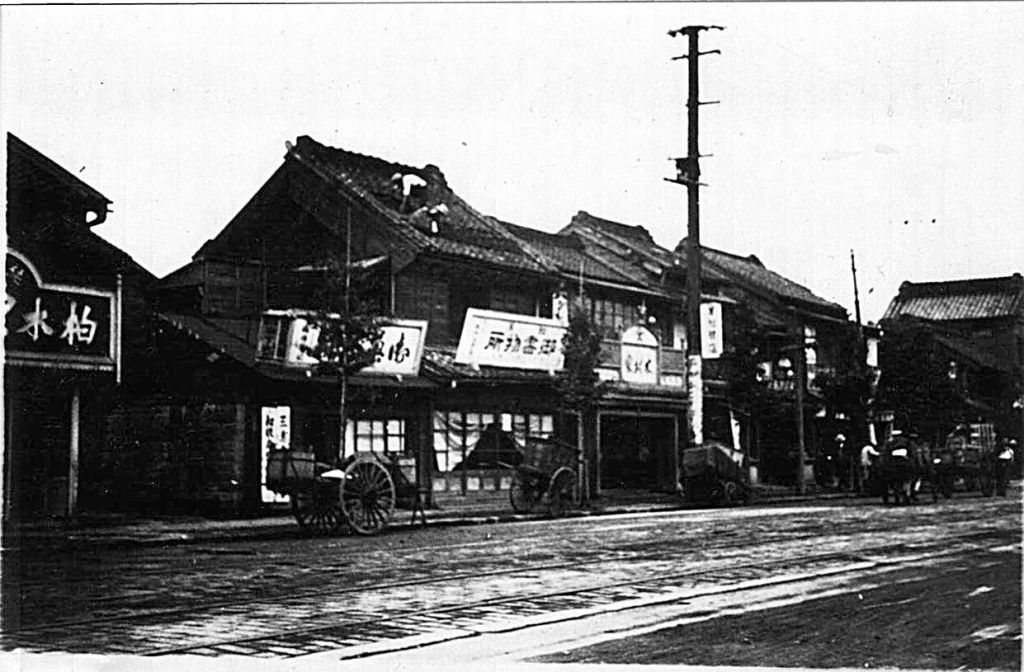
The Jallianwala Bagh massacre

1945年8月からインドで解決しない問題、スバス・チャンドラ・ボースが飛行機事故で死んだのかそれともロシア等の外国に逃走して長い間生きていたのかなども、ラス・ビハリ・ボースが日本語で書いたアムリットサル事件の詳細を読めば正しい判断が出来るはずです。

रास बिहारी बोस के जापानी प्रकाशनों को पढ़ने से आपको भारत में इस लंबे अनसुलझे विवाद पर अपने स्पष्ट निर्णय तक पहुँचने में सहाय मिलेगा, कि क्या सुभाष चन्द्र बोस अगस्त १९४५ में विमान अवपात में मरे, या रूस पलायन करके वहाँ कई बरस बिताये।

By reading Rash Behari Bose’s Japanese publications, you should also be able to come to a clear decision and settle the long unresolved dispute in India, as to whether Subhas Chandra Bose died in an airplane crash in August 1945, or whether he escaped to Russia and continued to live there for many years.
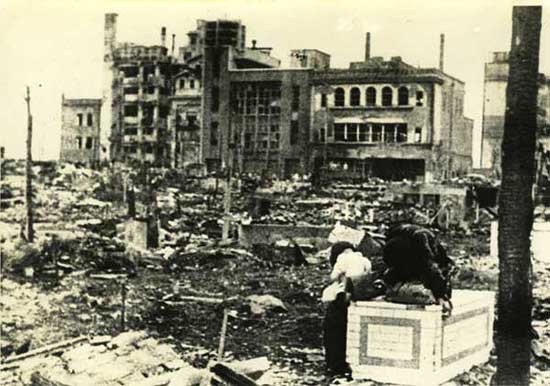
話は戻りますが、なぜラス・ビハリ・ボースはハーディング卿を襲うという爆弾事件をおこしたか解りますか?それは、決してハーディング卿を殺すためではなかったのですよ。殺そうと思えば難しいことではありませんでしたからね。

इस विषय से तनिक हट के, क्या आप जानते हैं कि रास बिहारी बोस ने लॉर्ड हार्डिंग पर प्रहार की योजना बनाया हि क्यों? इसका लक्ष्य हार्डिंग की हत्या कदापि नहीं था। यदि बोस हार्डिंग को मारना चाहते थे, तो यह कठिन नहीं होता।

Moving now to a slightly different topic, do you know exactly why Rash Behari Bose planned the bomb attack on Viceroy Hardinge in the first place? The goal of this was by no means to kill Hardinge. If Bose truly had intended to kill the Viceroy, it would not have been difficult to do.

爆弾騒動を起こした唯一の理由は、イギリスの催眠術にかかって奴隷化しているインド人達の目を覚まさせるためだったのです。次のようなことをインド中、そして世界中の人々に瞬時に強く悟って欲しかったからなのです。

प्रस्फोटन कांड का एकमात्र प्रयोजन था कि भारतवासीयों की आँखें खुल जायें, और ब्रिटिश की दासता की नींद से वह उठ जायें। निम्नांकित बातों को रास बिहारी बोस भारत-भर के वासीयों से और समस्त जग के लोगों से तुरंत अवगत कराना चाहते थे।

The sole purpose of the bombing incident was to open the eyes of the Indian people, and wake them up from their enslavement by the British. The following is what Rash Behari Bose urgently wanted Indians throughout India, and also people around the world, to immediately recognize.

「イギリスの権威などはこのように弱いものだ」

「インド人はイギリス人に支配されることに不服を感じているのだ」

「インド人はイギリス人を追い出す力があるのだ」

ラス・ビハリ・ボースはこう叫んだのです。

“ब्रिटिश शक्ति इतनी दुर्बल है।”

“भारतवासी ब्रिटिश शासन से दुःखी हैं।“

“भारतवासी आंग्लदेश को खदेड़ने हेतु सबल हैं।“

इसी सन्देश को रास बिहारी बोस यथाशक्ति गला फाड़-फाड़कर घोष कर रहे थे।

“British authority is this weak.”
“Indians are discontent being ruled by the British.”
“Indians have the strength to oust England from India”
This is what Rash Behari Bose was shouting out as loud as he could.

誤解の根源 (भ्रामकता का स्रोत – The source of confusion)

ラス・ビハリ・ボースについての情報は故意に撹乱されています。その根源についてちょっと分析してみましょう。

रास बिहारी बोस के बारे में सूच्यांशों के साथ जान-बूझकर खिलवाड़ किया गया है, और इनको अस्त-व्यस्त कर दिये गये। चलिये इस भ्रामकता के स्रोत का कुछ विश्लेषण करें।

Information about Rash Behari Bose has been intentionally toyed with and thrown into disarray. Let us now do a little analysis into the source of this confusion.

ラス・ビハリ・ボースの著書はほとんどが日本語で、そして、彼のことを書いた書物も日本語なのですが、その中に一つユニークな資料があります。それは日本人が英語でラス・ビハリ・ボースについて書いたもので、1954年にミシガン大学から出版されたGeorge Ohsawa著のThe Two Great Indians in Japan, Sri Rash Behari Bose and Netaji Subhas Chandra Boseです。印刷はカルカッタの出版社です。

रास बिहारी बोस के अधिकांश प्रकाशन जापानी भाषा में हैं, और उनके बारे में लिखने वालों में से अधिकांश ने भी जापानी में हि लिखा। परन्तु इन लेखजात में से एक विषम और विलक्षण है। रास बिहारी बोस के बारे में एक पुस्तक है जो कि जॉर्ज ओह्सावा नामक एक जापानी मानस ने आंग्ला भाषा में लिखी। ‘उषाद्वीप में दो महान् भारतीय – श्री रास बिहारी बोस और नेताजी सुभाष चन्द्र बोस’ शीर्षक वाले इस पुस्तक को अमेरिका के मिशिगन विश्वविद्यालय ने १९५४ में प्रकाशित किया। इसे कोलकाता में छपवाया गया।

The majority of Rash Behari Bose’s publications are in the Japanese language, and most of those who wrote about him also wrote in Japanese. Among these materials, however, there is one that is unique. There is a book about Rash Behari Bose written in English by a Japanese man by the name of George Ohsawa. The book, titled The Two Great Indians in Japan, Sri Rash Behari Bose and Netaji Subhas Chandra Bose, was published by Michigan University in 1954. It was printed in Kolkata.

この本にはかなり不確かで、ラス・ビハリ・ボース自身や当事者達が日本語で述べている内容に合わない事があたかも事実のようにかいてあります。そしてラス・ビハリ・ボースや日本人を蔑ませるような内容がたくさん含まれているのです。この本が誤解の根源で、英語で書かれた文献に参考文献として使われ嘘が飛び交っているのです。

इस पुस्तक में ढेर सारी झूठी बातें समाविष्ट हैं, और ऐसे ब्यौरे जिनको अचूक सच्चाईयों कि तरह प्रस्तुत किये गये हैं, किन्तु जो वास्तव में रास बिहारी बोस के अपने साक्ष्य कथन के विपरीत हैं, और ऐसे उषापुत्रों के वक्तव्यों के विरुद्ध, जिनका बोस से निजी मिलन हुआ करता था। इस के अतिरिक्त, इस पुस्तक में ऐसी बातें लिखे गये हैं जिसे पढ़कर पाठकों के मन में रास बिहारी बोस और उषापुत्रों के लिये अवज्ञा उत्पन्न हों। यह पुस्तक महान् मिथ्याबोध का स्रोत बन चुका है, और क्योंकि बोस के विषय में बहुत सारे आंग्ला प्रकाशनों में इसका उल्लेख दिया गया है, इस मिथ्यामति के अनगिनत झूठ अब विस्तृत परिमाण पर चक्कर लगा रहे हैं।

This book contains much misinformation, and even statements that are written as though they are unmistakable truths, but that completely contradict what Rash Behari Bose himself wrote, and what Japanese people who knew him in person wrote about him. Moreover, the book contains many statements that would lead readers to look down upon Rash Behari Bose and Japanese people. This book has been the source of great misunderstandings, and because it has been cited as a reference material in many English materials on Bose, there are now countless lies that are in wide circulation.

それでは、このGeorge Ohsawaについて少し調べてみましょう。

चलें अब जॉर्ज ओह्सावा के बारे में तनिक पड़ताल करें।

Let us now do a little investigation into George Ohsawa.

George Ohsawaは本名を櫻澤 如一(さくらざわ、ゆきかず)といいます。1893年生まれで、マクロビオティックを提唱した人です。1913年に20歳でフランス語を学習し、それから翻訳をたくさん手掛けました。

जॉर्ज ओह्सावा का वास्तविक नाम सकुराज़ावा युकिकाज़ु था। वह १८९३ ईसवी में जन्मे, और ‘दीर्घजीवी आहार’ (macrobiotic diet) के सृजनकर्ता थे। १९१३ में, जब वह २० बरस के थे, उन्होंने फ़्रांसीसी भाषा सीखना आरंभ किया, और आगे जाकर कई अनुवाद संपादित किये।

George Ohsawa’s real name was Sakurazawa Yukikazu. He was born in 1893, and was the creator of the macrobiotic diet. In 1913, when he was 20 years old, he began studying French, and produced many translations.

1945年、日本が敗戦したとみるや否や、Ohsawaはダグラス・マッカーサーにメッセージを送り日本を叩きまくりました。つまりおべっかを使ったわけです。

१९४५ में, उषाद्वीप के महायुद्ध हारने के तुरन्त बाद, ओह्सावा जापान को ताड़ते तिरस्कार करते अनेक सन्देशे अभिसन्धित शक्तियों के श्रेष्ठ सेनाध्यक्ष, डगलस मकार्थर, को भेजने लगे। अपने सुगति के लिये मकार्थर और अमेरिका की चाटुकारी करने की उनकी यह शैली थी।

In 1945, as soon as Japan lost the war, Ohsawa sent messages to Douglas MacAurthur, bashing Japan. This was his way of flattering MacAurthur and America for his own sake.

そして1948年からは世界連邦運動に熱を注ぎ、F.S.C.ノースロップの『東洋と西洋の会合』(上巻:西洋哲学、下巻:東洋思想と東西対立の克服論)を翻訳しました。その本はアメリカ大使館から注文があり450冊も納品しました。つまり、アメリカとイギリスの世界制覇に助力したのです。

फिर १९४८ में, वह विश्व संघवादी आन्दोलन के तीव्र अनुयायी बनें, और एफ़.एस.सी. नोर्थ्राप के ‘पूर्व-पश्चिम का मिलन – वैश्विक समझौते का विवेचन’ नामक पुस्तक का जापानी अनुवाद किया (प्रथम अंक – पाश्चात्य दर्शनशास्त्र, द्वितीय अंक – पूर्वी विचारधाराएं और पूर्व-पश्चिम के झगड़े का समाधान)। अमेरिकीय दूतावास ने ४५० प्रतियां मांग कर कीन लिये। दूसरे शब्दों में, जॉर्ज ओह्सावा ने अमेरिका और ब्रिटन के विश्व अधिनायकता अभियान की सेवा में पूर्वी जगत के नियंत्रण हेतु एक और उपकरण भेंट दी।

Then, in 1948 he became passionately engaged in the World Federalist Movement, and produced a Japanese translation of F.S.C. Northrop’s, The Meeting of East and West: An Inquiry Concerning World Understanding (Volume 1: Western Philosophy, Volume 2: Eastern Thought and Overcoming the Conflict between the East and West). The American Embassy ordered and purchased 450 copies of this book. In other words, George Ohsawa provided a tool for America and Britain to control the East, hence aiding the world domination.

Ohsawaはベンジャミン・フランクリンとモハンダス・K・ガンディーを尊敬していました。フランクリンもガンディーも多かれ少なかれイギリスとアメリカが世界を制覇すべきだという考えを持っていた人物でした。

ओह्सावा को बेनजमिन फ़्रांकलिन और मोहनदास क. गान्धी के लिये बहुत आदर था। फ़्रांकलिन और गान्धी, दोनो का यह साधारण अनुमोदन था कि आंग्लदेश और अमेरिका द्वारा विश्व का नियंत्रण और प्रभुत्व उचित रहेगा।

Ohsawa highly respected Benjamin Franklin and Mohandas K. Gandhi. Franklin and Gandhi were of the general belief that it was correct for England and America to dominate and control the world.

まとめていえば、Ohsawaは、日本が欧米に占領されたらすぐに欧米側につき、それから2年あまりの時に欧米を中心とした世界連邦政府樹立を唱え、いかに西洋が東洋を克服出来るかを説いた人物だということです。

कहानी का समाहार यूँ है कि उषाद्वीप पर अमेरिका के पैर जमाने के तुरन्त पश्चात, ओह्सावा पाश्चात्य पक्ष की ओर चंपत हुए, और मात्र दो वर्ष बाद वह पाश्चात्य के नियंत्रण में विश्व संघवादी शासन के संस्थपना के लिये प्रचारक बने, और उनकी सेवा में यह बताने लगे कि ठीक किस प्रकार पाश्चात्य पक्ष पूरब का पूर्ण परिग्रहण कर सकता है।

In summary, as soon as Japan was occupied by America, Ohsawa rushed to the side of the West, and just two years later he advocated for the establishment of the World Federalist Government by the West, and explained just how the West could take possession of the East.

Ohsawaは1966年に73歳で亡くなるまでには100冊以上の書物を手掛けました。フランス語や英語の出版物も多く、大変な文才があったたようです。そして、彼は徹底した欧米型思考と価値観の持ち主でした。

१९६६ में ७३ के वय में उनका निधन होने तक, वह जापानी में १०० से अधिक पुस्तकें प्रकाशित कर चुके थे। उन्होंने फ़्रांसीसी और आंग्ला में भी अनेक पुस्तक प्रकाशित किये थे। वे काफ़ी विपुल लेखक थे, और पाश्चात्य आदर्शों और मान्यताओं के कट्टर गुणग्राही रहे।

By the time Ohsawa passed away in 1966 at the age of 73, he had published over 100 works in Japanese. He also published many books written in French and English. He was quite a prolific writer, and held strong Western ideals and values.

George Ohsawa

Ohsawaは日本が負けた途端にアメリカにへつらい、欧米が世界制覇することを情熱的に支持したのです。彼はインド独立を支援した日本を軽蔑し、ラス・ビハリ・ボースを矮小化しました。

जापान के पराजय के क्षण भर बाद, ओह्सावा ने अमेरिका की चाटुकारी प्रारम्भ की, और अमेरिकीय और ब्रिटिश जग-प्रभुत्व का आवेशपूर्ण समर्थक बन गये। उन्होंने उषाद्वीप के लिये अवज्ञा जताई, क्योंकि उसने भारतीय स्वाधीनता का समर्थन किया था, और रास बिहारी बोस के सामाजिक छवि को इस प्रकार परिवर्तित किया जिस से कि वे एक महत्वहीन व्यक्तित्व बनके रह जायें।

The moment that Japan lost the war, Ohsawa immediately began flattering America and became a passionate supporter of American and British world domination. He expressed contempt for Japan because she supported Indian independence, and he altered the public image of Rash Behari Bose so that he would be thought of as an insignificant figure.

Ohsawaの価値観と性格と彼の意図する所を念頭に置いて彼の本を洗い直してくださいね。伝統的インドと日本を愛する人は、ラス・ビハリ・ボースを語る時にOhsawaやOhsawaを引用した書きものや人を信用してはいけません。

उनके लक्ष्यों, मान्यताओं और चरित्र को ध्यान में रखते हुए, ओह्सावा के पुस्तक के बारे में कृपया पुनर्विचार करें। यदि आप सच्चे पारम्परिक भारत और उषाद्वीप की प्रतिष्ठा करते हैं, तो रास बिहारी बोस के विषय पर ओह्सावा के लेखों का अन्धविश्वास न करें, न हि किसी ऐसे लेखक का जिसने ओह्सावा के वचन का उल्लेख किया हो।

Please reevaluate your opinion of Ohsawa’s book, bearing in mind his goals, values, and character. If you value the true traditional India and Japan, you must not blindly believe what Ohsawa wrote about Rash Behari Bose, nor should you trust anybody who quotes Ohsawa’s words.

Design a site like this with WordPress.com
Get started