「日本とインドとは太古から強い繋がりがあります。仏教がインドから日本に渡ったのは538年と言われ、、、」
“उषाद्वीप और भारत दोनो के प्राचीन युग से गहरे संबंध रहे हैं। भारत से बौद्ध परंपरा सं. ५३८ ई. में उषाद्वीप आ पहुंचा…”
“Japan and India have had strong connections since ancient times. Buddhism arrived in Japan from India in 538…”
このような言葉を繰り返されると、インドと日本はずっと外交があったような錯覚をうけてしまいそうです。しかし、今のインドと日本の国交が樹立されたのはつい最近のことなのです。1952年8月27日に日印平和条約が発効し、そして始めて日本とインドが付き合うことになりました。つまり、日印友好関係はほんの68年足らずのものなのです。
ऐसी निरन्तर दोहराये जाने वाली बातों को सुनकर हम भ्रमित होकर सोचने लगते हैं कि जापान और भारत की सदा मित्रता हि रही है। किन्तु वास्तव में जापान और इंडिया अचिर हि मित्र बनें। २७ अगस्त १९५२ को जापान-इंडिया शान्ति संविदा पर हस्ताक्षर डाले गये, और तभी से जापान और इंडिया दोस्त बनें। संक्षेप में, उषाद्वीप और इंडिया की मैत्री संबंध ६८ वर्ष से छोटी अवधि की है।
When we hear this kind of statement, which is continually repeated, we become confused and begin to think that India and Japan have always enjoyed friendship. However, in truth, Japan and India became friends very recently. It was on August 27, 1952 that the Japan-India Peace Treaty was signed, and only since then have Japan and India become friends. In short, the amicable relationship between Japan and India is less than 68 years old.
1947年までインドはイギリス領インド帝国の一部で、つまりイギリスの一部だったことは皆知っています。現在のインドは、イギリスの女王を頭にしたイギリス連邦の一部として存在していて、本質的には未だにイギリス帝国の一部であることを私達はつい見過ごしがちです。
हम सब यह जानते हैं कि इंडिया ब्रिटिश साम्राज्य का भाग था, अतः वह ब्रिटिश था। आधुनिक इंडिया भी ब्रिटिश राष्ट्रमण्डल में भागीदार है, जीसकी मुखिया आंग्लदेश की रानी है और इंडिया यह स्वीकारती है। हम इसे अनदेखा करते हैं, पर इंडिया अभी भी ब्रिटिश साम्राज्य का सदस्य है।
We all know that India was a part of the British Indian Empire, and hence, that they were British. Present day India is part of the British Common Wealth of Nations, and maintains the Queen of England as its head. We tend to overlook this, but India is still a member of the British Empire.
そのようなインドとは違って、日本は太古の昔から存在した世界で一番古い国です。1945年から1952年の7年間イギリスやアメリカを主にした連合国に占領されましたが、一応未だに国として存在しています。
इसके विपरीत, उषाद्वीप विश्व के सबसे पुरातन सभ्यताओं में से एक है, जो आज तक चलती आ रही है। यद्यपि जापान पर अभिसन्धित राष्ट्रों ने १९४५ से १९५२ तक ७ वर्ष के लिये अधिग्रहण किया, फिर भी वह किसी तरह ब्रिटिश साम्राज्य से अलग हि अपनी अस्तित्व रखता आया है।
In contrast, Japan is one of the oldest nations in the world which has been continuing since ancient times, until today. Although Japan was occupied by the Allied nations for 7 years between 1945 and 1952, it somehow still exists separately from the British Empire.
つまり、日本とインドと古い繋がりがあると言えるのは、日本が存在し続けたからこそ言える錯覚でしかないのです。実際はインドは1947年に出来た大変新しい国であり、その前に続いた侵略の歴史の前にあったインドとはかなり異なっています。この事実をはっきりさせることは思いの外重要なのです。
अतः, यह सोचना कि इंडिया और जापान एक लंबी इतिहास के साझेदार हैं मात्र भ्रम हि है। ऐसा केवल इसलिये लगता है क्योंकि इंडिया के कुछ संकेत जापान के प्राचीन संस्कृति में दीखते हैं। सच तो यह है कि जो इंडिया आज देखने में मिलता है, वह एक नव निर्मित समाज है जो कि कुछ हि बरस बीते, १९४७ में स्थापित हुआ। यह नया देश उस प्राचीन भारत से अत्यंत भिन्न है जो पाश्चात्य आक्रमण से पहले विद्यमान था। संप्रदायिक भारत और इस नये इंडिया का भेद करना बहुत ही विवेकशील महत्व रखता है।
Therefore, it is only confusion to think that India and Japan share a long history. It seems that way only because some traces of India are visible in the ancient culture of Japan. The truth is that India as it exists today is only a very new country which was established in 1947. This new nation is extremely different from ancient India as it was before western invasion. It is important to distinguish the difference between traditional India and the new India.
ここで、ラス・ビハリ・ボースが命をかけたインド独立は失敗に終わってしまったということをはっきりさせなくてはなりません。今のインドはイギリスの傘下にある自治国でしかありません。それが証拠に、1945年まで必死に日本で日本と一緒に戦ったインド独立の英雄たちは抹消されてしまったのです。現在のインド人は日本で戦い、そして亡くなっていったインドの雄姿たちがいたことすら忘れてしまっています。
इस मोड़ पर स्पष्ट कर दूँ कि जिस स्वतंत्रता के लिये रास बिहारी बोस ने अपने प्राण न्यौछावर किये थे, वह सचमुच विफल रहा। जो इंडिया आज जीवंत है, वह सही समझ में ब्रिटन का केवल उपराज्य है। आज के इंडियन लोग इस बात से सरासर अनभिज्ञ हैं कि सहस्रों ऐसे भारतीय स्वतंत्रता संग्रामी थे जिन्होंने मातृभूमि के लिये प्राण नौछावर करके उषाद्वीप पर देह त्यागे। इसका ठोस प्रमाण यह है कि भारत के जिन क्रान्तिकारियों ने जापान में संघर्ष किया, और उषापुत्रों के साथ कंधे मिलाकर पाश्चात्य देशों से लड़े, वे सब के सब इंडिया के सार्वजनिक स्मृति पटल से मिटा दिये गये हैं।
At this stage, I would like to clarify that the Indian independence that Rash Behari Bose sacrificed his life for, indeed ended in failure. The India that is surviving now is only a dominion of Britain in true sense. Present Indians are completely oblivious about the fact that there were hundreds and thousands of Indian freedom fighters who sacrificed their lives for their motherland and died in Japan. This is evidenced by the fact that all of the Indian freedom fighters who fought for independence in Japan, alongside Japanese people, have been completely wiped clean from modern India’s memory.
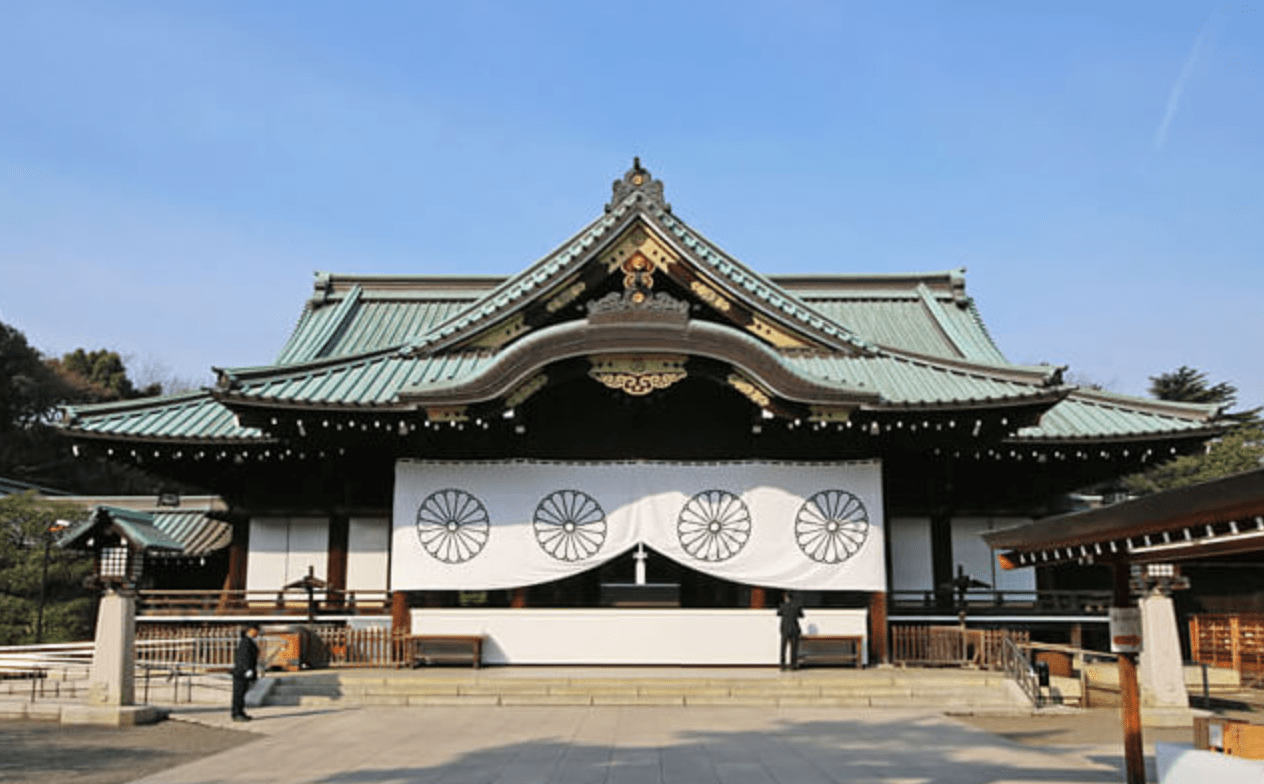
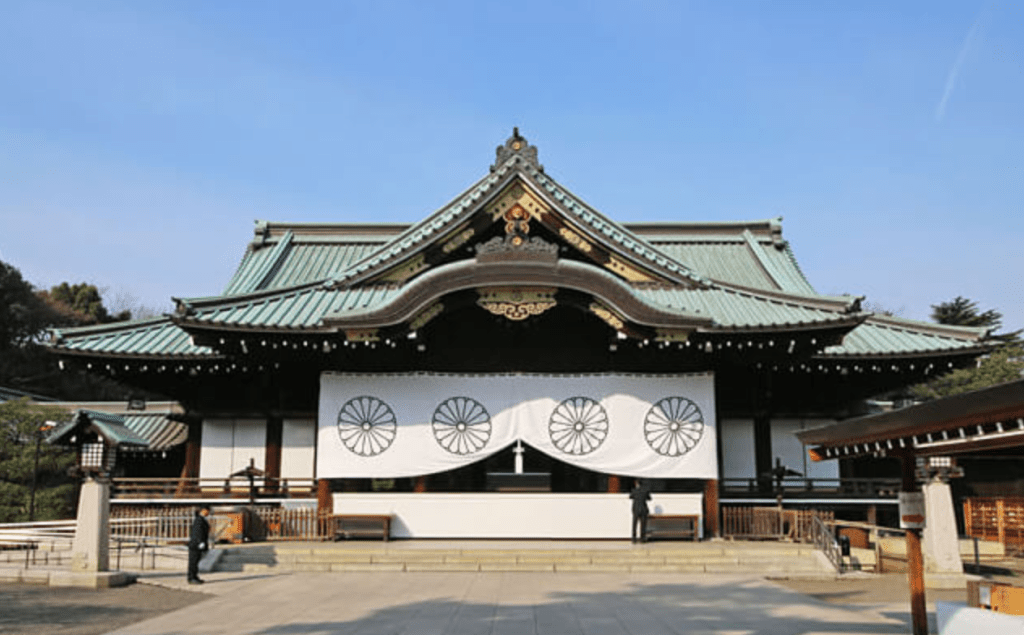
大東亜戦争の結末として、連合軍は極東軍事裁判と称して日本を裁きました。そして、A級戦犯として、東條英機始め7人の日本人を処刑しました。(A級戦犯の罪状は平和を乱した罪というもので、如何なる人間にも当てはめられる性質の罪状なのです。しかし、それが極悪な人間に当てはまる罪であるかのように世間に思い込ませて永久に汚名をかぶせました。そして、未だに靖国神社を取りざたにして日本を誹謗中傷します。)(靖国は軍国主義とは異質なものです。靖らかな国、つまりおだやかな国なのです。)
बृहत् पूर्वी एशियाई युद्ध के समापन पर, अभिसंधित राष्ट्रों (मूलतः ब्रिटन और अमेरिका) ने जापान को दंड परोसने के उद्देश्य से एक बनावटी कचहरी कल्पित की, जिसे सुदूर पूर्वी निमित्त सैन्य न्यायाधिकरण नामित किया। उन्होंने एक शीर्षक बनाया, “क्लास ए क्रिमिनल (प्रथम श्रेणी का अपराधी)”, दुनिया को यह मिथ्या धारणा दी कि यह सबसे घिनौने हत्यारों की श्रेणी थी, और इस आधार पर ७ उच्च स्तर के उषापुत्रों को लटका दिया। यद्यपि “क्लास ए क्रिमिनल” की वास्तविक परिभाषा “शांति के विरोध में अपराध” करने वाला था (अर्थात् जिसे भी चाहो, उसे इस श्रेणी में ठूंस दिया जा सकता था)। लोग उषाद्वीप की निन्दा करते हैं, और यासुकुनी समाधिस्थल को जापानी सैन्यवादी विचारधारा का प्रतीक बताते हैं। (वास्तव में यासुकुनी समाधिस्थल का आक्रामकता से कोई संबंध नहीं। नाम ‘यासुकुनी’ का अर्थ है ‘शान्तिपूर्ण राष्ट्र’।)
At the conclusion of the Greater East Asia War, the Allied nations (basically Britain and America) dealt out punishment to Japan by creating a fake court, the International Military Tribunal for the Far East. They created a title, “Class A Criminal,” gave the world the false impression that this was a title assigned to the worst murderers, and hung 7 Japanese on this premise. The definition of a Class A Criminal is in fact, one who committed “a crime against peace.” (This means that practically anybody could be twisted to fit into this category.) People criticize Japan, using Yasukuni Shrine as a symbol of militarism. (In reality, Yasukuni Shrine has nothing at all to do with aggression. The name Yasukuni literally means “peaceful nation.”)
日本とドイツは1940年に同盟を結びましたが、あくまでも戦略的理由によるものであってお互いの間には常に相容れないものがありました。ドイツの白人主義は非常に根強く、有色人種を見下していました。もちろん彼らは日本人をも見下していました。人種平等を重んじる日本はドイツの白人優越主義的人種偏見に対抗しました。樋口季一郎、松岡洋右、東條英機、板垣征四郎、犬塚惟茂、安江仙弘らは、ドイツの迫害から遁れ1938年にはソ連の難民拒否にあった2万人、1942年には3万人、計5万人のユダヤ人の命をナチスの迫害から救いました。このようなことはメディアに取り上げられることはなく、6千人のユダヤ人を救った杉山千畝の話だけを紹介しています。その話でさえも杉原千畝個人が日本政府に背いてユダヤ人を救ったというシナリオになっていて、日本政府や日本軍を非難する材料に使われています。東洋のインドを救おうとした日本人は、有色人種に偏見を持ちユダヤを迫害するドイツに真っ向から反目していまいた。インドを白人の手から助けようと努力する日本人の前に、白人優越主義者ヒットラーのインド人版が現れ、ヒットラーの敬称のサンスクリット語版ネタージーで呼ばれることを要求したのですから、当時の日本人有識者たちは眉をひそめたのも無理はありません。
जापान ने १९४० में जर्मनी के साथ सैन्य सन्धि किया था। बृहत्तर पूर्वी एशियाई सह-समृद्धि मण्डल के शीर्ष के रूप में अपनी स्वीकृति के लिये जापान को जर्मनी के समर्थन की आवश्यकता थी। अपितु उनके सन्धि की परिधि वहीं तक सीमीत थी। जर्मन गोरे वर्चस्ववादी थे और उषापुत्रों को हीन मानते थे। जापान सभी मनुष्य-जातियों के सामरस्य पर आग्रह करता था, और महायुद्ध के समय भी जापान ने जर्मन जातिवाद के विरोध कदम उठाया। हिगुचि कीचिरो, मात्सुओका योसुके, तोजो हिदेकि, इतागाकि सेइशिरो, इनुज़ुका कोरेशिगे, यासुए नोरिहिरो, इत्यादि ने सब मिलकर नाज़ी-वादियों के चंगुल से ५०,००० यहूदी प्राण बचाएं (१९३८ में २०,००० और १९४२ में ३०,०००)। वार्ता-माध्यमों में यब बात विरल ही बताया जाता है। परन्तु केवल ६००० यहूदियों को बचाने वाले सुगियुरा चियुने के बारे में बहुत चर्चा होती है, इस बात को लेकर कि इन्होंने इस मानवीय कार्य के लिये जापान सरकार का उल्लंघन किया, जबकि जापान सरकार के आदेशों का पालन करने वालों बहुतों में से वह केवल एक हि अपवाद थे।
जापानी लोग भारत को एशियाई देशों में से एक मानते थे। दूसरी ओर जापान अश्वेत जातियों और यहूदियों के बारे जर्मनी के गोरे जातिवादी नीतियों के विरोध में खड़ा था। सो जब कोकेशियाई-वर्चस्ववादी हिटलर का देशी अवतार, सुभाष चंद्र बोस, जापानी भूमि पधारे और उनके आज्ञाकारिता और सम्मान का अनुरोध करके स्वयं को “हमारा नेता” बुलवाने की अपेक्षा रखने लगे, तब उषाद्वीप के अभिजात वर्ग को कष्ट और असमंजस हुआ होगा।
Japan signed a military treaty in 1940 with Germany. Japan needed German support in order to be accepted as the leader of Greater East Asia Coprosperity Sphere. However, the extent of their alliance ended at that level. Germans were white supremacists and regarded Japanese as inferior. Japanese insisted on the racial equality of all the races, and even during the war, Japan fought against German racism. Higuchi Kiichirō, Matsuoka Yōsuke, Tōjō Hideki, Itagaki Seishirō, Inuzuka Koreshige, Yasue Norihiro, etc., saved a total of 50,000 Jewish lives (20,000 in 1938 and 30,000 in 1942) from the Nazis. This fact is hardly mentioned in the media. Sugiura Chiune who saved only 6,000 Jews are talked about to criticize Japan, emphasizing that for this humanitarian act he went against Japanese government, despite the fact that he was only one of many who followed the order of Japanese government.
Japanese considered India as among Asian nations. On the other hand, Japan was against German racist policies against all colored races and the Jews. It must have been quite troublesome for educated Japanese to see Subhash Chandra Bose, an Indian version of Caucasian-supremacist Hitler, arriving on Japanese territory, demanding their obedience and respect, and expecting them to call him “Our Leader“.
東條英機が何をしたかというと、インド人達に日本がインド独立を完全援助すると約束したことと、戦時中、何万ものユダヤ人をソ連やヨーロッパから救い出したことです。つまり、一般人を無差別に大量虐殺する欧米に楯突いて、インド人や東アジア人やユダヤ人の命を救ったことが、欧米にとっては都合が悪いのです。ただ単に日本人を処刑する事によって、本当に極悪非道を尽くしているのはアメリカ、イギリス、ロシア、中国、そしてヨーロッパの国々であるのだということを忘れさせて人の心を惑わせているのです。
तोजो हिदेकी की सबसे बड़ी भूल यह थी कि उन्होंने खुल्लम खुल्ला यह घोषणा कर दी कि जापान भारत की स्वतंत्रता के लिये पूरा समर्थन और सहाय देगा, और जापान ने जर्मनी और दूसरे शक्तियों के विरोध में सहस्रों यहूदियों को यूरोप और रूस से उषाद्वीप के रस्ते से पलायन करने में सहायता की। अमेरिका और ब्रिटन को उसे अपराधी बुलाना हि पड़ा, क्योंकि उन्होंने उनके उद्देश्यों में बाधाएं डालीं, और क्योंकि उन्होंने भारतीय, पूर्वी एशियाई और यहूदी लोगों की प्राणों की रक्षा को प्राथमिकता दी। उषापुत्रों को लटकाने का यह उद्देश्य था कि विश्व के जनमानस को भ्रम में डाला जाये और वे भूलने लगे कि वास्तव में ब्रिटिन, यूरोप, रूस और अमेरिका हि वह शक्तियां हैं जो महान् अत्याचारी हैं और मानव जाति को दुःख पहुंचाते आ रहे हैं।
The biggest mistake that Tojo Hideki made was that he promised publicly that Japan would offer complete assistance to Indian independence, and that he went against Germany and other nations, helping tens of thousands of Jews escape from Russia and Europe, via Japan. America and Britain had to call him a criminal and execute him because he did not follow their agenda, and because he helped the lives of Indians, East Asians and Jews. By executing Japanese, they drove the world into confusion and forget that it was indeed British, Europeans, Russians and Americans who have been committing mass atrocities, and giving the human race misery.
何をどう信じようと、インド人の命を救ってくれた東條英機を、インド人が欧米のプロパガンダに振り回されてヒットラーと重ねて考えるのはよろしくありません。
आप जो भी माने या न माने, पाश्चात्य कुप्रचार की बातों में आकर भारतीयों का हिटलर और तोजो हिदेकी के छवियों को एक समान ठहराना एक बड़ी भूल है। तोजो हिदेकी ने कई भारतीय प्राणों को बचाया।
Whatever you believe, it is wrong for Indians to overlap the image of Tojo Hideki with that of Hitler, controlled by Western propaganda. Tojo Hideki indeed saved many Indian lives.
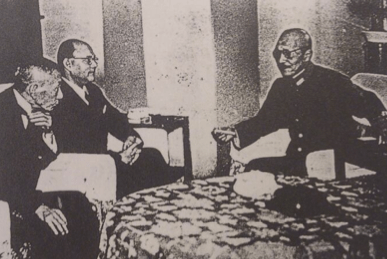
アメリカとイギリスは日本を占領するや否や、インド人に協力した日印協会やラス・ビハリ・ボースを支援した玄洋社や黒竜会を解散させました。戦後生き残った在日インド人は欧米に従う者だけが取り立てられ、他は苦しい思いをしました。
उषाद्वीप का अधिग्रहण करने के तुरंत बाद ब्रिटन और अमेरिका ने निची-इन क्योकाय को बंद करवा दिया, जो कि भारत को आर्थिक सहाय पहुंचाने वाली एक जापानी संस्था थी, ओर उन्होंने गिन-यो-षा और कोकुर्यु-कोय को भी बंद करवा दिया, जो रास बिहारी बोस के समर्थक थे। जापान में बसे भारतीय स्वतंत्रता संग्रामियों मे से केवल उन लोगों से ठीक व्यवहार किया गया जिन्होंने ब्रिटन से पूर्णतः विश्वास नहीं तोड़ा था, और अन्य सारों को कड़ी कठिनाईयों का सामना करना पड़ा।
As soon as America and Britain occupied Japan, they forced the closure of the Nichi-in Kyōkai, a Japanese organisation that helped the Indian economy, and also closed down Gen’yō-Sha and Kokuryū-kai, which supported Rash Behari Bose. Amongst the Indian freedom fighters in Japan, only those who were loyal to Britain were treated well, but others were all forced to suffer hardship.
1905年から1945年までの40年間、何千何万というインド人がインド独立を願って日本にやってきましたが、その数は迷宮入りです。日本側から調べれば調べられないことはないかも知れませんが、インド側からは無理です。なにせ、今のインドが1950年に建国する前の歴史なので、必要のない情報だからです。
१९०५ और १९४५ के बीच के ४० बरसों में दसों सहस्रों भारतीय स्वतंत्रता संग्रामी उषाद्वीप आ बसे, परन्तु उनका सही आकलन कोई कभी नहीं करेगा। इसके बारे में अधिक जानकारियां जापानी स्रोतों से मिल सकता है, परन्तु इंडिया में यह आकलन मिलना दुष्कर है क्योंकि वर्तमान इंडिया तो केवल १९५० में आरंभ हुआ, और ऐसा प्रतीत होता है कि उसके पहले की जानकारियां इस इंडिया के लिये कोई महत्व नहीं रखता, क्योंकि यह मात्र ७० बरस का है।
During the 40 years between 1905 and 1945, tens of thousands of Indian freedom fighters came and lived in Japan, but their actual number will never be looked into. One may be able to find this information from Japanese sources, but it is impossible to get that data in India, because the present India was started only in 1950, and any information before that year is not of any interest to the present India that is only 70 years old.
1905年から1945年までの40年間に東京が火に包まれたことが二度あります。1923年には関東大震災がありました。そして、1942年から1945年にかけては度重なる大空襲でアメリカとイギリスに百万人もの住民が大量虐殺されました。命を落としたのは日本人ばかりではありません、その何千何万というインド独立の英雄達も日本で命を落としたのです。その数をはっきりさせることは今のインドには期待できませんが、調べようと思えば、ある程度はっきりした数が出るはずです。
१९०५ और १९४५ के बीच के ४० बरसों में तोक्यो दो बार नष्टप्राय हो चुका था। १९२३ में, कांतो का महाभूकंप और महानल की लपटों में कईयों ने प्राण त्यागे। पुनः, १९२४ और १९४५ के बीच, तोक्यो ने ब्रिटन और अमेरिका के हाथों १०६ कट-बमबारियां झेले। बीभत्स संख्या में निहत्थे नागकरिक मरे, अपितु गतासुओं में केवल उषापुत्र हि सम्मिलित नहीं थे। कृपया यह स्मार रखें कि दसों सहस्रों भारतीय स्वतंत्रता संग्रामी भी उनके साथ मारे गये। यह अपेक्षा नहीं की जा सकती कि वर्तमान इंडिया का सरकार इस कांड की जांच करेगा, परन्तु यदि शोधकर्ताओं ने जापान में सच्चे लगन से पड़ताल की तो एक विश्वसनीय आकलन का उभरना संभव है।
During 40 years between 1905 and 1945, Tokyo was almost completely ruined twice. In 1923, the earthquake and great fire of the Great Kanto Earthquake claimed many lives. Then, between 1924 and 1945, Tokyo suffered 106 carpet bombings by Britain and America. A horrendous number of civilian lives was lost, however, it was not only Japanese who were killed there. Please remember that tens of thousands of Indian Freedom fighters were killed along with them. The present Indian government cannot be expected to look into this, but if researchers put in honest effort in Japan, they should be able to come up with a reliable figure.
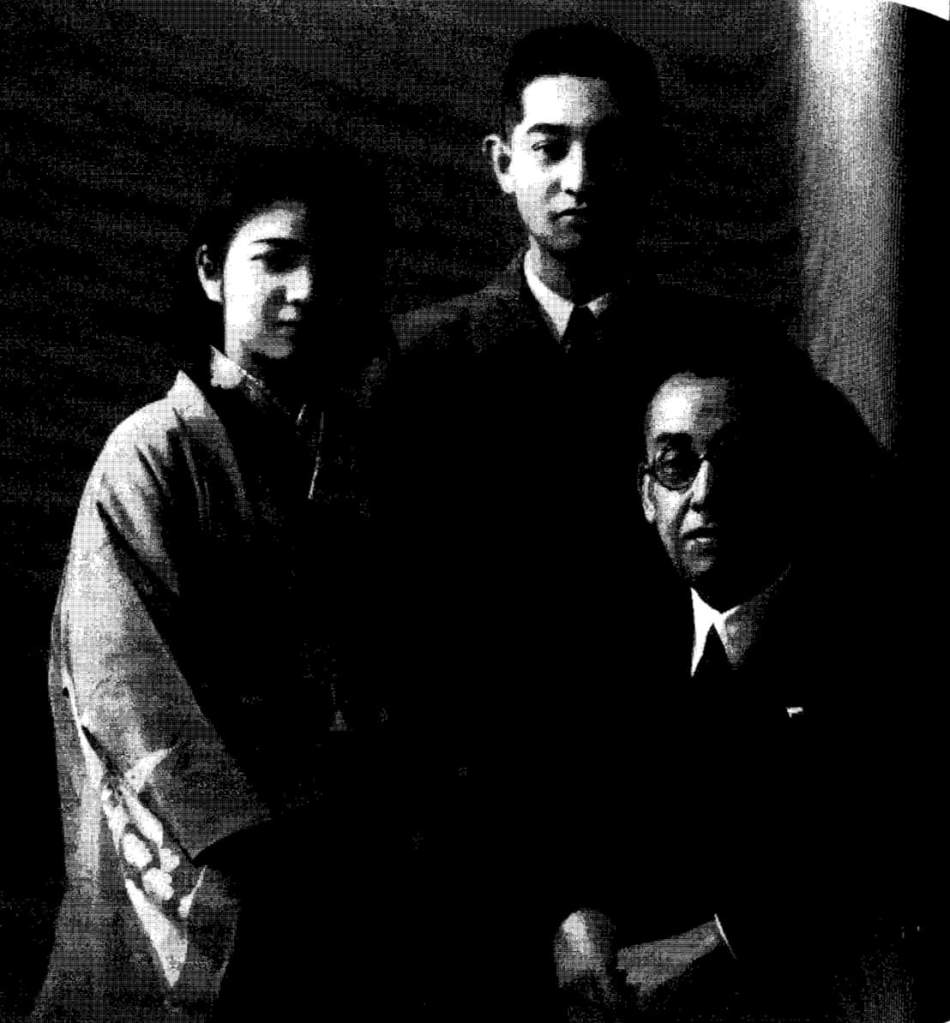
インド人は1923年の関東大震災と1943から1945年にかけての日本全土大空襲を日本の惨状としてのみ捉えるのではなく、抹消されたインド独立の志士の冥福を祈るのもよいことだと思います。そして、ラス・ビハリ・ボースの息子が合祀された靖国神社にも出向くのもいいと思います
मेरी मति में भारतवासियों को कांतो का महाभूकंप (१९२३) और ब्रिटन और अमेरिका द्वारा बड़े परिमाण पर किये गये उषाद्वीप की कट-बमबारी (१९४२-१९४५) को जापानी विपदाएं नहीं समझनी चाहिये, अपितु उनमें मारे गये भारतीय स्वतंत्रता संग्रामियों के लिये भी अपनी वन्दना जोड़नी चाहिये। इससे आगे, भारतीयों को शायद यासुकुनी समाधिस्थल के दर्शन भी करनी चाहिये, जहाँ रास बिहारी बोस का औरस पुत्र की समाधि भी है।
In my opinion, Indians should not take the Great Kanto Earthquake (1923) and massive carpet bombings of Japan by Britain and America (1942-1945) as Japanese disasters, but they must also pray for the Indian freedom fighters who lost their lives in Japan. Furthermore, Indians might want to visit Yasukuni Shrine where Rash Behari Bose’s very own son is enshrined.
多くのインド独立の志士たちが日本女性と結婚したのも事実です。そして、インド人の血をひいた日本人達も関東大震災や日本全土大空襲で亡くなったり、靖国神社に合祀されていたりしているのです。
मुझे ज्ञात है कि जापान में बसे कई भारतीय स्वतंत्रता संग्रीमियों ने उषापुत्रीयों को ब्याहा। इसके अतिरिक्त, इन महानलों में ऐसे कई उषापुत्र जल गये जिनकी रगों में भारतीय स्वतंत्रता संग्रामियों की लहू बहती थी, और ऐसे उषापुत्रों को तोक्यो-तो इरेइदो (तोक्यो स्मारक सभागार) में आदर दिया गया है, जबकि अन्य वीर योद्धाओं को यासुकुनी समाधिस्थल पर पूजा जाता है।
I know that many Indian freedom fighters in Japan got married to Japanese ladies. Moreover, there are many Japanese with Indian freedom fighter’s blood who lost their lives during those great fires, and they are respected at the Tokyo-to Ireidō, whereas other brave fighters are worshiped at Yasukuni Shrine.
インド独立の志士であった在日インド人の資料は、公開することが難しくなっているのでお見せできませんが、インドの皆さんが求めれば手にすることが出来るものです。
मैं विश्वास के साथ नहीं कह सकती कि जापान में उस समय ठीक कितने भारतीय स्वतंत्रता संग्रामी मारे गये। परन्तु मूल लेखजात हर किसी के लिये अभिगम्य हैं, यदि कोई चाहे।
I cannot confidently reveal any information regarding Indian Freedom fighters who died in Japan at this time. However, anybody can obtain access to the original artifacts, if one so wishes.
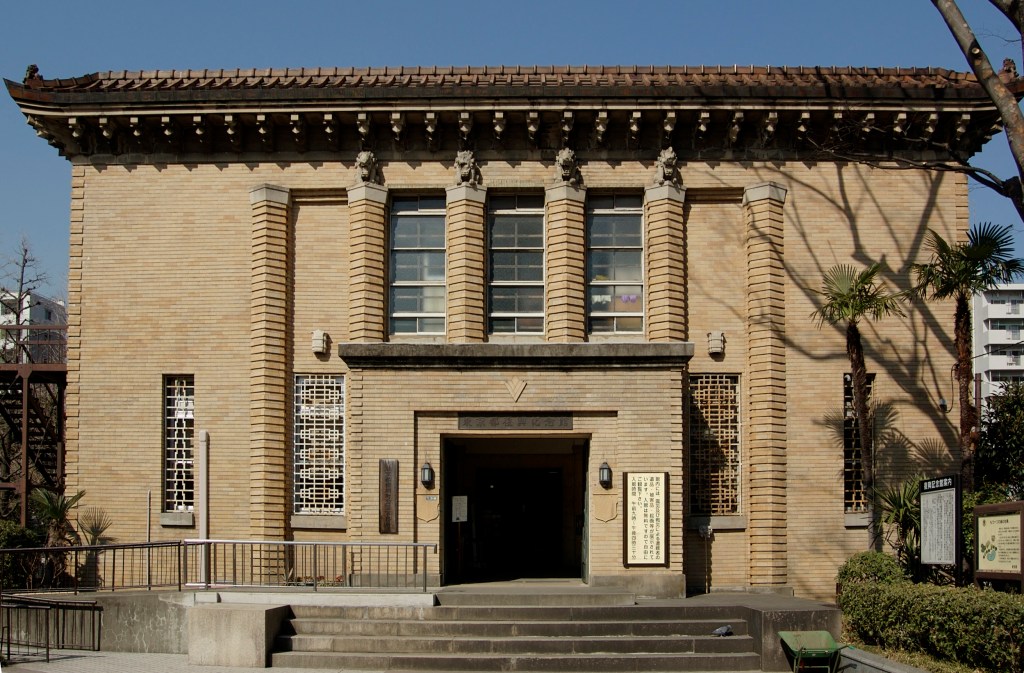
インドの皆さんは東京を訪れたら、東京都墨田区横網町にある、東京都復興記念館と東京都慰霊堂を是非訪れてください。そして、関東大震災と東京大空襲で命を落としたインド独立の志士に思いを馳せ、手を合わせてください。そこに掲げてある写真の中にインド人が見いだせるはずです。
कृपया तोक्यो-तो फ़ुक्को स्मारक संग्रहालय और तोक्यो-तो इरेइदो के दर्शन करिये, जो सुमिदा विभाग में स्थित है, और उन भारतीय स्वतंत्रता संग्रामियों के लिये वन्दना करें जिनको उनके देशवासियों ने उपेक्षित किया है। कांतो के महाभूकंप आपदा की चित्रावली में आप कुछ देशी चहरों को लक्षित कर सकेंगे।
Please visit the Tokyo-to Fukko Memorial Museum and Tokyo-to Ireidō in Yokoami-cho, Sumida Ward, and pray for the Indian freedom fighters who have been neglected by their fellow Indian citizens. You will be able to spot some Indian people in the picture panel display for the Great Kanto Earthquake disaster.
そして、靖国神社に合祀されているインド独立の志士とその家族にも手を合わせてくださいね。
कृपया यासुकुनी समाधिस्थल भी जाएं, यह मन में रखते हुए कि वहां भारतीय स्वतंत्रता संग्रामियों की आत्माओं को भी पूजा जाता है।
Please also go visit Yasukuni Shrine, keeping in mind that Indian freedom fighter’s spirits are also worshiped there.
 Rash Behari Bose
Really enchanting.
LikeLike