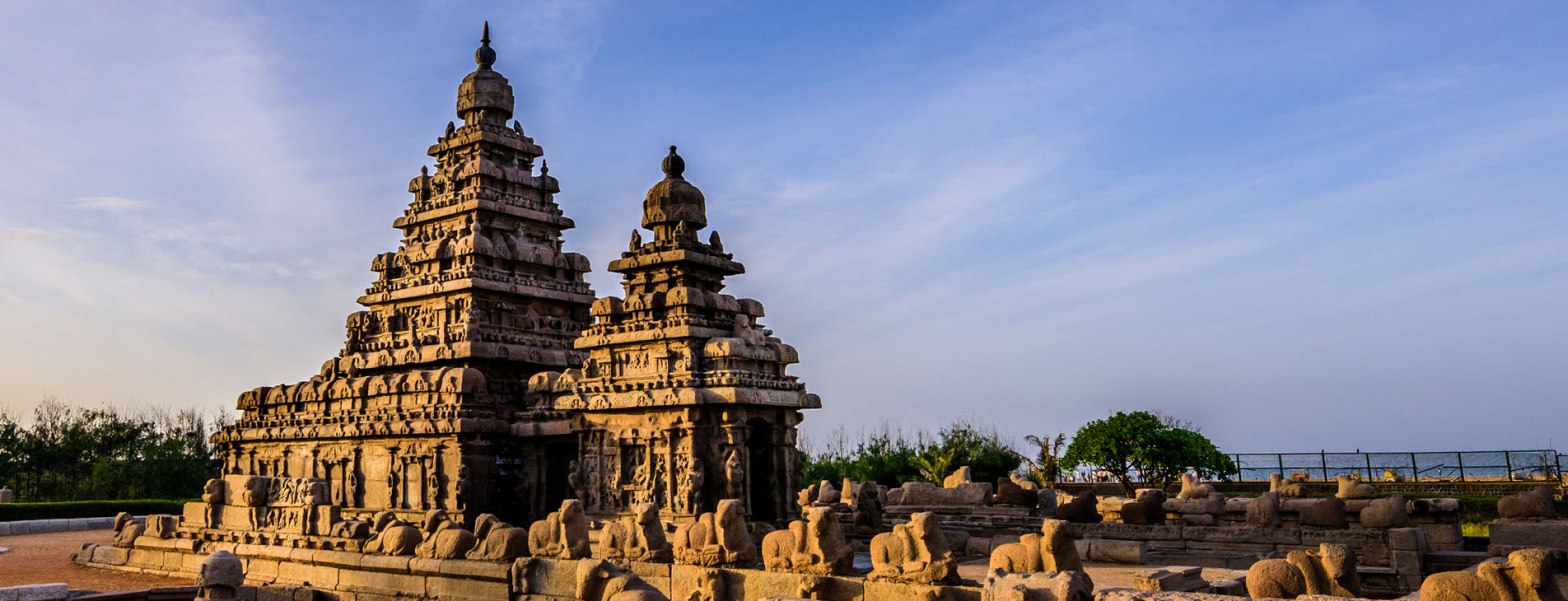
インド文化とサンスクリット語が何千年もの間浸透してきた地域をインド文化圏と言いますが、それを私は敢えてここでサンスクリット文化圏と言い換えます。なぜなら、インドと言う言葉が今のインド国を指すために、現在のインドと言う国が影響した国という印象になってしまい、どちらかというと現在のインドが中心になって想像されてしまうからです。
कुछ लोग भारतीय संस्कृति और संस्कृत भाषा से व्याप्त देशों को विशाल भारत के नाम से लक्षित करते हैं। किन्तु इस लेखावलि में मैंने इस क्षेत्र को संस्कृतनिष्ठ सांस्कृतिक मण्डल के नाम से अभिहित किया है। इसका कारण यह है कि वर्तमान में भारत का नाम केवल एक संकीर्ण परिभाषित राजनीतिक इकाई को सन्दर्भित करती है, और यदि यहाँ विशाल भारत जैसे नाम का उपयोग को खींचा जाए तो पाठकों को यह भ्रम हो सकता है कि संस्कृतनिष्ठ सांस्कृतिक मण्डल के सदस्य देश वर्तमान भारत जैसे समाज से प्रभावित हुए होंगे। ऐसे में लोग सम्भवतः इस निष्कर्ष पर पहुँचेंगे कि यह संकीर्ण भारत ही उन सकल संस्कृतियों का केन्द्र बिन्दु है।
Some people use the word Greater India to refer to the areas that were permeated by Indian culture and Sanskrit language. However, in this blog, I use the name Sanskrit Cultural Sphere to indicate such regions. The reason for this is that presently, the word India refers only to a narrowly defined political entity, and if I continue to use the term Greater India, readers may become confused that these members of the Sanskrit Cultural Sphere had been influenced by India as it exists today. If this happens, people may then conclude that this narrowly defined India is the center of all such cultures.
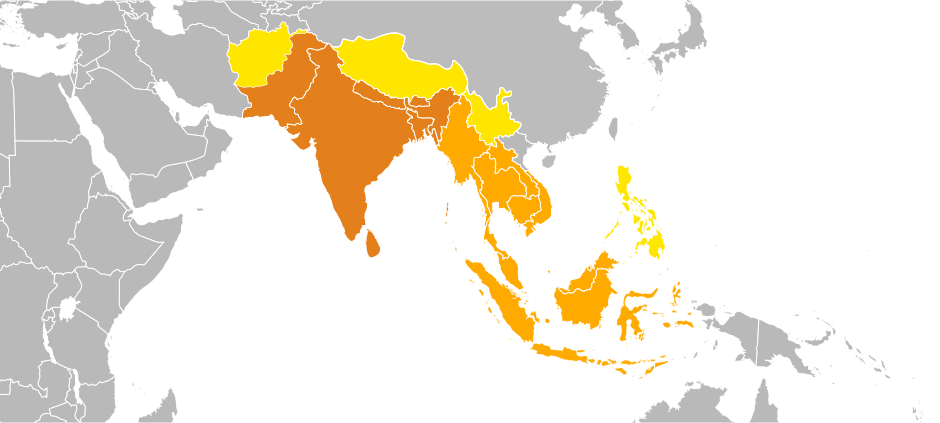
下の地図では、古代インド文化の影響が強い所が濃いオレンジ色で、その次に強い所が淡いオレンジ、もう少し弱めの所が黄色になっています。これらの地域全てが欧米の植民地にされた過去を持ち、荒らしたい放題荒らされましたから、現在いったいどの地域に古代インド文化が継承されているのかは疑問です。しかし、これら全ての地域にヒンドゥー教と仏教とサンスクリット語が残っています。
निम्न मानचित्र पर दृष्टि पसारें। गहरे नारंगी रंग में वह देश हैं जहाँ प्राचीन भारत का प्रभाव प्रबल है, और तदनुसार छाया जितनी हलकी उतना ही फीका।
Please take a look at the map below. Dark orange indicates the areas in which the influence of the Ancient India is the greatest, and accordingly, the lighter the shade, the weaker the influence.
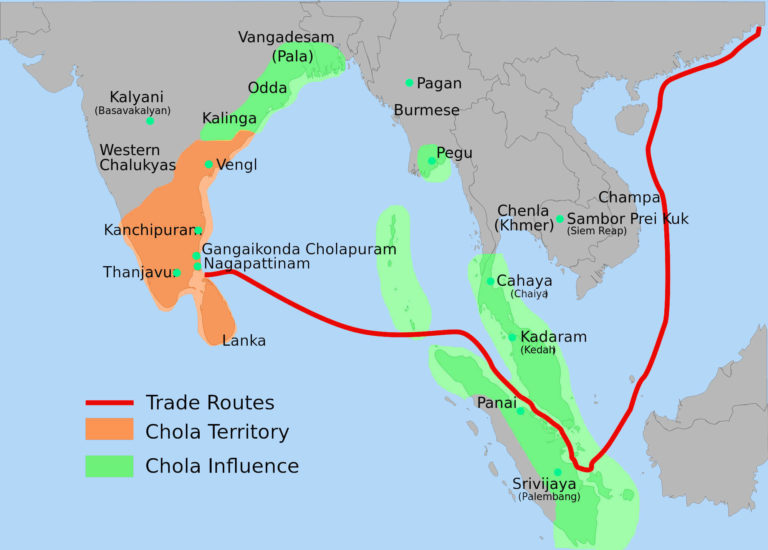
848年に成立したチョラー朝は、最大勢力時期の1030年ごろにはこの地域を広く支配していて、海軍が活動し、海賊を退治したりして海の安全を守っていました。赤い線は貿易のルートで日本まで続いています。これは1279年まで続きました。
अगला मानचित्र चोळ साम्राज्य को रेखांकित करती है, जो कि दक्षिण भारत में ८४८ ई. में स्थापित किया गया, और दर्शाये गए क्षेत्र पर नियंत्रण रखा करती थी। उसकी नौसेना इन समुद्रों पर पहरा लगाती थी। (पराकाष्ठा सं. १०३० को पहुँची।) लाल रेखा उस व्यापार-मार्ग को इंगित करती है जो मलय और इंदुनीशिया से होकर उषाद्वीप तक पहुँचता था। यह चोळ व्यापार-मार्ग १२७९ तक क्रियाशील रही।
The following map indicates the Chola Empire, which was established in South India in 848, and was controlling the area shown below. Its navy was policing this part of waters. (The peak period was 1030. ) The red line indicates the trade route that went through Malaysia and Indonesia, all the way up to Japan. The Chola trade route was active until 1279.
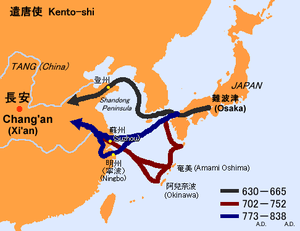
日本では600年には最初の遣隋使、618年には最初の遣唐使が送られました。これはあくまでも公的な使いを隋そしてその後の唐の国に送ったというもので、貿易や漁業などはずっと長く頻繁に広く行われていました。
उषाद्वीप ने स्वे राज्य (चीन) को सं. ६०० ई. से नियोग भेजना आरम्भ किया, और फिर ६१८ से तांग राज्य को (जब स्वे को तांग वंश ने वश में लिया)। सं. ६०० से लेकर ८९४ ई. तक पूरे २३ राजनियोग प्रेषित किये गए। यह मात्र औपचारिक यात्राएँ थीं जो इतिहास के पन्नों में पंजीकृत हैं, किन्तु निजी व्यापारी नियोग और मीनग्राही नौकाओं की यातायात इस क्षेत्र में बहुत पहले से ही प्रचलित थे और काफी देर तक चलती रही।
Japan sent missions to Sui, China, starting from the year 600, and to Tang (after Sui was taken over by Tang), starting in 618. A total of 23 missions were sent between 600 and 894. These were the official voyages that have been recorded in history, however, there were also private trade missions and fishing boats that frequented this area, starting from much earlier, and which continued for a very long time.
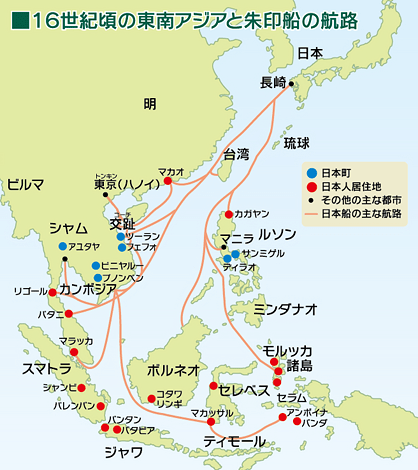
16世紀ごろの貿易ルートと朱印船の航路は次のとおりです。青い丸は日本町、赤い丸は日本人の居留地で、日本人は東南アジアの色々な土地に溶け込んで活躍していました。
अगला मानचित्र १५०० की शताब्दी के जापानी व्यापार मार्गों को दर्शाता है। नीले वृत्त जापानी नगरों को इंगित करते हैं और लाल वृत्त जापानी आवासीय क्षेत्रों को। दूर और विस्तीर्ण परिमाण पर पूर्वी एषियाई देशों के साथ उषापुत्रों ने व्यापार किया, उन क्षेत्रों में बसे, और पूर्वी एशियाई संस्कृति में बड़े भागीदार बने।
The following map indicates the Japanese trade routes of the 1500s. The blue circles indicate Japanese towns, and the red circles show Japanese residential areas. The Japanese traded with East Asian nations far and wide, they settled in these areas , and were a big part of East Asian culture.
日本に仏教が伝わったとされるのが538年ごろといわれ、そのころからインド文化やサンスクリット語も熱心に学ばれました。
इसके बहुत पहले ही, सं. ५३८ ई. में, बौद्ध सम्प्रदाय उषाद्वीप पहुँच चुकी थी और भिक्षु ब्रह्मचारीयों ने व्यासंग भाव से भारतीय संस्कृति और संस्कृत भाषा का गहन अध्ययन करना चालू किया था।
It was well before this, in 538, that Buddhism arrived in Japan and the monks passionately studied Indian culture and Sanskrit.
西洋のインド学ではインド人が日本まで到達せず、日本がサンスクリット文化圏にはいらないと言われていますが、上の地図を比較してみただけでも日本は東南アジアを通してインドにずっと続いていたのがよく解りますね。
पाश्चात्य देशों में पढ़ाई जाने वाली भारतीय सांस्कृतिक शिक्षा के अनुसार, भारत के लोग कभी उषाद्वीप नहीं पहुँचे, और जापान संस्कृतनिष्ठ सांस्कृतिक मण्डल का भाग पिछले महायुद्ध के उपरान्त तक था ही नहीं। किन्तु यदि आप पूर्वांकित मानचित्रों का अध्ययन करें, तो यह स्पष्ट हो जाता है कि जापान सदा ही भारत से पूर्वी एशिया द्वारा जुड़ा रहा।
The cultural studies of India, as taught in the West, state that people of India never reached Japan, and that Japan was not a part of the Sanskrit Cultural Sphere until well after the end of the last war. However, if you study the above maps, it becomes obvious that Japan has always been connected to India through East Asia.
ちなみに、世界最古のサンスクリット語の文献は日本にある法隆寺の般若心経で、7〜8世紀のものと言われています。そして、戦後廃れたとは言え現在でも世界で一番サンスクリットの研究が盛んな国は日本です。ですから、日本は完全にサンスクリット文化圏にはいります。
मुझे यह भी बताना चाहिये कि सबसे पुराना वर्तमान प्रलेख होर्यु-जी का प्रज्ञापारमिता हृदय सूत्र है (७वीं से ८वीं शताब्दी)। और जबकि वृहत्तर पूर्वी एशियाई महायुद्ध के उपरांत जापान में संस्कृत शिक्षा क्षीण हुई है, फिर भी जापान विश्वभर में संस्कृत शिक्षण में सर्वप्रथम है। मात्र इस कारण से मैं यह कह सकती हूँ कि उषाद्वीप निश्चित ही संस्कृतनिष्ठ सांस्कृतिक मण्डल का अटूट अंग है।
I must point out also that the oldest surviving Sanskrit document is the Heart Sutra of Hōryū-ji ( 7 to 8 century). Also, even though Sanskrit studies in Japan deteriorated after the end of the Greater East Asia War, Japan still is the world’s top in Sanskrit studies. For this reason, I would say that Japan certainly is a part of the Sanskrit Cultural Sphere.

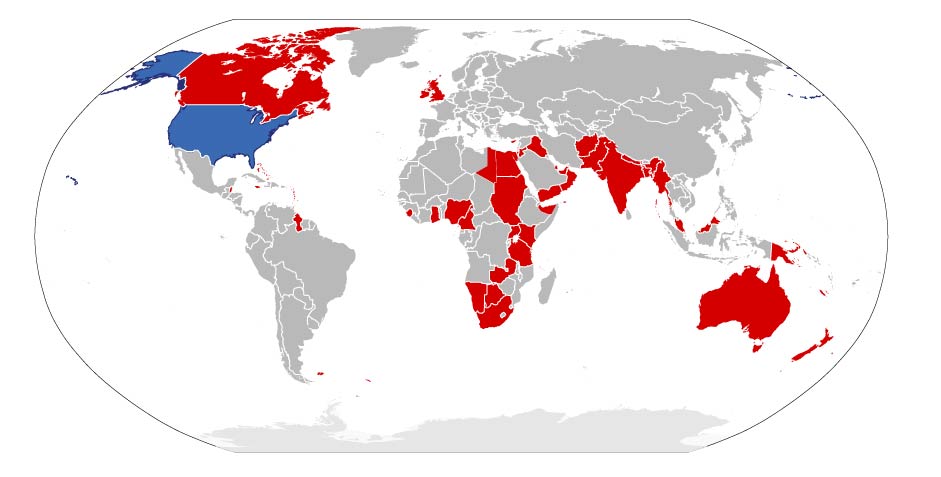
次の地図は大東亜戦争寸前の大英帝国です。赤いところが大英帝国ですが、青のアメリカも実質的に大英帝国の一部です。
अब ब्रिटिश साम्राज्य के इस मानचित्र पर ध्यान दें, जो लाल वर्ण से इंगित है। नीला भाग, अमेरिका, संकीर्ण समझ-बूझ से तो ब्रिटन का उपनिवेश अब नहीं रहा, परन्तु ब्रिटिश साम्राज्य का हल्का रूपांतरण ही है, और दोनों को अलग नहीं किया जा सकता।
Now, please take a look at the map of the British Empire, indicated in red. The blue part, the US, is not strictly a British Colony anymore, however, it is still a slightly modified version of the British Empire, and the two are not separable.
この大英帝国を実質的に作ったのはインド人です。当時インド人はイギリス国籍を持つイギリス人でした。イギリスが他国を侵略したときにはインド人を使いましたから、この赤と青の地域には数しれない無数のインド人たちが住んでいるのです。
जिन लोगों ने इतनी लंबी-चौड़ी ब्रिटिश साम्राज्य बनायी, वे वस्तुतः भारतीय ही थे। जब भी ब्रिटिश दूसरे किसी देश पर आक्रमण करते, तब भारतीयों का उपयोग करते थे। (इस परिमाण पर वे कभी ब्रिटिश साम्राज्य स्वयं नहीं बना पाते।) परिणाम स्वरूप, इन लाल नीले क्षेत्रों में काफी मात्रा में भारतीय जनता बसी हुई है।
The people who actually made this whole wide area of the British Empire were indeed the people of India. Whenever the British invaded another nation, they used Indians. (They could never have build such a massive British Empire by themselves.) As a result, there is an extremely large number of Indians living in these red and blue areas.
さて、この大英帝国のインド人達と、サンスクリット文化圏に住んでいる人たちが全て次の数年をサンスクリット語の習得に力を注いだらどういうことになると思いますか?そしてその期間に、現在の植民地政策を美化した欧米中心の歴史をサンスクリット文化圏中心の歴史に書き換えたら世界はいったいどうなるのでしょうか?
अब आप क्या समझते हैं, यदि ब्रिटिश साम्राज्य और संस्कृतनिष्ठ सांस्कृतिक मण्डल में बसे सारे भारतीय वंशज अगले कुछ बरसों के लिये संस्कृत भाषा में प्रवीण बनने पर ध्यान दें, तो क्या होगा? और यदि भारतीय विद्वानों ने इतिहास (जो कि यूरोप-केन्द्रित और विकराल रूप से मरोड़ा हुआ है) का संशोधन संस्कृतनिष्ठ सांस्कृतिक मण्डल की दृष्टि से करना शुरू किया तो? कल्पना कीजिये, दस बरस पश्चात् क्या होगा?
Now, what do you think will happen, if all people of Indian lineage residing in the British Empire and the Sanskrit Cultural Sphere spent the next few years concentrating on mastering the Sanskrit language? And, what if Indian scholars rewrote history (which is Euro-Centric and hideously distorted) from the point of view of the Sanskrit Cultural Sphere? What do you think would happen after, say, ten years?
古代、サンスクリット文化圏の人たちは国境もなく仲良く平和に暮らしていました。戦争もなく独裁者もいなかったのです。ですから、インド人がみなサンスクリット語と東洋を中心とした歴史研究を推奨していったら、自然に数年のうちに世界中が平和になると思うのです。
प्राचीन युग में संस्कृतनिष्ठ सांस्कृतिक मण्डल के जनजातियों के कोई राजनीतिक सीमाएं नहीं थीं, और वे शान्तिपूर्वक रहते थे, बिना कोई कलह और लड़ाई के। न युद्ध थे, न आततायी शासक। इसलिये मेरा यह विश्वास है कि यदि हम संस्कृत और प्राच्य-आधारित इतिहासलेखन को बढ़ावा दें, तो हम नैसर्गिक रूप से विश्व शान्ति की ओर बढ़ेंगे।
In ancient times, the people of the Sanskrit Cultural Sphere never had any political borders, and they lived peacefully without getting into fights and quarrels. There were neither wars nor dictators. For this reason, I believe that if we encourage Sanskrit and Eastern-based historical studies, we will naturally move towards world peace.
ラス・ビハリ・ボースが執筆した本はそんなことを理解させてくれるものです。
रास बिहारी बोस के प्रकाशन आपको मनुष्य जीवन के इस महत्त्वपूर्ण पक्ष का अनुभव कराएंगे।
The publications of Rash Behari Bose will make you realize this important aspect of human life.
 Rash Behari Bose