बहुत पहले से प्रतिभाशाली भारतीय युवा उषाद्वीप में रहने जाते रहें हैं, पर एक समस्या सदा यह रही है कि वे अपने लिये खाना पकाने में असमर्थ थे। यह रास बिहारी बोस के समय में भी सच था। उन्होंने एक आवास घर चलाया जिसका नाम था ‘आजिया गो’ (अर्थात् एशिया का घर), जहां देशी खाद्य सामग्री का भण्डार रखा गया, और देशी पकवान बनाने होतु देशी सूपकार नियुक्त किये गये। सोंच यूं थी कि उन प्रवासियों को कभी घर की सिमरन सताती है, तो देश का खाना देने से उनका मन बहल जायेगा।
Talented young Indian men have been going to live in Japan since long ago, but one ongoing problem was always that they were not able to cook for themselves. This was also the case during the time of Rash Behari Bose. He ran a boarding house called Ajia Gō (meaning Home of Asia), where they stocked Indian ingredients and employed Indian chefs to cook Indian dishes. The reason for this was that, by giving them familiar foods, it would lessen their homesickness.
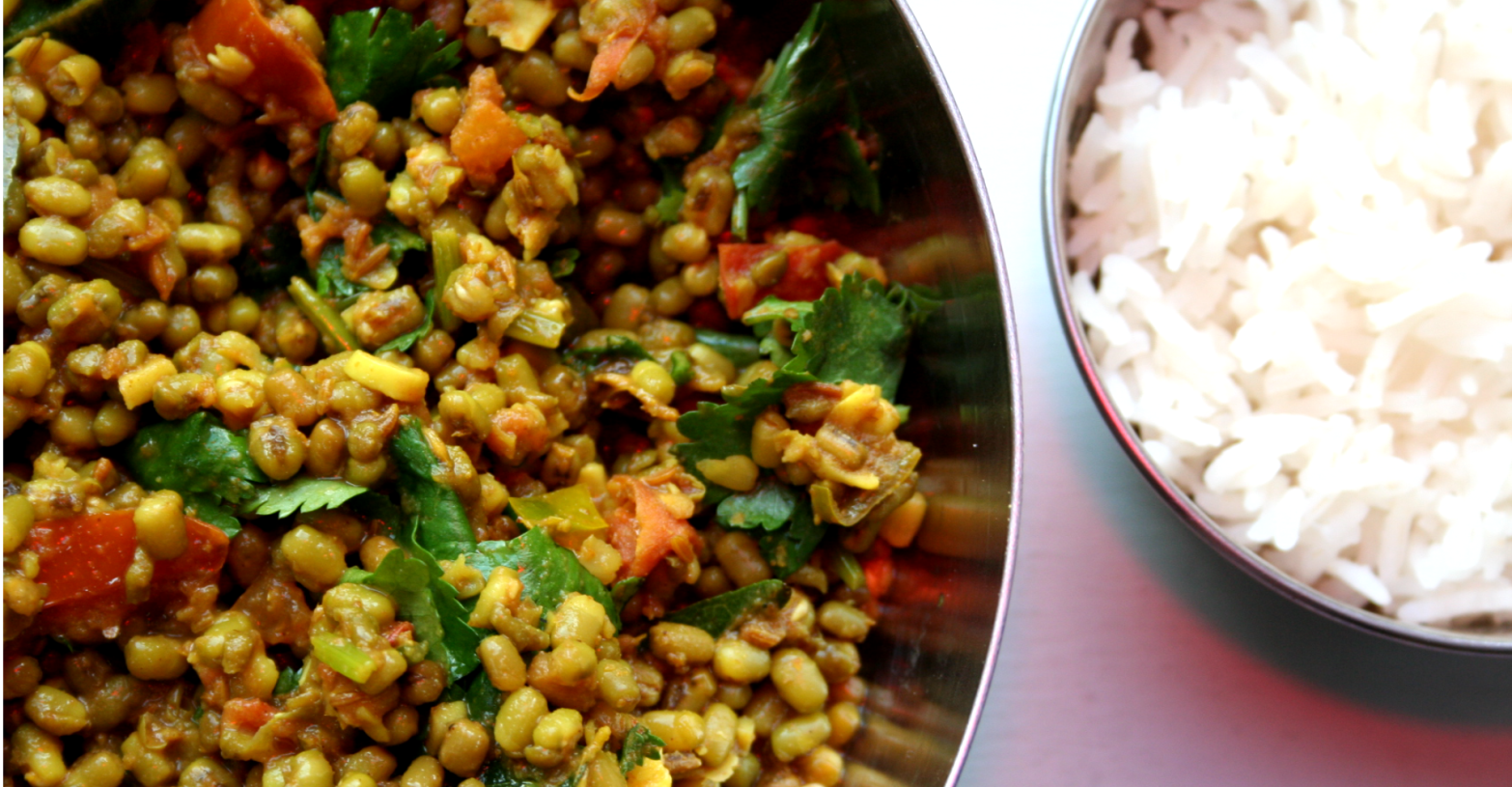
निश्चित हि हर रविवार बोस उस आवास घर जाकर अपने स्वदेशियों के साथ बैठकर साझा भोजन ग्रहण करते। आवास घर में परोसे पकवानों की आवलि में विष्किर (चिकन) की करी, मछली की करी, मूंग की करी, और आम की चटनी जैसे व्यंजन थे।
Bose would always make sure to visit the boarding house every Sunday and share a meal with his fellow countrymen. Dishes served at the boarding house included chicken curry, fish curry, mung bean curry, and mango chutney.
करी और दूसरे पकवान बनाने के लिये रास बिहारी बोस के पास सदा कोई न कोई रहता था। उनका चहीता पकवान मूंग की करी थी, और उनकी बेटी, तेत्सु, मसले हुए आलू के व्यंजन को बहुत चाव से खाती थी। उनका घर-बार हि ऐसा था कि वे अपने चाकर से एक बार कहते और मनचाहा पकवान उनके लिया बनाया जाता था। उनके परिजन करी बनाने में कुशल थे।
Rash Behari Bose always had someone to cook curry and other meals for him. His favorite dish was mung bean curry, while his daughter Tetsu loved mashed potatoes. His household was such that they would ask their helper, and any dish that they liked would be prepared for them. His helpers were skilled at making curry.
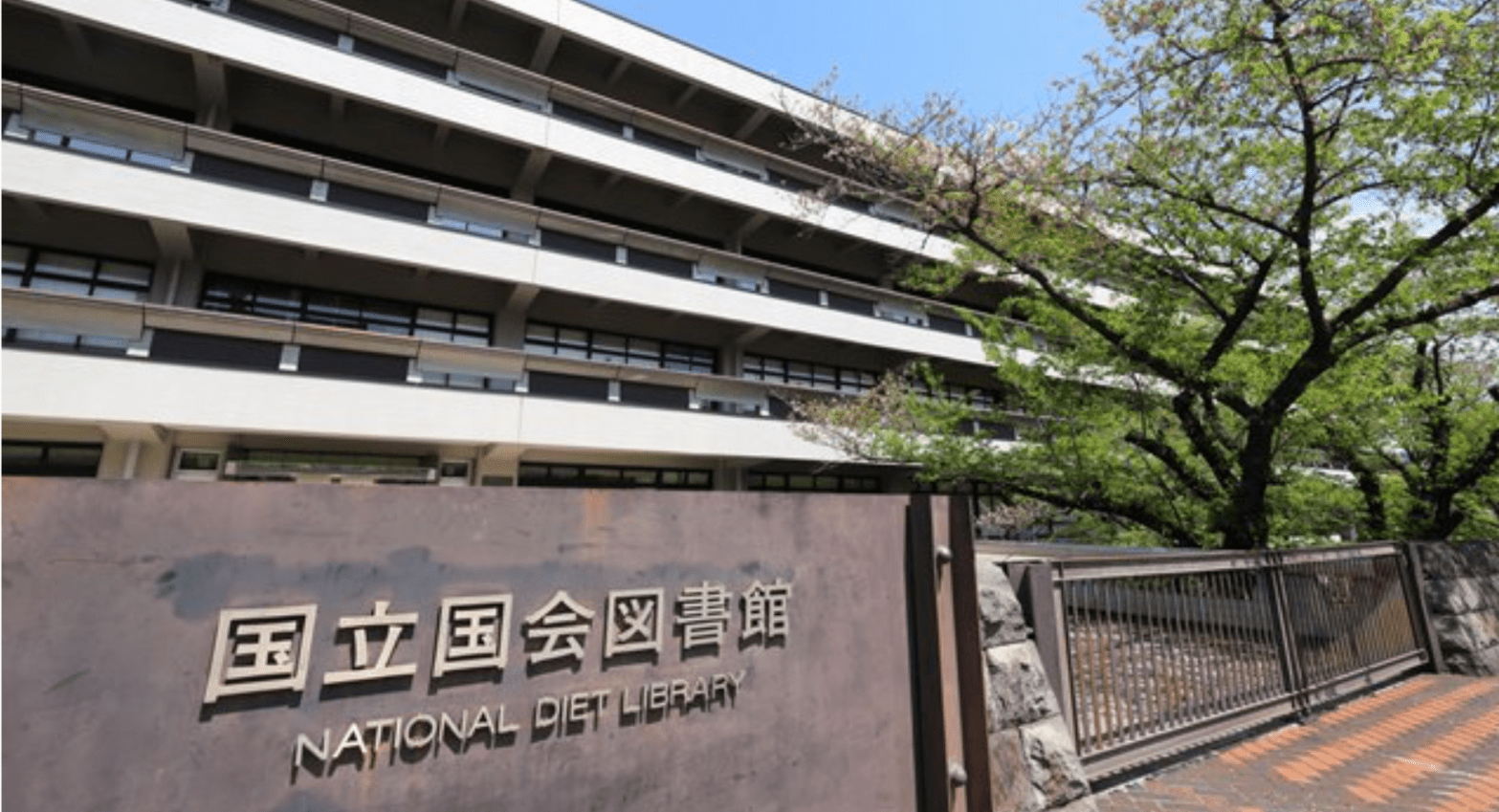
राष्ट्रिय ‘दायित्त’ (उषाद्वीपी संसद) ग्रन्थालय का पता नगाता-चो, चियोदा-कु, तोक्यो में मिलेगा। रास बिहारी बोस से जुड़े लगभग सारे विद्यमान पुस्तकें और प्रलेख वहां से प्राप्त किये जा सकते हैं।
The National Diet Library is located in Nagata-chou, Chiyoda-ku, Tokyo. Almost all existing books and documents related to Rash Behari Bose can be obtained there.
इन वस्तुजात को आप ग्रन्थालय से बाहर उधार पर नहीं ले सकेंगे, पर भीतर बैठकर पढ़ सकते हैं। इन में से कुछ लेख अंकीकृत हो चुके हैं, जिन में से कुछ अन्तरजाल द्वारा अवारोपित किये जा सकते हैं, परन्तु अंकीकृत लेखों का एक भाग केवल ग्रन्थालय के संगणकों पर हि अभिगम्य हैं।
You are not able to borrow these materials, but you may read them within the library. Depending upon the material, there are some that have been digitized and are available for download, while other digitized materials can only be accessed via the library computers.
उदाहरणतः, यदि आप ग्रन्थालय के दत्तांशनिधि (डाटाबेस) के प्रति ‘रास बिहारी बोस’ टंक दें तो ६७ अंश उभर आते हैं। हर अंश के लिये जालस्थान आपको बताएगा कि आप उसको साक्षात् सहेज सकते हैं या फिर आपको स्वयं ग्रन्थालय जाकर पढ़ना होगा।
For example, if you type “Rash Behari Bose” into the library database, 67 items come up. The website will tell you whether it is available for personal download, or whether you will have to go to the library in-person to access it.
ऐसे बहुत सारे पुस्तकें हैं जो द्वितीय विश्व युद्ध की समाप्ति पर (अमेरिकीय) सैनिक मुख्यालय द्वारा चलाया महान ग्रन्थ-दहन अभियान के लक्ष्य बने। ऐसे लेख दुर्गम बनाये गये हैं। इस सूची में मिलेंगे – शिक्कोकु नो इन्दो (‘बन्धित्व में भारत’), इन्दो शिन्र्यकु हिशि (‘भारत पर अतिक्रमण का घिनौना इतिहास’), और इन्दो दोकुरित्सु तो उचू जिस्सो (‘भारतीय स्वातंत्र्य और वर्तमान वस्तुस्थिति’)।
There are a number of books that were the target of the massive GHQ book burning that took place after the end of WW2. Such materials have been made difficult to obtain. Included on this list were: Shikkoku no Indo (lit. India in Bondage), Indo shinryaku hishi (lit. The Miserable History of Invasions in India) , and Indo dokuritsu to uchū jissō (lit. Indian Independence and the True State of Affairs).
ラス・ビハリ・ボース研究で是非読んでもらいたい英語で書かれた本はA.M.ナイルの「An Indian Freedom Fighter in Japan: Memoirs of A.M. Nair」です。ナイル自身が図書館に寄付したもので、彼の署名付きです。
रास बिहारी बोस के विषय में शोधकार्य हेतु एक आंगला पुस्तक है, ‘An Indian Freedom Fighter in Japan: Memoirs of A.M. Nair’ [‘जापान में एक भारतीय मुक्ति योधा – ए.एम्. नायर का वृत्तांत’], जिसका मैं सबल अनुशंसा करती हूं। इस पुस्तक को नायर ने स्वयं ग्रन्थालय को भेंट दी थी, और उनके हस्ताक्षर पोथी पर अंकित है।
For research on Rash Behari Bose, an English book that I highly recommend is An Indian Freedom Fighter in Japan: Memoirs of A.M. Nair. The book was donated to the library by Nair himself, and bears his signature.
मैं ने पूरा पुस्तक स्वयं टंक कर प्रति बना दी है, जिसे मैं कभी भी देख सकती हूं। यदि आपके पास समय हो तो आप भी लिखने का प्रयास करें। इस समय आमाज़ोन (Amazon) पर एक प्रति बिकाऊ है जिसका मूल्य $४७५ है। यह पुस्तक पठनीय है – इस महत्त्व पर सन्देह की छाया तक नहीं।
I have typed out the entire book so that I can access it anytime. If you have some time to spare, please try writing it for yourself. At present, there is a volume for sale on Amazon for $475. This book is worth reading, without a shadow of a doubt.
पहले पहल, नायर ने अपने वृत्तांत का श्रव्य मुद्रण बनाया था, और बाद में किसी दूसरे ने लिपीकृत कर के पुस्तक प्रकाशित किया था। तत्पश्चात् इसका जापानी संस्करण भी छपा।
Originally, Nair made an audio recording of his own memoirs, and then another person typed it all out into the book that was then published. After that, the Japanese version was published.
जापानी संस्करण में ऐसा काफी विषय वस्तु है जो आंग्ला संस्करण में नहीं मिलता। उस में अनुवादक के आत्मपरक विचार निहित हैं, या शायद उनका जाना-बूझा अदल-बदल। सो इस संस्करण को सावधानी और विवेक के साथ पढ़ें।
In the Japanese version, there is quite a lot of content that is not in the English version. It contains much of the translator’s subjectivity, or perhaps even intentional alterations, so please read with discretion.
पिछले युद्ध जिसमें जापान ने भाग लिया, उसे आज-कल द्वितीय विश्व युद्ध या प्रशान्त महासागरीय युद्ध कहते हैं। परन्तु यह नाम अभिसन्धित राष्ट्रों, जैसे ब्रिटन और अमेरिका, ने युद्ध के पश्चात् बनाया है। उचित नाम तो बृहत्तर पूर्वी एशियाई युद्ध होगा। उस युद्ध में पूर्वी एशिया पाश्चात्य औपनिवेशिक अधिग्रहण के विरुद्ध लड़ रहा था।
The last war that Japan fought in is presently referred to as World War Two or the Pacific War. However, these names were created by Allied Nations such as England and America after the war. The correct name is the Greater East Asian War. In that war East Asia was fighting against colonization by the West.
पूर्वी एशिया का नाम भी मिटा कर इस भूखंड की पहचान को तोड़ कर दक्षिण-पूर्वी एशिया और सुदूर पूर्वी एशिया में बंटा गया। सुदूर-पूर्वी एशिया का उपाधि जनमानस पर मानसिक प्रभाव ढाने का उपाय था, जिससे कि वे जापान, चीन और कोर्या देशों को एक हि समूह के अंग मानने लगे। परन्तु चीन तो १८६० के दशक से आंग्ल सामन्त का अधीन रहा हैं, और उससे भी बहुत पहले से कोर्या चीन का दास बना था। दूसरी ओर, उषाद्वीप किसी भी पाश्चात्य शक्ति का अधीन नहीं रहा है, और न कभी औपनिवेशिकता का शिकार बना है।
The name East Asia was also erased, and replaced with Southeast Asia and the Far East. Creating the label of the Far East was a technique for mind-control, effectively grouping together Japan, China and Korea so that they would be thought of as one and the same. However, China had been a vassal state of England since the 1860’s, and even long before that, Korea had been a vassal state of China. On the other hand, Japan is not a vassal state of any Western nation, and has never been colonized.
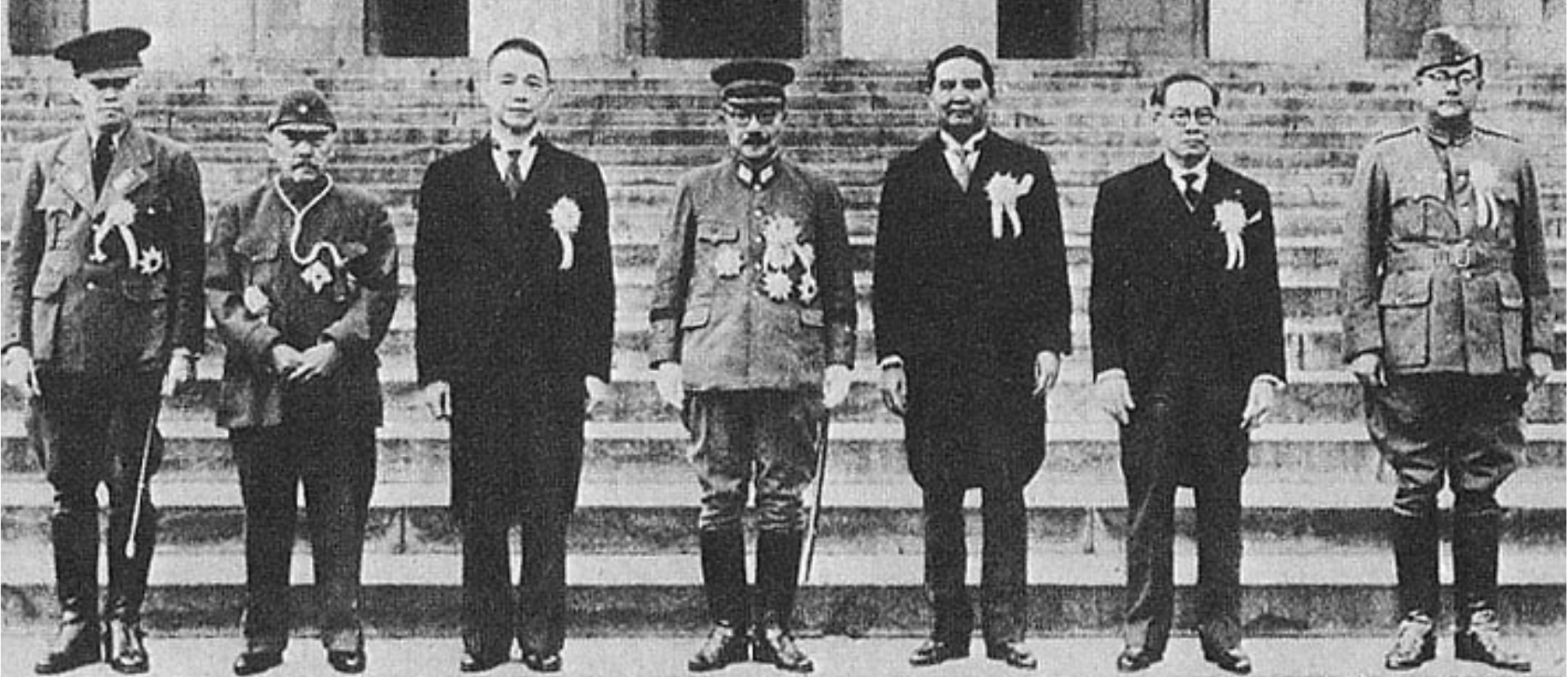
उन दिनों, पूर्वी एशिया का अधिकांश देश पाश्चात्य औपनिवेशिकता से आहत थे, सो जापान हि वह इकलौता राष्ट्र था जो उनसे जूझने की सामरिक क्षमता रखती थी। पूर्वी एशिया के राष्ट्र मिलकर यूरोपियों को अपने धरती से निष्कासित करने की योजनाबन्धन कर रहे थे, और एशियाई समारोह आयोजित किये गये। बृहत्तर पूर्वी एशियाई समारोह में, उन्होंने सर्वसम्मत होकर इस निमित्त उषाद्वीप के दिग्दर्शन में सहयोग करने का निश्चय किया था। परन्तु, अन्ततो गत्वा वे सब जापान को एकेला छोड़कर औपनिवेशक सामन्तों के प्रति पुनः चंपत हुए।
In those days, the majority of East Asia had been colonized by the West, and so it was only Japan that had the military power to fight. East Asian countries got together to expel Europeans from their land and held Asian Conferences. In the Greater East Asia Conference, under the guidance of Japan, they unanimously agreed upon working together for the cause. However, ultimately they all abandoned Japan and fled to the colonizers.
महायुद्ध के अन्त के समीप, आज़ाद हिन्द फ़ौज के अधिकांश सदस्यों ने अपने संघीयों का विश्वासघात करके ब्रिटन और अमेरिका के सामने हथियार डालकर शरणागत हुए। उन धीर भारतीय सैनिकों के लिये यह वार्ता नितांत निराशाजनक रहा होगा, जो अपने देश के लिये बहादुरी के साथ अन्त तक लड़ते रहे।
Near the end of the war, most of the members of the Indian National Army betrayed their comrades and gave themselves up to Britain and America. This must have been terribly disappointing for some brave Indian soldiers who courageously fought for their country until the end.
सच तो यह है कि उन दिनों पहले विश्व महायुद्ध का भी भिन्न नाम था – यूरोपीय महायुद्ध। दूसरे शब्दों में, १९१४ ईसवी से १९१८ तक, एक महायुद्ध हुआ जिसका केन्द्र यूरोप था, और फिर १९४१ से १९४५ तक, दक्षिण-पूर्वी एशिया और जापान भीषण घमासान के क्षेत्र बने।
In fact, in those days, World War One also had a different name, and was called the Great European War. In other words, from 1914 to 1918, there was a war in which Europe was the centre, and then from 1941 to 1945, Southeast Asia and Japan became tremendous battle grounds.
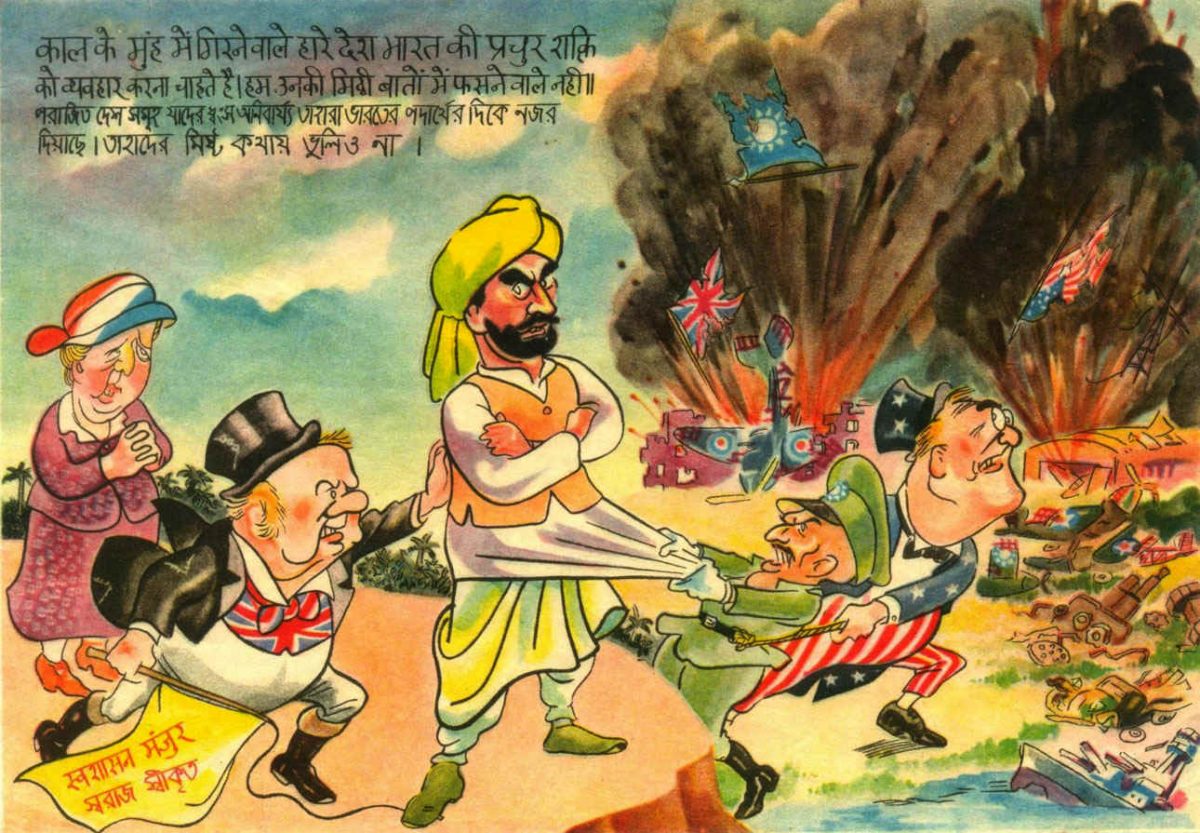
यूरोपीय महायुद्ध का परिणाम यह निकला कि बड़े पाश्चात्य शक्तियों ने अपने औपनिवेशिकता को अधिक प्रचंड रूप से कसा। आंग्लों ने भारतवासियों को वचन दिया था कि यदि वे जर्मनी को दबोचके आंग्लदोश को महायुद्ध जिताने में सहायता करेंगे, तो वे भारतभूमि छोड़कर मोक्ष देंगे। भरोसादान करके देशियों ने लड़ाई में प्राण की आहुति दी और कंगाली में रहते हुए भी महान् आर्थिक सहाय अर्पित की।
The result of the Great European War was that the major Western powers even further intensified their colonization. England promised Indians that if they crushed Germany and helped England win the war, they would leave India and give them independence. Believing this, Indians fought desperately and provided great economic assistance.
परन्तु, जर्मनी को परास्त करने के पश्चात् आंग्लदेश ने भारत को धोखा दिया। भारत छोड़ना तो दूर, उन्होंने देशभर में भारी परिमाण से युवकों की हत्या की होड़ लगा दी।
However, after defeating Germany, England betrayed India. Far from leaving India, they embarked on a massive killing spree across the country.
それが大東亜戦争を引き起こし、末はイギリスとアメリカが日本人を大量虐殺することで終戦になりました。
इसी क्रम ने आगे जाकर बृहत्तर पूर्वी एशियाई युद्ध को प्रदीप्त किया, जिसका अन्त उषाद्वीपी जनता का अभूतपूर्व नरसंहार से हूआ।
This is what then provoked the Greater East Asian War, which ended in the unprecedented massacre of Japanese people.
सप्तम्बर १९४५ में बृहत्तर पूर्वी एशिया युद्ध का विजेता ब्रिटिश साम्राज्य का अंशभूत, भारत भी उषाद्वीप के अधिग्रहण का भागीदार रहा। वस्तुतः १९४१ से लेकर अगस्त २६, १९५२ तक भारत जापान से युद्ध कि स्थिति में रहा। उस कालावधि में भारत अगस्त १५, १९४७ पर ब्रिटिश शासन से मुक्त हुआ, फिर भी अगले साढ़े चार वर्ष तक जापान का शत्रु और अधिग्राही बल का रूप धारण किये बैठा। अगस्त २६, १९५२ हि पर जाकर भारत और जापान ने एक शान्ति संविदा पर हस्ताक्षर किये। इस संविदा में यह स्पष्ट लिखा है कि भारत और उषाद्वीप दिसम्बर ८,१९४१ और अप्रैल २८, १९५२ के बीच शत्रु रहे।
India occupied Japan in September 1945, as part of the British empire, which defeated Japan in the Greater East Asian War. Furthermore, India was at war with Japan from 1941 to August 26, 1952. During this time, on August 15, 1947, India became independent from Britain, but remained as Japan’s enemy and occupying force for the next four and half years. It was only on August 26, 1952 that India and Japan signed a peace treaty. In this treaty, it is clearly written that India and Japan were enemies between December 8, 1941 and April 28, 1952.
インドと日本は武器を交えて戦った敵同士だったのです。
भारत और उषाद्वीप रिपु थे, और सशस्त्र होकर परस्पर लड़े।
India and Japan were enemies, and fought against each other with weapons.
वह जापान हि था जो भारतवासियों को मानव-बन्धु मानकर भरोसादान कर बैठा था। यद्यपि वे औपचारिक रूप से शत्रु थे, जापान ने भारतवासियों को हथियार थमाया, गोला-बारूद दिलाया, अन्न इत्यादि का प्रावधान कराया, और ब्रिटिश साम्राज्य के विरुद्ध भारतीय वीरों के संघर्ष और मुक्ति आन्दोलन का समर्थन किया।
It was Japan that trusted the Indian people as fellow human beings. Even though they were enemies, Japan handed Indians weapons, ammunition, food, etc. and supported Indian people in their struggle against the British empire, and their fight for independence.
वह रास बिहारी बोस हि थे जिन्होंने उषाद्वीपी सरकारी अधिकारियों, सेना और जनमानस का विश्वास जीता था, उनको भारतवासियों के अच्छे स्वभाव का भरोसा यह कहते हुए दिलाया, कि “भारत जापान के विरुद्ध केवल इसलिये लड़ रहा है कि ब्रिटिश उनको धकेल रहा है। वह जापान से कदापि लड़ना नहीं चाहते थे।“
It was Rash Behari Bose who gained the trust of Japanese government officials, military and civilians, and convinced them of the good nature of Indians saying, “Indians are fighting against Japan only because the British are pushing them to do so. They never wanted to fight against Japan.”
यहाँ पर कृपया रुककर विचारिये। भारत के कुछ लोग ब्रिटन और अमेरिका के पक्ष में खड़े थे, और उषापुत्रों के अप्रमेय नरसंहार में भागीदार बने थे। वह रास बिहारी बोस थे जिन्होंने पत्रिकाओं में लेख लिखकर, पुस्तकें प्रकाशित करके, और समस्त उषाद्वीप के दौरे करते भाषण देकर जापानियों को भारतवासियों पर भरोसा दिलाया। बोस ने बार-बार कहा कि सब भारतवासी जापान के शत्रु नहीं हैं, कि वे मित्र बनना चाहते हैं। यह सच जताया कि उषाद्वीप और भारत दोनो की सभ्यताओं में साझे तत्त्व हैं।
Please pause here and ponder. Indians were on the side of Britain and America, taking big part in the unfathomable mass murder of Japanese people. It was Rash Behari Bose — by writing magazine articles, publishing books and traveling throughout Japan to give speeches — who made the Japanese people trust Indians. Bose repeated that not all Indians are the enemies of Japan, and that they want to be friends. In fact, Japan and India share common cultures.
जापानी जनता को यह मनवाने के लिये कि भारतीय और उषाद्वीपी सभ्यताऔं में कैसा मेल-जोल है, रास बिहारी बोस ने कई पौराणिक और लोक कथाएँ और कहानियाँ जापानी भाषा में छपवाये। उस समय उषाद्वीप की साक्षरता अर्घ १००% थी। बोस का सोचना था कि यदि जापानी बच्चे ऐसी कथाएँ पढ़ें, या उनके माता-पिता उनको सुनाएँ, तो यह उषापूत्रों का भारतवासियों से परिचय कराने का प्रभावकारी उपाय होगा।
In order to convince the Japanese public of how Indian culture is similar to Japanese, Rash Behari Bose published a number of Indian fables and stories. At that time, the Japanese literacy rate was almost 100%. Bose thought that if Japanese children read such stories, or had such stories read to them by their parents, this might be a very effective means of getting Japanese accustomed to Indian people.
रास बिहारी बोस ने उषाद्वीपी भाषा पर उत्कृष्ट कौशल प्राप्त की। वह सौम्य, सुशान्त और दयालु थे, और धर्मिष्ठ भावना से विभोर। साथ-साथ वह हंसौड़ा और विनोदी भी थे, चुटकुलों से लोगों का मन रंग देते थे।
Rash Behari Bose mastered the Japanese language perfectly. He was gentle, calm, kind and filled with the spirit of righteousness. At the same time, he was comical and humorous, making jokes and entertaining people.
ए.एम. नायर, जो कि रास बिहारि बोस के निकटतम सहयोगी थे, ने बोस से पहले मिलन का वर्णन करते हुए लिखा, “मुझे ऐसा लगा जैसे कि एक देवता से मिलकर आया हूँ।”
A.M. Nair, who was the closest associate of Rash Behari Bose, has recounted the time when he first met Bose, writing, “I felt as though I had met a god.”
हम यह न भूलें कि आज़ाद हिन्द फ़ौज केवल और केवल इसलिये सत्ते में रही कि जापान और उषाद्वीपी सेना ने अनुमति देकर उसकी सत्ता का पूरा समर्थन किया। आज़ाद हिन्द फ़ौज उन युद्ध-बन्दीयों पर समाविष्ट था जिनको जापान ने बन्दी बनाया। उनके सारी आवश्यकताओं का जापान हि प्रावधान कराता था – अस्त्र-शस्त्र, भोजन-भण्डार, सामरिक वाहन, वास, इत्यादि। (आज-कल आज़ाद हिन्द फ़ौज को केवल सुभाष चन्द्र बोस के नाम से जोड़ा जाता है, परन्तु यह छवि एक बड़े विकृत कुप्रचार के तहत बनाया गया है।)
Let us not forget that the Indian National Army existed only because Japan and the Japanese military permitted it and supported its very existence. The INA was mainly comprised of prisoners of war who had been captured by Japan. Everything they needed was supplied by Japan: weapons, ammunition, food, military vehicles, housing, etc. (Nowadays, many people associate the INA only with Subhas Chandra Bose, but this image was created by grossly distorted propaganda.)
ですから、ラス・ビハリ・ボースが素晴らしい人ではなかったらインド国民軍の存在は不可能だったのです。
संक्षेप में कह सकते हैं कि यदि रास बिहारी बोस इस प्रकार महान व्यक्ति नहीं होते तो आज़ाद हिन्द फ़ौज का कोई अस्तित्व हि न होता।
In short, if Rash Behari Bose had not been such a great person, the INA could not have existed at all.
जब रास बिहारी बोस जीवित थे, तब भारतीय स्वतंत्रता दिवस २६ जनवरी को मनाया जाता था। वर्ष १९३० में इस दिन पर भारतीय कांग्रेस पक्ष ने यह घोषणा की थी कि भारत एक स्वतंत्र देश है और अब ब्रिटिश उपनिवेश नहीं रहा। इस पहल से १९३० से १९४४ तक भारत स्वतंत्रता दिवस मनाने लगा।
While Rash Behari Bose was alive, Indian Independence Day was on January 26. On this day in 1930, the Indian Congress declared that India was an independent nation and no longer a British colony. With this, India began celebrating Independence Day from 1930 to 1944.
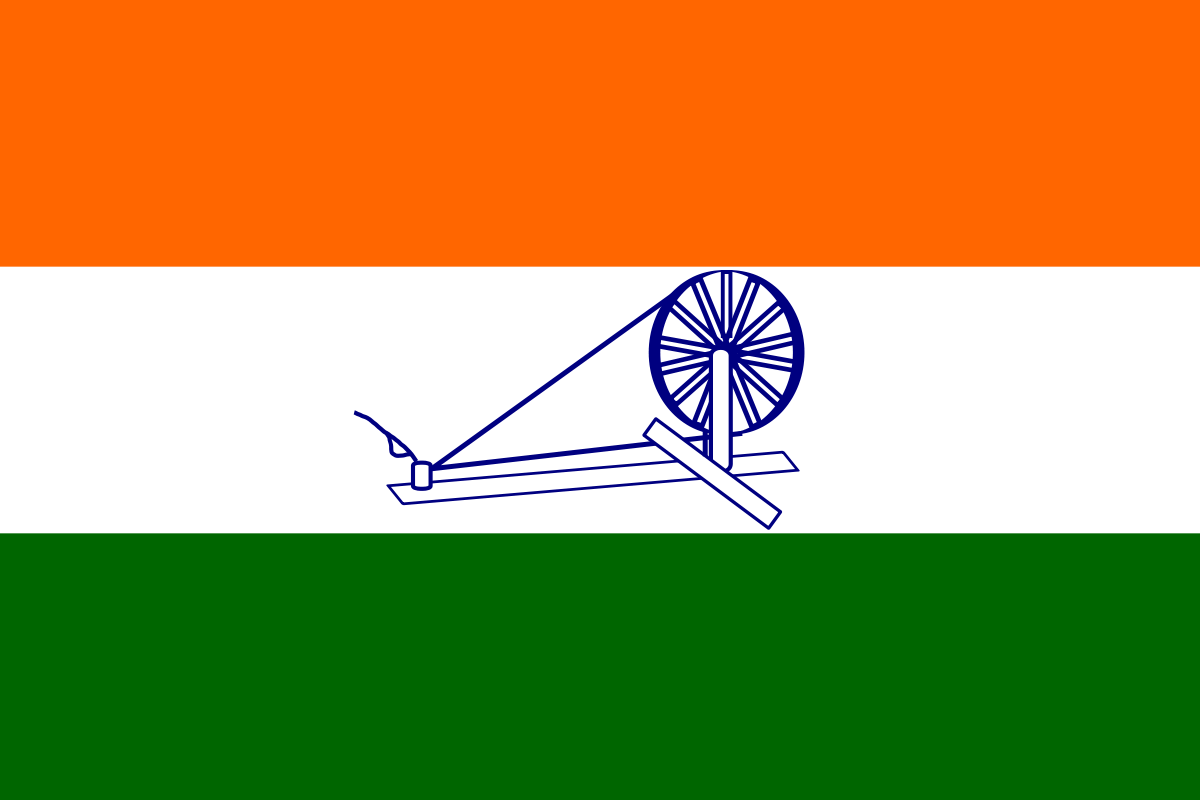
रास बिहारी बोस ने १९३० से लेकर १९४४ तक भारतीय स्वतंत्रता उत्सव आयोजित किये, जिसमें यथा-संभव भारी संख्या में भारतीय लोगों को वुलावा देते थे। वह उस भारतीय ध्वज को फहराते थे जिसे वह बड़े ध्यान से अपने साथी सेनानियों की तरह अपने साथ भारत के क्रान्तिकारी आन्दोलन में सक्रिय होने के समय से रखा करते थे।
Rash Behari Bose held Indian Independence ceremonies, inviting as many Indian people as possible, from 1930 until 1944. He hoisted the Indian flag that he had been carrying around with great care with his fellow fighters, ever since the time that he had been active in the revolutionary movement in India.
१५ अगस्त को भारत का (और अन्य ब्रिटिश उपनिविष्ट देशों का) स्वतंत्रता दिवस तो लॉर्ड माउंटबाटन ने निश्चित किया था। अपितु भारत के लोगों ने २६ जनवरी को हि अपना स्वतंत्रता दिवस चुना था। इस बात में ब्रिटन की भव्य योजना सन्निहित है।
August 15 is the date for Indian Independence Day (and all other newly independent countries colonized by the Britain) that was decided on by Lord Mountbatten. However, the Indian Independence Day that the people of India decided on is January 26. Embedded here is the grand scheme of Britain.
अब जापान को देखे लें। उषाद्वीप, जो कि अमेरिका और ब्रिटन के हाथों पूरी तरह से विध्वस्त खंडर हो चुका था, १५ अगस्त को युद्ध में पराजय के उपलक्ष्य में शोक मनाता है, और युवाओं को ऐसा हि सिखाया जाता है। अपितु वास्तव में उषाद्वीप ने २८ अप्रैल, १९५२ को युद्धविराम किया था।
Let’s take a look at Japan now. Japan, having been completely ruined by Britain and America, refers to August 15 as the day that Japan lost the war, and the youths of Japan are being taught as such. However, the real date on which Japan ended the war was April 28, 1952.
१५ अगस्त सच में अपशकुन निहित अर्थों का दिनांक है। यह वह दिन है जो आंग्लदेश और अमेरिका का सार्वभौम विजय का प्रतीक है, वह दिन जिसपर १९४५ में उषाद्वीप पूरी तरह से उनके शासनाधीन हो गया, और दो वर्ष बाद यह वही दिन था जब भारत ने स्वतंत्र स्वराट् राष्ट्र बनने का सपना त्याग दिया।
August 15 is truly is a day with sinister meanings. It is a date that symbolizes the completion of world domination by Britain and America, and the date on which Japan fell under their complete rule in 1945, and two years later, the day on which India gave up its hope of ever becoming an independent sovereignty.
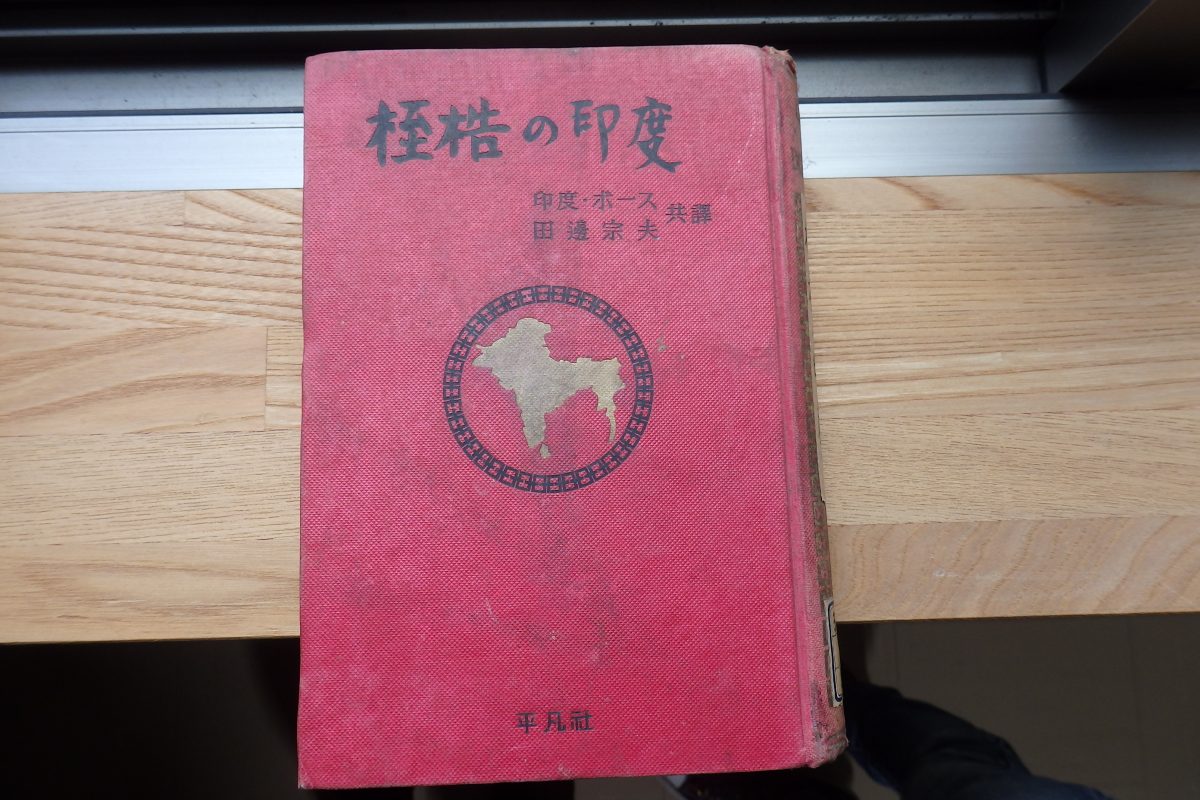
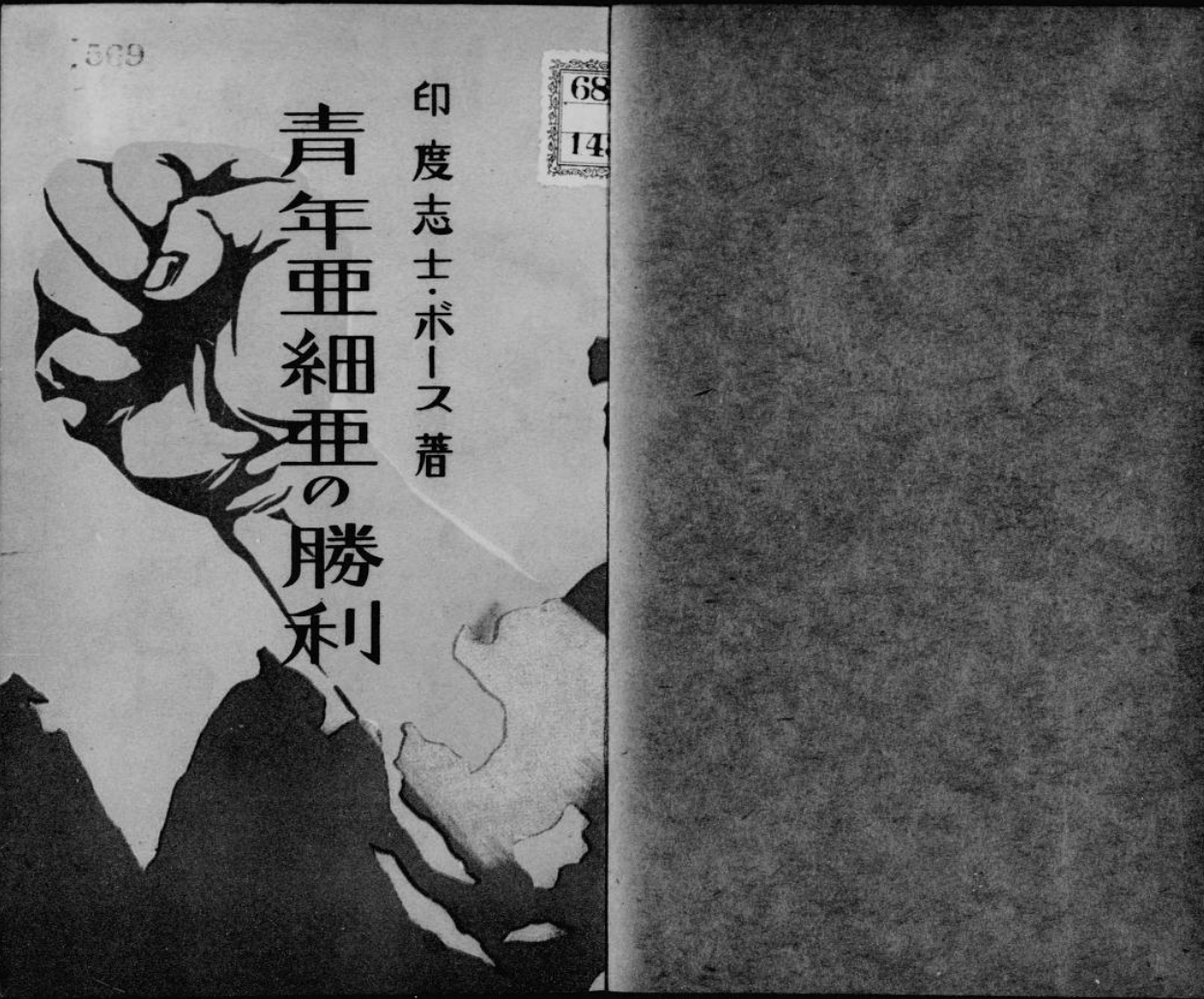
रास बिहारी बोस ने अपना सारा जीवन भारत की स्वतंत्रता को वापस छीनने के संकल्प को समर्पित किया। यह कहना उपयुक्त होगा कि जिस भारत के लिये उन्होंने प्राण न्यौछावर किये, वह वर्तमान भारत के ठीक समान नहीं है। अब तनिक उनके पुस्तक शिक्कोकु नो इन्दो के आवरण पर दृष्टि डालते हैं, जिसका चित्र इस वृत्तिलेख में दर्शाया गया है।
Rash Behari Bose dedicated his entire life to taking back independence for India. I would like to point out that the India for which he sacrificed his life is not exactly the same as the India that exists today. Let us now take a look at the cover of the book, Shikkoku no Indo, the featured image of this post.
जिस भारत के लिये रास बिहारी बोस लड़ रहे थे, उस के अन्तर्गत कम से कम यह देश थे – पाकिस्थान, अवगणस्थान, ताजीकस्थान, किर्ग़िज़स्थान, कश्मीर, भूटान, नेपाल, बंगलादेश, म्यांमार (बर्मा), और श्रीलंका। यह सब एक राष्ट्र में जुड़े थे।
The India for which Rash Behari Bose was fighting included, at the minimum: Pakistan, Afghanistan, Tajikistan, Kyrgyzstan, Kashmir, Bhutan, Nepal, Bangladesh, Myanmar, and Sri Lanka. These were all together as one nation.
जब लोग भारत की स्वतंत्रता की बात करते हैं, तो प्रायः ऐसा लगता है कि मुक्ति केवल दो देशों में बंटकर मिली – भारत और पाकिस्थान। परन्तु वास्तव में ऐतिहासिक भारतवर्ष को बहुत सारे देशों में विभाजित किया गया।
When people speak of Indian independence, they talk as though it became independent only by splitting into two nations: India and Pakistan. However, the truth is that India was split into very many nations.
今のインドは随分小さくなりました。
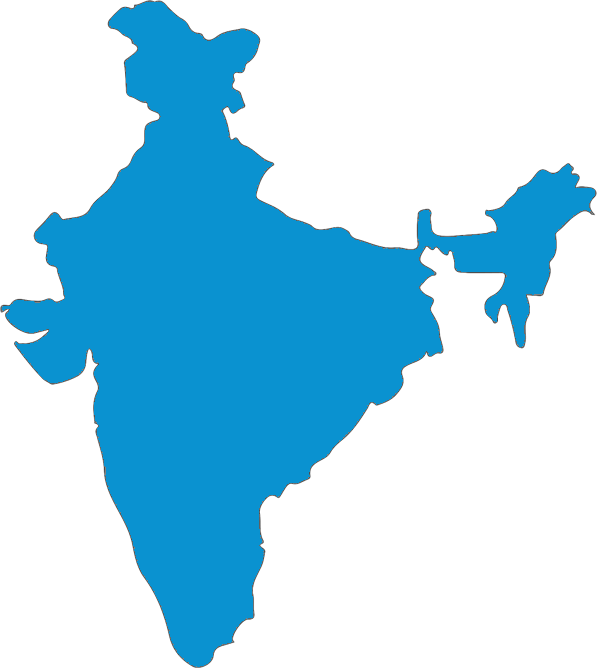
वर्तमान भारत मुक्ति से पहले के भारत से बहुत छोटा है।
Present day India is much smaller than it was prior to independence.
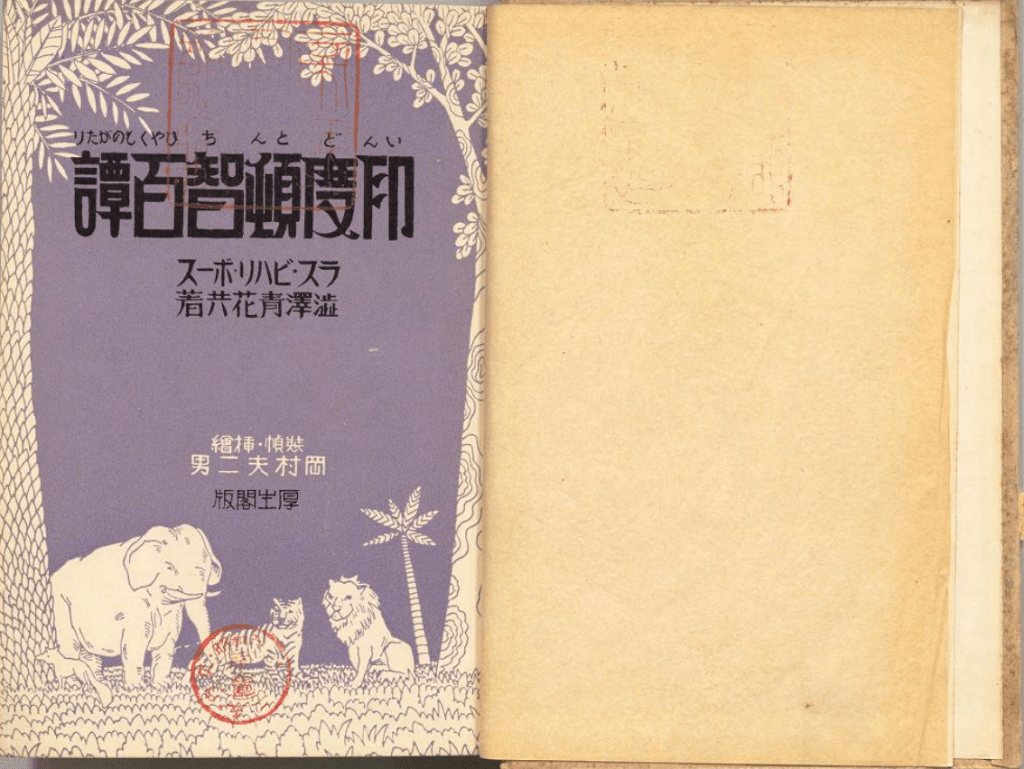
रास बिहारी बोस ने अपनी पुस्तकें उषाद्वीपी भाषा के पुरातन शैली में लिखे, जो कि १९४५ से पहले सामान्य प्रयोग में हुआ करता था, जिसके पश्चात् अमेरिकीय सैन्य मुख्यालय ने भाषा को बिगाड़कर परिवर्तित किया। परिणामतः, उनके लेखों को पढ़ना सरल कार्य नहीं। चलें अब उनके एक पुस्तक, सेइनिन आजिया नो शोरी, को देखें, जो कि १९३७ में प्रकाशित हुआ।
Rash Behari Bose wrote his books in the older form of the Japanese language that was in use before 1945, after which the GHQ mutilated the language. As a result, it is not a simple task to read his writings. Let us now take a look at his book, Seinen Ajia no Shori, which was published in 1937.
आप लक्षित कर सकते हैं कि यहाँ पर शीर्षक भी अलग हैं। मूल शीर्षक 青年亜細亜の勝利 था, पर वर्तमान काल के आधुनिक भाषा में इसे 青年アジアの勝利 लिखा जाता है। अब पुस्तक की प्रस्तावना को देखें।
You can see here that even the titles differ. His original title is 青年亜細亜の勝利, but in present modern Japanese, it would be written as 青年アジアの勝利. Now, let us take a look at the prelude.
यह कांजी लेखन पुरातन शैली का है, पर इसकी अभिव्यक्ति भी १९४५ के अनंतर वाले उषाद्वीपी भाषा से तनिक भिन्न है। आधुनिक जापानी में यह कुछ इस प्रकार लिखा जायेगा।
The kanji is in the old style, but the expression itself is a little different from the post-1945 Japanese. In modern day Japanese, it might be written as follows.
१९४५-पूर्व जापानी को समझना सरल बात नहीं, इसलिये रास बिहारी बोस के लेखों को पढ़ने हेतु मैं ने पहले-पहल उनके पुस्तकों का १९४५ के अनंतर वाले जापानी भाषा में प्रतिलिपी उतारी। मुझमें यह विश्वास था कि उनके लेखों में हर सूक्ष्म विवरण का ठीक अर्थ समझना महत्त्वपूर्ण था।
It is not easy to understand pre-1945 Japanese, and therefore, in order to read Rash Behari Bose’s writings, I began by transcribing all of his books into the post-1945 Japanese language. I believed that it was imperative to understand every minute detail of his writings.
आंग्लदेश और अमेरिका ने १९४५ से उषाद्वीप पर पैर जमाकर जापानी भाषा के परिवर्तन के तुच्छ षड्यंत्र की योजनाबन्धी और निष्पादन इसलिये किया कि भावी उषापुत्र पीढ़ीयाँ १९४५-पूर्व भाषा के लेखजात समझ न पाएं। उन्होंने भाषा में हि फेर-बदल कर दिया। हम इन दुर्मेधावी लोगों की चतुराई से स्पर्धा कर हि नहीं सकते।
Britain and America, when they occupied Japan from 1945, planned and carried out their dirty scheme of changing the Japanese language, so that future Japanese generations would no longer be able to comprehend pre-1945 Japanese documents. They changed the very language itself. We cannot compete with the cleverness of their evil minds.
१९४५-प्राक् वाले भाषा में रचित जापानी लेखजात के आधार पर वे जापान-विरोधी वक्तव्य देते हैं और उषाद्वीप की निंदा करते हैं। परन्तु जापानी जनमानस पलटकर विवाद नहीं कर सकते, क्यूंकि उनके लिये वह पुरातन प्रलेख पढ़ना दुष्कर है। इस प्रकार आंग्लदेश और अमेरिका जी भर कर झूठ रचते हैं। उषापुत्र की वर्तमान पीढ़ी न जापानी में और न आंग्ला में निपुण है, और पाश्चात्य कुप्रचार ने उनको पूर्ण रूप से हरा के रख दिया है।
They make statements and criticize Japan in English, based on Japanese documents that were written in the pre-1945 language. The Japanese public cannot argue back because they find it difficult read older documents. Thus, Britain and America can fabricate all the lies they want. Present day Japanese people are proficient neither in Japanese nor English, and have been completely defeated by western propaganda.
ब्रिटन इसी प्रकार की प्रवंचना से विश्व के समूचे जनजातियों को ठगता आया है। ब्रिटिश औपनिवेशिकता का सबसे अभ्यस्त और उपयोगी अस्त्र दुष्प्रचार रहा है। यह हम सब पर बाध्य है कि अपने शास्त्रिय भाषा में निपुणता प्राप्त करें, जिससे उपनिवेशवादी कुबुद्धिजीवियों से निपटने में समर्थ रहें।
Britain has been performing the same kind of trickery. Propaganda is the most well-used weapon of British colonialism. It is imperative that we all strengthen our language ability in order to combat colonialism.
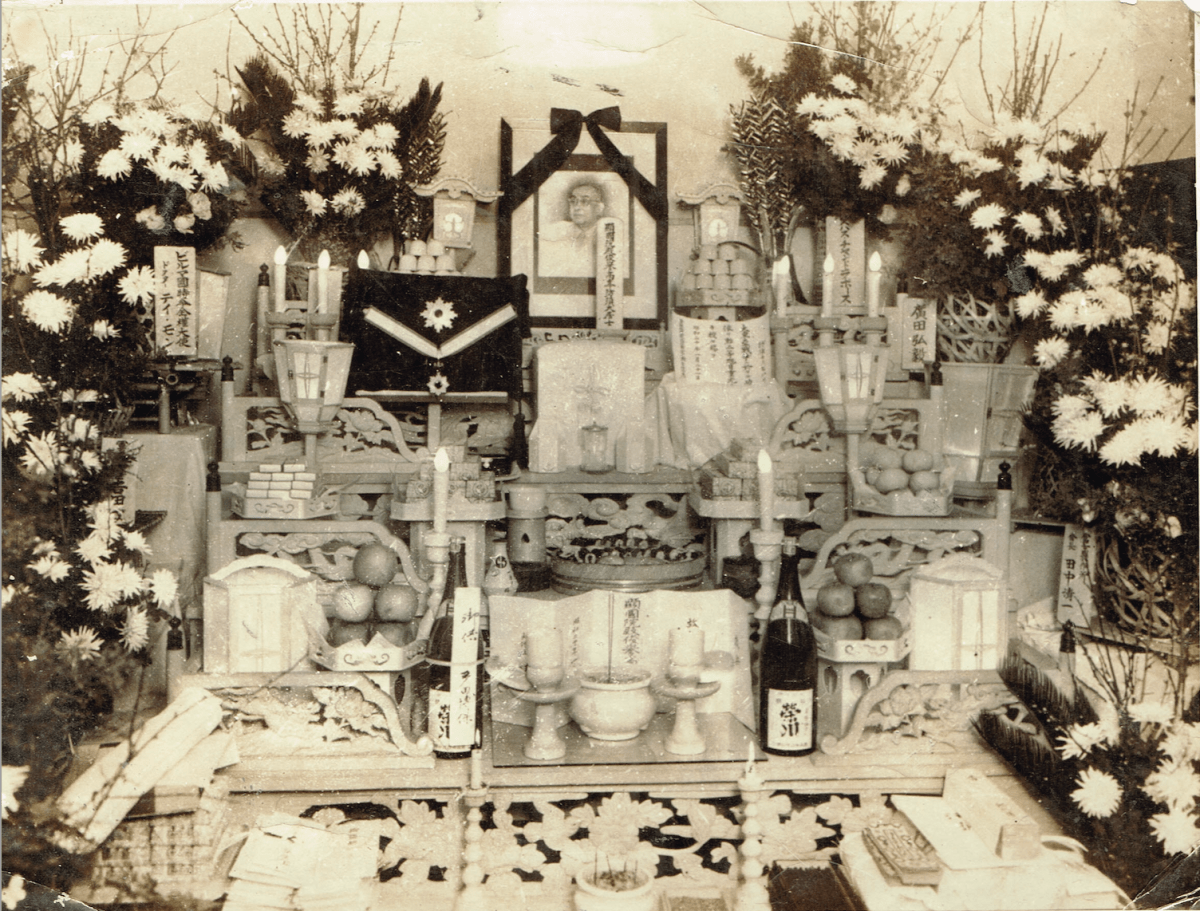
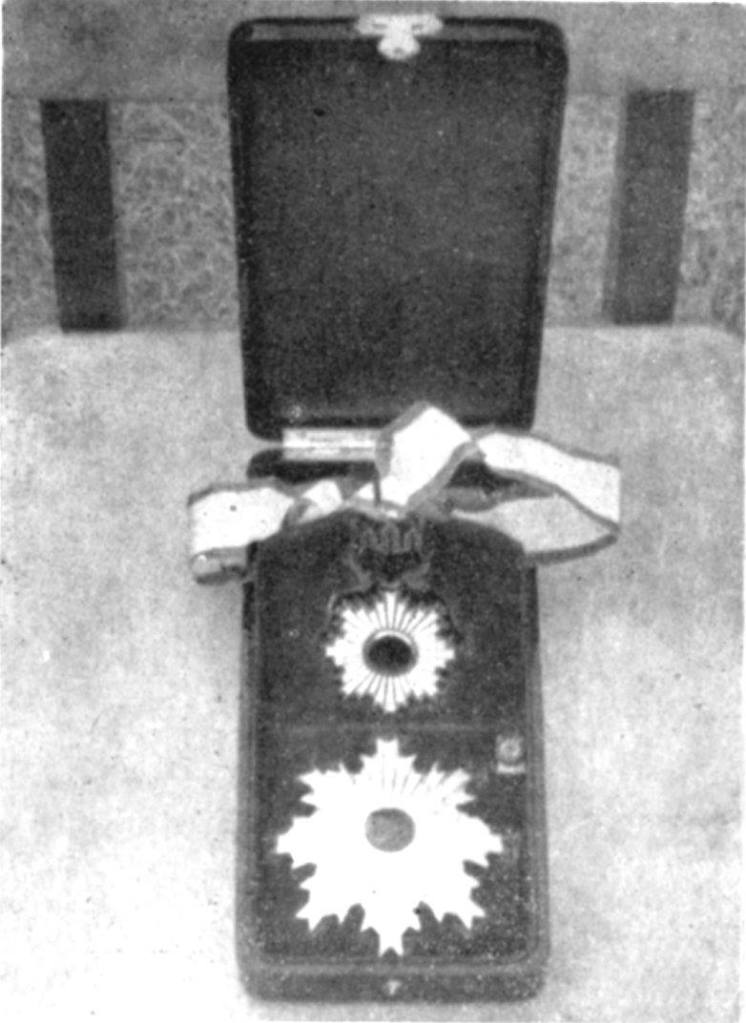
रास बिहारी बोस के निधन के कुछ हि समय बाद, उनको ‘उगते सूरज की द्वितीय श्रेणी’ नामक बिरुद से सम्मानित किया गया। मृत्यु से पहले उनको इस प्रतिष्ठा का निवेदन मिला, पर प्रदान-संस्कार की औपचारिकता से पहले हि वे ईश्वर के प्यारे हो गये। पदक को एक उषापुत्र सैनिक अधिकारी ने अपने हाथों पहुंचाया, और अन्त्येष्टि के दिन, पदक का वेदी पर प्रदर्शन किया गया।
Rash Behari Bose was awarded the Second Order of the Rising Sun shortly after his passing. Before his death, he had been informed of the honour, but he passed away before it could be bestowed upon him. The medal was delivered by a Japanese military officer and displayed at the altar on the day of his funeral.
जापान में ऐसी मान्यता उन लोगों पर प्रदान किया जाता है जिन्होंने जापान के लिये बड़ा योगदान किये हैं। आंग्ल जालस्थानों पर यह व्यापक रूप से प्रचारित है कि इस पुरस्कार को उषाद्वीप के सम्राट् प्रदान करते हैं, पर यह मिथ्या है। सम्राट् और ऐसी मान्यताएँ सरासर असंबद्ध हैं।
Such awards of recognition are bestowed, by the country of Japan, upon those who have made great contributions to Japan. On English websites, it is widely written that the award is granted by the Emperor of Japan, but this is false. The Emperor and such awards of recognition are entirely unrelated.
रास बिहारी बोस एक प्रतापी नायक थे जिन्होंने भारतीय जनता के लिये अनमोल योगदान किये। परन्तु इनका परिश्रम भारत के लिये था – जापान के लिये नहीं। इसी कारण से उनको उस बिरुद की प्रथम श्रेणी का बिरुद नहीं मिला। अपितु अनंतर, राधा बिनोद पाल को उगते सूरज की प्रथम श्रेणी प्रदान की गयी। २०१४ में मनमोहन सिंह को ‘पावलोवनिया फूलों की महती माला’ का सर्वोच्च सम्मान से पुरस्कृत किया गया। अन्तरजाल पर मिलने वाले दुष्प्रचार के विरुद्ध, किसी को केवल परदेशी होने के कारण द्वितीय श्रेणी का पुरस्कार प्रदान करने जैसा भेदभाव जापान नहीं करता। वस्तुतः बहुत से परदेशियों को उगते सूरज की प्रथम श्रेणी मिल चुकी है। ऐसी बात नहीं कि रास बिहारी बोस को द्वितीय श्रेणी सिर्फ़ इसलिये मिली कि वे परदेशी थे।
Rash Behari Bose was a magnificent hero who made remarkable contributions to the people of India. However, it was India for which he dedicated his effort — not Japan. It was for this reason that he did not receive the First Order. However, the First Order of the Rising Sun was later awarded to Radha Binod Pal. In 2014, Manomohan Singh was awarded the highest honour of the Grand Cordon of the Order of the Paulownia Flowers. Unlike what has been widely propagated online, Japan does not do such discriminatory acts as giving one the Second Order simply because they are a foreigner. In reality, many foreigners have received the First Order of the Rising Sun. It was not because Rash Behari Bose was a foreigner that he was granted the Second Order.
इस के अतिरिक्त, रास बिहारी बोस और उषाद्वीपी सम्राट् के बीच कोई सम्पर्क नहीं था। रास बिहारी बोस का सैनिक अधिकारियों के साथ, और राजनेताओं और प्रमुख समाजी तत्त्वों से घनिष्ट सम्पर्क था, पर सम्राट् से मिलने-जुलने का कोई प्रयोजन नहीं रहा। कुछ भ्रांत परदेशियों का मत है कि सम्राट् अधिनायक तानाशाह थे, और यह किंवदंति फैलाया है कि सम्राट् ने रास बिहारी बोस के पार्थिव शरीर को चिता तक पहुंचाने के लिये एक राजसी रथ प्रेषित किया था। अन्तरजाल ऐसे मिथ्या प्रचार से भरा पड़ा है, सो कृपया विवेक से पढ़ा करें। वास्तव में, बोस के पार्थिव शरीर का दहन-क्रिया उनके निधन के समनन्तर हि किया गया, और ऐसे किसी रथ की व्यवस्था की आवश्यकता हि नहीं थी।
Moreover, there was never any connection between Rash Behari Bose and the Emperor of Japan. Rash Behari Bose was in close contact with military officers, politicians, and prominent social figures, but there was no reason for him to interact with the Emperor. Some confused foreigners believe that the Emperor was a dictator, and they spread the false rumour that the Emperor dispatched an imperial carriage to carry Rash Behari Bose’s body on the day of his funeral. The internet is rife with such misinformation, so please read with discretion. In reality, Bose’s body was cremated immediately after his passing, and there was no need for such a carriage.
जब नाकामुरा ताकेशिता ने २००५ में “जापान का बोस” प्रकाशित किया, तब जा कर रास बिहारी बोस ‘नाकामुराया वाले बोस’ के उपाधि से जाने माने बनने लगे। जापानी समाज के स्थान यह उपाधि देशी समुदाय में अधिक प्रचलित हुआ और प्रशस्त होकर चर्चा का विषय बन गया।
It was only after Nakajima Takeshita published “Bose of Nakamuraya” in 2005, that Rash Behari Bose began being called Bose of Nakamuraya. Rather than among Japanese people, it is more so among Indians that this name has caught on and becomes highlighted and spoken of.
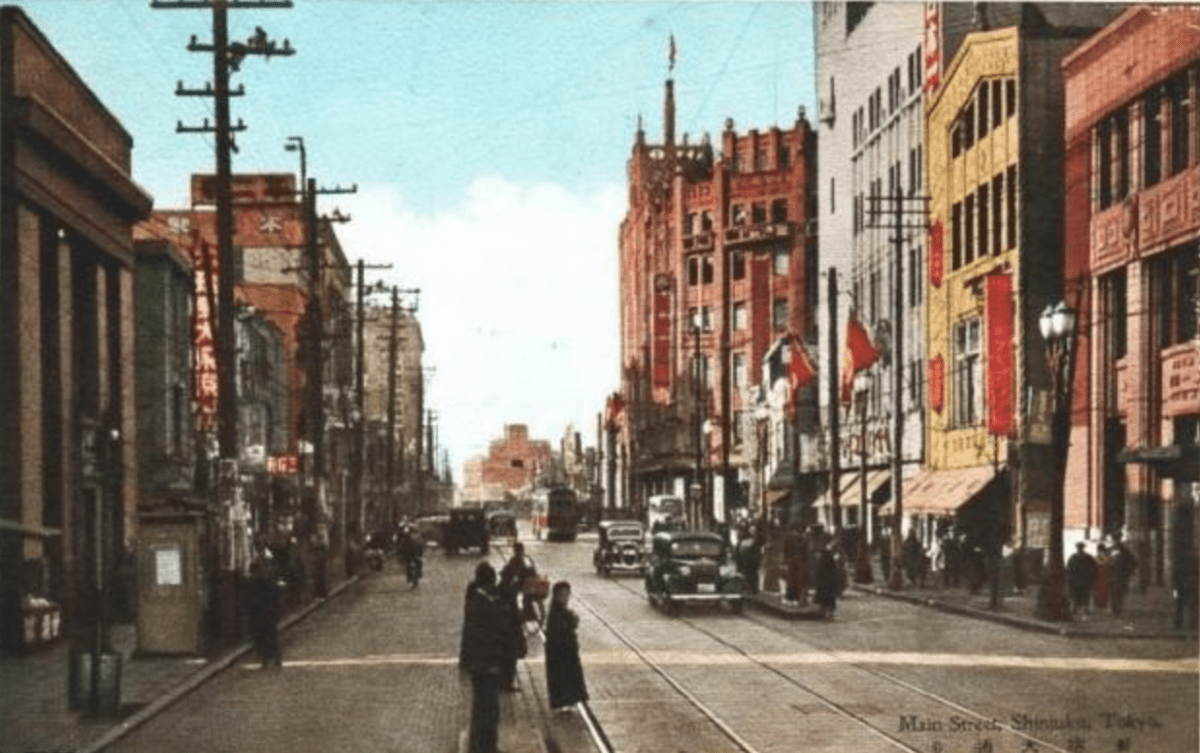
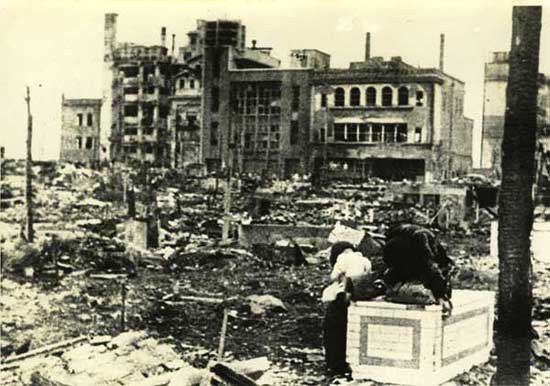
अब नाकामुरा के बारे में देखें – वह अप्रैल १३, १९४५ में लड़ाकू विमानों की बमबारी में मिट गया, और सारा व्यवसाय जुलाई ११ पर बंद कर दिया गया। साथ हि साथ, जिस भूखंड पर नाकामुराया स्थित था, वह १५ अगस्त को अवैध रूप से अधिग्रहण का शिकार हुआ। एक के बाद दूसरा, सोमा आयज़ो, सोमा कोक्को, और सोमा यासुओ – इस व्यवसाय के सभी स्वामी – स्वर्ग चल बसे, और सोमा परिवार के स्वामित्व में नाकामुरा उद्योग पूरी तरह से बंद हुआ। रास बिहारी बोस से जुड़ी ‘नाकामुरा’ का आज के ‘नाकामुरा’ से कोई संबंध नहीं।
Now then, regarding Nakamuraya, it was burned to the ground in an air raid on April 13, 1945, and the business was closed down on July 11. Furthermore, the land on which Nakamuraya had stood was illegally occupied on August 15. One after another, Soma Aizo, Soma Kokko, and Soma Yasuo — the proprietors of the business — passed away, and the Nakamuraya industry owned by the Soma family, came to a complete end. The Nakamuraya affiliated with Rash Behari Bose is totally unrelated to the Nakamuraya that exists today.
Nakamuraya has been burned down by Britain and America in 1945
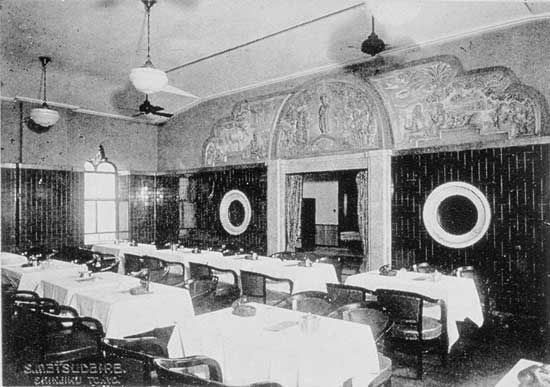
रास बिहारी बोस के समय में नाकामुरा नानबाई की भट्टी नहीं, अपितु एक निगम था। उस निगम के कुछ ऐसे दुकान थे जो कंदु में सेंके हुए पदार्थ का विक्रय करते थे, पर एक यंत्रागार भी था जो सेना का खाने का प्रावधान करता था, और उसके अतिरिक्त एक प्रकाशन संस्था भी थी। वे अपने कर्मकरों के लिये विद्यालय भी चलाते थे। साथ-साथ वे नेत्रहीन लोगें के सहायक कुत्तों के आयात और प्रजनन का निधिबंधन कराते थे। कलाकारों और उनके सृजनशील कृतियों के सहाय में एक प्रदर्शनी चलाते थे। १९२७ में उन्होंने उपाहार और चायघर की नई शाखा खोली, जो रूसीय ‘बोर्श्त’, चीनी शशि-पिष्ट (‘मून-केक’), और भारतीय रसा व्यंजन ‘करी’ परोसने लगा। सोमा आयज़ो और कोक्को, दोनो विपुल व्यवसायी थे।
During Rash Behari Bose’s time, Nakamuraya was not a bakery, but a corporation. There were locations that sold baked goods, but there was also a factory that produced food for the military, and there was even a publishing house. They also ran a school for their employees. Moreover, they also funded importing and breeding seeing-eye dogs, and ran a salon that supported artists and their work. In 1927, they opened a new branch of restaurant and tea house that served Russian borscht, Chinese moon cakes, and Indian curry. Soma Aizo and Kokko were prolific entrepreneurs.
श्रीमान् और श्रीमती सोमा अति विद्यासंपन्न भी थे। सोमा आयज़ो ने कोशकृमि-पालन और इससे रेशम के उत्पादन, और व्यापार-व्यवसाय पर पुस्तक लिखें। सोमा कोक्को ने भी बहुत साहित्य कृतियाँ छोड़े हैं। वे विद्वान, कलाकार और व्यवसायी थे।
Mr. and Mrs. Soma were also extremely educated. Soma Aizo wrote and published books on sericulture and business, and Soma Kokko left many literary works. They were academics, artists, and entrepreneurs.
वर्तमान नाकामुरा व्यवसाय ने २००१ में थैली-धान ‘करी’ का उत्पादन आरंभ किया, और अपना पहला उपाहारघर खोला जिसमें ‘शिंजुकु नाकामुराया भारतीय करी’ को परोसने लगे। मात्र ४ वर्ष बाद, नाकाजीमा ताकेशि का पुस्तक ‘नाकामुराया का बोस’ प्रकाशित हुआ, और तुरंत हि दो पुरस्कार मिले। उसी के बाद शिंजुकु नाकामुराया करी की बिक्री में धमाकेदार वृद्धि हुई। यह मात्र व्यवसायी युक्ति थी, और कुछ नहीं।
The present day Nakamuraya business began producing retort curry in 2001, and opened their first restaurant serving Shinjuku Nakamuraya Indian curry. Nakajima Takeshi’s book, “Bose of Nakamuraya,” was published just 4 years later, and it immediately received two awards. It was after that that sales of Shinjuku Nakamuraya curry exploded. This was all nothing more than a business tactic.
‘नाकामुराया का बोस’ वाला नाम जापानी लोगों के लिये महत्वहीन है, और उषाद्वीप के आधुनिक जनता को रास बिहारी बोस में कोई अभिरुचि नहीं। करी कहां से आया – इस बात में अभिरुचि नहीं, और करी की रुचि चखने का चिप्पी पर छपे इस नाम से कोई संबंध नहीं रहा। जब तक कि नाकाजीमा ताकेशि का पुस्तक नहीं छपा था, तब तक ‘नाकामुराया का बोस’ का कोई अस्तित्व हि नहीं था। अतः देशियों को चाहिये कि वह इस नाम का प्रचार न करें।
The label, “Bose of Nakamuraya,” is meaningless to Japanese people, and the modern day people of Japan have no interest in Rash Behari Bose. They are not interested in where curry came from, and the fact that they enjoy eating curry is entirely unrelated to the nickname, “Bose of Nakamuraya.” Until Nakajima Takeshi’s book was published, “Bose of Nakamuraya” did not exist. So, Indians must not propagate this term.
रास बिहारी बोस अत्यंत हि कर्मठ और व्यस्त व्यक्ति थे। यौवनकाल से वे भारतीय स्वराज के लिये अपना जीवन समर्पित कर चुके थे। जापान में शरण लेने के पश्चात, उषाद्वीपी जनता का समर्थन जीतने के लिये, उन्होंने मात्र ४ महीनों के अभूतपूर्व लघुकाल में, उस देश की भाषा और सभ्यता पर कौशल्य हासिल किया। वहाँ से बढ़कर उन्हेंने विलक्षण संख्या में कृतियां रचीं और छपवाये – यह सारे जापानी भाषा-संशोधन से पूर्वतन जटिलतम जापानी भाषा में लिखे गये थे। यह सांगणक (कंप्यूटरी) सुविधा के समय से पहले की बात है। इस में कोई संदेह नहीं कि उन्होंने दिन-रात एक कर के स्फूर्ति और समर्पण के साथ काम किया होगा।
Rash Behari Bose was an extremely busy person. Since his youth, he had dedicated his life to achieving Indian independence. After fleeing to Japan, he mastered the Japanese language and customs in the unprecedentedly short duration of just 4 months, so that he would be able to garner the support of the Japanese people. He then went on to write and publish a remarkable number of works — all in the incredibly complex form of pre-language reform Japanese. This was well before the time of computers. There is no mistaking that he exerted a tremendous amount of effort and dedication.
और तो और, रास बिहारी बोस समूचे जापान की यात्रा करके भाषण करते फिरते थे, इस उद्देश्य से कि उषापुत्रों के मन में भारत के प्रति ठीक समझ-बूझ और अनुराग बैठ सके। सहज बात है कि उनके पास करी पकाने का, या रस्तोरां में भगदड़ काम करने का कोई अवकाश नहीं था।
Furthermore, Rash Behari Bose travelled throughout Japan delivering speeches, in order to instill the Japanese people with an understanding and interest in India. It goes without saying that he had no time to cook curry, and run and work at a restaurant.
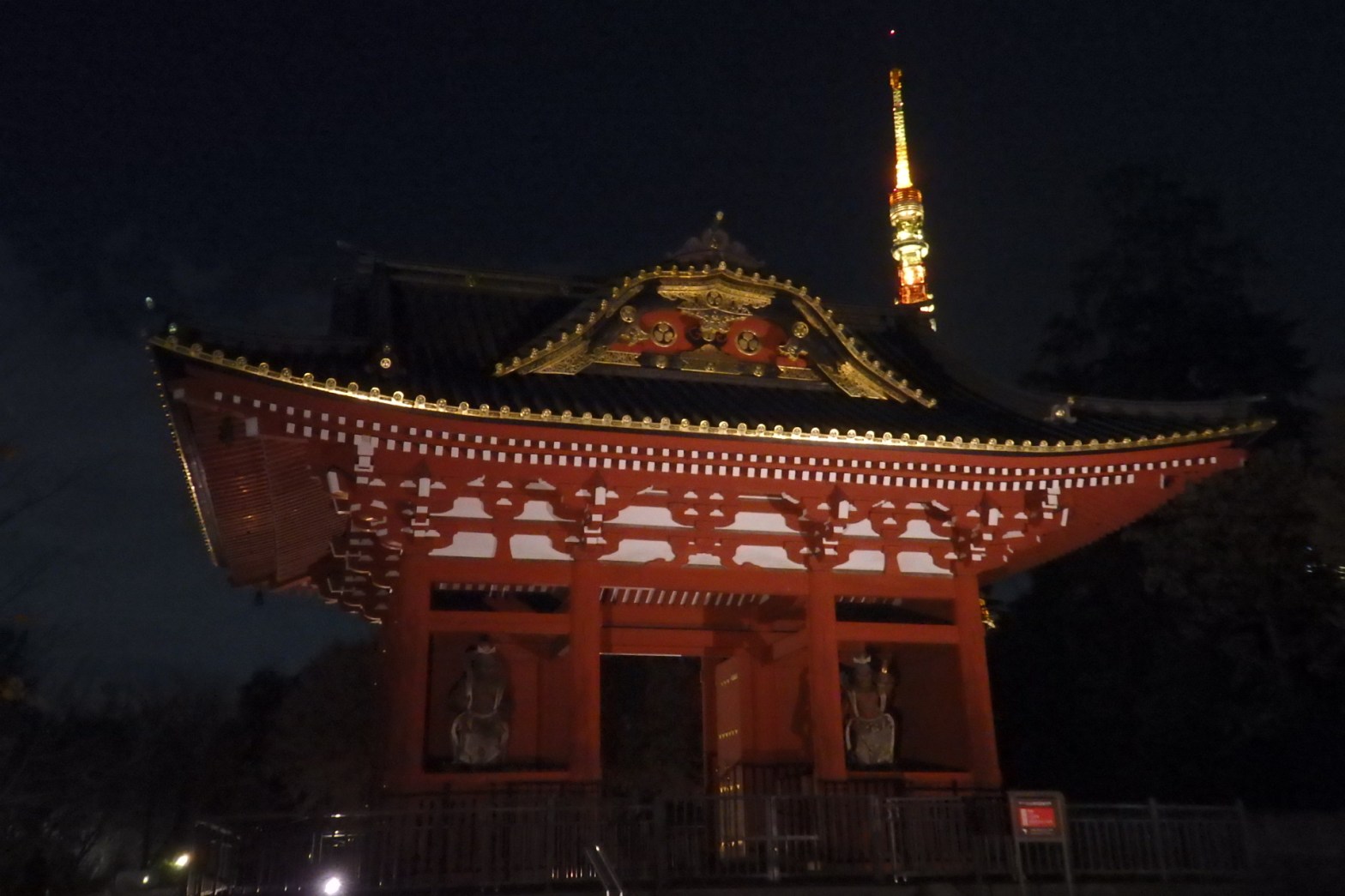
जनवरी २८, १९४५ को रास बिहारी बोस के अन्तिम संस्कार तोक्यो नगर के ज़ोजोजी देवालय में पूरे हुए। आज ज़ोजोजी को तोक्यो अट्टक (तोक्यो टावर) के पास पाया जाता है। बड़ा विशाल और वैभवशाली मंदिर है, सो मुझे यह परामर्श देना चाहिये कि यदि आप को अवसर मिले तो एक बार दर्शन अवश्य करें।
On January 28th, 1945, Rash Behari Bose’s funeral was held at Zojoji Temple in Tokyo. Now, you can find Zojoji very close to Tokyo Tower. It is an incredibly big and magnificent temple, so if you ever get the chance, I highly recommend a visit.
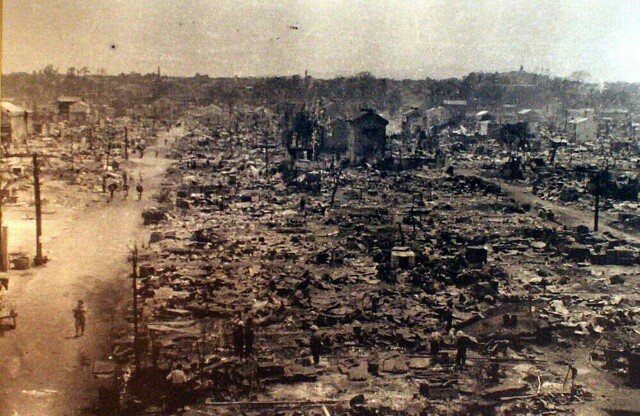
बोस की अन्त्येष्टि के कुछ हि दिन पश्चात, इस पवित्र स्थल को मार्च १० और मई २५, १९४५ के विमानाक्रमण ने लगभग पूर्ण रूप से भस्मसात् कर दिया। अनगिनत निर्दोष असैन्य तोक्यो-वासी इन अन्धेधुन्ध नरसंहारी बमबारियों में मारे गये, जिसमें ब्रिटन और अमेरिका ने लोखों लोगों को राख कर दिया।
Soon after Bose’s funeral, the temple site was almost completely burned to the ground in the massive air raids of March 10 and May 25, 1945. Countless numbers of innocent civilians were massacred in the indiscriminate bombings and mass murders conducted by Britain and America, killing hundreds of thousands of people.
आज भी ज़ोजोजी एक विशाल और प्रभावशाली दृश्य है, पर बोस की अन्त्येष्टि-क्रिया के समय, हवाई हमलों में ढाये जाने से पहले, यह मंदिर आज से प्रायः नौ गुना बड़ा हुआ करता था। समर के पश्चात, ‘शिबा’ उद्यान को ज़ोजोजी से अलग कर दिया गया, और मंदिर के परिसर के एक बड़े भाग को नीलाम कर दिया गया। उस भूमि पर अनेक बड़े स्थापत्य निर्मित हुए, जैसे तोक्यो प्रिन्स वसति (होटल), शिबा गोल्फ़ शाद्वल, शिबा बोलिंग केन्द्र, और विख्यात तोक्यो अट्टक।
Even now, Zojoji is vast and an impressive sight to behold, but at the time when Bose’s funeral was held, before it was destroyed in the air raids, it was roughly nine times larger than it is today. After the war, Shiba Park was separated off from Zojoji, and a large portion of the temple ground was sold off. On this land was built many large structures such as Tokyo Prince Hotel, Shiba Golf Course, Shiba Bowling Center, and the famous Tokyo Tower.
तोजो हिदेकी जी बोस की अन्त्येष्टि पर उपस्थित थे, तात्कालीन प्रधान मंत्री सहित, और अन्य बहुत सारे विशिष्ट राजनीतिज्ञ और शक्तिमान् व्यक्तियों के संग। ज़ोजोजी का विस्तीर्ण परिसर शोकार्त अगन्तुकों से उमड़ रहा था, और लोगों की पंक्ति मंदिर से दूर तक फैला था। यह कहना आवश्यक नहीं कि देशी लोगों से कई अधिक संख्या में उषापुत्र वहां पर उनके देहांत का सोग मनाने इकट्ठे हुए थे।
Tojo Hideki was in attendance at Bose’s funeral, along with the then prime minister, and many other prominent politicians and powerful figures. The vast grounds of Zojoji overflowed with the attendees of his funeral, and the line of people stretched far outside the temple. It goes without saying that other than Indians, countless more Japanese were also gathered there to grieve his passing.
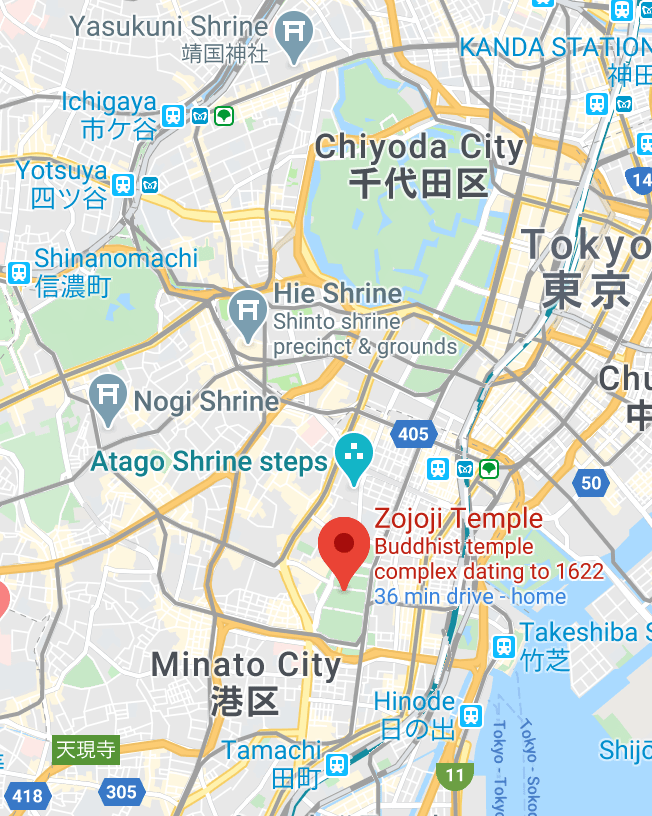
रास बिहारी बोस के लिये समाज-व्यापक प्यार और सम्मान था। आप स्वयं हि कृपया गूगल मानचित्र पर देखें कि ज़ोजोजी वास्तव में कितना विशाल हुआ करता था। और फिर कल्पना कीजिये कि कितने लोग उस सुविस्तृत भीमि पर एक सिरे से दूसरे सिरे तक सम्मर्द किये खड़े थे।
Rash Behari Bose was widely loved, and respected. Please take a look for yourself on Google Maps to see how vast Zojoji truly was. And then, try to imagine just how many people crowded together to fill that massive space from edge to edge.
Zojo-ji is located north of Imperial palace. The temple site was about 9 times bigger than the green area.
तथापि, अमेरिकीय सैन्य मुख्यालय के सात वर्षीय अध्यासकाल के उपरांत, रास बिहारी बोस जापानीयों और देशीयों के स्मृति से प्रायः मिट चुके थे। इस प्रकार केवल सात वर्ष में सार्वजनीन राष्ट्रीय स्मृति से ऐसे महापुरुष का लुप्त हो जाना कुछ अनूठी-सी बात है। एक अनपेक्षित और असाधारण कहानी है।
And yet, after the seven-year occupation by the GHQ following the war, Rash Behari Bose was almost completely erased from the memory of both Japanese and Indians. In this way, it is almost unbelievable that such an important figure was erased from the public’s memory within just 7 years. It is a very unexpected and unusual story.
तोक्यो ‘दायकुशु’ के प्रसंग में लोग संभवतः केवल मार्च १०, १९४५ के विमानाक्रमण पर ध्यान देते हैं, जिस के अंतर्गत १,००,००० निहत्थे नगरवासीयों को एक हि रात में ब्रिटन और अमेरिका ने मार डाला। पर वस्तुतः लगातार ९ महीने तोक्यो निरंतर आकाश से प्रहारों का लक्ष्य बना, जिस के परिणाम में अनगिनत निर्दोष निवासी मारे गये और महानगर धुएँ में उड़ गया। नवंबर २४, १९४४ से अगस्त १५, १९४५ तक, तोक्यो १०६ नृशंस प्रहारों का लक्ष्य बन चुका था।
Regarding the Tokyo Daikushu, people tend to focus only on the air raids of March 10, 1945, in which 100,000 civilians were massacred by Britain and America in just one night. However, in reality, for 9 consecutive months, Tokyo was the target of endless air raids, in which countless innocent civilians were massacred, and the city was burnt to the ground. from November 24, 1944 to August 15 , 1945, Tokyo was the target of 106 heinous air raids.
रास बिहारी बोस के मृत्यु के दो मास पहले से तोक्यो अंतहीन वैमानिक बमबारी का शिकार रहा। फिर, उनके अंतिम संस्कार के मात्र एक दिन पहले, तोक्यो के २३ जन-समुच्चय, एक अन्य नगरी और दो ग्रामों पर आक्रमण किया गया। ठीक अंत्येष्टि के दिन, ४ नगर-विभाग पर बम साधे गये, और अगले दिन हि महानगर का बचा एक विभाग पर, और इज़ू-नामक द्वीपों पर, वैमानिक धावा बोल कर उनका सर्वनाश किया गया।
Throughout the two months preceding Rash Behari Bose’s death, Tokyo suffered endless air raids. And then, just one day before his funeral, 23 wards of Tokyo, plus one town and two villages were attacked by an air raid. On the very day of the funeral 4 wards were targeted, and just the following day, the remaining one wards and the Izu Islands were raided and completely annihilated.
इसी घटनाक्रम के बीचों बीच रास बिहारी बोस का देहांत हुआ, जब आंग्लदेश और अमेरिका अगण्य उषाद्वीपी निवासियों का जमके नरसंहार कर रहे थे। भारत के मोक्ष के लिये उनके द्वारा जापान के भीतर से अपने उषापुत्र सहयोगीयों के संग संचालित अथाह आंदोलन के पश्चात यह सब हो रहा था।
It was in the midst of all of this that Rash Behari Bose passed away, while England and America were veraciously mass murdering countless Japanese civilians. This was after he had fought tirelessly for Indian independence from within Japan, with the help of the Japanese people.
कुछ समय बाद ऐसा लग रहा था कि जापान युद्ध हार जायेगा। यदि जापान को ब्रिटन और अमेरिका ने परास्त किया, तो संपूर्ण भारतीय स्वराज असंभव हो जाता। यह मेरा अंतर्बोध है कि जब बोस ने अंतिम सांसें लीं, तब वे शायद अत्यंत हि दुःखी और ग्लान हुए होंगे, यह जानते हुए कि जापान युद्ध हारने वाला है, अतः किसी और विकल्प के अभाव में पूरी तरह से स्वराट् भारत भी असंभव होगा।
After some time, it seemed as though Japan would lose the war. If Japan was defeated by Britain and America, complete Indian independence would become an impossibility. I would imagine that when Bose passed away, he must have been extremely sad and remorseful, knowing that Japan would be defeated, and therefore, by default, an independent India would also be impossible.

 Rash Behari Bose