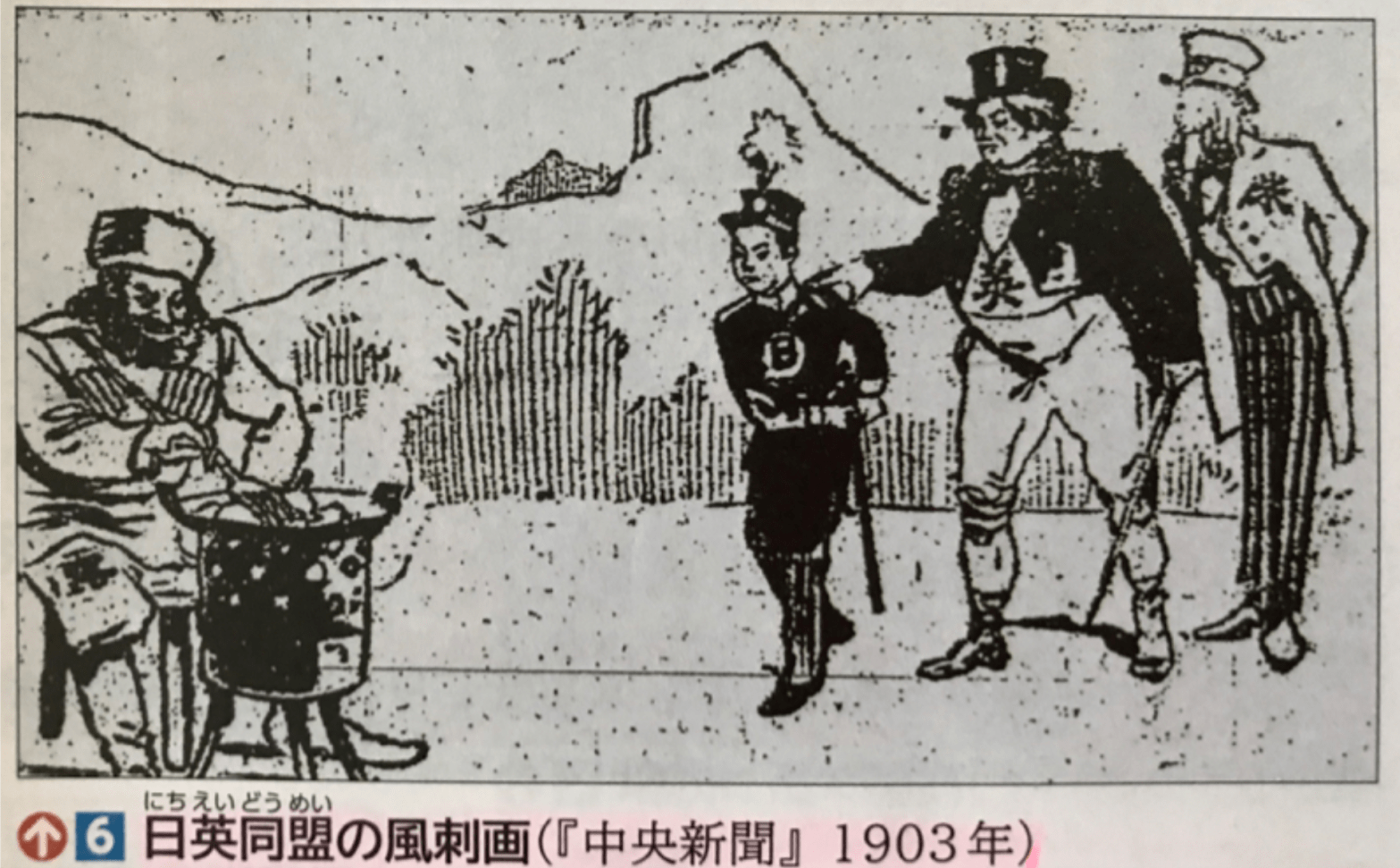
日露戦争と東アジアの希望 (रूस-जापान युद्ध और पूर्वी एशियाई आसरा – Russo-Japanese war and East Asian hope)

1904年2月8日から1905年9月5日にかけて、1年7ヶ月の間、日本とロシアが戦争をしました。ロシアが朝鮮と満州に武力進出し、ついには日本まで侵略してきたのを日本が食い止めるためでした。朝鮮も満州もロシアに占領されたくなかったので、日本に救いを求めました。

फरवरी ८, १९०४ से सप्तम्बर ५, १९०५ तक – एक वर्ष और सात महीने की कालावधि के लिये, जापान और रूस परस्पर संग्रामिक स्थिति में थे। जापान का युद्ध में उलझने का कारण रूस के अग्रसर आक्रमण को रोकना था, जो कि उस समय समस्त उत्तर-एशिया का विलय कर के अब कोर्या, मांचूरिया और अन्ततः उषाद्वीप पर लक्ष्य साध रहा था।

From February 8, 1904 to September 5, 1905, for a period of one year and seven months, Japan and Russia were at war. Japan’s reason for engaging in the battle was to stop Russia’s invasion into Korea, Manchuria, and finally Japan.

1902年1月30日から1923年8月17日までイギリスと日本は日英同盟を結んでいました。それはイギリスがロシアによる中国や朝鮮に対する進出を食い止めるために日本とロシアを戦わせるのが目的で出来た軍事同盟です。いつもながらイギリスの条約はイギリスが世界侵略を推し進めるための狡猾な布石のようなもので、日本とロシアが戦争に入ってもイギリスは中立を保つという決まりになっていました。

जनवरी ३०, १९०२ से अगस्त १७, १९२३ तक, आंग्लदेश और जापान के बीच संविदा थी, और दोनो की सन्धि बनी। इस सन्धि का प्रयोजन यह था कि जापान को रूस से लड़ाया जाये, जिससे कोर्या और मांचूरिया पर रूसी साम्राज्य का भावी आक्रमण टल जाये। यथाचार, यह आंग्लदेश का अपना विश्वग्राही अभियान को आगे बढ़ाने हेतु एक चालाक षड्यंत्र था। इस संविदा की एक धारा यूँ थी कि भले हि जापान और रूस सक्रिय युद्ध में उलझ जायें, पर आंग्लदेश तटस्थ रहकर जापान से सहयोग नहीं करेगा।

From January 30, 1902 to August 17, 1923, England and Japan had a treaty, and were in an alliance. The purpose of this alliance was to get Japan to fight against Russia in order to stop their invasion of Korea and Manchuria. As usual, this was the cunning plan crafted by England in order to further their own global invasion. The treaty had a clause that even if Japan and Russia went to war against one another, England would remain neutral and not help Japan.

戦場は主に黄海とその付近の町と日本海でした。日本の領域まで侵略してきたロシアを日本が撃退することに成功しました。アジアの一国である日本が白人の国であるロシア打ち負かしたのです。欧米の植民地政策に苦しんでいた東アジアの人たちは興奮しました。欧米を追い出して独立するのも夢ではないと考えるようになったのです。

युद्धक्षेत्र मुख्यतः पीत सागर, समीप के नगर-नगरी, और उषाद्वीपी सागर था। रूस ने अपने आक्रमण को जापानी क्षेत्रों में विस्तार देकर जापान को युद्ध में जुड़ने का आह्वान दे दिया। जापान, एक एशियाई राष्ट्र, ने सफलतापूर्वक रूस को परास्त कर दिया, जो कि एक कवकासी (कोकेशियन जाति का) देश था। अमेरिका और ब्रिटन के औपनिवेशिक नीतियों से कुचली जा रही एशिया की जनता में अचानक साहस पनपने लगा। उनमें यह विश्वास बढ़ने लगा कि पाश्चात्य औपनिवेशिक शक्तियों को अपने भूमि से निष्कासित करके स्वाधीन बन जाना संभव है।

The battlegrounds were chiefly the Yellow Sea, towns in the nearby area, and the Sea of Japan. By expanding their invasion into Japanese territories, Russia successfully provoked Japan into joining the battle. Japan, an Asian nation, successfully defeated Russia, which was inhabited by Caucasians. The people of Asia who were suffering under the crushing colonial policies of America and Britain, were suddenly excited. They began to realize that it may be possible to expel the western colonial forces from their lands and achieve independence.

独立の夢に燃える東アジアの若者たちは続々と日本にやってきました。ある者たちは技術取得、ある者たちは高等教育、またある者たちは経済援助や武力支援を求めて日本に滞在するようになったのです。1905年から1945年までの40年間、日本は有能で情熱的な東アジアの若者達で賑わいました。

यूरोपी आक्रमणकारियों को खदेड़ निकालने की सुलगती समीहा में दीप्त, पूर्वी एशिया के तरुण एक के बाद एक आने लगे, और जापान में प्रावसियों की बाढ़ आ गयी। उनका जापान में वास करने का प्रयोजन था प्रौद्योगिक शिल्पविद्या सीखना, विश्वविद्यालयी या स्नातकोत्तरीय शिक्षा ग्रहण करना, या फिर आर्थिक अथवा सैन्य समर्थन प्राप्त करना था। १९०५ से १९४५ तक के चालीस वर्षीय कालखण्ड में, पूर्वी एशिया-भर से प्रतिभाशाली और भावुक तरुणों की धारा उषाद्वीप की ओर बहती रही।

Burning with the desire to expel European invaders, the young people of East Asia arrived one after another, flooding into Japan. They lived in Japan in order to acquire technological skills, to receive university or graduate education, or to receive economic and military support. During the forty years, from 1905 to 1945, the intelligent and passionate youths of East Asia continued to pour into Japan.

ラス・ビハリ・ボースが日本に亡命したのは1915年のことですから、インド独立を夢見るインド人達が日本で学び独立運動を展開するようになってからすでに10年も経っていました。そのころは神戸や横浜に何千何万というインド人達が住んでいました。その他、北は北海道から南は九州までたくさんのインド人達が研修・研究していたのです。そのインド人達は皆短期間に日本語と日本文化を吸収して日本に溶け込んで住んでいました。

१९१५ की बात है जब रास बिहारी बोस जापान पलायन कर गये, जिस समय तक उषाद्वीप में भारतीय प्रवासीयों के बसते और भारतीय स्वाधीनता के लिये आवश्यक योग्यताएं जुटाते दस वर्ष बीत चुके थे। उन दिनों कोबे और योकोहामा नगरों में दसों सहस्रों भारतीय बस रहे थे। इस से अधिक, और बहुत सारे देशी उषाद्वीप में होक्कायदो के सुदूर उत्तरीय सिरे से क्युशु के दक्षिण सिरे तक जगह-जगह बसकर प्रशिक्षण ग्रहण कर रहे थे या अनुसन्धान में निरत थे। छोटी कालावधि में यह सारे देशी उषाद्वीपी बोली और सभ्यता सोखकर जापानी समाज में घुल मिल गये।

It was in 1915 that Rash Behari Bose fled to Japan, so it had already been ten years since the people of India had begun living in Japan in order to learn the skills necessary for achieving Indian independence. In those days, tens of thousands of Indians were living in Kobe and Yokohama. Furthermore, many Indians were living throughout Japan, from the northern most tip of Hokkaido to the southern tip of Kyushu, in order to acquire training or conduct research. In a short duration of time, these Indians all absorbed the Japanese language and culture, and melted seamlessly into Japanese society.

日本で学ぶ東アジアの若者達は個人的にも交際を深めていましたが、時折アジア会議を開いて欧米植民地政策からの脱却を討論しました。インド人達は身分の差も言葉や宗教の違いものりこえて助け合いました。寮や宿舎を建てて新入りの面倒を積極的にみました。その伝統はラス・ビハリ・ボースにも受け継がれました。

पूर्वी एशिया के यह तरुण लोग, जो जापान में अध्ययन कर रहे थे, आपसी मित्र मण्डलियों में इकट्ठे तो होते रहते थे, परन्तु कभी-कभी वे मिलकर सर्वसमावेशी एशियाई समारोह का आयोजन भी करते थे, और पूर्वी एशिया से आक्रामणकारी पाश्चात्य औपनिवेशिक शक्तियों को खदेड़ देने पर चर्चा करते थे। भारतीय प्रवासी अपने बीच के वर्ग, भाषा, और आध्यात्मिक पंथ के भेदों से अतिदूर दृष्टि साधकर सर्वसमावेशी रूप से संघठित होकर साझे लक्ष्य कि ओर कर्मयोग करते थे। उन्होंने शयनागारों और अन्य वासों का निर्माण किया, और तत्परता से नवागतों का देखभाल करते थे। रास बिहारी बोस उसी परम्परा का उत्तराधिकारी बने और उषाद्वीप में नवागत स्वदेशियों की देख-रेख करते थे।

These young people from East Asia who were studying in Japan got together on an individual basis, but from time to time, they would also come together and hold Asian Conferences to discuss how to oust the invading Western colonial powers from East Asia. Indians looked beyond their disparities in class, language and religion, and all came together to work toward their shared goal. They built dormitories and other accommodations, and actively looked after new arrivals. Rash Behari Bose inherited this tradition and took care of newcomers into Japan.

当時のインド人達は日本人と積極に交流しました。友達のように、親戚のように、親兄弟のように密接な交流をしたのです。

उन दिनों, जापान में बसे देशी प्रवासी लोग अग्र-सक्रीय रूप से उषापुत्रों की ओर हाथ बढ़ाकर सम्पर्क बनाते थे। वे घनिष्ठ मित्र बनते, और जापानी लेगों से उनका निजी सम्बन्ध बढ़ता था, बन्धुजनों के रूप में, और भाई बहनों की भाँति।

In those days, the Indians living in Japan actively reached out and made connections with Japanese people. They became good friends, and grew close with Japanese people, as relatives, and as and brothers and sisters.

日本に集まった東アジアの若者達はお互いを尊敬しあい、日本で、ともに欧米植民政策打倒、東アジア独立の夢に燃えたのです。

जापान में एकत्रित पूर्वी एशिया के युवा, सब एक-दूसरे का सम्मान करते थे, और मिलकर वे पाश्चात्य औपनिवेशिक शक्तियों को अपने मातृभूमियों से निष्कासित करने की समीहा में तप रहे थे।

The East Asian youths who gathered together in Japan all respected each other, and together they burned with the desire to expel the Western colonial forces from their motherlands.
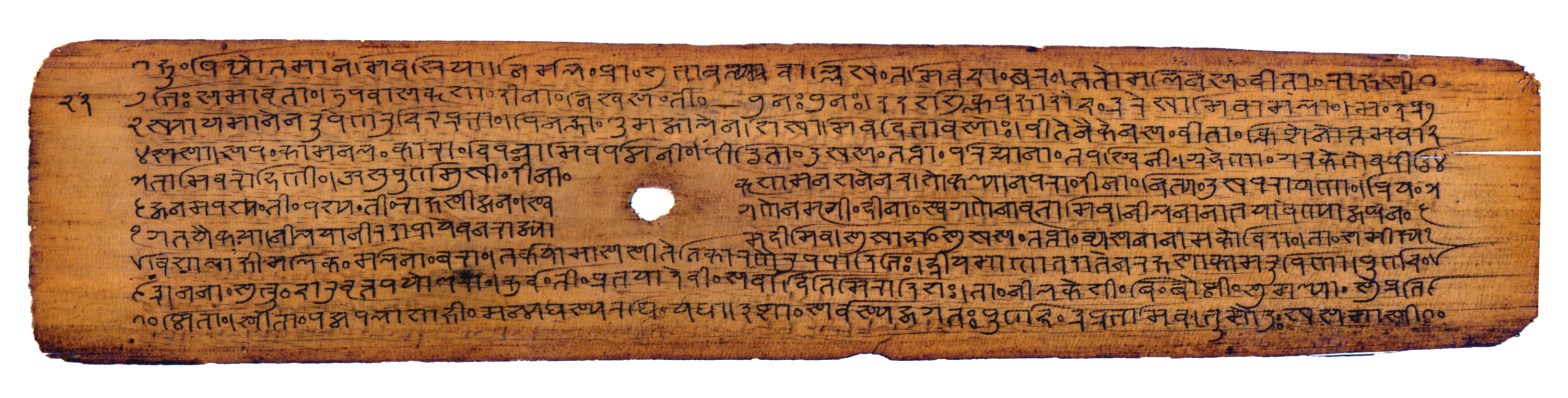
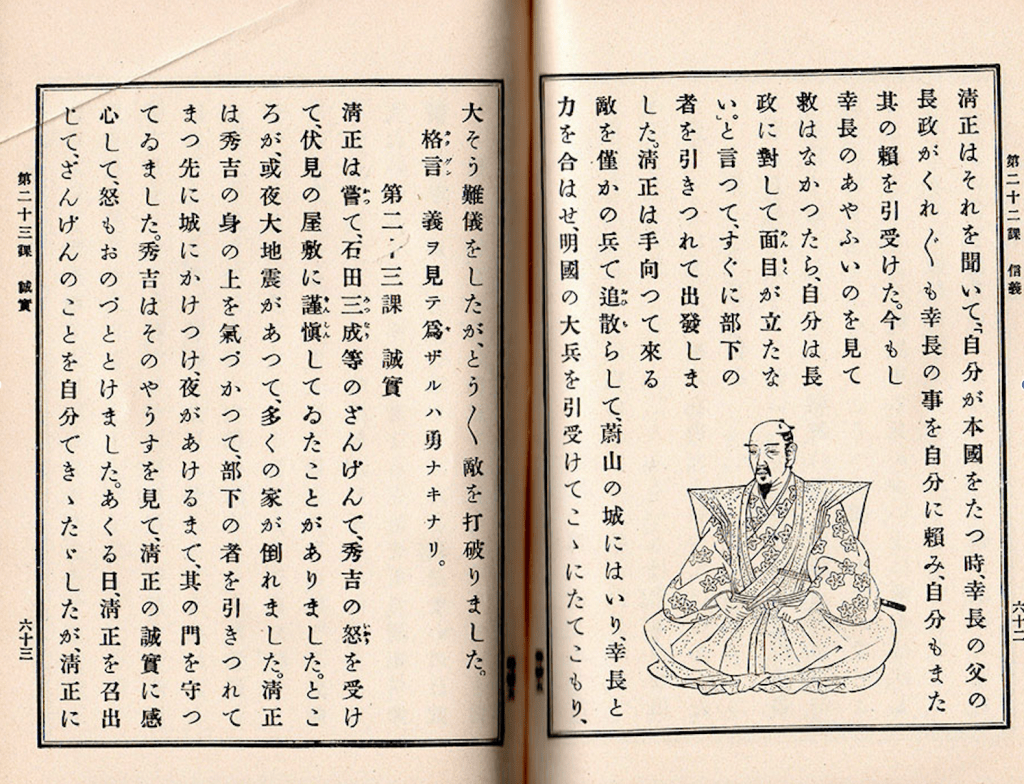
語学力 (बहुभाषीय बूता – linguistic abilities)

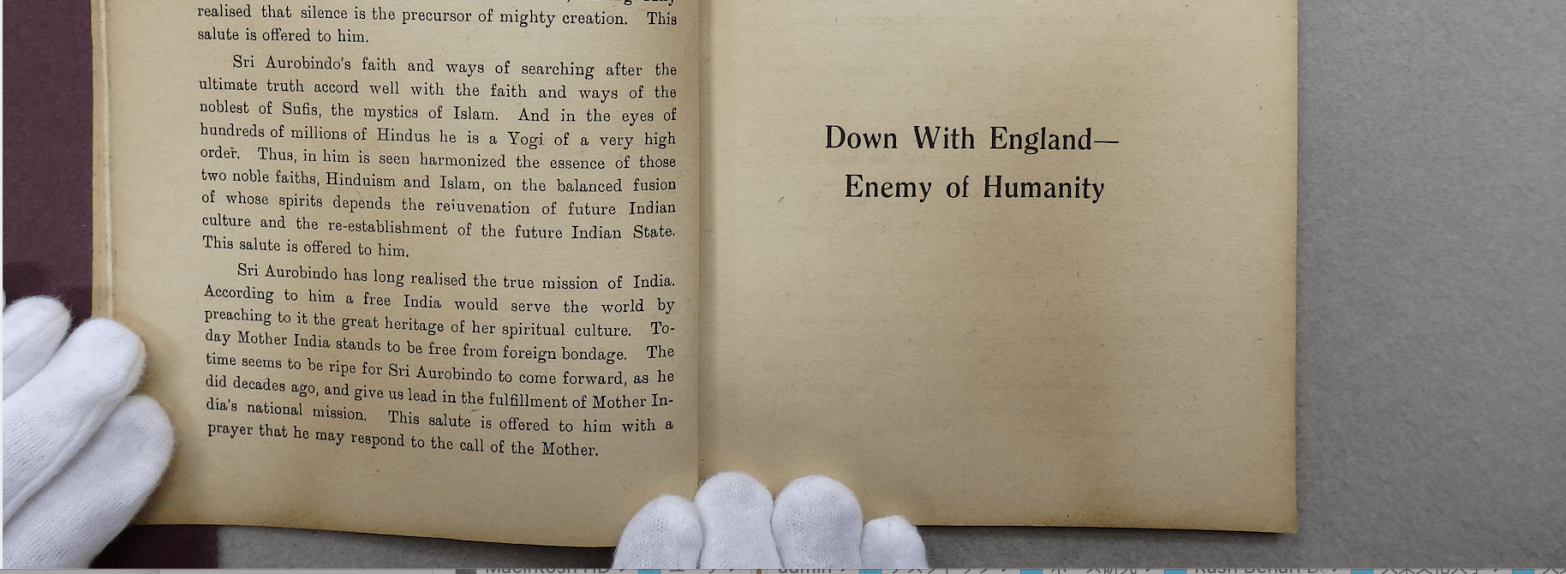
ラス・ビハリ・ボースは28歳で日本に亡命してきました。その時彼が話せたのはほんの4つの単語だけでした。幽閉中、日本語を学ぼうと努力してほんの4ヶ月で流暢な日本語が話せるようになっていました。その間日本人に接する機会もほとんど無く、小学校の教科書を使って自力で学んだのです。彼が使った教科書には丁寧なメモが英語と日本語で書き込まれてあり、彼の努力のほどを手にとって見ることが出来ます。

रास बिहारी बोस २८ वर्ष के थे जब वह जापान पलायन कर गये। उस समय वह केवल चार जापानी शब्द जानते थे। जब वह एक काल के लिये गुप्त निगूढ स्थिति में रहे, तब उन्होंने उषाद्वीपी भाषा सीखने का पूरा प्रयास किया, और मात्र चार महीने के भीतर सरित जापानी बोलने में सक्षम रहे। उस काल में उनको जापानियों से सम्पर्क रखने के बहुत कम अवसर मिले, सो उन्होंने प्राथमिक शिक्षा के पुस्तिकाओं के स्वाध्याय से हि अपने आप को भाषा सिखाया। उनके हस्तलिखित टिप्पणियाँ उन पुस्तिकाओं के पन्नों पर मिलते हैं, आंग्ला और जापानी दोनो में, जिससे आप स्वयं जान सकते हैं कि कितनी कर्मठता से अध्ययन किया गया।

Rash Behari Bose was 28 years old when he fled to Japan. At that time, he knew only four Japanese words. While he was in hiding, he put in great effort to study the Japanese language, and he was able to speak Japanese fluently within just four months. During that time, he had very little opportunity to come into contact with Japanese people, and taught himself the language using elementary school textbooks. His handwritten memos are on the pages of these books, in both Japanese and English, and so you can see for yourself just how much effort he put into his studies.

コンピューターもビデオもテレビもない時代のことでした。辞書を引くと言っても知らない言語の知らない文字で引くのですから簡単ではありませんでした。今の日本語よりひらがなの数も多ければ、漢字も難しくその数も何倍も使っていた頃のことです。書物は漢文調が多く、話し言葉とは大変違っていました。そんな言葉を中年になりかかった外国人が習得するなど並大抵のことではありません。

उन दिनो न संगणक था न दूरदर्शन। कोश में शब्द ढूंढना भी कोई सुकर बात नहीं होता जब भाषा हि अपरिचित है और लिपि अनजाना। उस समय, आज से कई अधिक हिरागाना अक्षर हुआ करते थे, और कांजी लिपि आजसे जटिलतर और संख्या में कई गुना अधिक। अधिकांश लेखजात कान्बुन (शास्त्रिय उषाद्वीपी भाषा) में हुआ करते थे, जो साधारण बोली से सर्वथा भिन्न थी। असाधारण बात तो यह है कि एक लगभग मध्यवयस्क विदेशी ने ऐसे पराये भाषा पर निपुणता प्राप्त किया।

In those days, there was no computer or television. Even looking words up in a dictionary is no easy feat in an unfamiliar language, with unfamiliar characters. Back then, there were even more hiragana characters in use than there are now, and the kanji characters were more complex, and multiple times more in number. Most written materials were in kanbun (classical Japanese), which is entirely different from the spoken language. It is truly extraordinary that a nearly middle-aged foreigner was able to master this language.

尋常小学校教科書

ラス・ビハリ・ボースは実の母親を幼い時に亡くし、小さい頃は叔父の所でそだちました。父親は自分の家族を置いて、遠くに単身赴任していましたから、親の加護には恵まれませんでした。彼は学校に行ったことは行ったのですが、授業中もインド独立の夢で頭が一杯で勉強も手に付きませんでした。何度も学校を逃げ出したり、中退したりしました。結局、最後には高校の卒業試験だけを受けて、卒業したということにしたようです。そんな悪条件にも関わらず、彼の学力はずば抜けていました。

रास बिहारी बोस की माँ का बचपन में हि देहान्त हो गया, और बालकपन मामा के घर बीता। उपजीविका के कारणवश उनके पिता परिवार से दूर रहते थे, सो बोस को माँ-बाप का लाड-प्यार अनुभव करने का सौभाग्य नहीं मिला। बोस पाठशाला निश्चित हि जाया करते थे, पर कक्षा में उनका सिर भारत के मोक्ष के सपनों से भरा रहता था, सो पाठ पर ध्यान लगता हि नहीं। कई बार विद्यालय से भागे, और छोड़ भी दिया। पर अन्त में कैसे भी उच्च-विद्यालय स्नातकीय परीक्षा दे हि दी, और ऐसा प्रतीत होता है कि उत्तीर्ण भी हुए। ऐसे कर्म के चलते भी आगे जाकर उनकी अध्ययनशीलता अभूत्पूर्व रही।

Rash Behari Bose’s mother passed away when he was very young, and as a small child, he was raised at his uncle’s home. His father lived far from the family due to his occupation, and so, Bose was never fortunate enough to experience parental love. Bose did indeed attend school, but during class time, his head was filled with dreams of Indian independence, and he was not able to concentrate on his studies at all. He ran away from school many times, and even dropped out of school. In the end, he did manage to take the high school graduation exam, and it appears that he did graduate. Despite such circumstances, his scholarly ability was unprecedented.

その中でも素晴らしかったのが彼の語学力でした。彼の母語はベンガル語でしたが、サンスクリット語、ヒンディー語、その他、いくつかのインド語を流暢に話しました。フランス領インドのチャンダンナガーに住んだおかげでフランス語も母国語なみ、こと英語に関しては、大英帝国の営林署の所長を勤め上げるほど上手に英語をあやつったうえ、立派な文章を書くことが出来ました。そのような人だったからでしょうね、難しい日本語を短期間で完全にマスターできたのは。

सबसे उल्लेखनीय गुण थी उनकी बहुभाषीय प्रतिभा। उनकी माँ-बोली बंगाली थी, पर वह अनगिनत दूसरे देशी भाषाओं में कुशल थे, जिनमें हिन्दी और संस्कृत भी अन्तर्गत थे। क्योंकि वह फ़्रांस-अधिगृहीत प्रान्त से थे (चन्दननगर), सो फ़्रांसीसी भी उनका एक प्राकृत-बोली की तरह थी, और क्योंकि वह वन अनुसंधान संस्थान के मुख्याधिकारी बनें, जोकि ब्रिटिश साम्राज्य के अधीन था, तो वह आंग्ला में भी निपुण थे। इस के अतिरिक्त वह एक विपुल और कलात्मक लेखक थे। इन सारे उपलब्धियों के कारण हि वह प्रायः उषाद्वीपी भाषा पर कौशल्य प्राप्त करने का बूता रखते थे।

What stood out most of all was his great strength in languages. His mother tongue was Bengali, but he was also fluent in numerous other Indian languages including Sanskrit and Hindi. Because he had home in the area of India under French occupation, Chandannagar, French was also one of his mother tongues, and as he was employed as head of the Forest Research Institute, which belonged to the British Empire, Bose was also adept at English. In addition to all of this, he was a prolific and skilled writer. It must have been because of all that he was able to accomplish the profound feat of mastering Japanese.

人類最古の言語の一つと考えられているサンスクリット語を知ると人間の言葉が全てどこかでつながっているのだということが感じられます。もしかしたら、サンスクリット語を習得するのは語学力を高めるのに最高の手段なのかもしれません。世界中の人が他の言語を容易に習得できたら、お互いに相手の心を理解し、仲良くできます。サンスクリット語が世界を平和にする鍵なのかもしれません。

यदि आप संस्कृत जानते हैं, जो मानव इतिहास के सबसे प्राचीन भाषाओं में से है, तो आपको यह स्वतः प्रमाणित हो जायेगा कि वह मूलभूत रूप से हर विद्यमान भाषा से जुड़ा है। वास्तव में यह सम्भव है कि संस्कृत सीखना अपने बहुभाषीय क्षमता को बढ़ाने का सबसे साधक उपायों में से है। यदि समूचे जग के लोग अनायास परदेशी बोलियाँ सीख पायेंगे, तो लोग एक दूसरे को एक मानव स्तर पर समझने में सक्षम होंगे, और हम सब सुख-शांति से रह सकेंगे। वास्तव में सरल संस्कृत भाषा का सार्वजनिक निपुण उपयोग शायद विश्व शांति को विस्तारने की कुंजी है।

If you know Sanskrit which is one of the oldest languages of humankind, then you will realize that ultimately, it is connected to every existing language. It is in fact possible that learning Sanskrit is one of the most effective methods for strengthening one’s linguistic abilities. If people around the world can easily learn foreign languages, then people would be able to understand one another on a human level, and we could all get along with each other. Mastering the Sanskrit language may in fact be the key to achieving world peace.

1945年8月15日にアメリカとイギリスによる世界完全制覇の一段階目が終わってから、日本では、日本語は日常生活程度できれば良しとされるようになりました。漢文や古文は重要と見られなくなり、教養がある日本人達は日本語ではなく英語習得を大切にするようになりました。

जब आंग्ल-अमेरिकीय वैश्विक वर्चस्व का पहला चरण अगस्त १५, १९४५ ईसवी को पूरा हो चुका था, तब उषापुत्रों पर यह ढकोसला किया गया कि अपने माँ-बोली की  बस दैनन्दिन जीवन के लिये थोड़ी-बहुत सीख आवश्यक है। इनसे कान्बुन (शास्त्रिय उषाद्वीपी भाषा) और कोतिन (शास्त्रिय साहित्य) का अवमूल्यन कराया गया, और पण्डितों और बुद्धिजीवियों के नये वर्ग ने जापानी के स्थान आंग्ला के अध्ययन पर बल देना शुरू किया।

Once the first stage of American and British world domination was completed in August 15, 1945, Japanese were pushed to believe that they only needed to learn enough of their language to carry out simple daily conversation. They were made to devalue kanbun (classical Japanese) and koten (classical literature), and scholars and intellectuals began to favor studying English over Japanese. 

1947年8月15日にはイギリスとアメリカによる世界完全制覇の二段階目が終わりました。その時からインドでインドの言葉は日常生活が出来る程度しか教育されなくなりました。サンスクリット語は一般に教えられなくなり、インド社会では英語の完璧さのレベルが教養のレベルの尺度になりました。

अगस्त १५, १९४७ ईसवी को अमेरिकीय और आंग्ला वैश्विक प्रभुत्व का दूसरा चरण पूरा हुआ। उस दिन के बाद समूचे भारतवासियों को केवल छोटे-मोटे दैनिक कार्यों के लिये अपने बोलियों के फटे और अल्पविकसित उपयोग का प्रचलन नीतिगत रूप से किया जाने लगा। संस्कृत की शिक्षा लगभग अधिकारहीन हो गयी और व्यक्ति की आंग्ला निपुणता हि उसके शिक्षा और बुद्धि का मापदण्ड बनने लगा।

On August 15th, 1947, the second stage of American and British world domination was completed. From that point forward, Indians were taught only enough of their own language that they could carry out daily conversation . Sanskrit was no longer widely taught, and it was made such that one’s English language ability was seen as an indicator of their education and intellectual level.

日本でもインドでも戦前は複数の言語を上手に操る人が沢山いたのですが、今は英語一辺倒になっています。古代から深い交流が長い間続いていたはずの日本とインドも、いまやお互いを理解し合うのに英語の文献に頼るようにさえなってしまいました。語学力が低下し、他の言語を学ぶ力が極端に低下しました。1945年以降、日本とインドで語学力が低下したのは偶然ではありません。言語教育の劣化はイギリスとアメリカによる分割統治政策のひとつなのです。

महायुद्ध से पहले, ऐसे अनगिनत उषापुत्र और भारतवासी हुआ करते थे जो परदेशी भाषाओं में निपुण थे। परन्तु आज-कल केवल आंग्ला पर ध्यान केन्द्रित है। ऐसे देशों के निवासी अपने दीर्घ-कालीन मित्र देशों के बारे में भी अब आंग्ल-रचित पुस्तकों द्वारा ‘ज्ञान’ ग्रहण करते हैं। भाषा-दक्षता घट चुकी है, और परदेशी बोलियों को सीखने की क्षमता में आपत्तिजनक गिरावट हुई है। यह कोई संजोग नहीं कि जापानियों और भारतवासियों ने अपनी भाषा-दक्षता को समान कालक्रम में खो दिया है। भाषा शिक्षण का ऐसा पतन तो बहुत सारे षड्यंत्रों में केवल एक उपाय है जिससे कि अमेरिका और आंग्लदेश अपना भेद-और-राज कलन-विधि चलाते हैं।

Before the war, there were countless Japanese and Indians who were proficient in various foreign languages. However, now the focus is solely on English. The people of such nations now gather information on even ancient friendly countries via books written in English. Language  skills have dropped, and the ability to learn foreign languages has fallen tremendously. It is no coincidence that both Japanese and Indians lost their language abilities at the same time. The degradation of language education is just one of the many techniques of America and Britain’s policy of divide and conquer.

なぜ日本語なの?(जापानी क्यों सीखें ? – Why learn Japanese?)

なぜインド人が日本語を学ぶことが大切なのかを考えてみます。

आइये अब विचार करें कि भारतों के लिये उषाद्वीपी सीखना महत्वपूर्ण क्यों है।

Let us now consider why it is important for Indians to learn Japanese.

Rash Behari Bose's Cry
Rash Behari Bose’s Cry

1941年に戻ってみましょう。インドはイギリスの残酷な植民地政策に苦しんでいました。そして、1947年に独立したことになっています。その独立というものはイギリス連邦(Commonwealth of Nations)の一部としての独立でしかありませんでした。実質的に共通言語は英語、連邦の長はイギリス国王です。率直に言えば、独立国家というのは名ばかりなのです。

अब तनिक १९४७ को लौट चलें। उस समय, भारत ब्रिटन के क्रूर नीतियों के दबाव में यातनाएं झेल रहा था। और फिर, यह बताया जाता है कि १९४७ में मुक्ति प्राप्त की। वास्तव में, वह मुक्ति मात्र ब्रिटिश राष्ट्रमंडल का पृथक् भागीदार बनने में था। उनका एक औपचारिक भाषा आंग्ला है, और उनका सम्राट आंग्लदेश की रानी है। खुलकर कहा जाये तो भारत की मुक्ति नाम मात्र थी।

Now, let us go back to 1941. At that time, India was suffering under the cruel colonial policies of Britain. And then, it is said that they gained independence in 1947. In reality, that independence was no more than India becoming part of the British Commonwealth of Nations. Their official language is English, and their monarch is the Queen of England. Frankly put, Indian independence is in name only.

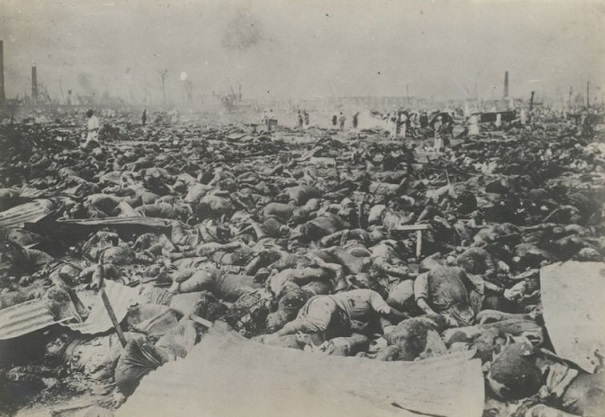
1941年から1945年の間にラス・ビハリ・ボースはインドを独立させようと命をかけて日本で戦いました。インド独立を援助した日本は、その間ずっとイギリスとアメリカから日本民間人の無差別大量虐殺を受け、人口がおびただしく減り全国土が焦土と化した状態で武器による交戦を止めました。

१९४१ से १९४५ तक, रास बिहारी बोस ने अपने प्राण दाँव पर लगाकर उषाद्वीप की धरती से भारत के मोक्ष के लिये लड़ी। जब जापान सक्रिय रूप से भारतीय मुक्ति आन्दोलन की पुष्टि कर रही थी, तब आंग्लदेश और अमेरिका के हाथों निहत्थे जापानी नगरवासियों का बड़े आयाम पर अन्धाधुन नरसंहार हो रहा था। जब जापान की जनता का अकल्पनीय रूप से विशाल संख्या में हनन हो चुका था, और उषाद्वीप का अधिकांश भाग को वे राख कर चुके थे, तब जाकर जापान ने सशस्त्र आत्मरक्षा की चेष्टा को रोक दी।

From 1941 to 1945, Rash Behari Bose put his life on the line to fight for Indian independence from within Japan. While Japan was actively supporting the Indians independence movement, the innocent civilians of Japan were suffering indiscriminate, large scale massacres at the hands of England and America. After an unimaginably vast population of Japan had been murdered, and most of Japan had been burnt to the ground by them, Japan ceased defending itself with weapons.

それから、ずっと情報戦が現在も続いています。イギリスとアメリカは戦勝国の立場にたって、大東亜戦争を歪曲し、プロパガンダを流して攻撃を続けています。彼らは未だに日本とインドを抹消しようとしているのです。1945年までは虐殺という手を使って、そして現在は情報戦で攻撃をし続けているのです。

तब से एक प्रचंड सूचना-समर प्रवर्तमान है, आज तलक। अमेरिका अब विजेता के पद पर विराजमान है, और बृहत् पूर्वी एशियाई महायुद्ध के विस्तर जानकारीयों को निरन्तर मरोड़ता रहता है, जिस कुप्रचार से आक्रमणकारी दबाव बने रहे। आज भी वे जापान और भारत को मिटाने हेतु कमर कस के कर्मशील हैं। १९४५ तक यह काम उन्हेंने अपने हाथों से किया, भारत और उषाद्वीप के भूमिपुत्रों को अनर्थक संख्या में मारकर, और अब वे उसी प्रहार को सूचना-समर के रूप में आगे बढ़ा रहे हैं।

Since then, an information war has continued to rage on, even to this day. America has the status of being the victor, and endlessly distorts the details of the Greater East Asia War, continuing their attack by pouring out propaganda. Even now, they are hard at work to wipe out Japan and India. Until 1945 they did so with their hands, massacring preposterous numbers of Japanese and Indians, and now they continue their assault in the form of an information war.

インド人は、インドの真実を英語に頼って学んでいます。それではイギリスのプロパガンダに完全にコントロールされても仕方がないのです。

भारतीय जनमानस में आज-कल अपने हि देश के बारे में जानने के लिये अंग्ला प्रलेखों का सहारा लेने का झुकाव डाल दिया गया है। इसी कारणवश, यह सहज रूप से अपेक्षित है कि वे आंग्लदेश के दुष्प्रचार के पूर्ण प्रभाव में रहेंगे।

Indians tend to rely on English language documents in order to learn about India. For this reason, it is only expected that they be under the complete control of England’s propaganda.

じゃあ英語を使わないでインドの言葉で十分ではないかというと、それも違うのです。なぜでしょうか?歴史をちょっと振り返ってみましょう。

इस स्थिति में शायद यह सेचा जाए कि भारतों को बस आंग्ला का उपयोग बंद करके केवल देशीय भाषाओं में व्यवहार करना चाहिये। पर यह भी पर्याप्त नहीं होगा। क्यों ? आइये कुछ पल के लिये इतिहास को पलटकर एक बार फिर दृष्टि पसारें।

In that case, one might think that Indians should just stop using English and use only Indian languages, but this is not sufficient, either. Why is this? Let us take a moment to look back on history.

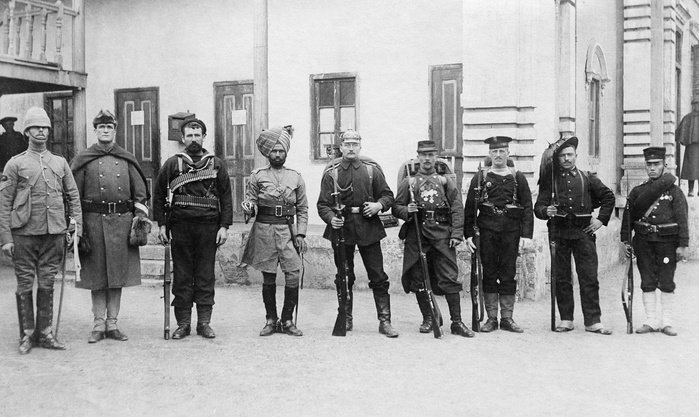
1900年に、今の中国の一部で義和団事件が起きました。その時は連合軍が出兵し、中国の植民地化が強化されました。

वर्ष १९०० में, वर्तमान चीन में स्थित गीवादान घटना घटी। उस समय, अभिसन्धित राष्ट्रों ने उस जगह की ओर सैन्य दल प्रयात किये, और चीन का क्रमशः उपनिवेशन फिर से चालू हो गया।

In the year 1900, the Giwadan incident occurred in what is now part of present day China. At that time, the Allied nations dispatched troops to the area, and the stepwise colonization of China resumed.

Allied troops

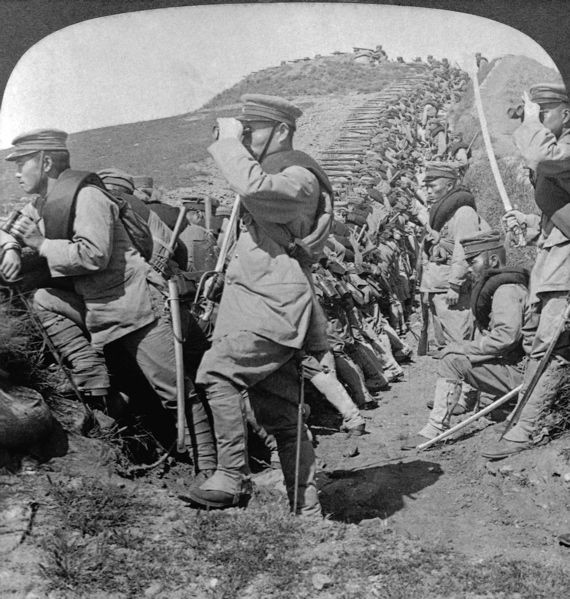
続いてロシアが満州と朝鮮を侵略し、日本海までやってきました。1905年に日本がそのロシアを打ち負かし、ロシアの東アジア進出をくい止めました。これが日露戦争です。

फिर रूस ने मांचूरिया और कोर्या पर आक्रमण किया, और उषाद्वीपी सागर में भी आगे बढ़ा। १९०५ में, जापान ने रूस को हराया, और पूर्वी एशिया पर रूसी आक्रमण को बीच कदमताल रोक दिया गया। यह रूसी-जापानी युद्ध के नाम से विख्यात है।

Next, Russia invaded Manchuria and Korea, and even advanced into the Sea of Japan. In 1905, Japan defeated Russia, and Russia’s invasion of East Asia was stopped in its tracks. This is known as the Russo-Japanese War.

日露戦争

これを見たアジアの若者たちは欧米による植民地政策から脱却しようと情熱を燃やしました。1905年から1945年まで、アジアの若者たちが日本に集まりました。日本で技術を学び力をつけ母国に経済力をつけさせようと活躍しました。みな日本語を学んで、日本と一緒に欧米の植民地政策から抜け出そうと努力したのです。

इसे देखकर पूर्वी एशिया के युवाओं के मन में पाश्चात्य औपनिवेशिकता से स्वतंत्रता की आस सुलगने लगी। १९०५ से १९४५ तक, एशिया भर से युवाओं ने जापान में भीड़ मचाई। वह जापानी शिल्पविद्या (प्रौद्योगिकी) सीखना चाहते थे, और वे अपने और अपने मातृभूमियों की आर्थिक शक्ति बढ़ाने के लिये कड़ी महनत करने लगे। उन सभी ने जापानी भाषा सीखी और जापानियों के साथ मिलकर पाश्चात्य उपनिवेशवादियों को उखाड़ने में जुट गये।

Seeing this, the young people of East Asia began to burn passionately with the desire to free themselves from Western colonization. From 1905 to 1945, youth from across Asia flocked to Japan. They wanted to learn Japanese technology, and worked hard to build up their own strength and the economic strength of their own motherlands. They all learned the Japanese language, and worked together with the Japanese to oust their Western colonizers.

アジアの人たちは日本に協力してもらいたかったのですから、日本語を学んで日本語で学び、活躍しました。そして日本人と仲良くし、自分の文化を紹介し、日本文化を理解して心を通じ合わせたのです。そんな努力が、多くの書類の形で今でも残っています。ラス・ビハリ・ボースが書いた書物はその典型的なものなのです。

एशिया के लोग चाहते थे कि जापान उनके साथ सहयोग करें, और इसी प्रयोजन से उन्होंने जापानी भाषा सीखी और जापानी समाज में निहित सदस्य बने। जापानी लोगों को मित्र बनाया, स्वदेशी संस्कृति से उनका परिचय कराया, और जापानी संस्कृति की अपनी समझ-बूझ बढ़ाई, जिससे कि वे स्थानिक जनता के मन के तरंगों से अपने हृदय से सहज अनुनाद कर सकें। उनका महान श्रम लेखजात में प्रलेखित है, जो कि आज भी उपलब्ध है। रास बिहारी बोस के प्रकाशन ऐसे प्रलेखों का उत्तम निदर्श है।

The people of Asia wanted Japan to collaborate with them, and it was for this reason that they studied Japanese and engaged themselves in Japanese society. They made good friends with Japanese people, introduced them to their culture, and came to understand Japanese culture and resonate with them from the core of their hearts. Their great effort is documented in written materials that are available even to this day. Rash Behari Bose’s publications are a perfect example of such documents.

欧米と戦ったラス・ビハリ・ボースがどんな人物で何をしたかを知るには英語に頼っていたのではいけません。英語の社会では大英帝国とその取り巻き達(おべっかつかい)とコンプラドール(欧米人の操り人形、売国奴)に向かって堂々と戦ったラス・ビハリ・ボースを矮小化したいのですから。

पाश्चात्य शक्तियों के विरुद्ध रास बिहारी बोस का संघर्ष, वह वास्तव में थे कौन और किया क्या – इन बातों को समझने में आंग्ला प्रलेखों पर कभी भरोसा न करें। इस का कारण यह है कि आंग्ला बोलने वाले समाजों और मंडलियों में रास बिहारी बोस को छोटा दिखाने की प्रवृत्ति होती है, जिन्होंने ब्रिटिश साम्राज्य और उनके देशी चेलों और बिचौलियों के विरुद्ध इतनी ढिठाई से लड़ी।

In order to understand Rash Behari Bose’s struggle against the Western powers, and exactly who he was and what he did, you must never rely on English documents. The reason for this is that English speaking society wishes to trivialize Rash Behari Bose, who fought so brazenly against the British Empire and its local acolytes and compradors.

インド人自らがラス・ビハリ・ボースの本を生で読むべきです。彼の超人的な強さと優しさを本当に知ったら、インド人みんなにインド人としての真の誇りと強さが戻ってくるでしょう。彼が4ヶ月でマスターしたぐらいの日本語は4年もすればマスター出来ると思って頑張ればいいのです。

भारतों को चाहिये कि वे स्वयं हि रास बिहारी बोस के मूल लेखों को साक्षात् पढ़ें। यदि वे उनके अतिमानवीय शक्ति और कोमल कारुण्य को ठीक से जानने लगे, तो शायद भारत को अपने वास्तविक गौरव और सत्त्व का प्रत्यभिज्ञान हो जोयेगा। उनके शब्द पढ़ने के लिये, भारतों को उषाद्वीपी भाषा का अध्ययन करना होगा, इस आशय से कि यदि वे केवल चार साल का महनत लगाएं, तो निश्चय हि वह भाषा सीख सकते हैं जो बोस ने चार महीनों में आत्मसात् कर लिया था।

Indians must directly read Rash Behari Bose’s original writings for themselves. If they come to truly understand his superhuman strength and tender kindness, then perhaps Indians can all regain their genuine pride and power. To read his words, Indians need only study Japanese with the feeling that if they worked hard for four years, surely they could learn the language that Bose mastered in four months.

ラス・ビハリ・ボースが残した書物を読んで、私が学んだことは言い尽くせないほど大きなものです。こんな感動をインドの若者たちに感じてもらいたいと思います。

रास बिहारी बोस के प्रकाशनों को पढ़कर मेरे लिये व्यक्तिगत रूप से ज्ञान का जो भंडार खुला, उसका गोचर शब्दों से परे है। यह मेरी आकांक्षा है कि भारत की युवा पीढ़ी भी वही गहरी भावना और आवेश से विभोर हों, जिसका अनुभव मैंने बोस के वाणी द्वारा किया है।

The amount of knowledge that I personally gained by reading Rash Behari Bose’s publications is indescribably immense. It is my wish that the youth of India can feel the same deep emotion and excitement that I have experienced through Bose’s words.

私がこうしてラス・ビハリ・ボースのお話をするのもいいですが、インドの若者自らがラス・ビハリ・ボースの本を読んで研究したらもっと素晴らしいと思います。

रास बिहारी बोस के बारे में मेरा इस प्रकार लिखना तो अपनी जगह ठीक है, पर मेरी यह मति है कि बोस की मूल वाणी स्वयं पढ़कर अनुसंधान करना भारतों के लिये अधिक क्रान्तिवान् होगा।

It is fine for me to write about Rash Behari Bose in this manner, but I think it would be all the more magnificent for young Indians to read Bose’s writings for themselves, and conduct their own research.

ラス・ビハリ・ボース研究はインド政府ではなく、個人がサポートしなくてはなりませんよ。インドは未だにイギリスから独立はしていないので、政府は欧米のご機嫌をとらなくてはなりたたないものですからね。

आगे यह भी कहना चाहिये कि आप रास बिहारी बोस के विषय में अनुसन्धान का कार्य भारत सरकार के भरोसे न छोड़ें। व्यक्तिगत रूप से कर्मशील होकर एक-दूसरे से सहयोग करना होगा। आज तक भारत पूरी तरह से मुक्त नहीं हुआ है, और इसी कारणवश भारत सरकार को पाश्चात्य शक्तियों की तुष्टि करनी पड़ती है, और उनके अनुकूल कार्यक्रम से हटकर काम नहीं कर सकता।

Furthermore, you must not rely on the Indian government for such research on Rash Behari Bose, you must support each other and work on it as individuals. Even to this day, India is not yet fully independent, and so the Indian government must humour the West and act in accordance with them.

ラス・ビハリ・ボースを研究をする人は地位も名誉も得られないでしょう。経済的にもきつい生活を強いられるでしょう。だからみんながサポートしなくてはならないのです。

संभवतः, रास बिहारी बोस के अनुसन्धान में निरत लोगों को न पद प्राप्त होगा न प्रतिष्ठा। इस काम से अर्जित धन तो दैनिक व्यय भी पूरा नहीं कर पायेगा। ठीक इसी कारण, जो लोग ऐसा कार्यभार उठायेंगे, उनको समाज से आर्थिक सहाय मिलना चाहिये।

Those who dedicate themselves to researching Rash Behari Bose will likely gain neither position nor prestige. The amount of money earned will not at all be enough to support even daily life. It is for precisely this reason that those who take up this endeavour must be supported by public.

奨学金制度や財団が出来るといいですね。1945年までの日本はラス・ビハリ・ボースもスバス・チャンドラ・ボースも全面的に援助しました。今の日本は欧米に制圧されているのでそんなことをしてくれるはずはありません。

आदर्श स्थिति में, एक छात्रवृत्ति प्रणाली और एक संस्थान की स्थापना की जा सकता है। १९४५ तक, जापान ने रास बिहारी बोस और सुभाष चंद्र बोस की सारी आवश्यकताएं उपलब्ध कराया। परन्तु वर्तमान जापान पाश्चात्य शक्तियों के पूर्ण नियंत्रण में हे, सो अब उनसे ऐसी सहायता असम्भव है।

Ideally, a scholarship system and a foundation could be established. Until 1945, Japan supported Rash Behari Bose and Subhas Chandra Bose with everything they needed. However, present day Japan is under the total control of the West, and so, there is no chance that they will do so now.

1900年から1945年の日本語の文献には、欧米列強の植民地政策に対抗した人たちの美しい真実があります。

जिन्होंने पाश्चात्य शक्तियों के उपनिवेशन का विरोध किया, उन महापुरुषों की सुन्दर सच्चाई १९०० से लेकर १९४५ तक लिखे जापानी प्रलेखों में सम्यक् रीति से अंकित है।

The beautiful truth of the great figures who opposed the colonialism of the Western powers is well recorded in Japanese documents written between 1900 and 1945.

ラス・ビハリ・ボースが残した血のにじむような貴重なことばと悲壮な叫びを、私はインド人に是非直接読んでほしいのです。

मेरी गहनतम इच्छा है कि भारत अपने आप रास बिहारी बोस के लेखजात में अंकित अनमोल रत्न और दुःखान्त होते हुए भी वीर, ओजस्वी आक्रोश को स्वयं पढ़ लेंगे।

It is my deepest desire that Indians will read for themselves the precious words, and the tragic but heroic outcry recorded in the writings of Rash Behari Bose.

マヘンドラ・プラタップ (महेन्द्र प्रताप – Mahendra Pratap)

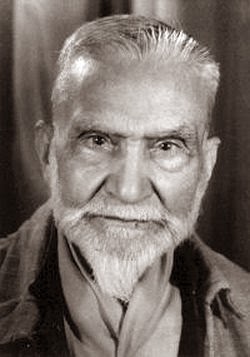
1920年ごろから、インド人のマヘンドラ・プラタップが日本に住んで、インド独立運動を展開しました。彼は高貴な生まれだということで、日本人に大変大切にされました。

लगभग १९२० से महेन्द्र प्रताप जापान में रहने लगे और भारतीय मुक्ति आन्दोलन का निर्वाह करते रहे। वह भारतीय समाज में ऊँचे कुल के थे, इसलिये उषापुत्रों ने उनका बड़ा आदर किया।

As of around 1920, Mahendra Pratap began living in Japan and carried on the Indian independence movement. Since he was high class by birth, he was highly regarded by the people of Japan.

プラタップは、インドと東アジアは欧米列強の植民地政策から抜け出し、一つの国として独立すべきだという信念を持っていました。そして、日本に積極的に働きかけました。

प्रताप की यह मान्यता थी कि भारत और पूर्वी एशिया को मिथ सहयोग जुटाकर पाश्चात्य उपनिवेशन से छुटकारा पाना चाहिये, और फिर एक राष्ट्र में संघटित होकर रहना चाहिये। इस मति से उन्होंने जापान से तरस्वी गतिविधियां चलाई।

Pratap was of the belief that India and East Asia should work together to gain freedom from Western colonisation, and that they should unify into a single nation. With this in mind, he worked actively from within Japan.

日本はインドを始めその他アジアの情勢を丹念に調べ、有識者達と検討した結果、マヘンドラ・プラタップの考えにほぼ賛成しました。但し、一つだけどうしても認められない点がありました。

उषाद्वीप ने भारत और शेष पूर्वी एशियाई देशों के स्थिति-गति को सूक्ष्मेक्षिका से परखा, और विशेषज्ञ अधिकारियों के साथ गहरे जांच-पड़ताल के उपरांत उनका निष्कर्ष भूयशः महेन्द्र प्रताप से सहमत निकले। अपितु एक बात बची थी जिसपर मतभेद रहा।

Japan meticulously examined the state of affairs in India and the rest of the Asian countries, and after investigating extensively with expert authorities, their findings largely agreed with Mahendra Pratap. However, there was just one point that they could not agree with.

マヘンドラ・プラタップの考えは日本が欧米列強と戦争をして東アジアを統一し、マヘンドラ・プラタップが王位につくということだったのです。

महेन्द्र प्रताप का ठवन था कि जापान को पाश्चात्य देशों से युद्ध लड़कर भारत और समस्त पूर्वी एशिया को एकजुट करवाना था, और फिर स्वयं महेन्द्र प्रताप हि राजा बनेंगे।

It was Mahendra Pratap’s stance that Japan should fight a war against the Western powers, unify all of India and East Asia, and that Pratap himself would become the king.

Mahendra Pratap

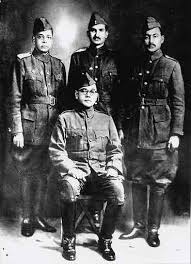
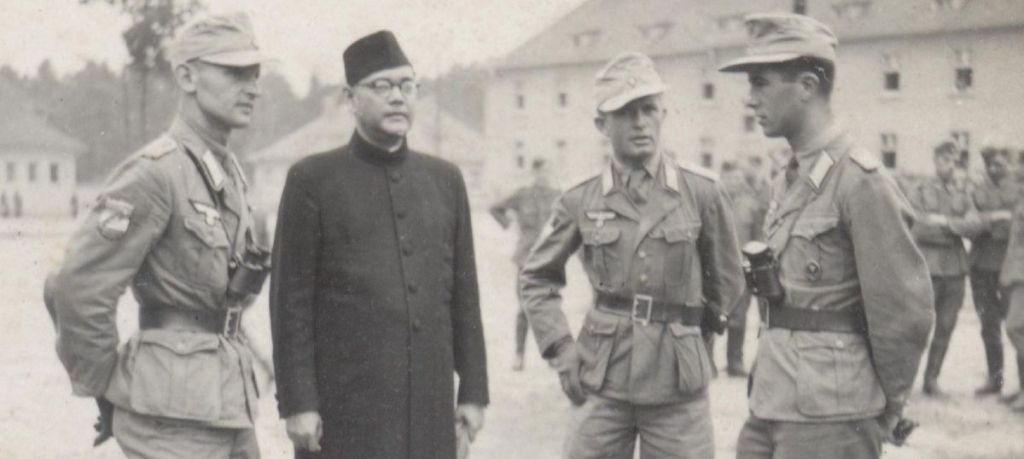
スバス・チャンドラ・ボースの考えも似たようなものでした。日本に戦争してもらって、インドからイギリスを追い出し、インドに軍事政権をしいて、スバス・チャンドラ・ボースがその総督になるというものでした。

सुभाष चन्द्र बोस का ठवन भी इसी स्वभाव का था। वह चाहते थे कि जापान युद्ध लड़े, भारत से आंग्लों को निकाले, और फिर वह भारत को सैन्य अधिनायकता के अधीन स्वयं महाशासक का दायित्व निभायेंगे।

Subhas Chandra Bose’s stance was also similar in nature. He wanted to have Japan fight the war, expel England from India, and then he would place India under a military dictatorship, which he would rule as governor general.

Subhas Chandra Bose with three followers with Nazi like uniforms

その一方で、ラス・ビハリ・ボースの考えは異なっていました。彼はインド人に働きかけてインド国内のインド人を独立戦争に立ち上がらせ、インドの政治をインド国民会議に任せるというものでした。

दूसरी ओर, रास बिहारी बोस की सोच अलग थी। उनका विश्वास था कि भारतों को अपने लिये स्वयं लड़ना चाहिये, और मुक्ति संग्राम भारत के भीतर से हि आरम्भ करना चाहिये। भारत की राजनीति को, उन्होंने कहा, भारतीय राष्ट्रिय कॉंग्रेस के हाथों सौंप देना चाहिये।

On the other hand, Rash Behari Bose had a different way of thinking. He believed that the Indians should fight for themselves, and that they should launch the war of independence within India. The politics of India, he said, should be entrusted to the Indian National Congress.

Rash Behari Bose

日本軍と日本政府はラス・ビハリ・ボースの考えに賛成しました。それまで在日インド人の代表的存在だったマヘンドラ・プラタップを外し、ラス・ビハリ・ボースを独立インド連盟の代表にすることを決定しました。

उषाद्वीप का सैन्य संस्थान और जापानी प्रशासन दोनो रास बिहारी बोस से सहमत थे। यह निर्णय लिया गया कि महेन्द्र प्रताप, जो कि उस समय तक जापान के भारतीय प्रवासियों के प्रतिनिधि थे, को उस पदवी से हटाकर रास बिहारी बोस को भारत स्वातंत्र्य संघ का प्रमुख बनाया जाये।

The Japanese army and the Japanese government were in agreement with Rash Behari Bose. It was decided that Mahendra Pratap, who had until then been the representative of Indians living in Japan, was removed from his post, and Rash Behari Bose was installed as the leader of the Indian Independence League.

それにも関わらず、戦後マヘンドラ・プラタップはGHQからA級戦犯として拘束されました。しかし、それも形式的なもので、彼は1946年8月にインドに送還されました。それから33年間、93歳で亡くなるまでプラタップは平穏な人生を送りました。

तथापि, महायुद्ध के अन्त पश्चात्, अमेरिकीय सैन्य मुख्यालय ने महेन्द्र प्रताप को प्रथम स्तर का युद्ध अपराधी अभिहित करके कारावास में रखा। यद्यपि यह मात्र औपचारिकता थी, और अगस्त १९४६ में उनका स्वदेशांतरण किया गया। अगले ३३ वर्ष, ९३ बरस के बुढ़ापे में उनके निधन तक, प्रताप ने सुशांत और सुखी जीवन बिताया।

Despite this, after the end of the war, Mahendra Pratap was arrested and imprisoned by the GHQ as a class A war criminal. However, this was indeed only a formality, and he was repatriated to India in August of 1946. For the next 33 years, until his passing at the age of 93, Pratap lived out a calm and tranquil life.

親代わり(अभिभावक – Guardian)

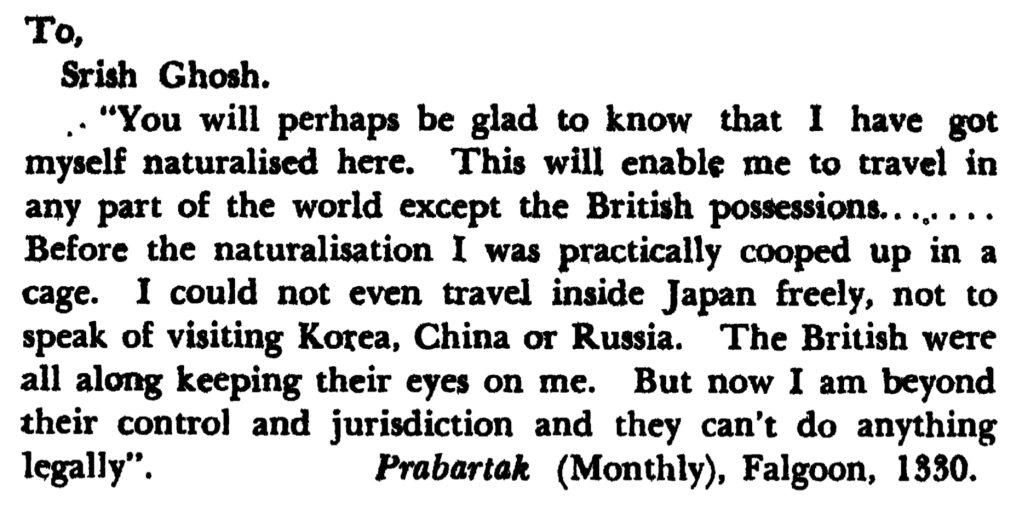
ラス・ビハリ・ボースは日本国籍を取りました。その理由は、日本女性と結婚したからでも日本が好きだったからでもありません。イギリスが彼に刺客を回して暗殺を企んでいたし、インド人でいるということはイギリス人であることで、イギリスは彼を殺す権利があったからです。

रास बिहारी बोस ने जापानी नागरिकता स्वीकार किया। इसका यह कारण नहीं था कि उनकी पत्नी उषापुत्री कुलांगना थी, और न हि इसलिये कि उनका उषाद्वीप से सच में लगाव था। इसका कारण यही था कि जब तक वह भारतीय (अर्थात् ब्रिटिश अधीन) नागरिक रहते, तब तक ब्रिटन को उनकी हत्या करने का अधिकार रहता, किसी न किसी व्यपदेश से। वस्तुतः जब तक वह ब्रिटनाधीन नागरिक रहे, ब्रिटिश गुप्तघातक उनका पीछा करते रहे।

Rash Behari Bose took up Japanese citizenship. The reason was not because he was married to a Japanese lady, nor was it because he loved Japan. It was because as long as he remained an Indian (i.e. British), Britain would always have the right to kill him, one way or another. In fact, British assassins had continued to hunt him down, as long as he remained British.

インド本国のインド人もボースのインド帰国を助けませんでした。つまり、ボースが自分の命を守って、インドをイギリスから救うためには日本人にならざるを得なかったのです。

मातृभूमी में भारतीय साथी उनकी सहायता कर नहीं रहे थे, और भारत-परावर्तन की कोई संभावना नहीं बची। इसका यह परिणाम था कि यदि रास बिहारी बोस जीवित रहकर ब्रिटिश से भारत के मोक्ष हेतु अपनी लड़ाई अविरत रखना चाहते थे, तो जापानी नागरिकता स्वीकार करने के अतिरिक्त और कोई विकल्प नहीं रहा।

The Indians back in his motherland would not help him, and there was no possibility of him returning to India. That meant that in order for Rash Behari Bose to survive and continue fighting to free India from the British, he had no choice but to become Japanese.

Rash Behari Bose’s letter to his sister

いくら日本女性と結婚したからといっても日本国籍がとれるというわけではありません。日本国籍を取るには、難関がありました。それは、彼が日本に入国した後、上海に出たことがあって、その後、日本に密入国したので、その密入国した日にちが当然のことながら、書類に記載されていなかったからです。ボースが日本に住んでいたことをみんな知っていましたが書類上では日本から出国したことになっていたのです。

किसी जापानी को ब्याहकर जापानी नागरिक बनना न हि सहज अधिकार है और न हि सरल प्रक्रिया। जब रास बिहारी बोस जापानी बनने का प्रयास कर रहे थे, एक बड़ा विघ्न का सामना था। आवेदन में उनको यह बताना था कि उन्होंने उषाद्वीप में कब प्रेवेश किया था, परन्तु यह बात कुछ उलझा-सा था। जापान में पहली बार प्रवेश करने के तुरन्त बाद वह कुछ समय शांगहाई गये। तत्पश्चात् ब्रिटिश के डर से उन्होंने पुनः अपने आप को जापान में चोरी-छुपे घुसवा लिया। यद्यपि सब लोग जानते थे कि रास बिहारी बोस उषाद्वीप में बरसों से रह रहे थे, सरकारी प्रलेख बताते थे कि वह जापान से प्रथान कर चुके थे।

Marrying a Japanese person does not entitle or make it easy for one to become Japanese. When Rash Behari Bose tried to become Japanese, there was a huge obstacle. In his application, he had to state when he entered Japan, but this matter was somewhat complicated. Soon after he first arrived in Japan, he went to Shanghai for a short while. After that, he smuggled himself into Japan, fearing the British. Even though everybody knew Rash Behari Bose had been living in Japan for years, the official document said that he had departed Japan.

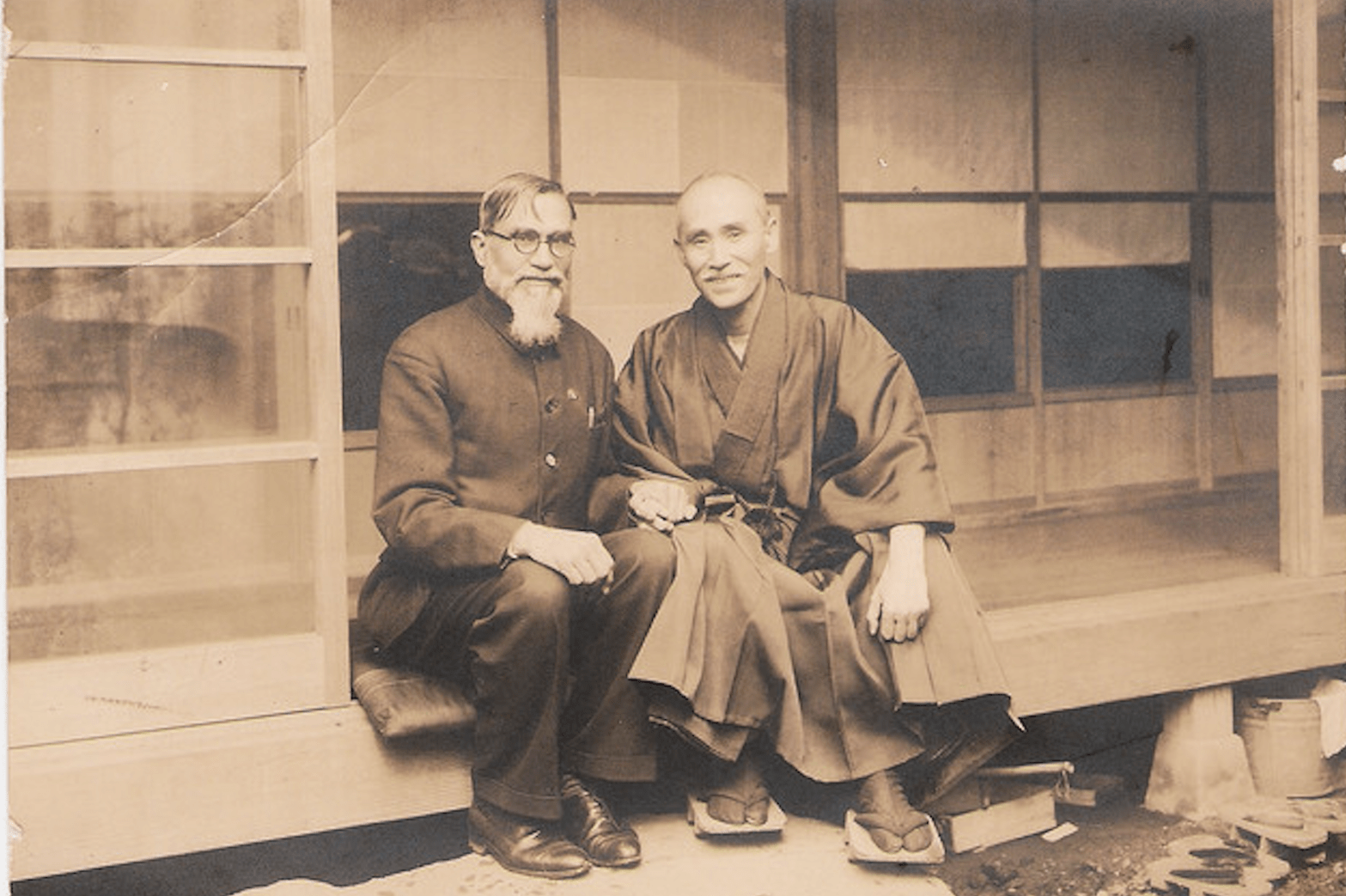
そのような問題は、頭山満が解決しました。頭山満は自らをラス・ビハリ・ボースの親代わりと宣言し、親でさえ出来ないほどの加護を与えました。ラス・ビハリ・ボースがインド人を救ったのなら、ラス・ビハリ・ボースの命を救い、守った頭山満はインド人が決して忘れてはいけない人物なのです。

ऐसी गम्भीर समस्या का समाधान तोयामा मित्सुरु ने निकाला। तोयामा मित्सुरु ने धोषणा कर दी कि वह रास बिहारी बोस के पिता-समान अभिभावक की भूमिका निभाकर उनकी यथाशक्ति अधिक से अधिक रक्षा करेंगे। वास्तव में उन्होंने रास बिहारी बोस की ऐसी देखभाल की जो प्रायः कोई जनक-जननी भी नहीं करते। यह जानते हुए कि रास बिहारी बोस ने कितने भारतीय प्राणों की रक्षा की थी, भारतवासीयों को चाहिये कि वे स्वयं बोस के रक्षक, तोयामा मित्सुरु, को कभी न भुला दें।

This type of serious problem was solved by Toyama Mitsuru. Toyama Mitsuru declared that he would act as Rash Behari Bose’s father and would give Bose the maximum protection that he was capable of giving. He indeed took care of Bose much more than any parent would. Knowing how many Indian lives were saved by Rash Behari Bose, Toyama Mitsuru, Rash Behari Bose’s protector, should not be forgotten by the people of India.

Toyama Mitsuru

ラス・ビハリ・ボースが独立インド連盟の本部の建物の中で病の床に伏せている中、1944年の10月に頭山満は亡くなりました。その死を聞いて、ボースは涙を流し気力を落とし、精神的にも、身体的にも弱々しくなりました。その時、東京はもとより、日本中がイギリスとアメリカから頻繁に空爆を受け続けていました。 11月にはスバス・チャンドラ・ボースが真っ赤なバラの花束を持って現れ、その後、彼は見る見る病状が悪化して1月に亡くなりました。

जब रास बिहारी बोस रोगशय्या पर पड़े थे, तब अक्तूबर १९४४ में तोयामा मित्सुरु का स्वर्गवास हुआ। उनकी मृत्यु की वार्ता सुनते हि बोस के आँसू बहने लगे थे, और देखते हि वह मन और तन से दुर्बल होने लगे। उस समय तोक्यो और समूचा उषाद्वीप ब्रिटन और अमेरिका के प्रचंड कट-बमबारी की आँधि में तड़प रहा था। नवम्बर में सुभाष चंद्र बोस शुभ्र लाल पाटलपुष्पों का बड़ा स्तबक धरे रास बिहारी बोस से मिलने आये। उस दर्शन के समनन्तर हि रास बिहारी बोस की स्थिति अचानक बड़ी शीघ्रता से बिगड़ने लगी, और वह जनवरी १९४५ में देह छोड़ गये।

While Rash Behari Bose was sick in bed, in October 1944, Toyama Mitsuru passed away. Upon hearing of his death, Bose shed tears and became visibly weak, both emotionally and physically. At that time, Tokyo, as well as the rest of Japan, was suffering severe carpet bombing by British and America. In November, Subhas Chandra Bose visited Rash Behari Bose with a huge bundle of bright red roses. After that, Rash Behari Bose’s condition deteriorated very rapidly and he passed away in January, 1945.

日本のボース (जापान वाले बोस – Bose of Japan)

ラス・ビハリ・ボースが1915年に日本に亡命してきた時、東南アジアには百万人以上のインド人が定住していました。日本にも何千何万人ものインド人達が住んでいました。

१९१५ ईसवी में रास बिहारी बोस के उषाद्वीप पलायन के समय, पूर्वी एशिया में लहभग दस करोड़ भारतीय प्रवासी थे – उषाद्वीप को छोड़ कर। इस के ऊपर उषाद्वीप में दसों सहस्रों भारतीय थे।

At the time that Rash Behari Bose escaped to Japan in 1915, there were about a million Indians living in East Asia, not including Japan. There were a further thousands and tens of thousands of Indians in Japan.

東南アジアのインド人はイギリス人に連れてこられた労働者か、東南アジアで商売を営んでいた裕福な人達でした。

पूर्वी एशिया में बसे भारतीय, या तो ब्रिटिश के हाथों लाये गये दरिद्र श्रमिक थे, या फिर धनिक व्यापारी जो वहाँ व्यवसाय चलाने आये थे।

Indians in East Asia were either poor labourers who were brought over by the British, or rich merchants who made their wealth by conducting business there.

当時でも、東南アジアの経済界は中国人が握っていましたから、東南アジアのインド人は中国人やイギリス人やアメリカ人と仲良くすることを重要に思っていました。

उस समय भी पूर्वी एशिया की अर्थ-व्यवस्था पर चीनी प्रवासीयों की पकड़ थी, सो पूर्वी एशिया के भारतीय प्रवासी समुदाय चीनी कुल वाले, ब्रिटिश और अमेरिकीयों के सौम्य पक्ष में रहने का विशेष ध्यान रखा करते थे।

Even at that time, Chinese were controlling the East Asian economy, and the Indians in East Asia placed great importance on staying on the good side of the Chinese, British and Americans.

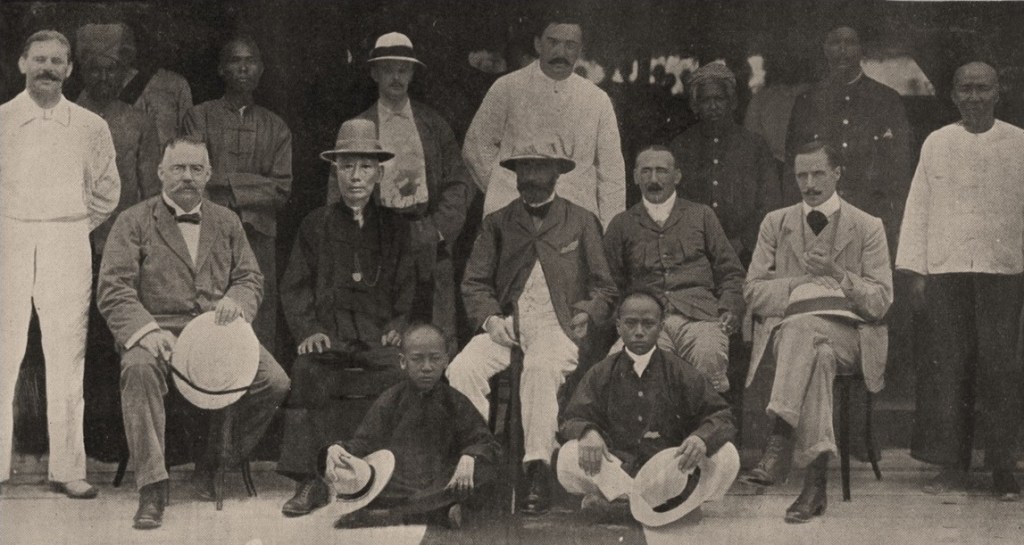
Wealthy Chinese person with British colonial officials in Perak, c. 1904

その一方で、日本に住んでいたインド人は、日本に商売を求めてきた人もいれば、留学生や職業訓練・技術取得に来た人もいました。そして、インドからイギリスを追い出そうと活動する有能且つ勇敢なインド人達が沢山いたのです。

दूसरी ओर, उषाद्वीप में बसे भारतीय अलग थे। उनमें से कुछ जापान में व्यवसाय चलाने के अभिलाषी थे, कुछ विश्वविद्यालय में सीख पाने आये थे, और कुछ देशीय यंत्र-तंत्र शिल्पविद्या का प्रशिक्षण और प्रौद्योगिक ज्ञान में प्रवीण बनने। उसके ऊपर ऐसे बहुत सारे प्रतिभाशाली और पराक्रमी देशीय थे जो भारतीय स्वतंत्रता आन्दोलन में तेज सक्रिय, ब्रिटन को मातृभूमि से खदेड़ने के लिये तपस्वी थे।

On the other hand, Indians in Japan were different. There are some who wanted to run a business in Japan, some were there to attend college, and some were there to seek technical training and master various technologies. On top of that, there were many talented and brave Indians who were very active in the Indian independence movement, fighting to oust the British from their motherland.

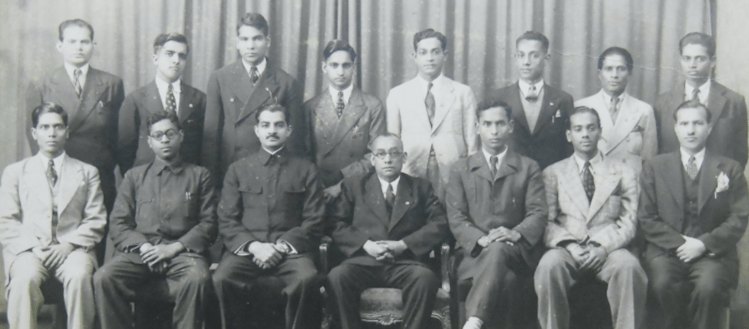
Rash Behari Bose, A.M. Nair and other members of Indian Independence league

日本にいたインド人は、ほとんどの人がイギリスをインドから追い出してインド人を残酷なイギリス人から救おうと努力していました。

उषाद्वीप में बसे अधिकांश देशीय ब्रिटिश को लातों से भगाकर अपने स्वदेशवासियों को उन शक्तियों के निर्दय हाथों से बचाने के लिये असाधारण प्रयास करते थे।

Most of the Indians in Japan put extra effort in trying to save people in India from the cruel hands of the British by kicking them out.

中国は2度のアヘン戦争の後、1860年以降イギリスの傘下にはいりましたから、中国もイギリスもアメリカも日本のインド人にとっては敵のようなものでした。

दो अहिफेन (अफ़ीम) युद्धों के बाद, १८६० से चीन व्यावहारिक रूप से ब्रिटिश उपनिवेशन बन चुका था। सो जापान के भारतीय प्रवासियों की दृष्टि में चीन, ब्रिटन और अमेरिका शत्रु थे।

After the two opium wars, as of 1860, China was basically a British colony. So, for Indians in Japan, their enemies were China, Britain and America.

東南アジアにいるインド人やインド本国のインド人はインドの完全独立を阻止しようとしました。彼らはラス・ビハリ・ボースを侮辱して、「日本のボース」とあざけり、日本の操り人形だと揶揄しました。そして、インドをイギリスの傘下に置けき続けようと策略を凝らしました。

पूर्वी एशिया में और घर स्वदेश में ऐसे भारतीय भी थे जो भारत को ब्रिटन से पूर्ण रूप से स्वतंत्र होने से रोक रहे थे। वे रास बिहारी बोस को “जापान वाले बोस” कहकर अपमानित करते थे, और जापानी पुतला बुलाकर उपहास उड़ाने की चेष्टा करते थे। उन्होंने अपना पूरा बल लगाकर उनको वशीभूत करने का प्रयास किया जिससे कि भारत सदा ब्रिटिश प्रभावाधीन रहे।

There were Indians in East Asia and back in their motherland who tried to stop India from becoming completely independent of Britain. They nicknamed Rash Behari Bose “Bose of Japan,” as an insulting term, and taunted him by referring to him as a Japanese puppet. They tried with all their might to manipulate him so that India would forever remain under British rule.

インドを救おうと命をかけたラス・ビハリ・ボースを、イギリス側のインド人たちが軽蔑的に呼んだ名前が「日本のボース」なのです。

अतः रास बिहारी बोस को अवमानित करती “जापान वाले बोस” की यह उपाधि उन भारतीयों का चहीता नाम था जो ब्रिटिश के पक्षपाती थे।

So, the nickname “Bose of Japan” was the preferred term by Indians who were on the British side, insulting Rash Behari Bose.

さて、ラス・ビハリ・ボース自身は実際に日本の操り人形で、盲目的に日本を愛していたのでしょうか?

अब क्या रास बिहारी बोस सचमुच जापान के पुतले थे जो कि उषाद्वीप के अन्धे भक्त बन चुके थे ?

Now, was Rash Behari Bose truly a Japanese puppet who blindly loved Japan?

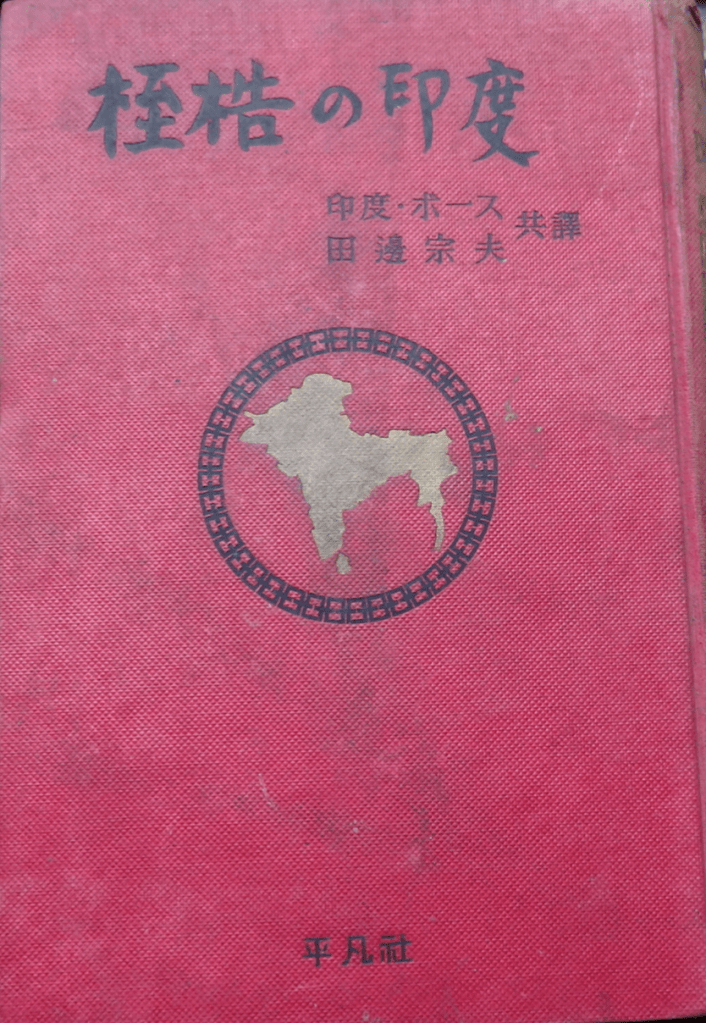
彼自身が署名に使っていたのは印度・ボースまたは印度人・ボースです。彼の心は印度への忠誠であるということはどの日本人の目からみても明確でした。

अपने पहले प्रकाशनों में उन्होंने स्वयं “इन्दो बोस” की उपाधि को चुना था। किसी भी उषापुत्र के दृशा यह स्पष्ट था कि उनकी अनुरक्ति भारत से जुड़ी थी, जापान से कदापि नहीं।

The name that he used in his earlier publications was “Indo Bose.” It was obvious from any Japanese person’s point of view that his loyalties lay in India, and never in Japan.

Shikkoku no Indo

ラス・ビハリ・ボースは日本の軍部や政府の要人に対し、堂々と自分の意見や要望を述べ、自分の心は日本人ではなくインド人であることを臆せず言い続けました。

रास बिहारी बोस उषाद्वीप के सैन्य संस्था और प्रशासनिक अधिकारियों के साथ विवाद करने से कभी नहीं जिझके, और खुले इस ठवन पर बल देते रहे कि वह जापान के पक्ष में भारत के लाभ को जोखिम में डालने को कभी तैयार नहीं, अपितु अकेले भारत के हि अनुरक्त सदा रहेंगे। (कृपया स्मरण रखें कि उस समय भारत औपचारिक रूप से उषाद्वीप का वैरी था।)

Rash Behari Bose never hesitated to argue with Japanese military and government officials, and he emphasized boldly that he had no intention of giving in to Japanese, but that he would remain as faithful as possible to India. (Please remember that India was Japan’s enemy at that time.)

そんなラス・ビハリ・ボースを日本人はとても尊敬していました。当時の日本人は母国日本に忠誠を尽くしていましたから、母国に忠誠を尽くす人間を高く評価していました。ですから、ラス・ビハリ・ボースが印度ではなく日本に媚びへつらっていたら、決して彼を相手にしなかったでしょう。

रास बिहारी बोस के इस धृष्टता के लिये उषापुत्र उनका आदर करते थे। उन दिनों, उषापुत्र अपने उमड़ते राष्ट्र के भावुक भक्त हुआ करते थे, और सहज बात है कि इसी भाव का आदर किया करते थे। अतः यदि रास बिहारी बोस अपने मातृभूमी के प्रेम को भुलाकर जापान की चाटुकारी करने की चेष्टा करते, तो उषापुत्र उनको कभी गम्भीरतापूर्वक नहीं मानते।

Japanese people respected Rash Behari Bose for his resoluteness. In those days, Japanese were very loyal to their country, and naturally they respected this kind of attitude. So, if Rash Behari Bose abandoned his love for his motherland and tried to suck up to Japan, the Japanese would not have taken him seriously.

対象的に、スバス・チャンドラ・ボースはドイツのボースでした。彼はドイツという白人の国に憧れ、ヒットラーの実力に共感を覚え、ヒットラーのようになることが理想でした。自分のニックネームをヒットラーのインド語バージョンのネタジにしました。そして、ヒットラーのフューラー(ドイツ語で総督の意)に真似て自分をネタジ(インド語で総督)と呼ばせました。そして、ヒットラーと同じような軍事政権をインドに打ち立てヒットラーと同じように、その総督になることが夢でした。

रास बिहारी बोस के विपर्यास, सुभाश चन्द्र बोस सटीक समझ में “जर्मनी वाले बोस” थे। वह जर्मनी के स्तुतिकार थे, गोरों का एक देश। वह हिटलर की शक्ति और साख के उत्प्रेक्षी थे, और अपने लिये “नेताजी” की उपाधि ले ली, जो कि हिटलर की उपाधि “फ़्यूह्रर” का देशीय उल्था है। उनका मनमोहन सपना भारत में सैन्य अधिनायक शासन की स्थापना थी, जिसमें वह स्वयं एक सैन्यवादी भारत के राजनायक के रूप में विराजमान होंगे।

In contrast to Rash Behari Bose, Subhash Chandra Bose was Bose of Germany in the truest sense. He admired Germany, a nation of Whites. He looked up to the power of Hitler, and even given himself the title, Netaji, which translates as the Indian version of Fuehrer, the name used by Hitler. His absolute dream was to establish a military dictatorship in India and for himself to become the dictator of a militaristic India.

ドイツはいくらイギリスの敵だったと言っても、イギリス王室は所詮ドイツ王室から来ていますから、ドイツとイギリスの敵対関係は兄弟喧嘩のようなものなのです。ドイツに比べ、日本はイギリスにとって得体の知れない全くの他人です。だからこそ欧米は冷淡に日本人を虐殺し、日本の国土と文化を破壊し、徹底的に日本を壊滅に追いやるのです。

यद्यपि जर्मनी को ब्रिटन का वैरी माना जाता है, उनके बीच का तनाव दो भाईयों के कलह समान था, क्योंकि ब्रिटन का राजपरिवार मूलतः जर्मन राजवंशी ही थे। जर्मनी के अपेक्षा, उषाद्वीप आंग्लदेश से सर्वथा विजातीय था। यही कारण था कि ब्रिटिश और अमेरिकीयों ने शीन हृदय से उषापूत्रों का नरसंहार किया, उनकी धरति को उजाड़ के रख दिया, और जापान को पूर्ण वंशनाश की ओर धकेला।

Even if Germany was said to be the enemy of Britain, the tension between them was almost like a quarrel between brothers, since the British royal family originally came from the German royal family. Compared to Germany, Japan is absolutely unrelated to England. That is the reason why British and Americans cold heartedly mass-murdered Japanese, destroyed their land, and drove Japan towards complete extinction.

America and Britain committed random killing of Japanese civilians throughout Japan

スバス・チャンドラ・ボースは自分がインド総督の地位に立つことを目的として日本を利用しました。その爲に日本人がどのぐらい犠牲になろうとかまわなかったのです。

सुभाष चन्द्र बोस ने जापान का उपयोग करना चाहा, जिससे कि वह भारत के सैन्य शासक बनने के निजी अभिप्राय को साकार बना सके। उनको तनिक चिन्ता नहीं थी कि अपने कार्य में कितने उषापुत्रों के प्राण गँवा दिये जायेंगे।

Subhash Chandra Bose used Japan to accomplish his own agenda of becoming India’s military dictator. He did not care how many Japanese lives would be lost for his cause.

ラス・ビハリ・ボースが独立インド連盟を作り、東アジアに住むインド人を纏めようとした時、東南アジアに住むインド人は、最初から連盟の総裁はスバス・チャンドラ・ボースに譲渡することをラス・ビハリ・ボースに要求し、その上で協力しました。

जब रास बिहारी बोस ने भारत स्वतंत्रता संघ की स्थापना की और पूर्वी एशिया में बसे भारतीय प्रवासियों को संघठित करना चाहा, तब उन प्रवासियों ने रास बिहारी बोस का केवल इस प्रतिबंध पर साथ दिया कि भा.स्व.सं. के गठन के तुरंत बाद वह सुभाष चंद्र बोस को सौंपा जायेगा।

When Rash Behari Bose established the IIL and tried to unite the Indian people residing in East Asia, Indians in East Asia agreed to go along with Rash Behari Bose only on the condition that the IIL would be handed over to Subhash Chandra Bose as soon as it is established.

スバス・チャンドラ・ボースが総裁ならば、インドが欧米の配下に居続けることが保証されるからです。東アジアのインド人とスバス・チャンドラ・ボースはインドを単に東洋の一国にするのが嫌だったのです。インドがアジアの国々と肩を並べて家族になるのではなく、属国でも良いからヨーロッパの一部であることを願ったのです。ここがラス・ビハリ・ボースとは完全に違うところですね。ラス・ビハリ・ボースは間違いなくインドの次に日本を愛していました。

वे जानते थे कि यदि सुभाष चंद्र बोस भा.स्व.सं. के अध्यक्ष बने, तो प्रायः भारत का आंग्लदेश के हथेली में किसी न किसी रूप रहना प्रतिभूत था। वे कभी नहीं चाहते थे कि भारत एशिया के परिवार का सदस्य बने, अपितु उसे एक महान् यूरोपी परिवार का परिजन स्वरूप बने रहे देखना चाहते थे। यही वह निकष मणि थी जो पूर्वी एशिया में बसे उन भारतीय प्रवासियों तथा सुभाष चंद्र बोस से रास बिहारी बोस को अलग विज्ञात करता है। रास बिहारी बोस को भारत के बाद निःसन्देह उषाद्वीप से लगाव था।

If the president of the IIL became Subhash Chandra Bose, they knew that India would be guaranteed to remain in the palm of England in some form or the other. They never wanted India be a part of the Asian family of nations, but wanted to see it remain a part of the household retinue of a great European family. This is the crucial point that set Rash Behari Bose apart from those East Asian Indians and Subhash Chandra Bose. Rash Behari Bose undoubtedly loved Japan, next to India.

東南アジアのインド人たちは、欧米列強国側にいたかったのです。そして、日本にいるインド人たちがイギリス帝国政策をインドから追放しようとすることに対して妨害を続け、陰謀を企てました。なんとも悲しいことです。彼らの悪巧みが勝ってしまったのですから。インドは独立国になる機会を永久に無くし、英米の属国でいるしかないのです。

समाहार यह, कि पूर्वी एशिया के भारतीय प्रवासी उन दो शक्तियां, यूरोप और अमेरिका, के पक्षधर के रूप में टिके रहना चाहते थे। इसी कारण रास बिहारी बोस के प्रयासों को रोक-टोकना और विक्षिप्त करना उनका निरंतर अभिप्राय रहा, जो कि पाश्चात्य शक्तियों को भारत से खदेड़ने पर अटल थे। वास्तव में यह ऐतिहासिक घटनाक्रम का एक दुःखद मोड़ था। उनके शठी तिकड़म अन्त में सफल रहे, और प्रायः भारत सदा एक ब्रिटिश/अमेरिकीय दासवंश बना रहेगा।

In short, the Indians of East Asia wanted to stay on the side of the two mighty powers, Europe and America. For this reason, they carried on their agenda of hindering Rash Behari Bose’s effort to expel the western powers from India. It is indeed a sad turn of events. Their malicious acts won in the end, and India may forever remain as a British/American slave nation.

欧米は東アジアを植民地にした (पाश्चात्य ने पूर्व को किया उपनिवेशित – The West Colonized the East)

人類の歴史は哀れなものです。その内で最悪なものが植民地政策です。その植民地政策の中でもこれ以上悪いものはないというほど悪いのがイギリスによる植民地政策です。

मनुष्य का इतिहास वास्तव में दयनीय है, और उनके सारे अपराधों में उपनिवेशवाद सर्वोच्च है। और सारे औपनिवेशिक शक्तियों में ब्रिटन सबसे घातक निकला।

The history of mankind is truly miserable, and among all the evils, colonialism ranks highest. And, amongst all the colonizing nations, the deadliest of all is Britain.

1941年、大東亜戦争勃発以前の世界は欧米列強に完全に侵されていました。アジアの中で植民地にならなかったのは日本とタイだと言われていますが、その日本とタイでさえもイギリスに酷く侵されていました。

१९४१ पूर्व, बृहत्तर पूर्वी एशियाई युद्ध से पहले, समूचे विश्व में यूरोप द्वारा लूटमार मच हि रहा था। कहते हैं कि उषाद्वीप और श्यामदेश (ठाईलेंड) अकेले दो राज्य थे जो इस औपनिवेशन से बच चुके थे। किन्तु जापान और श्याम पर भी यूरोपीय उपनिवेशीयों का कुछ मात्रा में आक्रमण हो चुका था।

By 1941, before the Greater East Asia War, the entire world had been violated by Europe. People say that Japan and Thailand were the only two countries left un-colonized. However, even Japan and Thailand had been invaded by European colonies to varying degrees.

そして人類の歴史上、最も悲しい最後の戦いがあったのです。それが大東亜戦争です。インド人と日本人が心を通わせて戦った戦争なのです。その中心に立ったのがラス・ビハリ・ボースでした。

बृहत्तर पूर्वी एशियाई युद्ध मानवता का वह अन्तिम, दुःखांत युद्ध था, जो कि यूरोपीय शक्तियों द्वारा विश्व-दमन को रोकने का एक त्वरित प्रयास था। इस संघर्ष में भारत और जापान ने एक-दूसरे से सहानुभूति जताई, और अपने शत्रुओं के साथ मिलकर लड़े। जो व्यक्ति इस आन्दोलन के केन्द्रबिन्दु पर खड़े थे, वह रास बिहारी बोस थे।

The Greater East Asia War was the final, and most tragic war of mankind, in an urgent attempt to prevent world domination by European powers. In this effort, the people of India and Japan sympathized with one another, and they fought against their enemies. The character who stood at the centre of this movement was Rash Behari Bose.

1945年に日本は力尽き、東アジアの国々から裏切られ、戦うのをやめざるを得ませんでした。でも、日本人は出来るだけ戦ったのです。それだけはみんなに認めてもらいたいのです。

१९४५ में उषाद्वीप ने पूर्वी एशियाई जनता के विश्वासघात से अपने आपको अकेले पाकर हथियार डाल समाप्ति स्वीकार कर ली। परन्तु उषापुत्रों ने अपने सर्वस्व दाँव पर डाल कर लड़ाई लड़ी थी, और वे चाहते हैं कि लोक इस सच्चाई को जानें और स्वीकारें।

In 1945, Japan gave up fighting and came to an end, having been betrayed by East Asian people. But, Japanese fought the best they could, and they would like people to accept the truth.

日本とインドは大変古い文化を持っています。その太古の文化を持った人類が、何万年か後に生まれた人類文化に侵略されたのです。そして、古の文化を持った人類は己の子孫の存亡を思って戦い、そしていまだに戦い続けているのです。

जापान और भारत, दोनों की संस्कृति सहस्रों साल प्राचीन है। दोनों देशों में प्राचीन काल से चली आ रही अन्तिम परम्परा पर नव-कल्पित सभ्यताओं ने आक्रमण किया। मानव जाति के यह दो कुल अपने प्राचीन सभ्यता में दृढता से जुड़े रहे, और अभी भी आगामी पीढ़ी के हित के लिये जूझ रहे हैं।

Both Japan and India have old cultures which date back thousands of years. In each country, the very last civilization which had been surviving since ancient times was invaded by newly formed civilizations. These two human races maintain firmly planted old traditions, and are still fighting for the best of their children.

日本はアジアを侵略したという嘘がまかり通っています。ここで日本の、いわゆる植民地というものを考えてみましょう。台湾と朝鮮を指して日本の植民地といいます。台湾は日清戦争の結果に日本に譲渡されたものです。当時、住民は台湾の原住民でした。そして、台湾の原住民は日本人と心を通じ合わせ、立派な台湾を作り上げたのです。

पाश्चात्य कुप्रचार बड़े क्रियाशील रीत से जगभर में फैल चुका है कि जापान ने एशिया पर आक्रमण किया था। इस मिथ्या को बहुतों नें अन्धा स्वीकार लिया है। किन्तु आईये जापान के “उपनिवेशों” को देखें। यह लोग कहते हैं कि कोर्या और ताईवान पर उषाद्वीप का उपनिवेशन था। किन्तु जापान को ताईवान पर अधिकार तब दिया गया था जब चीन-जापान युद्ध के बाद समझौता हुआ। ताईवान के निवासी उस समय चीनी जाती के नहीं थे, अपितु उस द्वीप के आदिवासी थे। ताईवान के वह आदिवासी और उषापुत्रों के अच्छे संबंध बने, और साथ मिलकर उन्होंने एक उत्कृष्ट देश को विकसित करके बसाया।

Western propaganda has been actively spread around the world, saying that Japan invaded Asia. This falsehood is accepted by many. However, let’s now look at the “colonies” of Japan. People state that Korea and Taiwan were Japanese colonies. But, Taiwan was given to Japan as a settlement in the Sino-Japanese War. The residents of Taiwan were not Chinese at that time, but were natives of that island. Taiwanese natives and Japanese got along well, and together, they developed an excellent land to live on.

朝鮮はというと、日本は反対していたのに、朝鮮の方が日本の一部になりたいと、朝鮮人が時の朝鮮総督伊藤博文を暗殺してまで勝ち取った併合でした。

और कोर्या का क्या ? कोर्या ने उषाद्वीप में विलय की आवेदन की थी, जिस से कि उनको जापानी नागरिकता के सारे सुविधाएं और अधिकार प्राप्त हों। कोर्या के जापानी राज्यपाल, ईतो हिरोबूमी, ने विलय का कड़ा विरोध किया था। एक कोर्याई ने ईतो हिरोबूमी की हत्या करके दूसरों को वध की धमकीयां भेज दी, और इसी से कोर्या का विलय का पथ प्रशस्त हुआ।

What about Korea? Korea requested to be annexed to Japan so that they could get everything that Japanese citizens were entitled to. The Japanese Governor of Korea, Ito Hirobumi, was strongly against the annexation. It was only because a Korean assassinated Ito Hirobumi, and sent out death threats to others, that Korea succeeded in annexing with Japan.

台湾人がどう思っていたか、朝鮮人がどう思っていたかということは問題では無いのです。彼らも東アジア全ても日本人に助けてもらいたいと思っていながら、日本と一緒に戦うぐらいなら欧米の奴隷になっていたほうがいいなと思っていたことが問題なのです。

कोर्याई और ताईवानी आदिवासीयों के विचारों को लेकर उस समय समस्या नहीं थी। समस्या तो यह थी कि वह, और दूसरे पूर्वी एशियाई, सब चाहते थे कि औपनिवेशिकता के ढाये क्लेश और उत्पीडन से छुटकारा पाने में उषाद्वीप उनकी सहायता करे, परन्तु अन्त में वे सभी अपने सुपरिचित दासता में रहने पर संतुष्ट निकले, न कि उषाद्वीप के संग लड़कर स्वतंत्रता प्राप्त करने के उत्साही।

The problem was not what Koreans and Taiwanese were thinking at that time. The problem was that they, as well as East Asians, all wanted Japan to help them from suffering imposed by colonialism, but in the end, they all preferred to stay as slaves rather than to fight alongside Japan and gain their independence.

台湾人と朝鮮人は、日本と一緒に欧米の植民地主義と戦ったという輝かしい過去があったのですが、それさえ誇りに思えないのは残念なことです。

ताईवान और कोर्या के लोग, जो कि उस समय उषाद्वीप के अंशभूत थे, यूरोपी उपनिवेशवादियों से लड़ने का एक प्रतापी इतिहास के भागीदार हैं। किन्तु दुःख की बात है कि वे आज अपने पूर्वज के उस इतिहास में शोभा नहीं देख सकते।

The people of Taiwan and Korea, being Japanese at that time, possess a glorious past of bravely fighting against European colonizers. However, it is sad that they cannot look back on that history as the glorious effort of their ancestors.

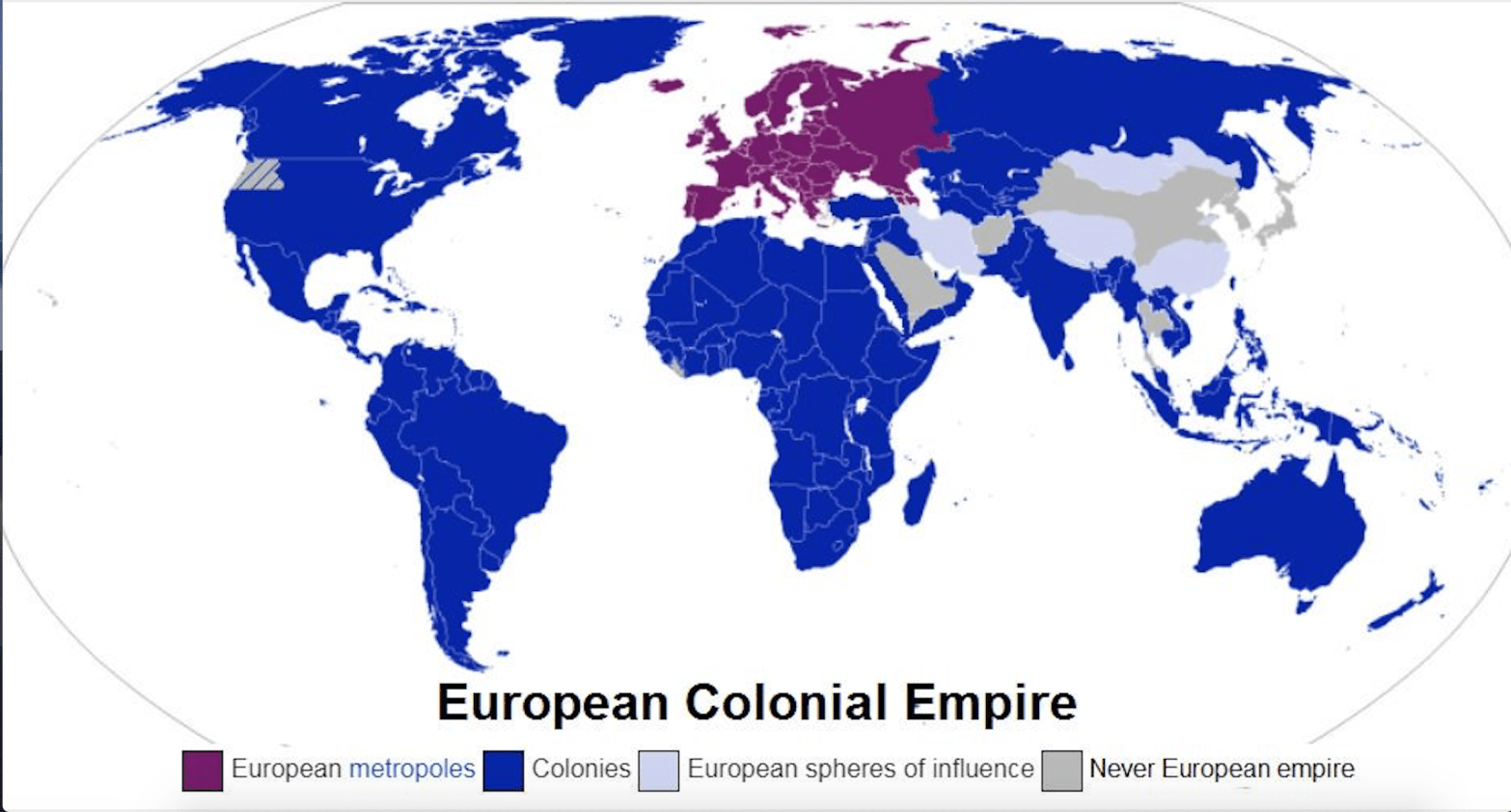
もう一度地図をよく見てみてください。東アジアを侵略していたのは欧米でしょうか?それとも東アジアの一員であった日本なのでしょうか?

कृपया इस मानचित्र पर एक बार फिर दृष्टि पसारें। क्या वह उषाद्वीप था, या यूरोप और अमेरिका, जो पूर्वी एशिया पर औपनिवेशिक नीतिगत आक्रमण कर रहा था ?

Please take another good look at this map. Was it Japan, or Europe and America that was invading East Asia with their colonization policies?

Invasion of Asia by Europeans

ラス・ビハリ・ボースは叫び続けました。

रास बिहारी बोस का आक्रोश गुंजता रहा।

Rash Behari Bose continued to cry out.

「目を覚ましてくれ」と。

“कृपा करके जागो !”

“Please, wake up!”

インド独立連盟発足 (१५ फ़रवरी को भारत स्वतंत्रता संघ का गठन हुआ – The Indian Independence League was Formed on Feb 15)

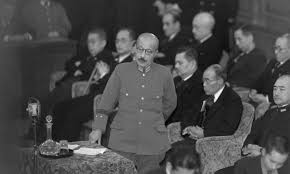
1942年(昭和17年)2月15日、日本はシンガポールを陥落したらすぐにインド独立連盟の発足を公表しました。そして、次の日2月16日、東條英機首相は貴衆両院本会議で重大宣言を発し、インド独立援助を声明しました。

१५ फ़रवरी १९४२ को, सिंघापुर के गिरने के तुरंत बाद जब जापान ने उसका शासन झपट लिया था, जापान ने यह निवेदन जारी कर दी कि उन्होंने भारतीय स्वतंत्रता संघ का गठन किया है। अगले दिन, प्रधान मंत्री तोजो हिदेकी ने उनके लोक सभा और राज्य परिषद् में यह महत्त्वपूर्ण घोषणा किया कि भारत के स्वातंत्र्य हेतु उषाद्वीप संपूर्ण समर्थन देने जा रहा है।

On February 15, 1942, soon after Singapore fell and Japan seized its control, Japan made an announcement that they had established the Indian Independence League. The following day, Prime Minister Tojo Hideki made a declaration of great importance to the House of Representative and Upper House, stating that Japan would give full and complete assistance with Indian Independence.

東條英機

原文

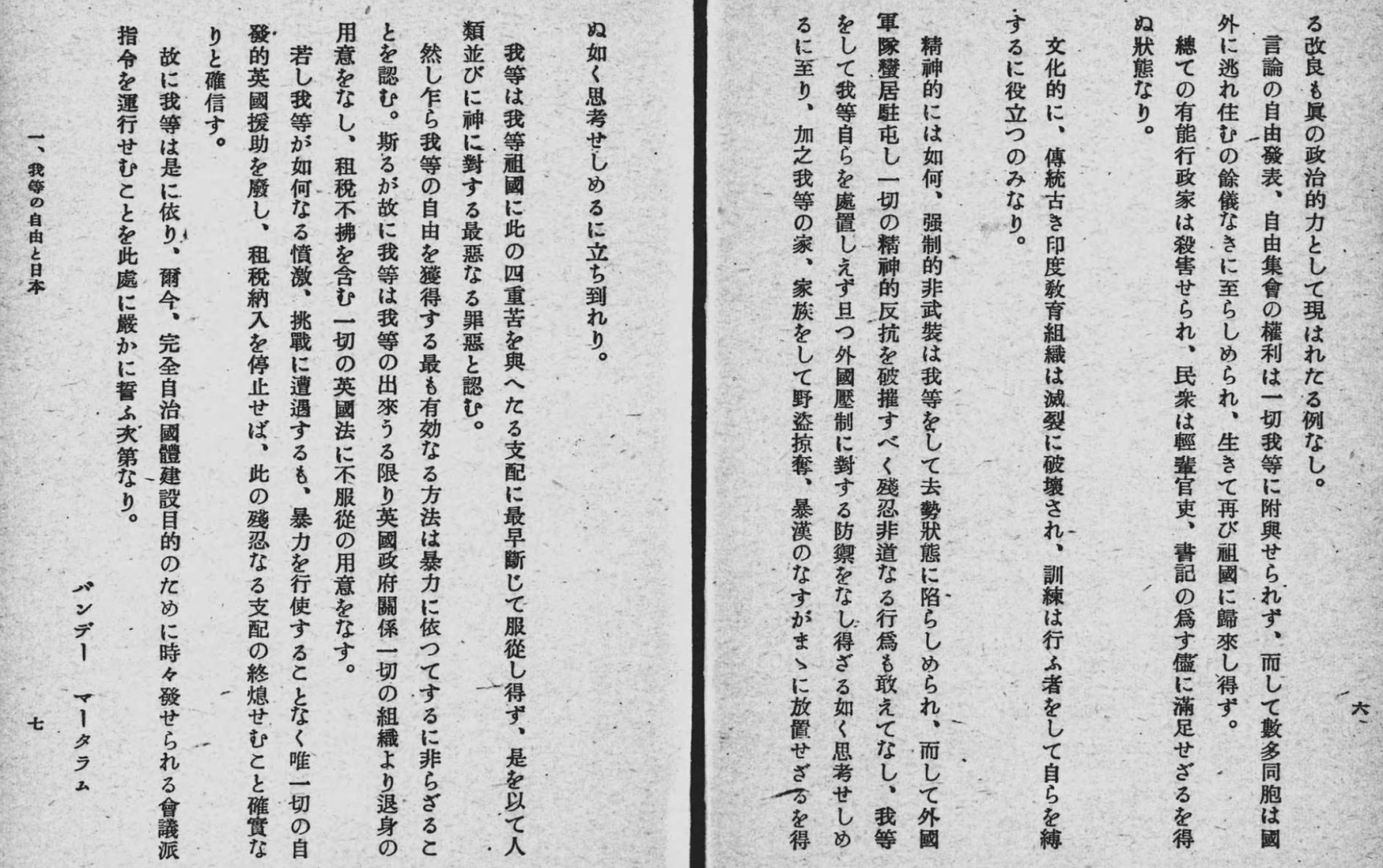
 数千年の歴史と、光輝ある文化の伝統とを有する印度も、また、今や英国の暴虐なる圧制下より脱出し、大東亜共栄圏建設に参加すべき絶好の秋である。

 帝国は、印度が印度人の印度として本来の地位を恢復すべきことを期待し、その愛国的努力に対しては、敢て援助を惜しまざるものである。

 若し夫れ、印度がこの歴史と伝統とを省みず、その使命に未だ覚醒することなく、依然として英国の甘言と好餌とに迷い、その頣使に従うにおいては、私は茲に、永く印度民族再興の機会を失うべきを憂えざるを得ない。

内閣総理大臣 東條英機 1942年(昭和17年)2月16日

उपरोक्त उनका वक्तव्य है, जो कि १९४५-पूर्व जापानी भाषा में लिखा है।

The above is his statement, written in pre-1945 Japanese.


簡単なことばにすると次のようになります。

声明(口語)

 数千年の歴史と光輝ある文化の伝統あるインドにとって、今こそが、イギリスの暴虐的な圧政から脱出して、大東亜共栄圏建設に参加すべき絶好の時です。

 日本帝国は、インドが「インド人のインド」として本来の地位を回復すべきであると期待しており、インド人の愛国的努力に対して、援助を惜しみません。

 もしも、インド人が自分の歴史と伝統とを顧みず、インド人としての使命に、いまだに覚醒しないで、依然としてイギリスの甘言とうまい餌に迷わされ、イギリス人の思うがままにこき使われる方を選ぶのなら、私は、インド民族再興の機会が永い間失われるであろうと、嘆き悲しまざるを得ません。

उपरोक्त उसी वक्तव्य को आधुनिक जापानी भाषा में लिखा गया है। उसका हिन्दी अनुवाद इस प्रकार है।

यह भारत का अनमोल अवसर है, जिसकी एक दीप्तिमान् परंपरा और सहस्रों वर्ष पुरानी प्रतापी इतिहास है, कि वह तत्कालीन दमनकारी शासन से छुटकारा पाकर बृहत्तर पूर्वी एशियाई सह-समृद्धि क्षेत्र के निर्माण हेतु हाथ मिलायें।

उषाद्वीप की आशा है कि “भारतीय जनता का भारत देश” जैसी मूल स्थिति को भारत पुनः प्राप्त करे लेगा, और हम भारतीय स्वतंत्रता के प्रति उनके देशभक्तिमय प्रयासों के समर्थन में तनिक भी संकोच नहीं करेंगे।

यदि भारत के लोग अपने इतिहास और परम्परा की मान को आँकने में विफल रहें, भारतीय होने के सहज कर्तव्य से अनभिज्ञ रहते हैं, और ब्रिटन के ढकोसले में कान के कच्चे बनकर चलते दासता के इच्छुक रहेंगे, तो मुझे अत्यंत शोक के साथ कहना पड़ेगा कि भारत सदा के लिये उस महान् भारतीय सभ्यता को पुनः स्थापित करने का अवसर गँवा देगा।

The above is the same statement written in modern Japanese. The English meaning is as follows.

This is the very opportunity for India, which has a magnificent tradition and a glorious history reaching back thousands of years, to escape the oppressing regime and to join hands and take part in constructing the Greater East Asia Co-Prosperity Zone.

Japan hopes that India will regain its original status of “India for Indian people,” and we do not hesitate to support their patriotic efforts towards Indian independence.

If the people of India fail to appreciate their history and tradition, remain unaware of their duty as Indians, and continue to be cajoled by Britain, while desiring to stay as their slaves, I feel great sorrow to say that India shall forever lose the opportunity to reestablish the great Indian civilization.


ラス・ビハリ・ボースを始め、多くの在日インド人達がこの日を待ちかねていました。彼らの喜びようは大変なものでした。この頃は、武力も経済力もあったのは欧米の他には日本しかありませんでした。日本はラス・ビハリ・ボースを連盟総裁の適任者と判断しましたが、実際はラス・ビハリ・ボースとA.M.ナイルの話し合いによって決定しました。

रास बिहारी बोस और उषाद्वीप पर बसे अन्य देशी जनता, सारे इसी दिन की प्रतीक्षा करते आ रहे थे। उनका हर्ष अगाध था। उन दिनों, यूरोप और अमेरिका के अतिरिक्त केवल उषाद्वीप हि था जिसके पास सैन्य और आर्थिक शक्ति थी। जापान ने संस्तुति रखी कि रास बिहारी बोस भा.स्व.सं. का प्रमुख अध्यक्ष बनें। अपितु अन्तिम निर्णय रास बिहारी बोस और ए.एम.नायर के बीच लिया गया।

Rash Behari Bose and the other Indian people residing in Japan had all been looking forward to this day. Their joy was insurmountable. In those days, besides Europe and America, it was only Japan which possessed military and economic power. Japan recommended that Rash Behari Bose would be the Supreme Commander of IIL. However, the final decision was made between Rash Behari Bose and A.M. Nair.

ラス・ビハリ・ボースは日本の政界と民間の有力者に繋がりが強く、A.M.ナイルは日本軍に強い人脈を持っていました。この二人が協力してこそ始めてインド独立連盟が成り立ったのです。

जापान के राजनेताओं और अति प्रभावशाली सार्वजनीन सज्जनों से रास बिहारी बोस के प्रकृष्ट संपर्क थे। दूसरी ओर, जापानी सैन्य दलों से ए.एम.नायर के बहुत पक्के संपर्क थे। वस्तुतः इन दोनो के सहयोग से हि भा.स्व.सं का कार्य संभव रहा।

Rash Behari Bose had incredible connections with Japanese politicians, and with public figures of great influence. Meanwhile, A.M.Nair had very strong connections with the Japanese Military. It was indeed with the cooperation of these two that the function of the IIL was possible.

下のビデオは日本が開戦したときの東條英樹首相の演説です。この演説をラス・ビハリ・ボースをはじめ日本でインド独立運動をしていたインド人達は涙を流さんばかりに喜んで聴いたのです。

निम्न वीडियो में बृहत्तर पूर्वी एशियाई युद्ध के प्रारंभ में तोजो हिदेकी का निवेदन है। रास बिहारी बोस और उषाद्वीप में बसे भारतीय स्वतंत्रता संग्रामीयों ने इस भाषण को सुनकर हर्ष के आँसू बहाये थे। उनको वास्तव में यह आशा थी कि भारतीय स्वतंत्रता अन्ततः सच होने वाली थी।

The video below was Tojo Hideki’s announcement at the start of the Greater East Asia War. Rash Behari Bose and the Indian freedom fighters in Japan shed tears of great joy upon listening to his speech. They truly hoped that Indian independence was finally about to come true.

大東文化大学 (दायतो बुन्का विश्वविद्यालय – Daito Bunka University)

大東文化大学の東松山キャンパスにラス・ビハリ・ボースの娘、哲が寄贈した貴重な書類や写真や本が眠っています。

रास बिहारी बोस की बेटी तेत्सु ने उनके कई कलाकृतियां संजोए रखे थे, और फिर जापान में साईतामा प्रान्त के दायतो बुन्का विश्वविद्यालय को भेंट दिये, जो कि अभी हिगाशी-मास्तुयामा परिसर पर संगृहीत हैं।

Many artifacts of Rash Behari Bose, which were donated by his daughter Tetsu, are presently stored on the Higashi-Matsuyama campus of Daito Bunka University in Saitama, Japan.

maps で見てわかるように、結構辺鄙な所にあり、中々手にすることが出来ません。私はほとんど目にしました。そして、大半のマテリアルはカメラに収めました。

नीचे मानचित्र पर जैसे आप देख सकते हैं, यह परिसर दूर एक विष्ठल जगह पर स्थित है। वहां का मार्ग दुर्गम है, और उन वस्तुओं तक अभिगम मिलना हम में से अधिकांश लोगों के लिये दुष्कर है। मैं स्वयं वहां जा चुकी हूं और उन वस्तुओं में से लगभग सभी का परीक्षण कर चुकी हूं। मैं ने अधिकांश के छायाचित्र खींचे और पुरालेख स्वरूप संजोए हैं।

As you can see on the map below, the campus is located in a remote area. It is difficult to reach, and it is not easy for most of us to obtain access to those items. I personally have been there, and have studied most of these items. I have taken photos of the majority of these items, and have archived them

でも、他の人と共有したり、オンライン公開することは許されないことですから、お見せできないのが残念です。

किन्तु शोक इस बात का है कि मुझे उन चित्रों को दूसरों के साथ साझा करने की अनुमति नहीं, और न हि अंतरजाल पर उदारोपित करने की छूट।

However, regrettably, I have no permission to share these photos with other people, nor am I allowed to put them up on the web.

みなさん、是非足を伸ばしてみてください。目からウロコなのは間違いありません。

कृपया स्वयं उस ग्रंथालय जाना निश्चित करें, और मेरी ओर से यह आश्वासन है कि वहां आपको ऐसे कई सच्चाईयां मिलेंगे जो आप के लिये सर्वथा अनपेक्षित होंगे।

Please be sure to visit the library for yourself. I assure you that you will find many truths that you never expected to see.

下の地図で黒いバルーンが、少ないながらも残されたラス・ビハリ・ボースの貴重な遺産を保管してくださっている大東文化大学です。

मानचित्र पर काले वागोल से चिह्नित वह स्थान है जहां रास बिहारी बोस के सारे पुरालेख इस समय संगृहीत हैं। कृपया यह ध्यान में रखें कि बोस की बेटी तेत्सु ने उनके अधिकांश पुरालेख भारत को भेंट दिये थे, भारत के हि अनुरोध पर, और उन लेखजात का पता लगाना अब दुष्कर है।

The black balloon on the map is where Rash Behari Bose’s documents are presently archived. Please note that the majority of his documents have been donated to India by Bose’s daughter Tetsu, upon India’s request, and that they are not easy to locate.

インドと日本との繋がり (भारत-उषाद्वीप संबन्ध – India-Japan connection)

「インドと日本は古く昔から交流がありました。インドの仏教は中国そして朝鮮を通して日本に伝わりました。」

“भारत और उषाद्वीप के संबन्ध शताब्दियों पुरानी हैं। बौद्ध मत, जो कि भारत में जन्मा, महाद्वीप से होते हुए उषाद्वीप पर चीनी और कोर्याई भिक्षु ले आये।”

“The connection between India and Japan goes back centuries. Buddhism, which originated in India, traveled through the continent and was introduced to Japan by Chinese and Koreans. “

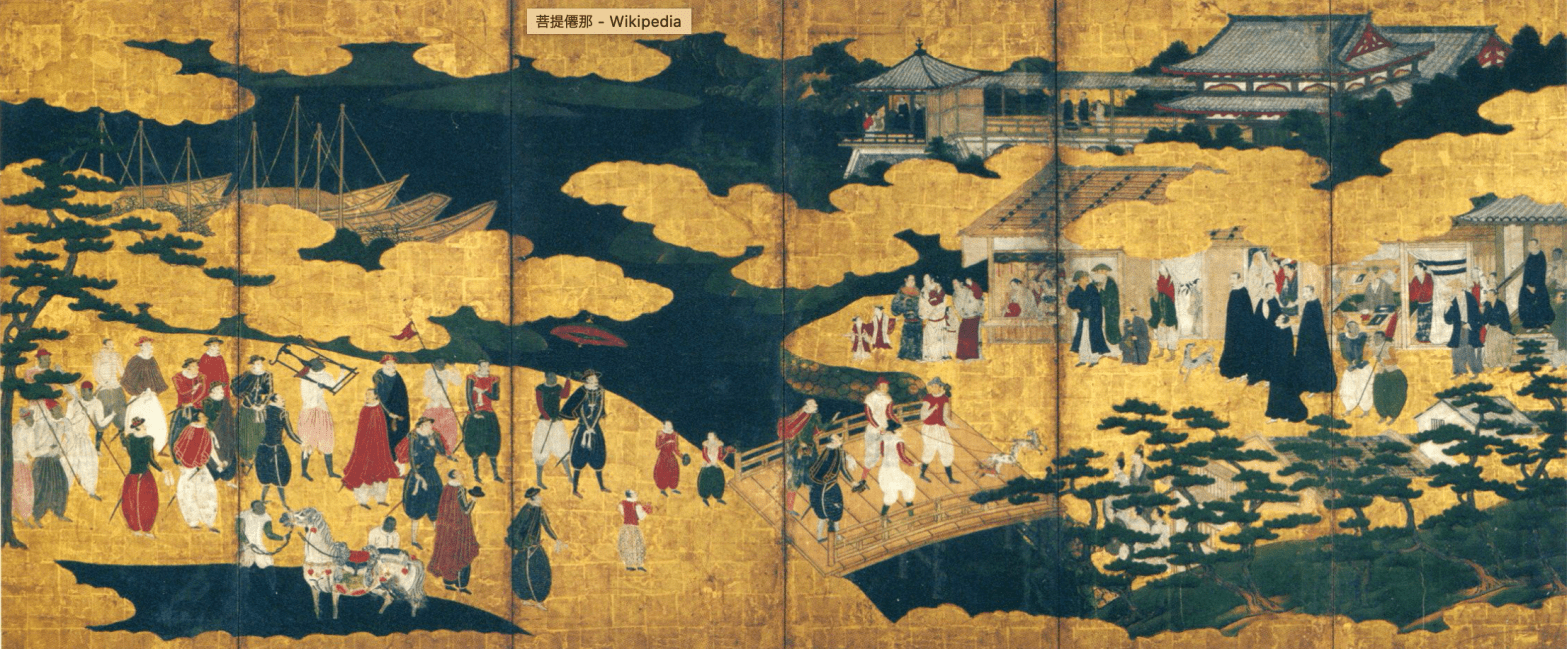
このような言葉が繰り返されています。そして、菩提僊那が752年4月9日に東大寺で大仏開眼に係わったことなどが取り上げられます。

ऐसे वक्तव्य अनगिनत बार दोहराये गये हैं। कुछ लोग यह भी कह जाते हैं कि बोधिसेन नामक एक भारतीय भिक्षु ने तोदाई-जी देवालय में वैरोचन की बोधाभिषेक क्रिया का अनुष्ठान ९ अप्रैल ७५२ ईसवी को किया था।

This kind of statement has been repeated numerous times. Some then go on to mention that an Indian monk by the name Bodhisena conducted the eye-opening ceremony of Vairocana at Todai-ji temple on April 9, 752.

確かに菩提僊那が日本でサンスクリット語を教えたことも、空海や多くの仏僧が梵字を学んだことも事実でしょう。そして、中国や朝鮮の高僧が日本でインドの宗教を教えたこともあったでしょう。しかし、もっと大切なことがあるのに、あまり人は言いたがらないのです。

यह निश्चित हि सच है कि बोधिसेन ने संस्कृत पढ़ाई थी, और कुकाई संस्कृत  के एक पण्डित थे। यह भी यथार्थ है कि उषाद्वीप पर प्रायः चीन और कोर्या से प्रकृष्ट नैतिक स्वभाव के भिक्षु थे जो वहाँ पर भारतीय धर्म-दर्शन सिखाते थे। परन्तु, और भी कई समानताएं हैं जिसके बारे में लोग बात करने से टलते हैं।

It indeed is true that Bodhisena taught Sanskrit and that Kukai was a Sanskrit scholar. It is also true that there may have been Chinese or Korean Buddhist monks of high virtue who taught Indian religions in Japan. However, there are even more important similarities that people avoid talking about.

日本とインドの繋がりは仏教ばかりではありません。16世紀にポルトガルが日本に進出してから、鎖国が始まるまで何百万人もの日本人たちが誘拐され、ポルトガル船で海外に連れ出されました。そして奴隷として世界中に売られていきました。その時殆どの日本人奴隷たちはインドのゴアで売りさばかれたのです。

जापान और भारत के ऐतिहासिक संबन्ध बौद्ध मत पर नहीं रुकते। १६-वाँ शताब्दी ईसवी में पुर्तगाल ने उषाद्वीप पर आक्रमण किया, साधारण उषापुत्रों का अपहरण किया, और दूर परदेश ले जाकर उनको दासता में नीलाम कर दिया। यह तब तक चलता रहा जब तक शोगुन  ने उषाद्वीप पर विदेशियों के आगमन पर नियन्त्रण नहीं डाला। इसी को साकोकु  कहा जाता है। पुर्तगाली दास-व्यापारी अधिकांश उषापुत्र बन्दीयों को भारत में गोवा ले जाते थे, जहाँ उनको दास-हाटों में बेच देते थे।

The historical connections between Japan and India do not end with Buddhism. In the 16th century, Portuguese invaded Japan, abducted Japanese citizens, and shipped them to foreign lands to sell them as slaves. This continued until the shogun regulated foreigners’ entrance into Japan. This was what is referred to as sakoku. Portuguese slave traders took most of the Japanese to Goa in India, where they were sold off in the slave market.

ポルトガルがインドに植民地を作った頃、ほぼ同じ時期に日本を侵略しました。それは、オランダもフランスもイギリスもアメリカも全て同じです。植民地政策をとった欧米列強はインドと日本はもちろん、東アジア一体を同時期に植民地化を謀ったのです。

जब पुर्तगाली भारत पर आक्रमण कर रहे थे, लगभग उसी काल में उन्होंने जापान पर भी आक्रमण किया। डच, फ़्रांस, आंग्लदेश और अमेरिका के प्रकरण में भी यही समानता मिलती है। यूरोपी-अमेरिकीय आक्रमणकारियों ने भारत और उषाद्वीप में लगभग एक-साथ बलात् प्रवेश किया, और उन्होंने समूचे पूर्वी एशिया पर आक्रमण और उपनिवेश करने का प्रयास किया।

At almost the same time as Portugal was invading India, they also invaded Japan. It is the same in the case of the Dutch, France, England and America. These Euro-American invaders forced their way into India and Japan simultaneously, and they invaded and tried to colonize all of East Asia.

日本とインドの繋がりは仏教とか文化ばかりではありません。ヨーロッパの植民地支配者による地獄の苦しみも共にしたのです。

उषाद्वीप और भारत का संबन्ध मात्र बौद्ध सम्प्रदाय और विविध संस्कृतिक अंशों पर आकर नहीं रुकता। यह दोनो नर्क से होकर साथ-साथ तप चुके हैं।

The connections between Japan and India do not end at Buddhism and various cultural aspects. Together, they suffered through hell.

大東亜戦争で日本が負けたせいで、現在は世界中がアメリカとイギリスに征服されてしまいました。それから欧米のプロパガンダが蔓延っていて、日本とインドを引き離しているのですが、太古の昔から日本とインドはしっかりと繋がっているのです。

जापान के बृहत्तर पूर्वी एशियाई युद्ध हारने के परिणाम में, अब सारे जग पर ब्रिटन और अमेरिका का वर्चस्व है। तब से ब्रिटन और अमेरिका का निरन्तर जतन रहा है कि जापान और भारत को अलग किया और रखा जाये। परन्तु अटल यथार्थ यह है कि इन दोनो के गहन संबन्ध हैं।

Now, the entire world is dominated by Britain and America, as a result of Japan losing the Greater East Asia War. Ever since then, British/American propaganda has been hard at work to separate Japan from India. However, the reality remains that they are in fact closely connected.

ヒンドゥー教の高僧ヴィヴェーカーナンダが、日本の仏教とヒンドゥー教が似ていることを述べていますが、真言宗は特にインドの宗教そのものです。そして、日本古来の仏教は中国や朝鮮の仏教とは大変異なります。

जैसे कि सुसम्मानित हिन्दु संन्यासी, विवेकानन्द, ने कहा है, उषाद्वीपी बौद्ध सम्प्रदाय का हिन्दु सम्प्रदाय से सबसे गहरा ताल-मेल है, और जापानी बौद्ध सम्प्रदायों का शिंगोन पन्थ वस्तुतः एक भारतीय आध्यात्मिक पन्थ है। सर्वोपरि यह बात अवधेय है कि बौद्ध मत की सबसे प्राचीन परम्परा, जो कि अब भी उषाद्वीप में शेष है, चीन और कोर्या के बौद्ध परम्पराओं से नितान्त अलग-सा है।

As the well-respected Hindu monk, Vivekananda, said, the Japanese form of Buddhism most closely resembles Hinduism, and the Shingon sect of Japanese Buddhism is in reality, an Indian religion. Above all, the oldest school of Buddhism, which is still remaining in Japan, is quite different from Chinese and Korean Buddhism.

それに、言葉を比較してみても、日本とインドとは直接につながっているとしか思えません。研究を重ねれば重ねるほど、次々と証明出来ることなんですよ。

उस से भी आगे, यदि हमारे भाषाओं की तुलना करें, तो आप इसी निष्कर्ष पर पहुचेंगे कि उषाद्वीप का भारतीय सभ्यता से सीधा संबन्ध है। जितनी अधिक निकटता से आप परखेंगे, उतना ही अधिक आप भारत और जापान के सम्बन्ध के गहरे जड़ को समझ पायेंगे।

Above all, if you compare our languages, you will reach the conclusion that Japan is directly connected to Indian culture. The closer you investigate, the more you will understand the deep-rooted connection between India and Japan.

Design a site like this with WordPress.com
Get started