Q: Online and also in a few academic articles, I saw references to how Rash Behari Bose’s legacy/namesake is remembered through an “authentic Indian curry recipe” at Nakamuraya. What is this all about and how did this come to be?
A: This propaganda was created/spread starting in or around 2001. Nobody called Rash Behari Bose, “ Bose of Nakamuraya” until then. For more detail, please read the following post.
 | テロリスト (दस्यु – Terrorist) Nakajima Takeshi coined the term “Bose of Nakamuraya” and called Rash Behari Bose a terrorist in his book |
Q: You refer to the ways in which his life has been misinterpreted / misunderstood in your book.
A: One could say that Rash Behari Bose’s life has been misiniterpreted or misunderstood. But, in many cases, his life has been twisted deliberately in order for others to fit into their personal agenda.
Q: You state in your blog post that it was Kokko who made the curry in 1927? How do we know this? What is your sourcing? Did Bose write about that in his memoirs?
A: The source for this is Kokko’s own publications which are all written in Japanese. Rash Behari Bose never wrote anything about him introducing Indian curry to Japan in his books.
Q: You write that Rash Behari Bose’s thoughts/works are not that widely known as he used a complex form of Japanese.
- Would you say RBB is widely unknown in both India and Japan?
- What exactly is this complex form of Japanese that he wrote in?
A: The reason why Rash Behari Bose is not widely known is not because of the fact that he wrote in pre-1945 Japanese, but because he was intentionally erased from Japanese public by the GHQ. Please read near the end of the following post.
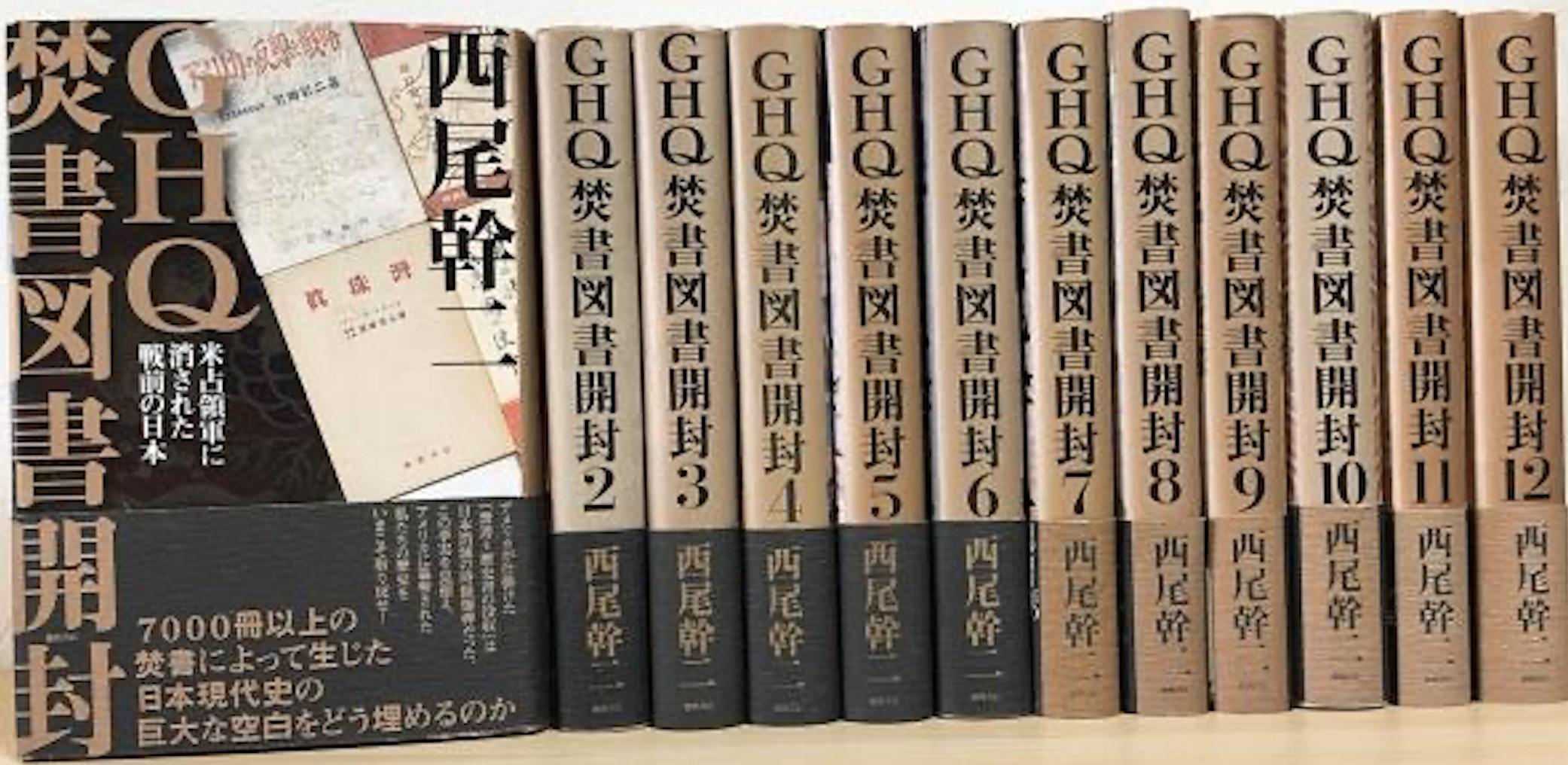 | 焚書 (Funsho: The Banishing of Printed Materials from Public Access) Britain and America took hundreds of thousands of Japanese publications from Japan, and tarnished the image of those books. Japanese, considering reading those books dangerous, they went on abandoning them. That was funsho, effectively removing the truths from people of Japan. America still have those, and use them to bash Japan. Japanese cannot defend themselves, because they are robbed of finding the truths. |
- He is not understood both in India and Japan for the same reasons, that is Britain and the US want public to forget the truth about Rash Behari Bose and the truth of the Greater East Asia War.
- The complex form of Japanese is, in fact, the real Japanese before it was tampered with by the GHQ. That was the only style of Japanese that was commonly used. To get some feel of it, please read the following post.
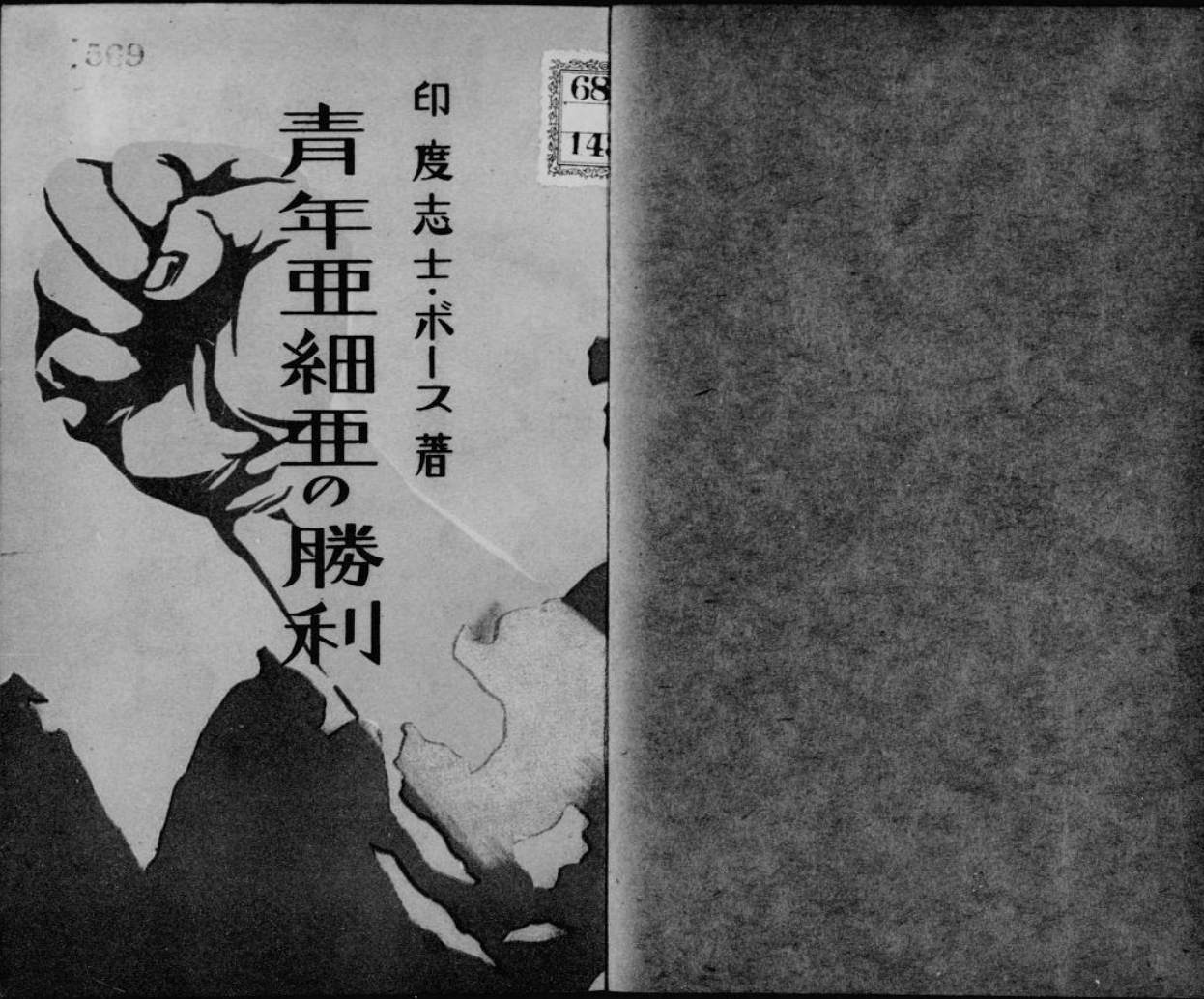 | ひと昔前の日本語 (The Japanese Language Used by Rash Behari Bose)The GHQ tampered Japanese language so that the truth shall be hidden from the new generation. |
Q: I’ve seen Bose described as many things — terrorist, freedom fighter, Japanese puppet, Japanese ultra-nationalist. Who was Bose in a nutshell and what did he want for India, Asia and the world-at-large and why?
A: Rash Behari Bose was a true Bharata who was highly spiritual, highly intelligent and desired to free people from atrocities, sacrificing his own life.
Rash Behari Bose wanted complete independence of India from the West. The reason is because this was the only way to achieve the world peace. Please read the post (draft).
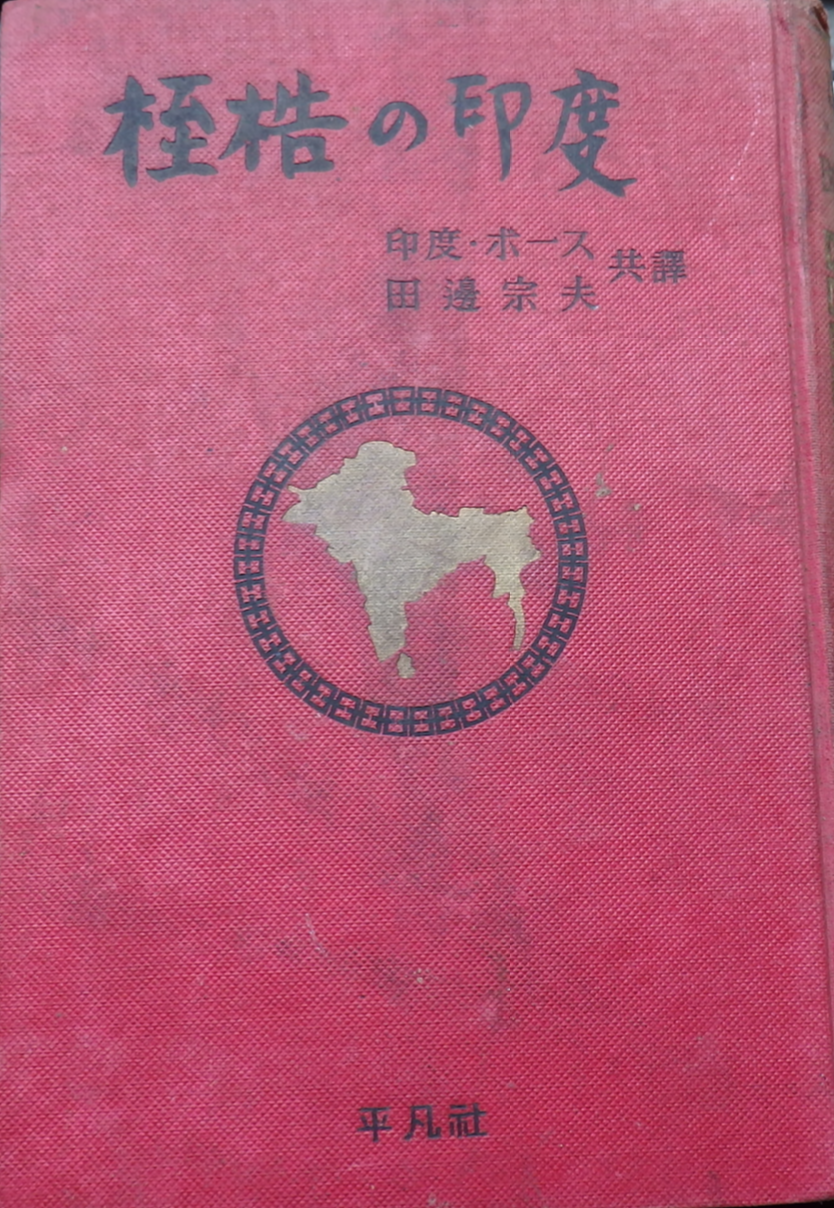
 | 桎梏のインド () “India in Bondage – Her Right to Freedom and a place among the great nations” bu Jabez. T. Sunderland was translated by Rash Behari Bose and Tanabe Muneo. This translation is the landmark of Rash Behari Bose’s Indian independence actions in Japan. |
Q: What did Bose achieve and what sets him apart from other Indian freedom fighters?
A: What Rash Behari Bose achieved is quite small, because his efforts ended up in failure. India did not become free from British Empire, and after 1945, the world went on, and still going on, further carnages and destruction of human civilization.
Q: Given you have an extensive understanding of Bose’s memoirs (written in Japanese) could you please give me an idea of what Bose was like as a person — through a few specific examples.
A: Rash Behari Bose’s writings are mostly NOT memoirs. Rash Behari Bose, from what I read in the writings of those people who knew him closely, was that he was very kind, humorous, disciplined, warm, calm, intelligent, thoughtful, etc. all the good qualities you can expect in any humans.
Q: What was his relationship like with the Somas? Does he describe it? Did he call them mom and dad? Who were they and did they influence Bose?
A: He lived at Soma’s for four months, during which time he had a very small contact with them. Three years later, he had an arranged marriage with their first daughter Toshiko, but again, he had very little contact with them. Five years after that, he was naturalized, and two years after that his wife died. During which time Bose and his wife moved around a lot. Yes, Rash Behari Bose addressed them Mother and Father, but so did some (many?) others who Soma’s took care of. The person who was the most influential, protected and acted as father to Rash Behari Bose was Toyama Mitsuru.
Q: Why is Subhas Bose remembered more over Rash Behari Bose? And, how is he remembered in India?
A: Subhas Chandra Bose was the elitist of elite in the politics of India. He represented everything impressive about British Empire and Germany (i.e. Anglo-Saxon White-supremacists). If people get confused Subhas and Rash Behari Bose, any positive achievement that Rash Behari Bose had made was successfully been White painted over.
Please read the following post.
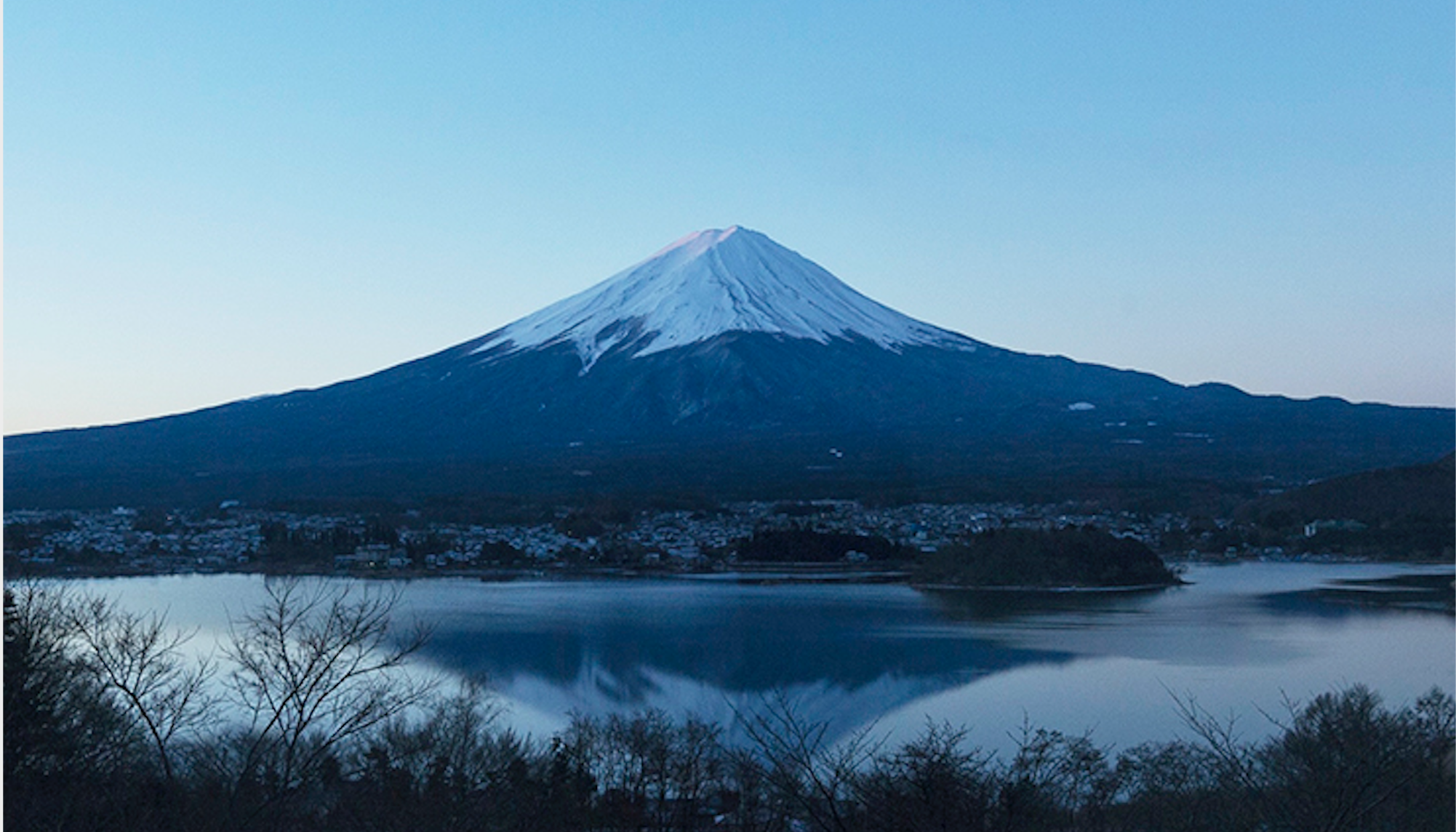 | 日本のボース (जापान वाले बोस – Bose of Japan) With a scornful insult, Indians of East Asia referred Rash Behari Bose as “Bose of Japan.” They resisted, schemed, and betrayed Bose’s Indian independence effort. They had a pride in staying on the side of the West. If not England, then it was Germany that they wanted to side wit |
Rash Behari Bose lived in Japan for 30 years very closely interacting with Japanese. On the other hand, Subhas Chandra Bose visited Japan briefly several times while he resided in South East Asia, but never lived in Japan. Rash Behari Bose was frequently in Japanese newspapers with his photos. There should be no reasons why Japanese confuse him with Subhas, unless propaganda was actively spread. Rash Behari Bose was well remembered by my parents‘ and great parents’ generation, (my school teachers and neighbors, every adult knew Rash Behri Bose, reading about him in news paper everyday. ) It means that my generation should know Rash Behari Bose well if the GHQ did not erase him.
People in India do not know much about Rash Behari Bose at all, because India is still a part of British Empire and they are comfortable in praising Nehru, Tagore, and Gandhi, etc., who are British loyalists.
Q: What struck you most about:
- His life?
- His writings?
A: His life, achievement and personality can only be understood if you read all his writings in Japanese. They are not separable. His life was remarkably pure and dynamic. His writings demonstrated that he was a highly intelligent person with high moral standard. His books broadened my views tremendously.
Q: I spotted in the book you co-authored with your daughter that Bose relations with Japan defined/set the foundation for the Japan-India relations of today? Could you please explain how so?
A: The word India in this context is not the present India as a political entity. Please read the following two posts to see what constitutes “India.”
 | ラス・ビハリ・ボースのインド (रास बिहारी बोस का भारत – The India of Rash Behari Bose) India was fragmented into pieces after 1945. The free India that Rash Behari Bose sacrificed his life for did not come true. |
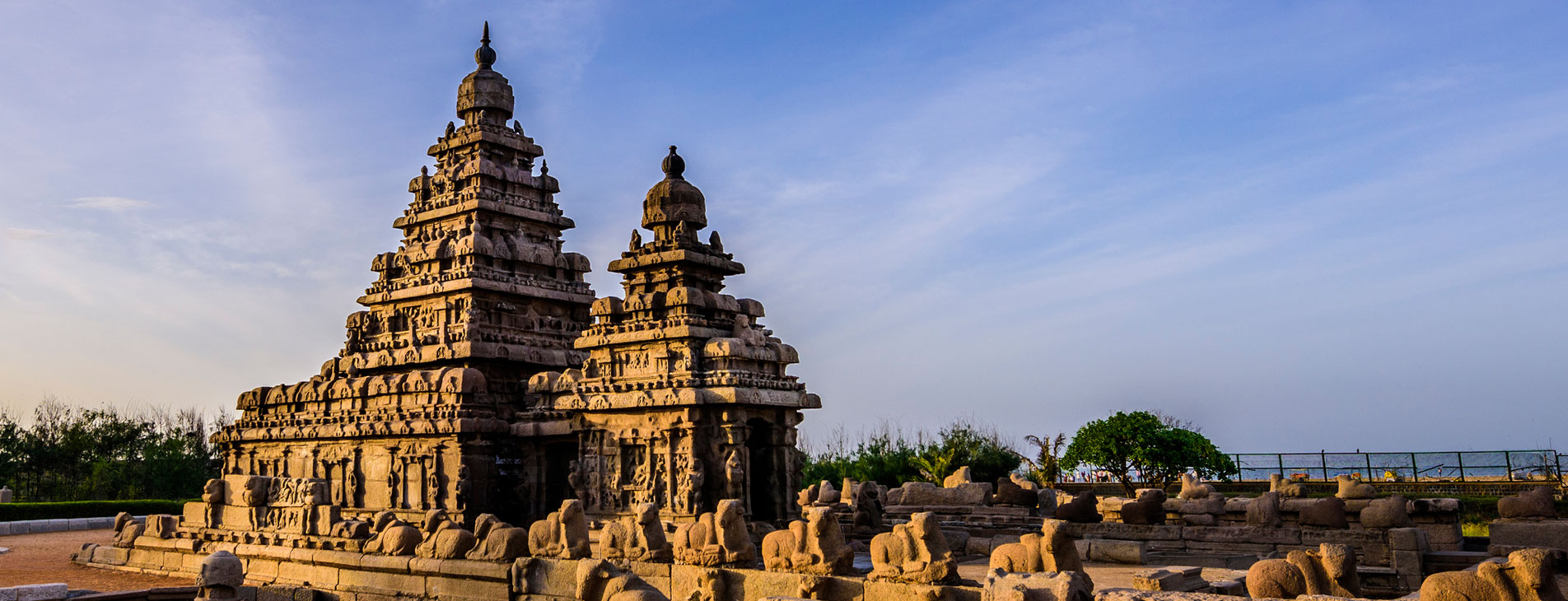 | サンスクリット文化圏 (The Sanskrit Cultural Sphere) The cultural sphere where Sanskrit is the foundation of their cultures and religions extends the broadest part of human civilization. By coming to this realization and tapping into this treasure, we can achieve peace and happiness. |
What people commonly call the Pacific War is correctly the Greater East Asia War (1941-1952), and this is the war that Japan fought. At the beginning of this war, Japan declared complete and full support for Indian Independence. The main person that Japan selected for this plan was Rash Behari Bose. So, without him, the war would have gone in a quite different direction. After the war, at the Tokyo trial, Justice Radhabinod Pal gave Japan not-guilty verdict. Amongst the Allied Powers, Indian judge was the only one who was righteous and carried out justice. The person who assisted both Rash Behari Bose and Radhabinod Pal was A.M. Nair. As the legacy of Radhabinod Pal will last forever in Japan, so will that of Rash Behari Bose. Through him, India and Japan became connected at a higher spiritual level sharing similar moral standard and sense of justice.
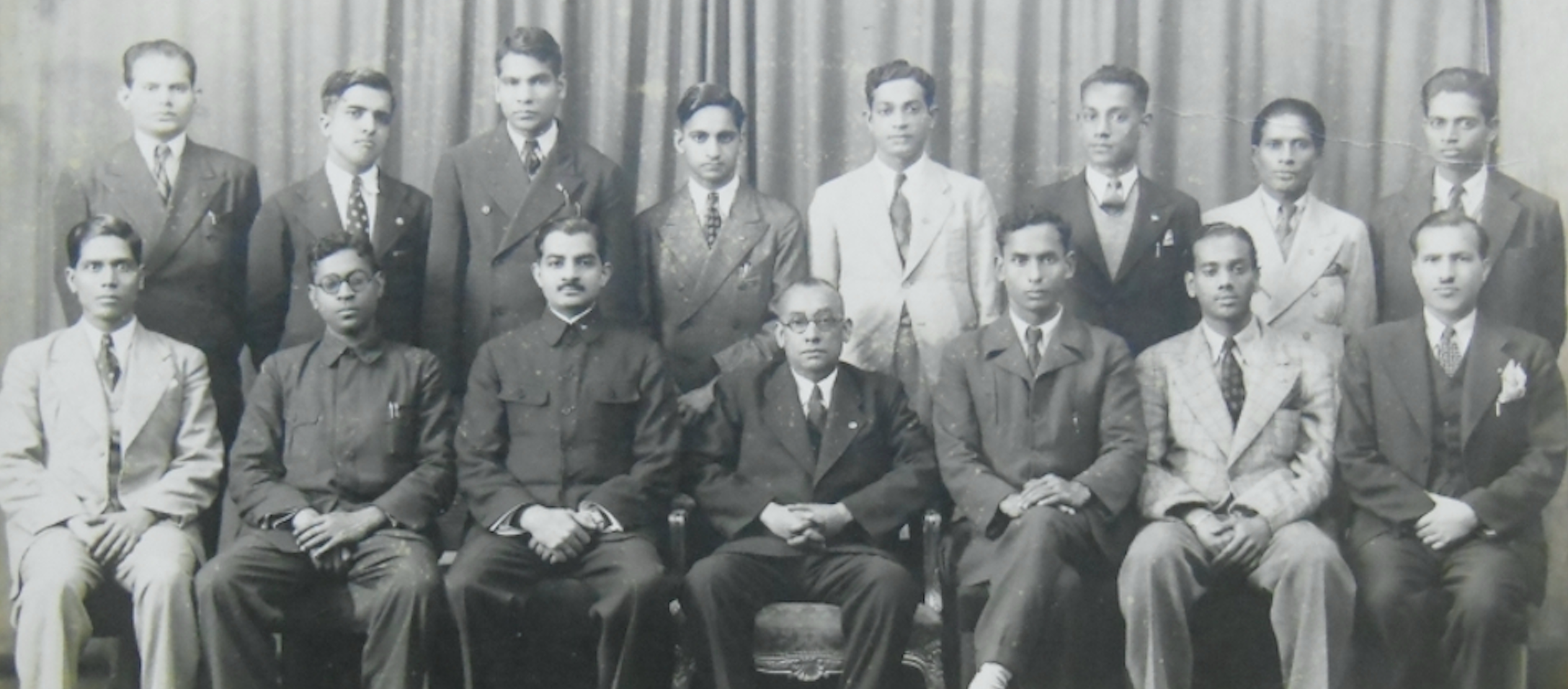 | インド独立連盟発足 (१५ फ़रवरी को भारत स्वतंत्रता संघ का गठन हुआ – The Indian Independence League was Formed on Feb 15) Indian Independence League was formed on Feb. 15, under the power and protection of Japanese military and government. |
Please read A.M. Nair’s Book. An Indian freedom fighter in Japan: Memoirs of A.M. Nair
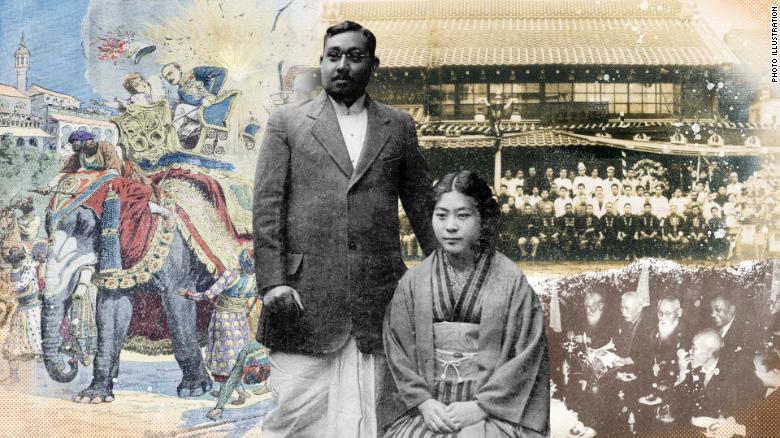 | The Indian revolutionary who fought to overthrow British rule while living in Japan By Emiko Jozuka, CNN Updated 8:45 PM ET, Sat May 9, 2020 |
 Rash Behari Bose