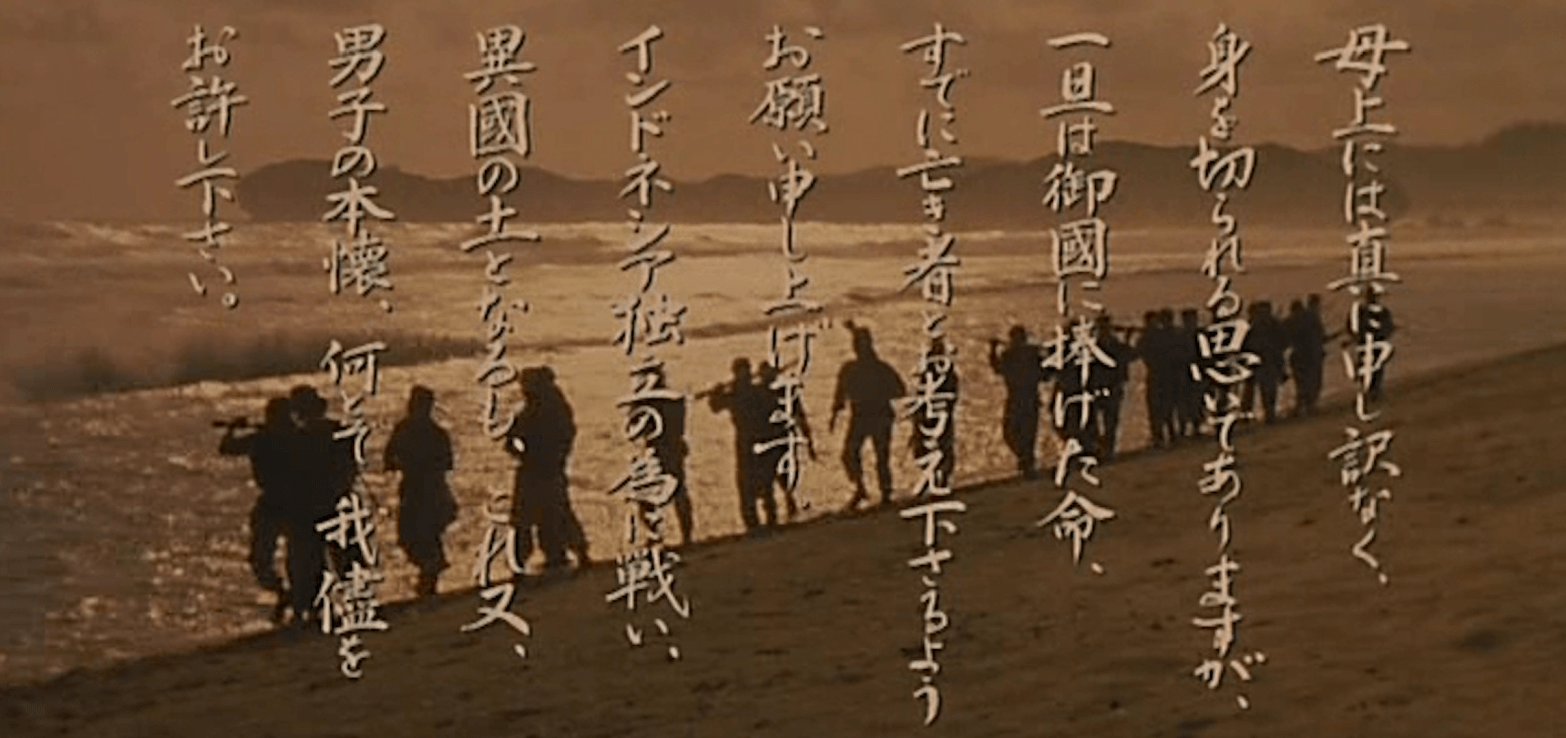
大東亜戦争では、インドや東アジアの愛国者たちは日本と力を合わせて、欧米の植民地政策に対して戦いました。戦争といえば、兵隊と兵隊が戦うもので、非戦闘員である民間人、ましてや女子供や老人などは虐殺しないのがこの大東亜戦争の前の戦争までの常識でした。
वृहत्तर पूर्वी एशियाई युद्ध में भारत और पूर्वी एशिया के राष्ट्रवादियों ने जापान के साथ यूरोपीय और अमेरिकी उपनिवेशवाद से लड़ाई की। इस युद्ध से पहले एक नैतिक मानक हुआ करता था कि युद्ध केवल सैनिकों के बीच लड़े जाते हैं। आम नागरिक, विशेषकर स्त्री, बाल और बूढ़े इस नृशंसता के पात्र सर्वथा नहीं बनाए जाते थे।
During the Greater East Asia War, the patriotic people of India and East Asia, together with Japan, fought against European and American colonialism. Until this war occurred, there had been a moral standard that wars were only to be fought between soldiers. No civilians, and most certainly not women, children and the elderly, would ever have been the targets of atrocity.
しかし、大東亜戦争では、連合軍はこの決まりを破りました。無差別大虐殺を働き、相手国の国土を焦土化し、滅多矢鱈な環境破壊をした者たちが勝者となることになりました。
परन्तु बृहत्त पूर्वी एशियाई युद्ध में ब्रिटन और अमेरिका ने यह मानवीय नीति को तोड़ दिया। उन्होंने एक नई नीति गढ़ी, कि सभ्यता और प्रकृति का सबसे बड़ा विनाशक और हत्यारा युद्ध का विजेता होगा।
However, Britain and America broke this human rule during the Greater East Asia War. They made a new rule that the winner of a war would be the biggest murderer and destroyer of civilization and nature.
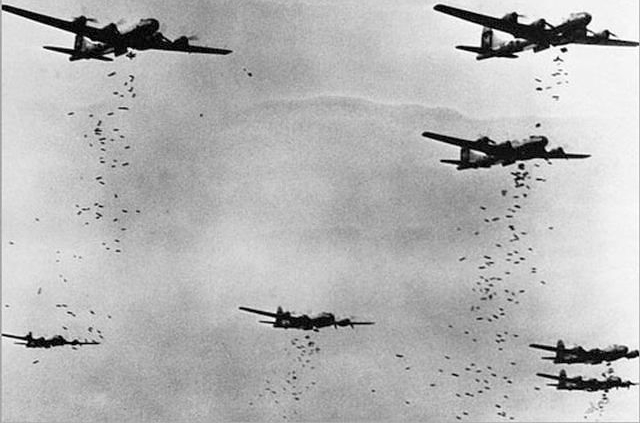
残酷なら出来るだけ残酷な方がいい、嘘は大きければ大きいほどいい、ちょっと潰すより壊滅させたほうがいいというのが大東亜戦争以降の常識です。
बृहत्तर पूर्वी एशियाई युद्ध के पश्चात् नई सम्मति कुछ ऐसी है कि प्रहार जितना क्रूर उतना ही अच्छा, झूठ जितनी बड़ी उतना ही प्रभावी, और विनाश को आंशिक नहीं पूर्ण होना चाहिये।
Since the Greater East Asia War, the consensus is the crueler the better, the bigger the lie the better, and destruction should not be partial, but absolute and complete.
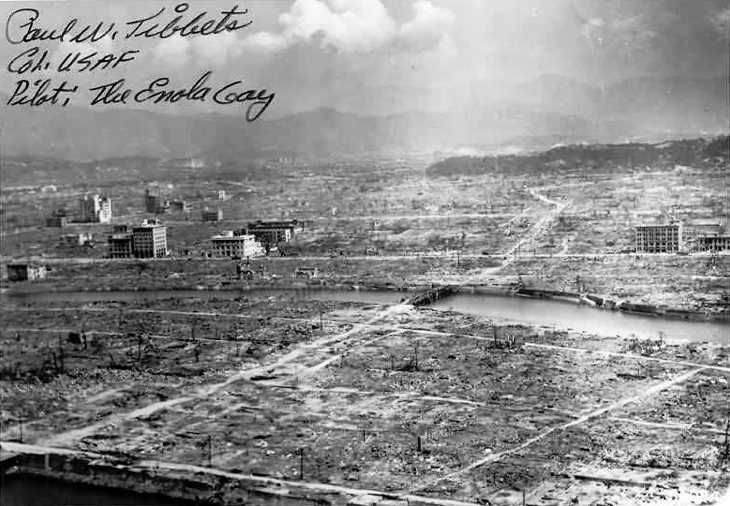
さて、大東亜戦争に係わった兵隊たちの質の違いについて考えてみたいと思います。
आइये देखते हैं कि बृहत्तर पूर्वी एशियाई युद्ध में किस प्रकार के सैनिक नियुक्त थे।
Let us consider the kind of soldiers who were engaged in the Greater East Asia War.
日本では誰でも兵隊になれるというものではありませんでした。検査をして試験をして兵隊を選りすぐりました。その上、教育・訓練期間がありました。それが済むまでは戦争に送られませんでした。つまり、日本の兵隊は健康で、明晰で、教育があり、技術があり、道徳観念も高かったのです。犯罪者などが兵隊になることなどありませんでした。日本と自分の家族をを外敵から守るということが絶対的使命でしたから、犯罪者の手に国防を委ねるなどもっての外なのです。
उषाद्वीप में हर कोई सैनिक नहीं बन सकता था। उनकी कड़ी चिकित्सा जाँच, परीक्षण और पृष्ठभूमि की पड़ताल होती थी। सेना में भर्ती के बाद, विस्तृत शिक्षण प्रशिक्षण ले चुकने पर अन्ततः उनको रणभूमि में भेजे जाने की अनुमति मिलती थी। सो उषापुत्र सैनिक साधारण रूप से स्वस्थ, तेजस्वी, शिक्षित, सुजान और उँचे नैतिक मूल्यों वाले थे। अपराधी कभी सैनिक नहीं बन सकते थे। जापानी भटों का धर्म उषाद्वीप और उषापुत्रों को आक्रमणकारियों से बचाना था। सो अपने ही समाज से अपराध करने वालों को देश और जनता की रक्षा का दायित्व सौंपने का प्रश्न उठता ही नहीं था।
In Japan, not just anyone could become a soldier. They had to go through strict check-ups, examinations and a background check. After being accepted into the military, they had to go through extensive education and training. It was only after then, that they were allowed to be sent to the war. So, Japanese soldiers were typically healthy, bright, educated, skillful, and possessed high moral standards. Criminals could never become soldiers. The mission of Japanese soldiers was to protect Japan and the Japanese people from invaders. So, it was out of the question for the military to entrust criminals with the protection of the nation and the public.
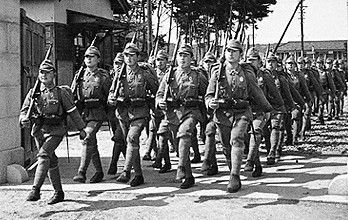
欧米では犯罪者、特に殺人鬼などの特別軍団を作り、それを第一線に送るのが常道でした。彼らの考えは今でもそうです。ですから、欧米の兵隊は平気で虐殺・強盗・放火・強姦を働くのです。それは今でもそうですし、将来もそうでしょう。今でもコンピューターゲーム等に殺人や戦争が多く、子供に殺人ゲームを通して破壊的な性格を育てています。欧米は他国の侵略の為にだけ戦争をしますから、他国民に対して残虐ならそれは英雄的行為だと見るのです。
पश्चिमी देशों में घोर अपराधियों और हत्यारों का एक विशेष निकाय गठित करना सामान्य बात थी, और नासीर को रूप में रण में अग्रसर भेजे जाते थे। यह आज भी प्रचलित है। यही कारण है कि पाश्चात्य सैनिक मनोरोगी उन्मत्तों की तरह नरसंहार, लूट-खसोट, दाहकार, बलात्कार, आदि में निरत पाए जाते हैं। उस समय भी ऐसा था, आज भी है और कल भी चलता रहेगा। आजकल तो सांगणिक क्रीडाएँ भी हत्या और युद्ध से विद्रूपित हैं, जिससे लड़कों को लहु-लिहान क्रीडा की रुचि चखाई जाती है, और विनाशकारी मनुष्य बनाये जा रहे हैं। पश्चिम में युद्ध का उद्देश्य दूसरे देशों पर आक्रमण और ध्वंस करना होता है। इसीलिये परदेसियों पर अत्याचार और नृशंसता उनके यहाँ वीरता मानी जाती है।
In Western nations, it was standard to make a special corps consisting only of serious criminals and murderers, and to send them to the war front. This is still the case even to this day. This is the reason why Western soldiers psychopathically engage themselves in mass-murdering, robbery, arson, raping, etc. It was like that then, it is so even now, and it will continue to be so. These days, even computer games are full of murdering and waring, teaching children to enjoy murder games and creating destructive humans. In the West, they engage in war in order to invade and destroy other nations. That is why they view committing cruelties and atrocities on people in foreign lands to be a heroic deed.
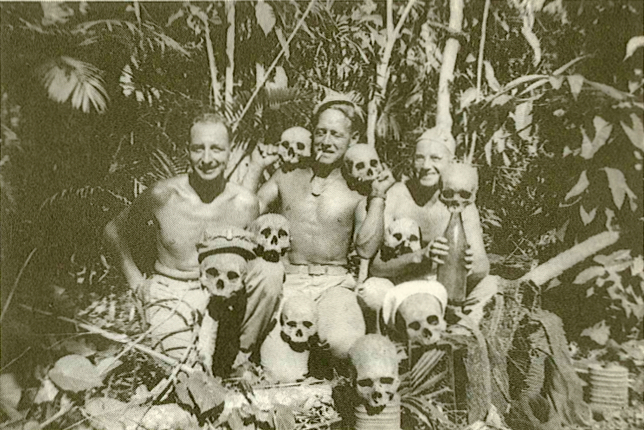
インドや東アジアでは白人に雇われて戦った傭兵が多かったです。自分の国は欧米植民地政策で乗っ取られているから、自分を守るなどという選択肢はなかったのです。日本のように自分の国や親兄弟を守るのではなく、欧米に雇われて、他国・他人種(白人)の為に戦いました。
भारत और पूर्वी एशिया में कई लोग गोरों की सेवा में वेतनभोगी सैनिक बने। अपने ही देश की रक्षा करना उनके लिये विकल्प नहीं रहा क्योंकि उनकी मातृभूमि गोरों के हाथों में सामन्त-उपनिवेश बन चुकी थी। वे उषापुत्रों की तरह नहीं थे, जो कि अपने परिवारों, मित्रों और राष्ट्र की रक्षा के लिये लड़ने निकलते थे, वरन् ये लोग जीविका के लिये सैनिक बनते थे, दूसरे देशों और कुल-जाति (श्वेत) के लाभ के लिये किराये के भट।
In India and East Asia, many fought as mercenaries for Whites. They did not have the option of defending their own nations because their motherland was a colony in the hands of White invaders. Unlike Japanese who went to war to protect their own families, friends and nation, they fought for money, hired to fight for the interests of other nations and another race (Whites).
それを日本は理解していて、イギリス軍のインド兵が捕虜になれば、敵兵と見做さず、武器弾薬や食料を与え、軍事教育をしてインドに忠誠を誓わせ、イギリスからのインド独立に専念するようにしむけました。
जापान यह अच्छी तरह समझता था। इसीलिये जब कभी भारतीय सैनिक युद्ध-बन्दी बनते थे, जापानी उनसे शत्रु-सैनिक जैसा बरताव नहीं करते थे। उन्हें सशस्त्र और सुप्रशिक्षित करके उन्हें माँ भारती की शपथ दिलाई जाती थी (जापान की नहीं)। जापान ने ब्रिटन से लड़ने में मार्गदर्शक का दायित्व निभाया जिससे स्वतंत्र भारत की स्थापना हो सके।
Japan knew this very well. So, when Indian soldiers became prisoners of war, Japanese never regarded Indians as their enemies. They armed them, gave them food and military training, and made them vow allegiance to their mother India (not Japan). Japan guided them to fight against the Britain and establish a free India.
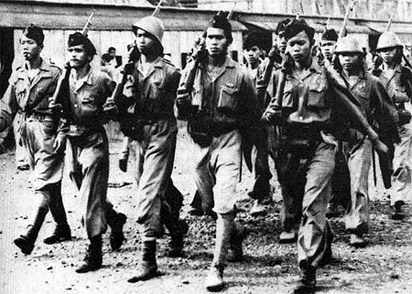
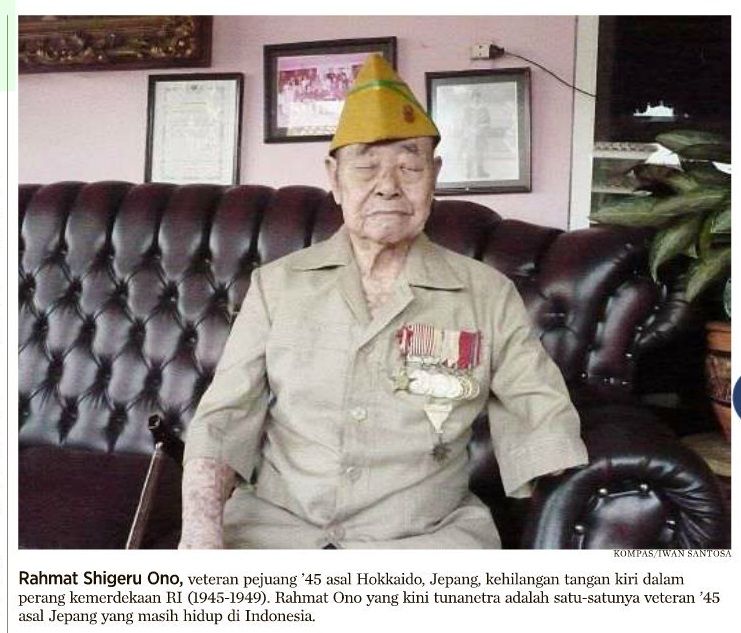
このような日本の努力はインドネシアでは成功しました。日本軍に軍事教育を受けたインドネシア人達は自分の手でオランダ人を追い出すことに成功しました。1949年12月に独立するまで日本軍の兵隊たちはインドネシアに残って一緒に独立戦争を戦いました。
इस प्रकार का जापानी प्रयास इंदुनीशिया में सफल रहा। जापानियों द्वारा प्रशिक्षित और समर्थित, इंदुनीशियाई लड़ाकू डच उपनिवेशवादियों को स्वयं खदेड़ने में योग्य निकले। जापानी सैनिकों ने इंदुनीशिया में ठहरकर दिसंबर १९४९ में इंदुनीशिया की मुक्ति तक उनके सहयोगी दल बने रहे।
This kind of Japanese effort was successful in Indonesia. Being trained and supported by Japanese, Indonesians managed to expel the Dutch by themselves. Japanese soldiers remained in Indonesia and fought with Indonesians until independence was secured in December 1949.
インドの場合はインドネシアとは違いました。インド人には、根本的にイギリス人達が多かったのです。そんな人達は日本人を騙して、利用し、機を見てイギリスに寝返ることに専念しました。
किन्तु भारत कुछ अलग ही निकला। वहाँ कुछ अधिक ही मात्रा में भारतीय लोग दिल से ब्रिटिश थे। ऐसे लोगों ने जापान को धोखा दिया, अपने निजी और ब्रिटिश लाभ के लिये जापान का दुरुपयोग करके सैंकड़ों जापानी सैनिकों को मृत्यु की आग में झोंक दिया, और ठीक अवसर पाते ही जापान से घात करके ब्रिटिश पक्ष की ओर भाग निकले।
India was different, however. There were too many Indians who were British at heart. Those people deceived Japanese, used Japanese for their personal and British gain, drove massive Japanese soldiers to their death, and chose the best time to betray Japan and run off to the side of the British.
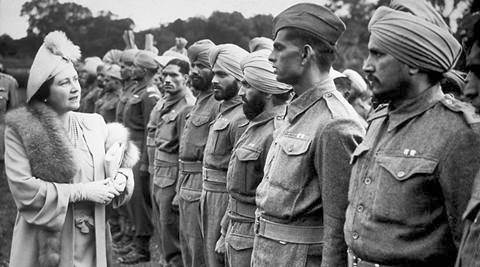
日本軍はインド兵の捕虜に武器弾薬を与え、軍事教育を与えてインド独立軍を作りました。目標はインド人の戦闘力を強くすることにあり、彼らを戦闘に使うこと自体は計画に入っていませんでした。
जापानी सेना ने भारतीय युद्ध-बंदियों को शस्त्र, गोला-बारूद और प्रशिक्षण दिलाया, और आज़ाद हिन्द फ़ौज के निर्माण में सहयोग किया। किन्तु जापान ने कभी उनको जापान की सेवा में उपयोग करने की योजना नहीँ बनाई। वे केवल उनको स्वदेशहित में लड़ने के योग्य बनाना चाहते थे।
Japanese military gave Indian prisoners of war weapons, ammunition, and military training, and helped build the Indian National Army. However, Japan never had a plan of using them as fighting force for Japan. They only wanted them to be capable of fighting for India.
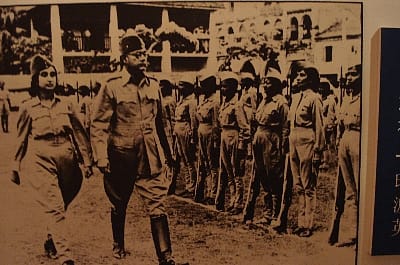
スバス・チャンドラ・ボースがインド国民軍を引き受けた時、彼は訓練をしようもないような民間人を性別も関係なく取り込み、兵隊の数を大きく増やしました。正確な数は秘密にして、数を大きく見せられるだけ見せて、食料、宿舎、経費などを日本軍に要求しました。日本はABCD包囲網のおかげで十分な武器も燃料も食料もなかったころのことです。
जब सुभाष चन्द्र बोस ने आज़ाद हिन्द फ़ौज की लगाम अपने हाथ में ली, तब उन्होंने सैनिकों की संख्या में भारी वृद्धि करने होतु बिना किसी लिङ्ग, वय या शारीरिक योग्यता का भेद किए किसी भी आवेदक को जोड़ने की अनुमति दी। उन्होंने सैनिकों की सटीक संख्या को गुप्त रखा, और जापानी सहायकों से जितना हो सके उतना संभार, आवास और धन की उगाही के आशय से यथासंभव उस संख्या को बढ़ा-चढ़ाकर बताते रखा। ऐसा वे तब भी करते रहे जब जापानियों के पास स्वयं अपने लिये पर्याप्त शस्त्र, इन्धन और संभार नहीं था, क्योंकि उनके व्यापार-मार्गों को अमेरिकी, ब्रिटिश, चीनी और डच दलों ने काट दिया था।
When Subhash Chandra Bose took over the Indian National Army, he drastically increased the number of soldiers by letting anybody join the army, irrespective of gender, age and physical ability. He kept the exact number of soldiers secret and padded up the number as much as he could, with the intention of usurping as much food, lodging, money, etc. as possible from Japan. This he did when the Japanese did not even have enough weapons, fuel, and food for themselves, as their trade routes had been severed by Americans, British, Chinese and Dutch.
スバス・チャンドラ・ボースは独身のふりをしていた上、魅力的だったので、若い女性が沢山志願しました。インド国民軍の兵士は大半が軍事訓練無しでした。戦闘員としては全然能力もなかったし期待されてもいませんでした。ただのフィラーだったのです。
सुभाष चन्द्र बोस मनमोहक थे, और अपने विवाह की बात छुपाकर कई युवतीयों को भर्ति होने को आकर्षित किया। उनके नेतृत्व में अधिकांश आ.हि.फ़ौज के सैनिकों को कोई प्रशिक्षण नहीं दिया गया। सीधे खड़े होकर मानवन्दन करने, और कदमताल चलने के अतिरिक्त उनसे और कोई अपेक्षा नहीं रखी जाती थी। लगता था कि बस जापान से धन की उगाही के लिये ही ये लोग पद-पूरक थे।
Subhas Chandra Bose was charismatic, hiding that he was married, and attracted many young women to enlist. Under him, most of the INA soldiers were not given any military training. They were not expected to do much more than stand straight, salute and march. They were only fillers to usurp money from Japan.
だからこそ、日本が戦闘を止めたときにさっさと自国に戻って、結局はイギリス人の元での平常な生活に戻ったのです。中には欧米に目をかけられて出世した人達もたくさんいました。
ऐसी स्थिति में जब जापान ने युद्धविराम किया तब कई आ.हि.फ़ौजीयों ने तुरंत घर लौटकर ब्रिटिश के अधीन सेवादारों का जीवन फिर से आरंभ किया। उनमें से कई लोगों को अच्छी नियुक्ति भी मिली, क्योंकि ब्रिटिश और अमेरिका ने उनके प्रति पक्षपात दिखाया।
That being the case, when Japan ceased fire, many of the INA soldiers immediately went back home and resumed their life under the British colonists. Many of them got good jobs, as they were favoured by British and Americans.
インド人とインドネシア人には雲泥の差があります。インドネシア人は母国を愛し5年近く戦争をしてオランダ人を追い出しました。彼らは母国のために強い兵隊になるため日本人に軍事訓練を受けることを好みました。一方で、スバス・チャンドラ・ボースが統率したインド国民軍の兵隊たちは、軍事訓練を受けることを拒み、インド独立を阻み、イギリス側に逃げ込む機会を狙っていただけだったのです。
भारतीय और इंदुनीशियाई में बड़ा अन्तर था। इंदुनीशियाई अपने मातृभूमि के निष्ठावान थे और पाँच बरस तक डच उपनिवेशवादियों को मार भगाने के लिये लड़े। वे चाहते थे कि जापानी उनको प्रशिक्षण दें जिससे कि वे बलिष्ठ योधा बनकर स्वयं लड़ना सीखें। दूसरी ओर, सुभाष चन्द्र बोस के नेतृत्व में आ.हि.फ़ौजीयों ने सैन्य प्रशिक्षण को ठुकराया, भारतीय स्वतंत्रता के प्रति हर चेष्टा में अंतर्ध्वंस मचाया, और मात्र ब्रिटिश पक्ष की ओर दल बदलने के सुअवसर की प्रतीक्षा करते रहे।
There is a big difference between Indians and Indonesians. Indonesians were loyal to their own motherland and fought for five years to expel their Dutch colonizers. They wanted the Japanese to train them, so that they could become strong soldiers themselves and learn how to fight. On the other hand, INA soldiers under Subhas Chandra Bose refused military training, tried to sabotage any efforts towards Indian independence, and were simply waiting for a good opportunity to go to the side of the British.
 Rash Behari Bose