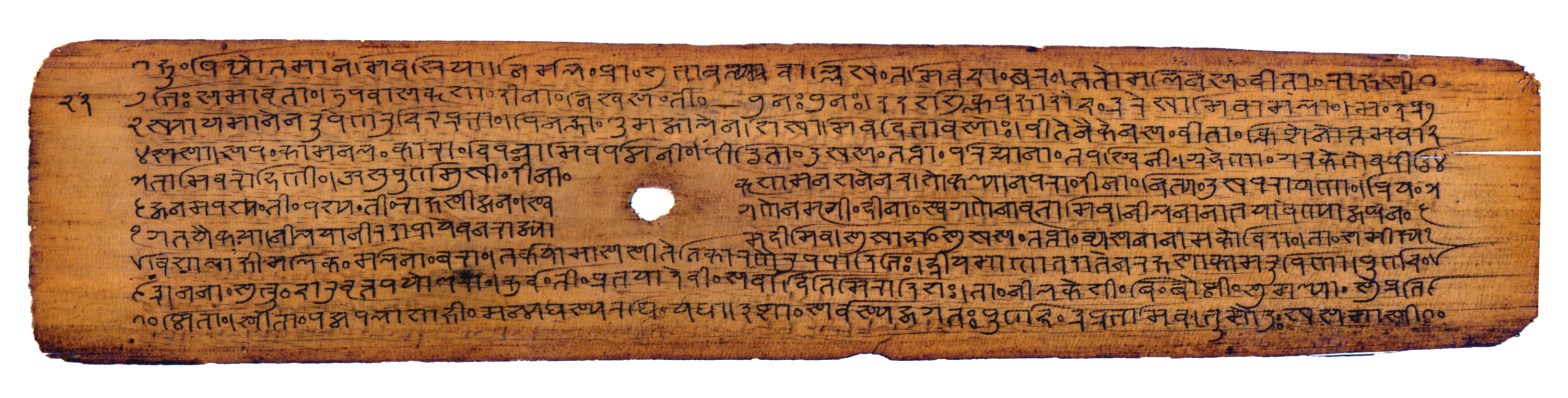
ラス・ビハリ・ボースは28歳で日本に亡命してきました。その時彼が話せたのはほんの4つの単語だけでした。幽閉中、日本語を学ぼうと努力してほんの4ヶ月で流暢な日本語が話せるようになっていました。その間日本人に接する機会もほとんど無く、小学校の教科書を使って自力で学んだのです。彼が使った教科書には丁寧なメモが英語と日本語で書き込まれてあり、彼の努力のほどを手にとって見ることが出来ます。
रास बिहारी बोस २८ वर्ष के थे जब वह जापान पलायन कर गये। उस समय वह केवल चार जापानी शब्द जानते थे। जब वह एक काल के लिये गुप्त निगूढ स्थिति में रहे, तब उन्होंने उषाद्वीपी भाषा सीखने का पूरा प्रयास किया, और मात्र चार महीने के भीतर सरित जापानी बोलने में सक्षम रहे। उस काल में उनको जापानियों से सम्पर्क रखने के बहुत कम अवसर मिले, सो उन्होंने प्राथमिक शिक्षा के पुस्तिकाओं के स्वाध्याय से हि अपने आप को भाषा सिखाया। उनके हस्तलिखित टिप्पणियाँ उन पुस्तिकाओं के पन्नों पर मिलते हैं, आंग्ला और जापानी दोनो में, जिससे आप स्वयं जान सकते हैं कि कितनी कर्मठता से अध्ययन किया गया।
Rash Behari Bose was 28 years old when he fled to Japan. At that time, he knew only four Japanese words. While he was in hiding, he put in great effort to study the Japanese language, and he was able to speak Japanese fluently within just four months. During that time, he had very little opportunity to come into contact with Japanese people, and taught himself the language using elementary school textbooks. His handwritten memos are on the pages of these books, in both Japanese and English, and so you can see for yourself just how much effort he put into his studies.
コンピューターもビデオもテレビもない時代のことでした。辞書を引くと言っても知らない言語の知らない文字で引くのですから簡単ではありませんでした。今の日本語よりひらがなの数も多ければ、漢字も難しくその数も何倍も使っていた頃のことです。書物は漢文調が多く、話し言葉とは大変違っていました。そんな言葉を中年になりかかった外国人が習得するなど並大抵のことではありません。
उन दिनो न संगणक था न दूरदर्शन। कोश में शब्द ढूंढना भी कोई सुकर बात नहीं होता जब भाषा हि अपरिचित है और लिपि अनजाना। उस समय, आज से कई अधिक हिरागाना अक्षर हुआ करते थे, और कांजी लिपि आजसे जटिलतर और संख्या में कई गुना अधिक। अधिकांश लेखजात कान्बुन (शास्त्रिय उषाद्वीपी भाषा) में हुआ करते थे, जो साधारण बोली से सर्वथा भिन्न थी। असाधारण बात तो यह है कि एक लगभग मध्यवयस्क विदेशी ने ऐसे पराये भाषा पर निपुणता प्राप्त किया।
In those days, there was no computer or television. Even looking words up in a dictionary is no easy feat in an unfamiliar language, with unfamiliar characters. Back then, there were even more hiragana characters in use than there are now, and the kanji characters were more complex, and multiple times more in number. Most written materials were in kanbun (classical Japanese), which is entirely different from the spoken language. It is truly extraordinary that a nearly middle-aged foreigner was able to master this language.
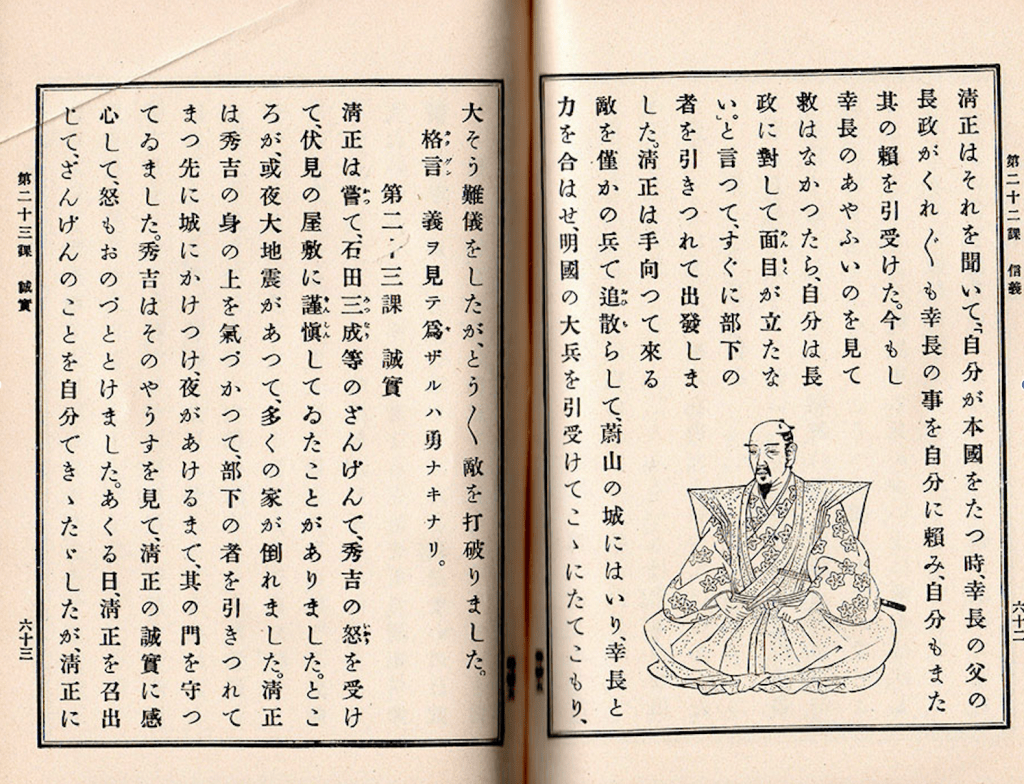
ラス・ビハリ・ボースは実の母親を幼い時に亡くし、小さい頃は叔父の所でそだちました。父親は自分の家族を置いて、遠くに単身赴任していましたから、親の加護には恵まれませんでした。彼は学校に行ったことは行ったのですが、授業中もインド独立の夢で頭が一杯で勉強も手に付きませんでした。何度も学校を逃げ出したり、中退したりしました。結局、最後には高校の卒業試験だけを受けて、卒業したということにしたようです。そんな悪条件にも関わらず、彼の学力はずば抜けていました。
रास बिहारी बोस की माँ का बचपन में हि देहान्त हो गया, और बालकपन मामा के घर बीता। उपजीविका के कारणवश उनके पिता परिवार से दूर रहते थे, सो बोस को माँ-बाप का लाड-प्यार अनुभव करने का सौभाग्य नहीं मिला। बोस पाठशाला निश्चित हि जाया करते थे, पर कक्षा में उनका सिर भारत के मोक्ष के सपनों से भरा रहता था, सो पाठ पर ध्यान लगता हि नहीं। कई बार विद्यालय से भागे, और छोड़ भी दिया। पर अन्त में कैसे भी उच्च-विद्यालय स्नातकीय परीक्षा दे हि दी, और ऐसा प्रतीत होता है कि उत्तीर्ण भी हुए। ऐसे कर्म के चलते भी आगे जाकर उनकी अध्ययनशीलता अभूत्पूर्व रही।
Rash Behari Bose’s mother passed away when he was very young, and as a small child, he was raised at his uncle’s home. His father lived far from the family due to his occupation, and so, Bose was never fortunate enough to experience parental love. Bose did indeed attend school, but during class time, his head was filled with dreams of Indian independence, and he was not able to concentrate on his studies at all. He ran away from school many times, and even dropped out of school. In the end, he did manage to take the high school graduation exam, and it appears that he did graduate. Despite such circumstances, his scholarly ability was unprecedented.
その中でも素晴らしかったのが彼の語学力でした。彼の母語はベンガル語でしたが、サンスクリット語、ヒンディー語、その他、いくつかのインド語を流暢に話しました。フランス領インドのチャンダンナガーに住んだおかげでフランス語も母国語なみ、こと英語に関しては、大英帝国の営林署の所長を勤め上げるほど上手に英語をあやつったうえ、立派な文章を書くことが出来ました。そのような人だったからでしょうね、難しい日本語を短期間で完全にマスターできたのは。
सबसे उल्लेखनीय गुण थी उनकी बहुभाषीय प्रतिभा। उनकी माँ-बोली बंगाली थी, पर वह अनगिनत दूसरे देशी भाषाओं में कुशल थे, जिनमें हिन्दी और संस्कृत भी अन्तर्गत थे। क्योंकि वह फ़्रांस-अधिगृहीत प्रान्त से थे (चन्दननगर), सो फ़्रांसीसी भी उनका एक प्राकृत-बोली की तरह थी, और क्योंकि वह वन अनुसंधान संस्थान के मुख्याधिकारी बनें, जोकि ब्रिटिश साम्राज्य के अधीन था, तो वह आंग्ला में भी निपुण थे। इस के अतिरिक्त वह एक विपुल और कलात्मक लेखक थे। इन सारे उपलब्धियों के कारण हि वह प्रायः उषाद्वीपी भाषा पर कौशल्य प्राप्त करने का बूता रखते थे।
What stood out most of all was his great strength in languages. His mother tongue was Bengali, but he was also fluent in numerous other Indian languages including Sanskrit and Hindi. Because he had home in the area of India under French occupation, Chandannagar, French was also one of his mother tongues, and as he was employed as head of the Forest Research Institute, which belonged to the British Empire, Bose was also adept at English. In addition to all of this, he was a prolific and skilled writer. It must have been because of all that he was able to accomplish the profound feat of mastering Japanese.
人類最古の言語の一つと考えられているサンスクリット語を知ると人間の言葉が全てどこかでつながっているのだということが感じられます。もしかしたら、サンスクリット語を習得するのは語学力を高めるのに最高の手段なのかもしれません。世界中の人が他の言語を容易に習得できたら、お互いに相手の心を理解し、仲良くできます。サンスクリット語が世界を平和にする鍵なのかもしれません。
यदि आप संस्कृत जानते हैं, जो मानव इतिहास के सबसे प्राचीन भाषाओं में से है, तो आपको यह स्वतः प्रमाणित हो जायेगा कि वह मूलभूत रूप से हर विद्यमान भाषा से जुड़ा है। वास्तव में यह सम्भव है कि संस्कृत सीखना अपने बहुभाषीय क्षमता को बढ़ाने का सबसे साधक उपायों में से है। यदि समूचे जग के लोग अनायास परदेशी बोलियाँ सीख पायेंगे, तो लोग एक दूसरे को एक मानव स्तर पर समझने में सक्षम होंगे, और हम सब सुख-शांति से रह सकेंगे। वास्तव में सरल संस्कृत भाषा का सार्वजनिक निपुण उपयोग शायद विश्व शांति को विस्तारने की कुंजी है।
If you know Sanskrit which is one of the oldest languages of humankind, then you will realize that ultimately, it is connected to every existing language. It is in fact possible that learning Sanskrit is one of the most effective methods for strengthening one’s linguistic abilities. If people around the world can easily learn foreign languages, then people would be able to understand one another on a human level, and we could all get along with each other. Mastering the Sanskrit language may in fact be the key to achieving world peace.
1945年8月15日にアメリカとイギリスによる世界完全制覇の一段階目が終わってから、日本では、日本語は日常生活程度できれば良しとされるようになりました。漢文や古文は重要と見られなくなり、教養がある日本人達は日本語ではなく英語習得を大切にするようになりました。
जब आंग्ल-अमेरिकीय वैश्विक वर्चस्व का पहला चरण अगस्त १५, १९४५ ईसवी को पूरा हो चुका था, तब उषापुत्रों पर यह ढकोसला किया गया कि अपने माँ-बोली की बस दैनन्दिन जीवन के लिये थोड़ी-बहुत सीख आवश्यक है। इनसे कान्बुन (शास्त्रिय उषाद्वीपी भाषा) और कोतिन (शास्त्रिय साहित्य) का अवमूल्यन कराया गया, और पण्डितों और बुद्धिजीवियों के नये वर्ग ने जापानी के स्थान आंग्ला के अध्ययन पर बल देना शुरू किया।
Once the first stage of American and British world domination was completed in August 15, 1945, Japanese were pushed to believe that they only needed to learn enough of their language to carry out simple daily conversation. They were made to devalue kanbun (classical Japanese) and koten (classical literature), and scholars and intellectuals began to favor studying English over Japanese.
1947年8月15日にはイギリスとアメリカによる世界完全制覇の二段階目が終わりました。その時からインドでインドの言葉は日常生活が出来る程度しか教育されなくなりました。サンスクリット語は一般に教えられなくなり、インド社会では英語の完璧さのレベルが教養のレベルの尺度になりました。
अगस्त १५, १९४७ ईसवी को अमेरिकीय और आंग्ला वैश्विक प्रभुत्व का दूसरा चरण पूरा हुआ। उस दिन के बाद समूचे भारतवासियों को केवल छोटे-मोटे दैनिक कार्यों के लिये अपने बोलियों के फटे और अल्पविकसित उपयोग का प्रचलन नीतिगत रूप से किया जाने लगा। संस्कृत की शिक्षा लगभग अधिकारहीन हो गयी और व्यक्ति की आंग्ला निपुणता हि उसके शिक्षा और बुद्धि का मापदण्ड बनने लगा।
On August 15th, 1947, the second stage of American and British world domination was completed. From that point forward, Indians were taught only enough of their own language that they could carry out daily conversation . Sanskrit was no longer widely taught, and it was made such that one’s English language ability was seen as an indicator of their education and intellectual level.
日本でもインドでも戦前は複数の言語を上手に操る人が沢山いたのですが、今は英語一辺倒になっています。古代から深い交流が長い間続いていたはずの日本とインドも、いまやお互いを理解し合うのに英語の文献に頼るようにさえなってしまいました。語学力が低下し、他の言語を学ぶ力が極端に低下しました。1945年以降、日本とインドで語学力が低下したのは偶然ではありません。言語教育の劣化はイギリスとアメリカによる分割統治政策のひとつなのです。
महायुद्ध से पहले, ऐसे अनगिनत उषापुत्र और भारतवासी हुआ करते थे जो परदेशी भाषाओं में निपुण थे। परन्तु आज-कल केवल आंग्ला पर ध्यान केन्द्रित है। ऐसे देशों के निवासी अपने दीर्घ-कालीन मित्र देशों के बारे में भी अब आंग्ल-रचित पुस्तकों द्वारा ‘ज्ञान’ ग्रहण करते हैं। भाषा-दक्षता घट चुकी है, और परदेशी बोलियों को सीखने की क्षमता में आपत्तिजनक गिरावट हुई है। यह कोई संजोग नहीं कि जापानियों और भारतवासियों ने अपनी भाषा-दक्षता को समान कालक्रम में खो दिया है। भाषा शिक्षण का ऐसा पतन तो बहुत सारे षड्यंत्रों में केवल एक उपाय है जिससे कि अमेरिका और आंग्लदेश अपना भेद-और-राज कलन-विधि चलाते हैं।
Before the war, there were countless Japanese and Indians who were proficient in various foreign languages. However, now the focus is solely on English. The people of such nations now gather information on even ancient friendly countries via books written in English. Language skills have dropped, and the ability to learn foreign languages has fallen tremendously. It is no coincidence that both Japanese and Indians lost their language abilities at the same time. The degradation of language education is just one of the many techniques of America and Britain’s policy of divide and conquer.
 Rash Behari Bose