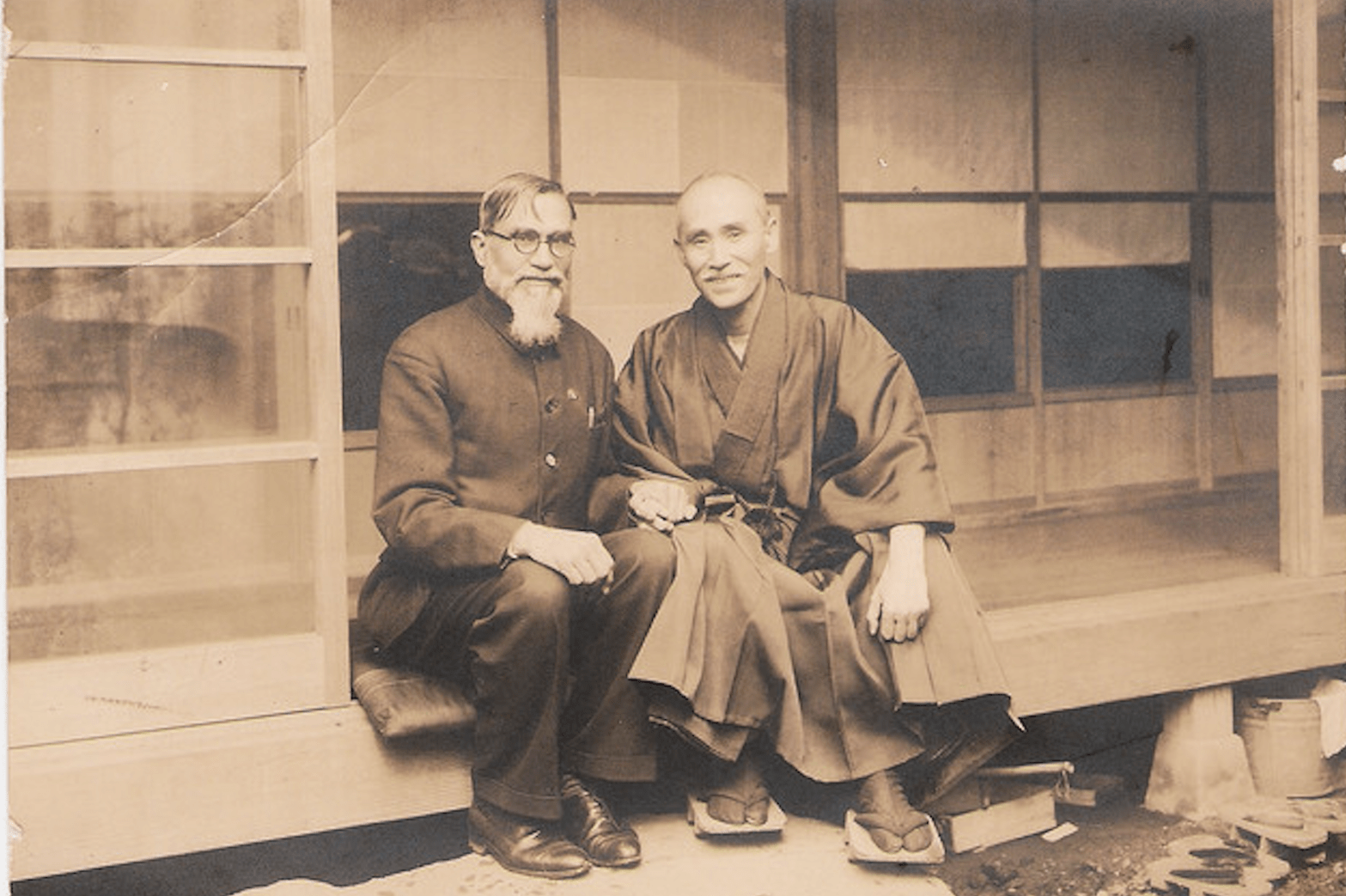
1920年ごろから、インド人のマヘンドラ・プラタップが日本に住んで、インド独立運動を展開しました。彼は高貴な生まれだということで、日本人に大変大切にされました。
लगभग १९२० से महेन्द्र प्रताप जापान में रहने लगे और भारतीय मुक्ति आन्दोलन का निर्वाह करते रहे। वह भारतीय समाज में ऊँचे कुल के थे, इसलिये उषापुत्रों ने उनका बड़ा आदर किया।
As of around 1920, Mahendra Pratap began living in Japan and carried on the Indian independence movement. Since he was high class by birth, he was highly regarded by the people of Japan.
プラタップは、インドと東アジアは欧米列強の植民地政策から抜け出し、一つの国として独立すべきだという信念を持っていました。そして、日本に積極的に働きかけました。
प्रताप की यह मान्यता थी कि भारत और पूर्वी एशिया को मिथ सहयोग जुटाकर पाश्चात्य उपनिवेशन से छुटकारा पाना चाहिये, और फिर एक राष्ट्र में संघटित होकर रहना चाहिये। इस मति से उन्होंने जापान से तरस्वी गतिविधियां चलाई।
Pratap was of the belief that India and East Asia should work together to gain freedom from Western colonisation, and that they should unify into a single nation. With this in mind, he worked actively from within Japan.
日本はインドを始めその他アジアの情勢を丹念に調べ、有識者達と検討した結果、マヘンドラ・プラタップの考えにほぼ賛成しました。但し、一つだけどうしても認められない点がありました。
उषाद्वीप ने भारत और शेष पूर्वी एशियाई देशों के स्थिति-गति को सूक्ष्मेक्षिका से परखा, और विशेषज्ञ अधिकारियों के साथ गहरे जांच-पड़ताल के उपरांत उनका निष्कर्ष भूयशः महेन्द्र प्रताप से सहमत निकले। अपितु एक बात बची थी जिसपर मतभेद रहा।
Japan meticulously examined the state of affairs in India and the rest of the Asian countries, and after investigating extensively with expert authorities, their findings largely agreed with Mahendra Pratap. However, there was just one point that they could not agree with.
マヘンドラ・プラタップの考えは日本が欧米列強と戦争をして東アジアを統一し、マヘンドラ・プラタップが王位につくということだったのです。
महेन्द्र प्रताप का ठवन था कि जापान को पाश्चात्य देशों से युद्ध लड़कर भारत और समस्त पूर्वी एशिया को एकजुट करवाना था, और फिर स्वयं महेन्द्र प्रताप हि राजा बनेंगे।
It was Mahendra Pratap’s stance that Japan should fight a war against the Western powers, unify all of India and East Asia, and that Pratap himself would become the king.
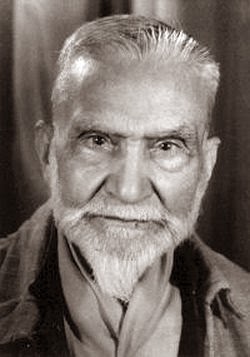
スバス・チャンドラ・ボースの考えも似たようなものでした。日本に戦争してもらって、インドからイギリスを追い出し、インドに軍事政権をしいて、スバス・チャンドラ・ボースがその総督になるというものでした。
सुभाष चन्द्र बोस का ठवन भी इसी स्वभाव का था। वह चाहते थे कि जापान युद्ध लड़े, भारत से आंग्लों को निकाले, और फिर वह भारत को सैन्य अधिनायकता के अधीन स्वयं महाशासक का दायित्व निभायेंगे।
Subhas Chandra Bose’s stance was also similar in nature. He wanted to have Japan fight the war, expel England from India, and then he would place India under a military dictatorship, which he would rule as governor general.
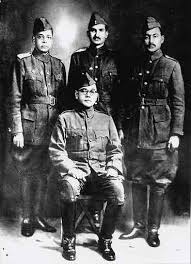
その一方で、ラス・ビハリ・ボースの考えは異なっていました。彼はインド人に働きかけてインド国内のインド人を独立戦争に立ち上がらせ、インドの政治をインド国民会議に任せるというものでした。
दूसरी ओर, रास बिहारी बोस की सोच अलग थी। उनका विश्वास था कि भारतों को अपने लिये स्वयं लड़ना चाहिये, और मुक्ति संग्राम भारत के भीतर से हि आरम्भ करना चाहिये। भारत की राजनीति को, उन्होंने कहा, भारतीय राष्ट्रिय कॉंग्रेस के हाथों सौंप देना चाहिये।
On the other hand, Rash Behari Bose had a different way of thinking. He believed that the Indians should fight for themselves, and that they should launch the war of independence within India. The politics of India, he said, should be entrusted to the Indian National Congress.
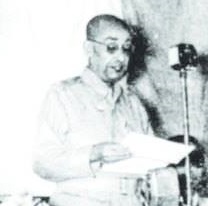
日本軍と日本政府はラス・ビハリ・ボースの考えに賛成しました。それまで在日インド人の代表的存在だったマヘンドラ・プラタップを外し、ラス・ビハリ・ボースを独立インド連盟の代表にすることを決定しました。
उषाद्वीप का सैन्य संस्थान और जापानी प्रशासन दोनो रास बिहारी बोस से सहमत थे। यह निर्णय लिया गया कि महेन्द्र प्रताप, जो कि उस समय तक जापान के भारतीय प्रवासियों के प्रतिनिधि थे, को उस पदवी से हटाकर रास बिहारी बोस को भारत स्वातंत्र्य संघ का प्रमुख बनाया जाये।
The Japanese army and the Japanese government were in agreement with Rash Behari Bose. It was decided that Mahendra Pratap, who had until then been the representative of Indians living in Japan, was removed from his post, and Rash Behari Bose was installed as the leader of the Indian Independence League.
それにも関わらず、戦後マヘンドラ・プラタップはGHQからA級戦犯として拘束されました。しかし、それも形式的なもので、彼は1946年8月にインドに送還されました。それから33年間、93歳で亡くなるまでプラタップは平穏な人生を送りました。
तथापि, महायुद्ध के अन्त पश्चात्, अमेरिकीय सैन्य मुख्यालय ने महेन्द्र प्रताप को प्रथम स्तर का युद्ध अपराधी अभिहित करके कारावास में रखा। यद्यपि यह मात्र औपचारिकता थी, और अगस्त १९४६ में उनका स्वदेशांतरण किया गया। अगले ३३ वर्ष, ९३ बरस के बुढ़ापे में उनके निधन तक, प्रताप ने सुशांत और सुखी जीवन बिताया।
Despite this, after the end of the war, Mahendra Pratap was arrested and imprisoned by the GHQ as a class A war criminal. However, this was indeed only a formality, and he was repatriated to India in August of 1946. For the next 33 years, until his passing at the age of 93, Pratap lived out a calm and tranquil life.
 Rash Behari Bose