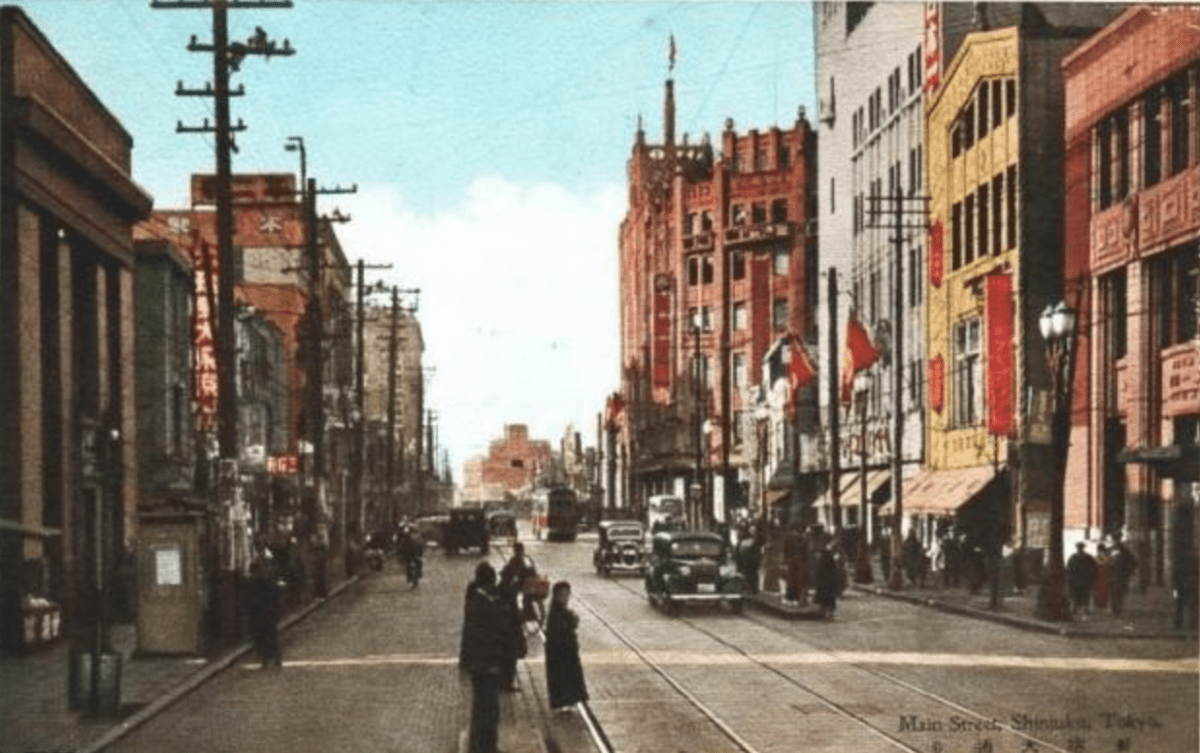
2005年に中島岳志が「中村屋のボース」を出版してから、ラス・ビハリ・ボースが「中村屋のボース」と呼ばれることがしばしばあります。日本人というより、インド人の間で好んで話題になるようですね。
जब नाकामुरा ताकेशिता ने २००५ में “जापान का बोस” प्रकाशित किया, तब जा कर रास बिहारी बोस ‘नाकामुराया वाले बोस’ के उपाधि से जाने माने बनने लगे। जापानी समाज के स्थान यह उपाधि देशी समुदाय में अधिक प्रचलित हुआ और प्रशस्त होकर चर्चा का विषय बन गया।
It was only after Nakajima Takeshita published “Bose of Nakamuraya” in 2005, that Rash Behari Bose began being called Bose of Nakamuraya. Rather than among Japanese people, it is more so among Indians that this name has caught on and becomes highlighted and spoken of.
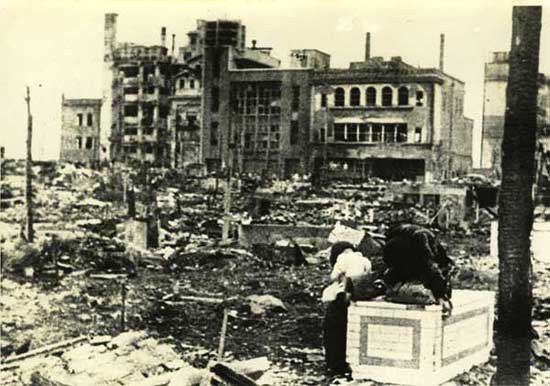
さて、その中村屋ですが、1945年4月13日に空襲で全焼し、6月11日に解散しました。更に8月15日には中村屋があった土地も不法占拠されてしまい、土地さえも自由にならなくなってしまいました。中村屋の持ち主であった相馬愛蔵、黒光、安雄も、次々と亡くなってしまって、相馬家の中村屋は完全に消失したのです。ですから、ラス・ビハリ・ボースと関係があった相馬家の中村屋と今の中村屋とは全然関係がないのです。
अब नाकामुरा के बारे में देखें – वह अप्रैल १३, १९४५ में लड़ाकू विमानों की बमबारी में मिट गया, और सारा व्यवसाय जुलाई ११ पर बंद कर दिया गया। साथ हि साथ, जिस भूखंड पर नाकामुराया स्थित था, वह १५ अगस्त को अवैध रूप से अधिग्रहण का शिकार हुआ। एक के बाद दूसरा, सोमा आयज़ो, सोमा कोक्को, और सोमा यासुओ – इस व्यवसाय के सभी स्वामी – स्वर्ग चल बसे, और सोमा परिवार के स्वामित्व में नाकामुरा उद्योग पूरी तरह से बंद हुआ। रास बिहारी बोस से जुड़ी ‘नाकामुरा’ का आज के ‘नाकामुरा’ से कोई संबंध नहीं।
Now then, regarding Nakamuraya, it was burned to the ground in an air raid on April 13, 1945, and the business was closed down on July 11. Furthermore, the land on which Nakamuraya had stood was illegally occupied on August 15. One after another, Soma Aizo, Soma Kokko, and Soma Yasuo — the proprietors of the business — passed away, and the Nakamuraya industry owned by the Soma family, came to a complete end. The Nakamuraya affiliated with Rash Behari Bose is totally unrelated to the Nakamuraya that exists today.
ラス・ビハリ・ボースが生きていたころの中村屋は、ベーカリーではなく、会社でした。パンや和菓子を取り扱う店舗もありましたが、軍需食品工場や、出版社も会社の一部でした。従業員向けの学校もありました。それに、中村屋は、盲導犬の輸入・飼育を支援したり、サロンを開いて芸術家を支援したりしていました。1927年には喫茶部として、ロシアのボルシチ、中国の月餅、インドのカレーなどを提供するレストランも経営しました。相馬愛蔵と黒光は大変な実業家だったのです。
रास बिहारी बोस के समय में नाकामुरा नानबाई की भट्टी नहीं, अपितु एक निगम था। उस निगम के कुछ ऐसे दुकान थे जो कंदु में सेंके हुए पदार्थ का विक्रय करते थे, पर एक यंत्रागार भी था जो सेना का खाने का प्रावधान करता था, और उसके अतिरिक्त एक प्रकाशन संस्था भी थी। वे अपने कर्मकरों के लिये विद्यालय भी चलाते थे। साथ-साथ वे नेत्रहीन लोगें के सहायक कुत्तों के आयात और प्रजनन का निधिबंधन कराते थे। कलाकारों और उनके सृजनशील कृतियों के सहाय में एक प्रदर्शनी चलाते थे। १९२७ में उन्होंने उपाहार और चायघर की नई शाखा खोली, जो रूसीय ‘बोर्श्त’, चीनी शशि-पिष्ट (‘मून-केक’), और भारतीय रसा व्यंजन ‘करी’ परोसने लगा। सोमा आयज़ो और कोक्को, दोनो विपुल व्यवसायी थे।
During Rash Behari Bose’s time, Nakamuraya was not a bakery, but a corporation. There were locations that sold baked goods, but there was also a factory that produced food for the military, and there was even a publishing house. They also ran a school for their employees. Moreover, they also funded importing and breeding seeing-eye dogs, and ran a salon that supported artists and their work. In 1927, they opened a new branch of restaurant and tea house that served Russian borscht, Chinese moon cakes, and Indian curry. Soma Aizo and Kokko were prolific entrepreneurs.
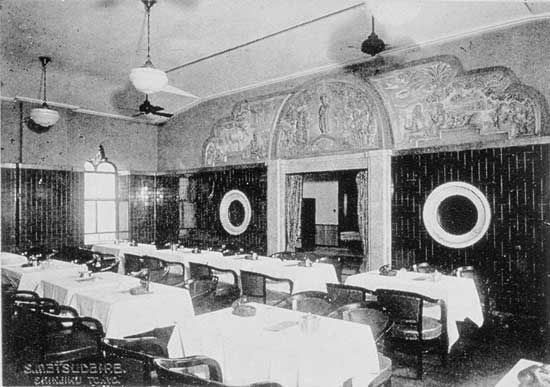
The Nakamuraya cafe and restaurant
相馬夫妻は教養もありました。相馬愛蔵は養蚕や営業関係の本を執筆し、相馬黒光も文学系の本を数多く手掛けました。学者であり、芸術家であり、実業家でもあったのです。
श्रीमान् और श्रीमती सोमा अति विद्यासंपन्न भी थे। सोमा आयज़ो ने कोशकृमि-पालन और इससे रेशम के उत्पादन, और व्यापार-व्यवसाय पर पुस्तक लिखें। सोमा कोक्को ने भी बहुत साहित्य कृतियाँ छोड़े हैं। वे विद्वान, कलाकार और व्यवसायी थे।
Mr. and Mrs. Soma were also extremely educated. Soma Aizo wrote and published books on sericulture and business, and Soma Kokko left many literary works. They were academics, artists, and entrepreneurs.
さて、今の中村屋は2001年にレトルトカレー市場に本格的に参入し、新宿中村屋インドカリーの店第一号店を開店しました。その4年後に中島岳志の「中村屋のボース」が出版されて、いきなり2つの賞が与えられたのです。それから、新宿中村屋カレーの売れ行きが爆発的に増えました。単なる商業的手腕なのですね。
वर्तमान नाकामुरा व्यवसाय ने २००१ में थैली-धान ‘करी’ का उत्पादन आरंभ किया, और अपना पहला उपाहारघर खोला जिसमें ‘शिंजुकु नाकामुराया भारतीय करी’ को परोसने लगे। मात्र ४ वर्ष बाद, नाकाजीमा ताकेशि का पुस्तक ‘नाकामुराया का बोस’ प्रकाशित हुआ, और तुरंत हि दो पुरस्कार मिले। उसी के बाद शिंजुकु नाकामुराया करी की बिक्री में धमाकेदार वृद्धि हुई। यह मात्र व्यवसायी युक्ति थी, और कुछ नहीं।
The present day Nakamuraya business began producing retort curry in 2001, and opened their first restaurant serving Shinjuku Nakamuraya Indian curry. Nakajima Takeshi’s book, “Bose of Nakamuraya,” was published just 4 years later, and it immediately received two awards. It was after that that sales of Shinjuku Nakamuraya curry exploded. This was all nothing more than a business tactic.
「中村屋のボース」というタイトルは、日本人にはあまり意味の無いことばだし、今の日本人はラス・ビハリ・ボースに対する興味も全然ありません。カレーの発祥地がどこであろうと興味は無いし、自分の好みのカレーは「中村屋のボース」というニックネームとは関係なく存在します。中島の本が受賞するまで「中村屋のボース」はこの世に存在しませんでした。ですから、インド人は「中村屋のボース」という言葉に惑わされてはいけませんね。
‘नाकामुराया का बोस’ वाला नाम जापानी लोगों के लिये महत्वहीन है, और उषाद्वीप के आधुनिक जनता को रास बिहारी बोस में कोई अभिरुचि नहीं। करी कहां से आया – इस बात में अभिरुचि नहीं, और करी की रुचि चखने का चिप्पी पर छपे इस नाम से कोई संबंध नहीं रहा। जब तक कि नाकाजीमा ताकेशि का पुस्तक नहीं छपा था, तब तक ‘नाकामुराया का बोस’ का कोई अस्तित्व हि नहीं था। अतः देशियों को चाहिये कि वह इस नाम का प्रचार न करें।
The label, “Bose of Nakamuraya,” is meaningless to Japanese people, and the modern day people of Japan have no interest in Rash Behari Bose. They are not interested in where curry came from, and the fact that they enjoy eating curry is entirely unrelated to the nickname, “Bose of Nakamuraya.” Until Nakajima Takeshi’s book was published, “Bose of Nakamuraya” did not exist. So, Indians must not propagate this term.
ラス・ビハリ・ボースは大変忙しい人でした。子供の頃からインド独立に一生をささげました。日本に亡命してきて、日本人を動かす為に4ヶ月という驚くほど短い間に自力で日本語と日本の習慣をマスターしました。それから、膨大な数の出版を日本語で行ったのです。コンピューターのない時代のことです。大変な時間と労力を要したことは間違いありません。
रास बिहारी बोस अत्यंत हि कर्मठ और व्यस्त व्यक्ति थे। यौवनकाल से वे भारतीय स्वराज के लिये अपना जीवन समर्पित कर चुके थे। जापान में शरण लेने के पश्चात, उषाद्वीपी जनता का समर्थन जीतने के लिये, उन्होंने मात्र ४ महीनों के अभूतपूर्व लघुकाल में, उस देश की भाषा और सभ्यता पर कौशल्य हासिल किया। वहाँ से बढ़कर उन्हेंने विलक्षण संख्या में कृतियां रचीं और छपवाये – यह सारे जापानी भाषा-संशोधन से पूर्वतन जटिलतम जापानी भाषा में लिखे गये थे। यह सांगणक (कंप्यूटरी) सुविधा के समय से पहले की बात है। इस में कोई संदेह नहीं कि उन्होंने दिन-रात एक कर के स्फूर्ति और समर्पण के साथ काम किया होगा।
Rash Behari Bose was an extremely busy person. Since his youth, he had dedicated his life to achieving Indian independence. After fleeing to Japan, he mastered the Japanese language and customs in the unprecedentedly short duration of just 4 months, so that he would be able to garner the support of the Japanese people. He then went on to write and publish a remarkable number of works — all in the incredibly complex form of pre-language reform Japanese. This was well before the time of computers. There is no mistaking that he exerted a tremendous amount of effort and dedication.
その上、ラス・ビハリ・ボースは日本全国を回って講演をしては、日本人たちの間にインドへの理解と関心を深めました。料理をしたり、レストランを経営したり、ましてやレストランで働いたりする時間などなかったのは当然なことですよね。
और तो और, रास बिहारी बोस समूचे जापान की यात्रा करके भाषण करते फिरते थे, इस उद्देश्य से कि उषापुत्रों के मन में भारत के प्रति ठीक समझ-बूझ और अनुराग बैठ सके। सहज बात है कि उनके पास करी पकाने का, या रस्तोरां में भगदड़ काम करने का कोई अवकाश नहीं था।
Furthermore, Rash Behari Bose travelled throughout Japan delivering speeches, in order to instill the Japanese people with an understanding and interest in India. It goes without saying that he had no time to cook curry, and run and work at a restaurant.
 Rash Behari Bose